
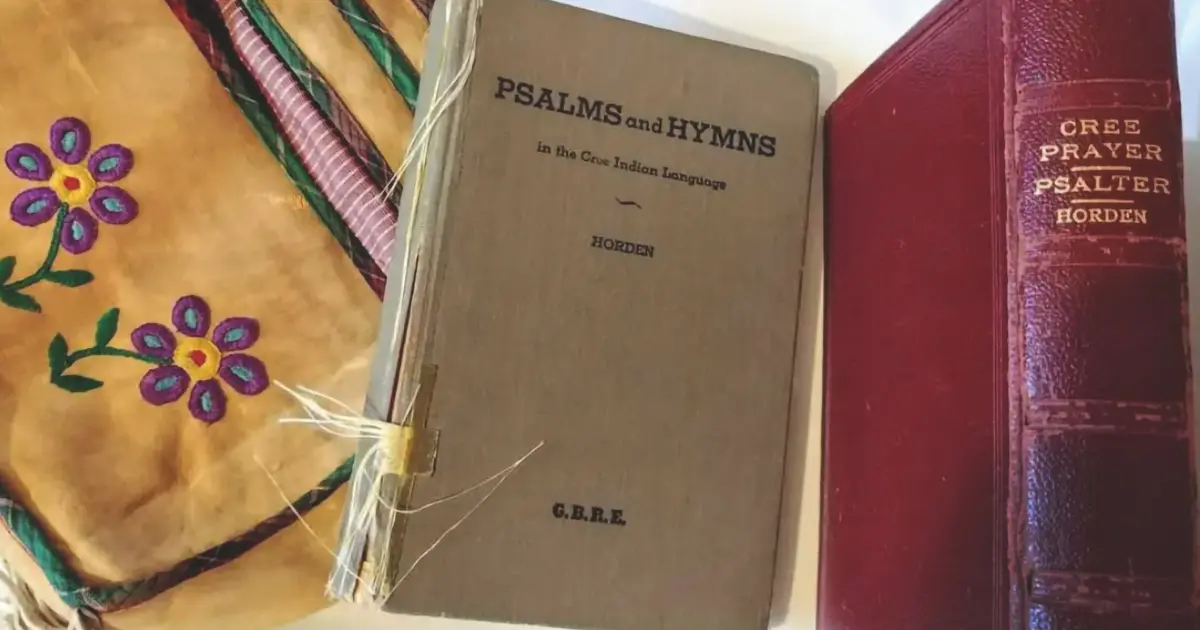
MOOSE FACTORY, ONT. — Trudy Sailors can still vividly recall the heavy sinking feeling she experienced the day a bishop in the Anglican Church of Canada delivered the news that her local parish would have to vacate its beloved spiritual home. Growing up right next to St. Thomas’ Anglican Church during the 1960s, Sailors witnessed firsthand the vital role the sacred building played not only as a house of worship, but as a vibrant, beating heart and gathering place for the entire community in northern Ontario.
Consecrated back in 1864, St. Thomas’ Anglican served generation after generation of worshippers within the Moose Cree First Nation community located in Moose Factory, situated near the dramatic southern shores of James Bay. However, by 2006, decades of harsh northern winters and structural aging had taken a severe toll, leaving the historic wooden building in a state of advanced disrepair. The mounting maintenance challenges prompted the Anglican Diocese of Moosonee to officially order its deconsecration and closure.
“It was sad,” remembers Sailors, whose personal history with the site runs deep, including being baptized in the building that local residents eventually came to affectionately call Old St. Thomas. In the wake of the closure, Sailors notes that the resilient Anglican congregation was forced to relocate its services into a nearby Catholic church, preserving their fellowship even as their physical landmark sat abandoned.
The community of Moose Factory itself holds a rich, complex history deeply intertwined with the early chapters of Canadian commerce and exploration. Founded upon traditional Cree lands as an early trading post established by the Hudson’s Bay Company way back in the 1670s, the region has undergone significant cultural and religious shifts over the centuries. According to Cecil Chabot, who was born and raised in the community, Anglicanism served as the primary form of Christianity in the area for the vast majority of its recorded history.
Yet, that history is also marked by complex institutional legacies. Notably, the church previously operated the Bishop Horden Hall residential school in Moose Factory until its closure in 1976—a painful chapter in the region’s shared past. In the decades since, the spiritual landscape of Moose Factory has continued to evolve. Today, some local residents are actively shedding settler spiritual traditions in favour of resurgent Cree cultural and spiritual practices, while others have found spiritual homes among newer evangelical denominations that have established roots in the area.
Despite these sweeping generational shifts and the passage of time, the community is far from ready to abandon its historic architectural anchor. In recent years, a ambitious and determined plan to fully restore and reopen Old St. Thomas as a modern, multi-use community centre has steadily gathered momentum and broad-based support. The grassroots initiative is proving a powerful point: even a congregation that counts its active members in the dozen or so and operates with limited financial resources can still possess profound, visionary gifts to offer its broader community.
As of this summer, robust financial contributions pouring in from local community members, philanthropic charitable foundations, the Moose Cree First Nation administration, and various other funding sources have propelled the ambitious restoration project roughly halfway toward its steep $4 million fundraising target. Organizers currently have their sights set on completing the extensive construction work and officially reopening the church doors by the summer of 2028.
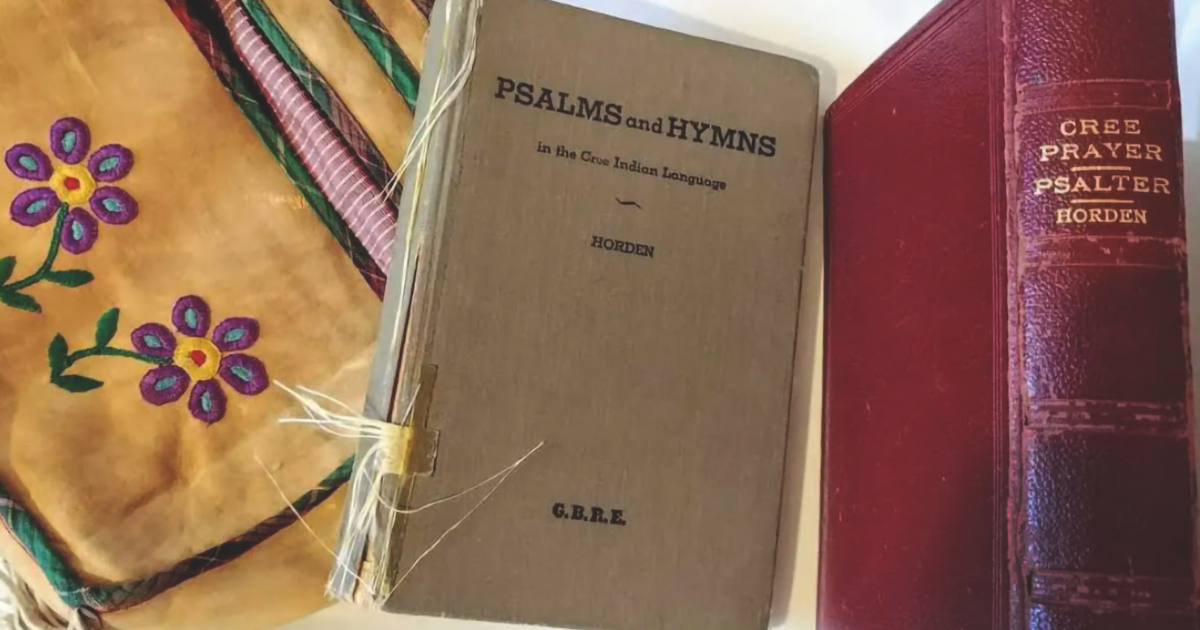
The seeds of this modern revival were planted back in 2020, when the Moose River Heritage and Hospitality Association (MRHHA) first approached the diocese with a comprehensive, community-focused proposal to rescue and restore the deteriorating church structure.
“Permission was granted, and from here the relationship evolved,” explains Chabot, who now serves as the executive director of the MRHHA. Following initial discussions, the diocese ultimately decided to retain formal ownership of the historic church property. However, in a progressive step toward local empowerment, the diocese signed a formal co-management agreement with the MRHHA in 2023. This agreement effectively cedes operational control of the building to the non-profit organization, empowering the MRHHA to spearhead the complex restoration process and manage the facility once it officially reopens to the public.
Once the painstaking restoration work is finally complete, the local Anglican parish will once again have a designated physical space to worship within the historic building. However, the revitalized space is envisioned to be much more than a traditional Sunday church. Plans dictate that the facility will host a wide array of diverse community events and gatherings, with a primary institutional emphasis placed on programming specifically designed to strengthen local families, cultural continuity, and indigenous language retention, according to the terms of the cooperative agreement.
The shared undertaking has successfully united residents across different generations and backgrounds around a common, deeply felt sense of local history and place. Standing quietly inside the church’s historic cemetery during a visit in 2024, Moose Cree First Nation Chief Peter Wesley reflected on the profound emotional significance of the grounds.
“We all have buried loved ones here, so this is sacred ground for all of us,” Chief Wesley said.
That shared emotional sentiment and collective dedication have helped propel the community centre project forward, advancing it to a near “shovel-ready” stage of development, according to Chabot. The momentum on the ground continues to build as contractors and planners finalize the next phases of architectural and engineering assessments required for the historic building.
For longtime residents like Sailors, the ongoing project inspires a profound sense of hope and anticipation for the future. She is eagerly looking forward to the day when the entire community can once again walk through the doors and make full use of the historic church space. Moose Factory residents, she emphasizes, are going to be deeply happy to gather together inside the building once more.
“There’s going to be a lot of joy in being there,” Sailors said.