
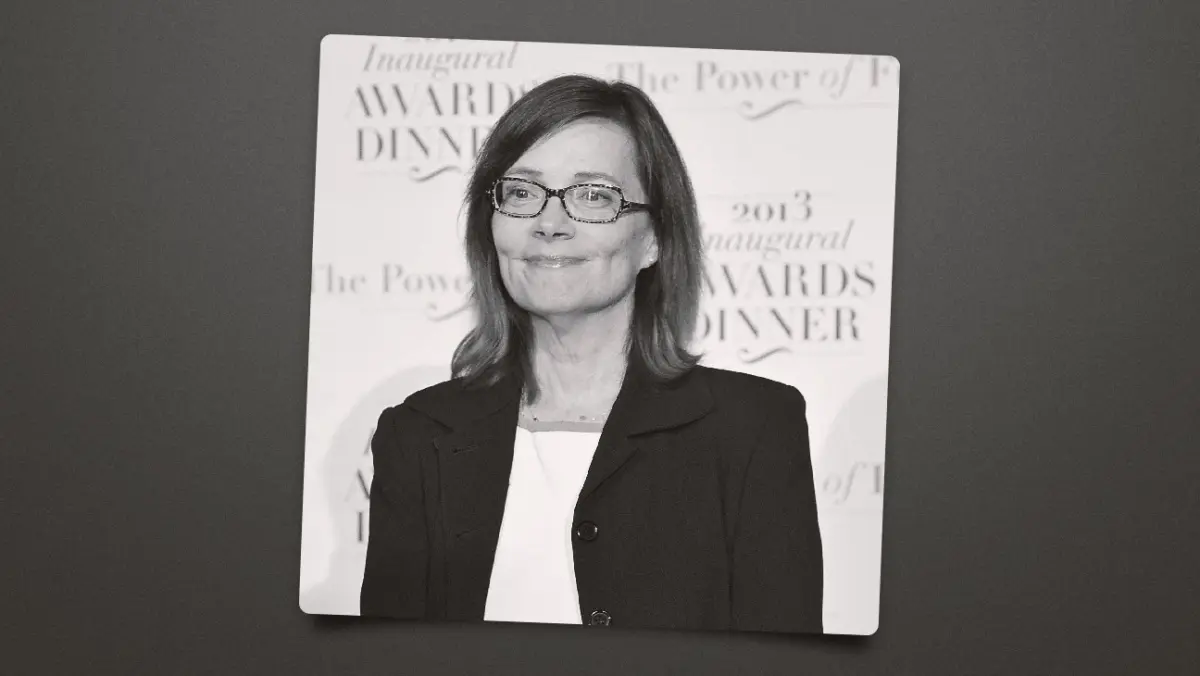
Her husband, Dennis Greenia, confirmed to the Baltimore Banner that Hornaday passed away at her home in North Baltimore following a courageous battle with glioblastoma, an aggressive and malignant form of brain cancer. Over a career that spanned decades and took her from the bustling editorial offices of New York feminist publications to the newsrooms of major metropolitan newspapers, Hornaday established herself as a vital voice in American arts and culture journalism, celebrated as much for her rigorous critical standards as for her championing of cinema literacy for everyday moviegoers.
Born March 9, 1960, in Iowa City, Iowa, Hornaday grew up in Des Moines, developing an early and enduring curiosity about the world and the stories people tell. She pursued her higher education at Smith College, graduating in 1982 with a bachelor’s degree in government. Armed with a sharp intellect and a desire to engage with cultural and political discourse, she soon relocated to New York City, a major turning point that immersed her in the vibrant literary and journalistic currents of the era.
During her time in New York, Hornaday freelanced for prominent cultural and lifestyle publications including Premiere and Us. She also took a position at the pioneering feminist publication Ms. Magazine, where she worked closely with the publication’s co-founder, the legendary activist and writer Gloria Steinem, serving as her administrative assistant. This formative period deeply influenced her worldview, instilling in her an appreciation for diverse perspectives and a commitment to examining how media reflects and shapes societal values.
Seeking to further hone her craft and expand her professional horizons, Hornaday undertook a journalism fellowship in Athens, Georgia. It was during this fellowship that she met Dennis Greenia, who would become her lifelong partner and husband. The fellowship also marked the beginning of her extensive tenure covering news and culture at various regional newspapers across the United States. Before finding her permanent journalistic home in Washington, D.C., she applied her sharp reporting and critical skills at the Austin American-Statesman and The Baltimore Sun, building a reputation for meticulous analysis and a distinctive voice that connected effortlessly with readers.
In 2002, Hornaday moved to The Washington Post, stepping into the prominent role of chief film critic to succeed Rita Kempley. Over the next twenty-three years at the Post, she became a nationally recognized figure in film criticism. Writing hundreds of reviews, essays, and cultural commentaries, she distinguished herself in an industry often prone to elitism by favoring reviews that were remarkably accessible and entirely free of pretension. She believed that cinema was a democratic art form meant to be engaged with, debated, and appreciated by everyone, regardless of whether they possessed a formal film studies background. Her approach made complex cinematic achievements understandable while never compromising on critical rigor.
In addition to her daily print and digital contributions to the Post, Hornaday extended her critical voice to the broadcast sphere, notably appearing as a regular and beloved voice on WYPR’s Midday at the Movies program, where she engaged live audiences in thoughtful discussions about contemporary releases, cinematic history, and industry trends. Her presence on the airwaves further solidified her status as a trusted cultural guide for the mid-Atlantic region and beyond. After more than two decades of defining the cinematic conversation at the newspaper, she left The Washington Post in 2025 after taking a buyout.
Throughout her illustrious career, Hornaday’s work garnered widespread industry acclaim. In 2008, her sharp, perceptive criticism earned her a prestigious nomination as a Pulitzer Prize finalist in criticism, a testament to the depth, consistency, and intellectual rigor of her writing.
Beyond her daily journalism, Hornaday sought to educate and empower audiences on a broader scale. In 2017, she published Talking Pictures: How to Watch Movies, a critically praised practical guide designed to help movie lovers deepen their appreciation of cinema and enhance their overall film literacy. The book was widely adopted by educators, students, and casual fans alike who wanted to look beyond the surface of a film and understand the complex collaborative arts of screenwriting, cinematography, editing, and direction.
Demonstrating her enduring dedication to film history, Hornaday also completed a deeply researched book exploring the meticulous production of director Alan J. Pakula’s classic 1976 political thriller All the President’s Men. That posthumous work is scheduled to be published in 2028, ensuring that her scholarly contributions to film history will continue to inform and inspire future generations.
Ann Hornaday is survived by her husband, Dennis Greenia; her daughters, Victoria and Leila; and her brother, William.