

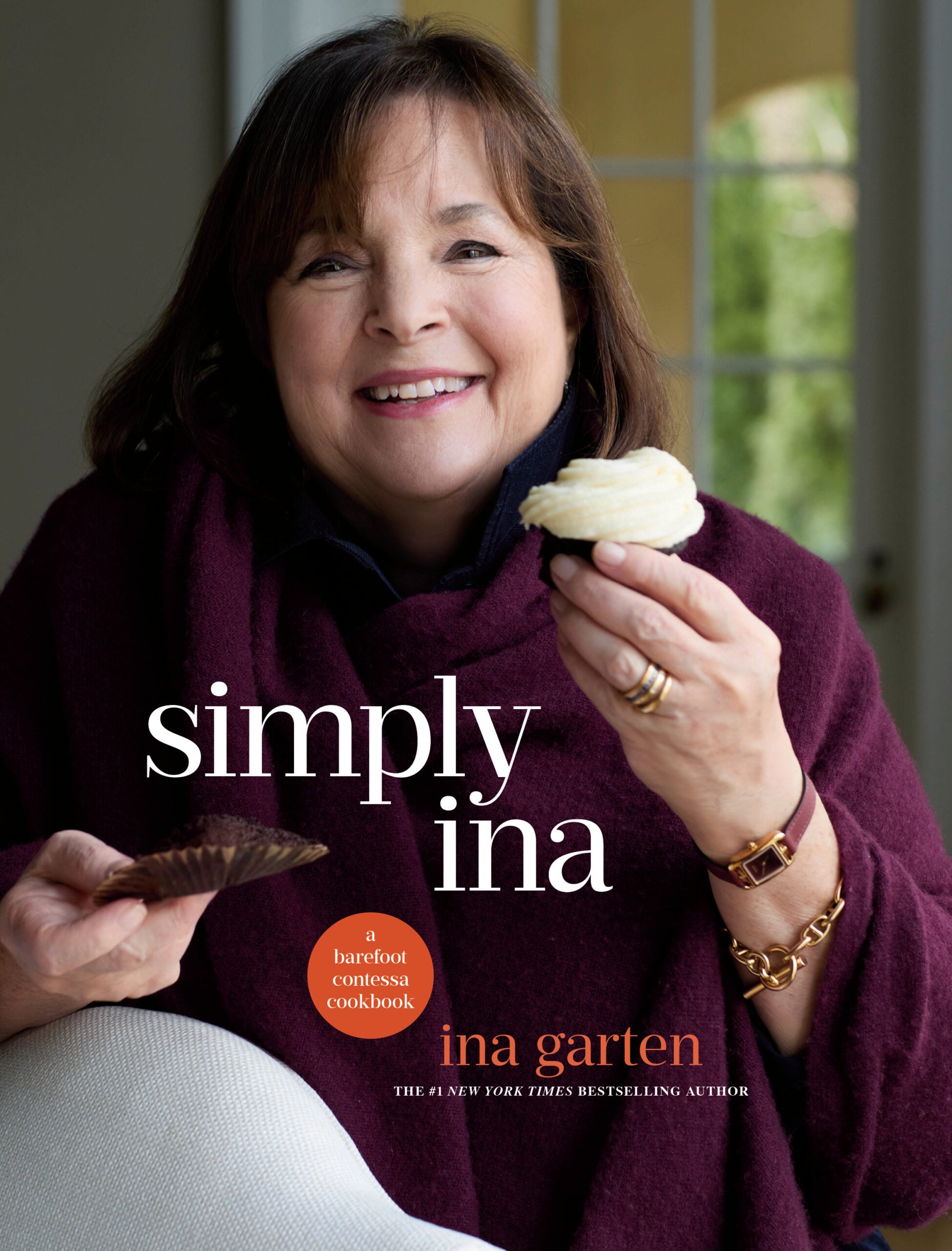
For Brooklyn-based food writer, recipe developer, and cookbook author Casey Elsass, the opportunity to sit down face-to-face over Zoom with culinary icon Ina Garten for an hour was nothing short of a dream realized. Knowing that the beloved culinary icon was set to publish her fourteenth cookbook, Simply Ina, this October, Elsass decided to take a chance and pitch the interview. Guided by his favorite phrase—borrowed equally from Wayne Gretzky and Michael Scott—that you miss one hundred percent of the shots you do not take, Elsass threw the request out into the universe. Thanks to the collaborative efforts of the editorial team at Cup of Jo, the meeting was scheduled. When confirmation came that the date and time were firm, Elsass did what any devoted admirer would do, clearing his schedule with the absolute certainty that nothing could possibly be more important.
What followed was a sweeping, joyful conversation between two professionals who share a deep appreciation for good food and a generous laugh. Across fourteen cookbooks, Garten has maintained an extraordinary ability to inspire home cooks without ever losing sight of what makes cooking enjoyable in the first place. In their discussion, Garten opened up about the global inspirations behind her recipes, her evolving perspective on convenience products, the rigorous testing process that defines an official "Ina recipe," and the unexpected joys of exploring new creative avenues like podcasting.

Finding Inspiration Across the Globe and in the Everyday
Reflecting on what keeps her energized to step into the kitchen and produce her fourteenth cookbook, Garten explained that inspiration can strike virtually anywhere. Whether she is traveling abroad or exploring local establishments, new ideas constantly take root. During a recent trip to the South of France, for instance, she visited a restaurant that served a unique bourbon sour blended with chocolate liqueur and vanilla. Declaring it the best drink she had ever tasted, she immediately returned home and recreated it.
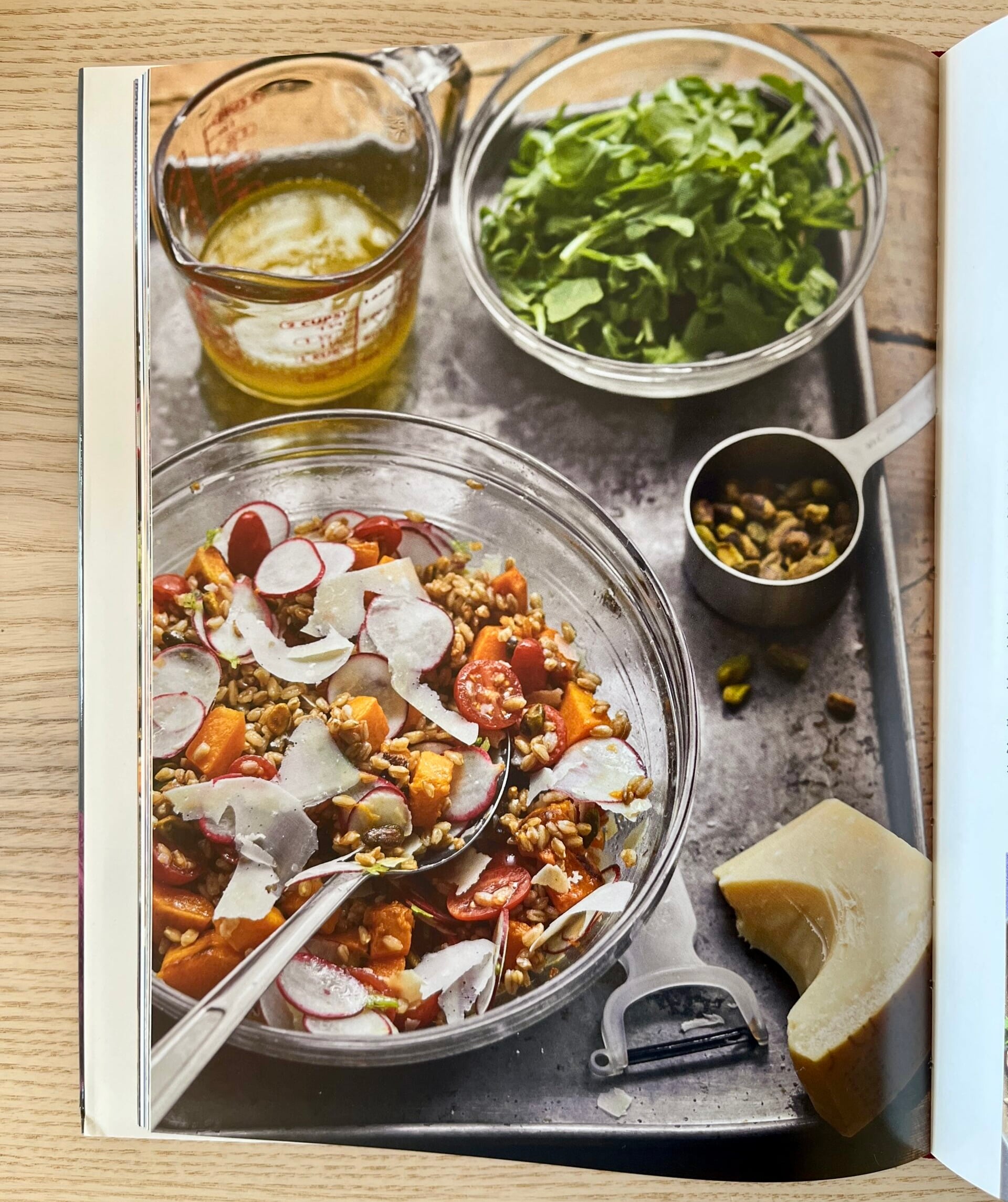
That same spirit of adaptation appears in Simply Ina, which features a seasonal autumn version of the famous farro salad served at Charlie Bird in New York City. After speaking with chef Ryan Hardy about his seasonal rotations of the dish, Garten envisioned an autumnal adaptation utilizing butternut squash, resulting in a recipe that she describes as fabulous.

The core philosophy of Simply Ina centers on a fundamental question for modern home cooks: how to prepare wonderful meals without making the process more complicated than necessary. When asked whether she looks back at recipes from twenty years ago and wonders why she insisted on making certain elements from scratch, Garten clarified that her approach has evolved through the discovery of exceptional culinary substitutes rather than a dilution of standards. By incorporating high-quality prepared products—such as Rao’s marinara sauce or pre-mashed sweet potatoes from Trader Joe’s—home cooks can save valuable time without sacrificing flavor.
Recalling her first visit to Trader Joe’s, Garten shared a memorable anecdote about purchasing five prepared food items that caught her eye. When the cashier totaled the bill at just fourteen dollars and seventy cents, Garten initially protested, assuming the price reflected only a single item. Upon learning that the modest sum covered all five selections, she humorously wondered why anyone would ever cook from scratch again.
The Rigorous Standard of an "Ina Recipe"
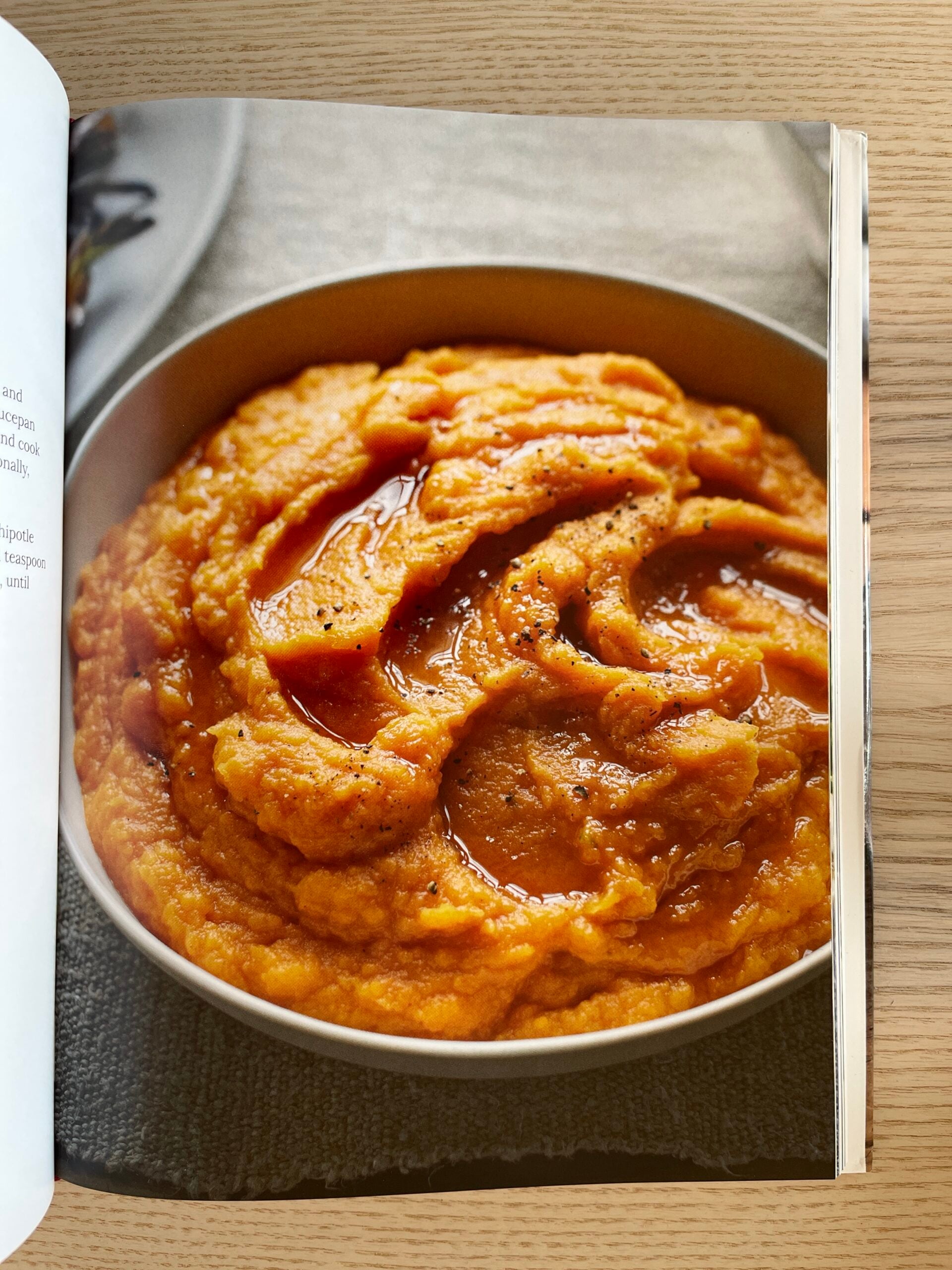
Despite her embrace of smart shortcuts, Garten maintains strict criteria for what qualifies as an authentic "Ina recipe." When developing a dish featuring a primary component, such as her Chipotle Maple Mashed Sweet Potatoes, her goal is always to elevate the core flavor so that it tastes even more like itself. Proper seasoning enhances the natural profile of the ingredient, while butter adds richness, unctuousness, and appeal, balanced carefully with just enough chipotle powder. According to Garten, if a recipe requires more than three distinct flavors, it simply becomes too complicated.
This commitment to clarity and focus is achieved through exhaustive testing. Every single recipe in her books undergoes approximately twenty rounds of refinement. Garten evaluates each individual ingredient, asking whether the flavor stands out enough to justify a trip to the grocery store and the subsequent shelf space required for the leftovers. Every component must earn its place in the dish. Ultimately, Garten hopes to encourage people to cook because the act of preparing a meal brings people together, fostering community and connection. She firmly believes that the simpler a recipe is, the more likely people are to actually make it.
Shifting Focus to Podcasting and Maintaining a Singular Vision
In addition to her new cookbook, Garten has recently expanded her creative footprint with a podcast titled Happy Hour. Transitioning into the role of an interviewer has allowed her to lean into her lifelong curiosity about people. She noted that she has intentionally worked on improving her follow-up questioning—asking guests to elaborate on their statements rather than rushing ahead to the next item on the agenda—because that is where the most compelling conversations happen.
Garten is widely known for her ability to put people instantly at ease. Recalling an episode she filmed with fellow food personality Alison Roman, whom she had never met before, Garten anticipated some natural nervousness given their shared profession. A warm hug immediately upon arrival melted the tension away, allowing the conversation to flow effortlessly.
Despite the massive shifts in restaurant culture and food media over the decades, Garten’s core perspective has remained remarkably singular. While restaurant food has grown increasingly complex, she believes that the desires of home cooks have largely stayed the same: people want simple, comforting food like roast chicken, carrots, and coconut cupcakes at the end of a long day. Even so, she remains open to subtle evolutions, occasionally incorporating ingredients she used less frequently in the past, such as truffle butter to elevate a quick egg salad. Looking back at her earliest work, she acknowledges that some of her initial recipes simply lacked the depth of flavor she demands today.
A Rapid-Fire Look at Personal Favorites
Closing out the interview with a lighthearted lightning round, Garten shared a series of quick preferences without hesitation. When it comes to fast food, she favors the In-N-Out Double-Double Animal Style burger, noting it happens to be Julia Child’s classic order. For ice cream, she reaches exclusively for Häagen-Dazs Vanilla Bean, asserting that anyone attempting to make their own vanilla ice cream is wasting their time given how exceptional the store-bought version is.

Her absolute kitchen essential is good butter, specifically beurre de baratte topped with flaked sea salt for its ideal combination of flavor and crunch. On the opposite end of the spectrum, she harbors a strong aversion to cilantro, admitting she cannot understand why anyone chooses to eat it. When cooking at home, she frequently plays music by Pink Martini, while her most-used emojis are the red heart and the sideways laughing face. For a comforting cinematic escape, she turns to Nancy Meyers’ film Something’s Gotta Give.
Finally, asked where she would teleport in space and time for one meal tonight, Garten chose Le Voltaire in Paris. She envisioned enjoying classic, warm, elegant, and simple French food followed by a quiet nighttime walk through the historic streets of the city—a quintessential experience of warmth and connection that mirrors her enduring philosophy of food and hospitality.