
OTTAWA, Ontario — With the arrival of the annual heating season across Canada, homeowners and tenants throughout the country are examining their domestic energy budgets with heightened concern. Heating a home through the demanding northern winter has always represented a substantial portion of annual household expenditures, but recent spikes in energy markets have brought an added layer of financial unpredictability to daily life. On October 3, the retail price of furnace oil in St. John’s, Newfoundland and Labrador, climbed to $2.16 per litre, marking an increase of almost a full dollar compared to the identical date in 2025. Driven by ongoing volatility in international oil and commodity markets, these surging fuel expenses are prompting an increasing number of families to reassess their baseline energy dependency and investigate backup options that allow them to generate, store, and manage electrical power independently.
Against this backdrop of unpredictable utility bills and heightened economic caution, portable energy specialist Jackery is seeing growing interest from Canadian consumers looking for clean, quiet, and dependable power solutions this season. As a global provider in the portable solar generator and residential backup market, the company is positioning its technology as an effective alternative to traditional fuel-dependent machinery, particularly for residents who want reliable energy reserves without the ongoing burden of unpredictable fossil fuel costs.
The search for dependable alternative power is not solely driven by monthly energy bills; it is equally fueled by rising apprehensions over extreme winter weather and grid stability. According to seasonal projections published by the Farmers’ Almanac, the upcoming winter promises to keep Canadians on their toes with a changeable and volatile weather pattern characterized by sharp temperature fluctuations, persistent freezing rain, and destructive coastal storm systems. The long-range forecast identifies large swaths of Ontario, Quebec, and Atlantic Canada as facing elevated risks of severe ice storms. For communities across these regions, ice accumulations on transmission infrastructure and high winds routinely lead to widespread, multi-day blackouts during the coldest periods of the year.
Canadians do not have to look far back into history to understand the disruption that severe winter weather can inflict on modern municipal infrastructure. In January of last winter, a single intense winter storm battered eastern Canada, ultimately cutting off electrical power to approximately 140,000 Nova Scotia Power customers. In that incident, downed power lines, blocked transportation arteries, and hazardous freezing conditions severely hampered repair efforts, leaving thousands of residents without electrical heating, lighting, or basic kitchen appliances for more than twenty-four hours after the storm had passed.
Events of that scale reveal how deeply dependent the contemporary Canadian household has become on continuous electrical power. In recent decades, residential properties have grown increasingly electrified. From baseline home heating controls, water heaters, and medical monitoring equipment to smart home automation, remote work setups, wireless routers, and personal communication devices, electricity is no longer merely a convenience; it is an essential lifeline during freezing weather. When severe weather downs localized power lines, maintaining uninterrupted power within the home becomes critical to personal safety and everyday functioning.
For decades, the standard response to storm-induced electrical outages was the conventional gas-powered portable generator. These internal combustion machines have long served as the default emergency backup across rural and suburban neighborhoods. However, relying on traditional gas generators introduces a complex set of logistical challenges and severe safety hazards, especially during the depths of a Canadian winter. Gas units are mechanical systems that rely on engine oil, spark plugs, and manual pull-start mechanisms that frequently resist ignition in sub-zero temperatures. Moreover, they demand an accessible, fresh supply of gasoline, requiring homeowners to store hazardous, flammable fuel on their properties or venture onto icy, treacherous roads during a storm to locate an operational service station.
Beyond maintenance and fuel logistics, safety considerations have fundamentally reshaped the conversation around residential emergency power. Gas-powered generators produce large volumes of toxic combustion gases and must always be operated outdoors, positioned at a significant distance from residential structures, open windows, doors, and air intake vents. According to comprehensive safety data compiled by the U.S. Consumer Product Safety Commission, a single portable combustion generator can emit as much lethal carbon monoxide as hundreds of operating automobiles. During intense winter blizzards or severe freezing rain events, running a generator outdoors presents operational difficulties, as machinery can become buried under heavy snowdrifts or coated in thick ice, while the dangerous practice of placing units in garages or near entryways creates catastrophic carbon monoxide poisoning hazards.

These limitations have catalyzed a substantial shift toward indoor-safe backup technology. Unlike combustion equipment, solar-powered generators are completely solid-state battery energy storage systems that produce zero exhaust emissions, create no environmental pollution, and operate cleanly and silently indoors. Because they emit no fumes, solar generators can be positioned directly inside living rooms, home offices, basements, or kitchens, delivering immediate power right where families need it most. They can be charged conveniently from a standard wall outlet when the electrical grid is operational, preserving full battery capacity until an unexpected emergency strikes, and they can subsequently be recharged utilizing portable solar panels on clear winter days at zero additional fuel cost.
The technological maturity and safety record of these modern systems have garnered formal industry recognition. This year, independent global market intelligence firm Frost & Sullivan awarded Jackery the titles of "The World’s No. 1 Solar Generator Brand, by Volume & Revenue" as well as "The Most Trusted Safety-First Solar Generator Brand." The recognition reflects the increasing priority that international consumers place on rigorous safety certifications and operational reliability when selecting backup equipment destined for use inside occupied living environments.
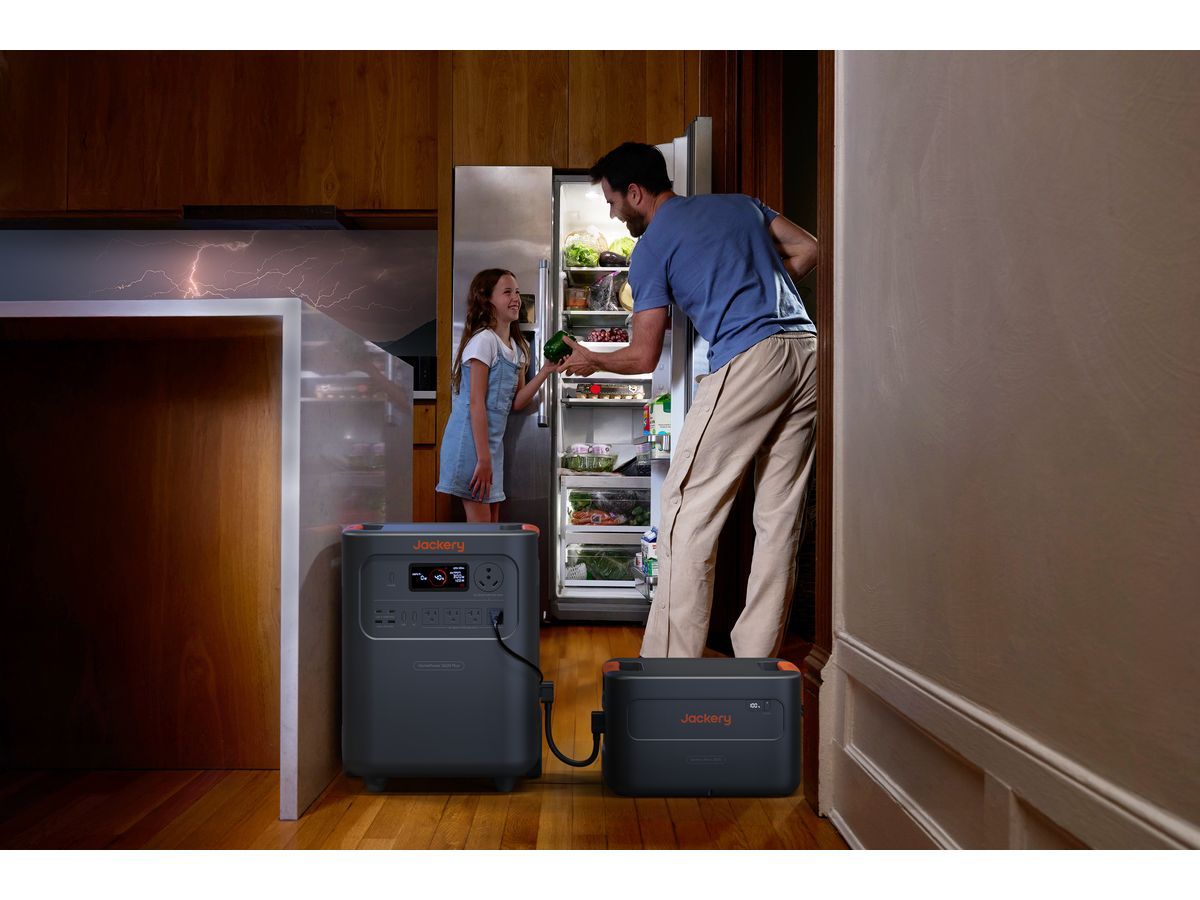
Modern solar generators are designed to integrate seamlessly into everyday household operations during unexpected grid failures. When winter storms knock out neighborhood power lines, these units supply immediate electricity to preserve refrigerated groceries, maintain domestic Wi-Fi connectivity for emergency updates, and keep essential cellular phones and computers operational. To accommodate different home infrastructure needs, select modular configurations are built with the capability to interface directly with residential electrical circuits via manual or automatic transfer switches, effectively powering dedicated home circuits without the necessity of running extension cords across living spaces.
Within this evolving product sector, Jackery has introduced specific models engineered to meet varying tiers of domestic power consumption during severe weather events. For households seeking a portable, manageable backup system that can be deployed by a single individual, the company developed the HomePower 1000 Plus V2. Designed to be light enough to carry comfortably with one hand, this compact model offers a baseline energy storage capacity of 1,024 watt-hours. To adapt to changing household requirements or prolonged outage scenarios, the system is modular and expandable up to 11 kilowatt-hours through the addition of dedicated battery expansion packs.

The HomePower 1000 Plus V2 incorporates advanced uninterruptible power supply switching technology with a transfer speed of under 10 milliseconds. This rapid failover ensures that sensitive electronics, desktop workstations, and critical appliances remain energized without experiencing the reboot cycles or data loss that standard generators often cause during sudden utility cuts. Furthermore, the unit operates at whisper-quiet noise levels below 30 decibels, completely removing the noise, combustion pollution, and physical strain of mechanical recoil cords that historically discouraged many families from deploying backup power during extended winter emergencies.
For homeowners facing heavier energy demands or preparing for multi-day power interruptions, the larger HomePower 3600 Plus offers a comprehensive residential solution. Powered by the same robust battery technology trusted across the modern electric vehicle industry, the unit provides a generous primary capacity of 3,584 watt-hours, with the architecture to expand up to an extensive 21 kilowatt-hours using supplementary battery modules. Despite its robust output and capacity, the system operates as quietly as a quiet library, maintaining acoustic levels below 30 decibels even under load.
With capacity on this scale, households can sustain high-demand domestic appliances during widespread outages, preserving standard daily routines while the external grid remains disabled. Families can operate washing machines to do laundry, prepare hot meals using electric kitchen appliances, and stream entertainment across active Wi-Fi networks without anxiety over fuel exhaustion. By offering scalable power that can expand in lockstep with household needs, these modern clean systems are helping Canadian families safeguard their domestic comfort, personal safety, and everyday peace of mind through the coldest and most unpredictable months of the year.