
Balancing travel and remote work has consistently presented one of the most persistent challenges for modern professionals on the move. For the growing global community of digital nomads, the daily routine often involves a frustrating tug-of-war between exploring a new destination and maintaining professional productivity in a suitable, quiet environment. The search for a reliable workspace rarely proves simple; no one wants to spend valuable hours hunting down a suitable coffee shop, only to find the seating uncomfortable, the atmosphere chaotic, or the Wi-Fi connection entirely inadequate for professional demands.
Historically, working from the road meant hunching over a cramped table in a hostel common room or engaging in frustrating negotiations with short-term rental hosts who insisted their internet service was lightning-fast, only for it to fail when loading a basic email. These friction points have long contributed to the underlying stress of location-independent lifestyles, forcing workers to choose between the social energy of traditional budget accommodations and the quiet isolation of a solitary apartment.
However, as remote work expanded dramatically in the post-pandemic era, a new ecosystem of coliving spaces has emerged to bridge this gap. These hybrid spaces successfully combine the functional infrastructure of a professional coworking office with the communal social atmosphere of a boutique hostel, deliberately omitting the stark dorm-style setups of the past. Designed specifically for digital nomads seeking a reliable home base, these properties allow professionals to execute their daily work obligations while simultaneously forging meaningful connections with fellow travelers—a crucial development, given that remote work can frequently lead to professional and personal isolation.
Among the various platforms facilitating this lifestyle, Outsite has grown into one of the largest and most prominent networks for remote workers, boasting a diverse portfolio of aesthetically designed properties situated in desirable destinations across the globe. Recent stays at these properties, including a firsthand exploration of their Bordeaux location, highlight how these spaces operate on a day-to-day basis and what professionals can realistically expect from the modern coliving experience.
What is Outsite?
Founded in 2015, Outsite established a global network of coliving and coworking spaces tailored specifically for remote workers, location-independent entrepreneurs, and digital professionals seeking functional living arrangements abroad. The enterprise originated from a single residential house in Santa Cruz, California, which was originally conceived to serve individuals who wanted to balance surfing with daily professional responsibilities. Over the subsequent years, the organization expanded significantly, accumulating a base of thousands of active members and managing dozens of distinct properties worldwide.
While any traveler can typically book a standard stay at an Outsite property, the platform operates a dedicated membership tier that unlocks additional perks and more competitive nightly rates. Members have the option to pay an annual fee of $199 or secure a lifetime membership for a one-time payment of $499. The associated benefits include access to exclusive member-only destinations, a complimentary week in newly launched locations, substantial discounts during promotional flash sales, reduced rates for extended stays, invitations to new member mixers, and access to internal job and sublet boards alongside various lifestyle perks.
The user experience is structured for simplicity. Prospective guests browse the digital platform, filter properties by their preferred geographic destination or desired environmental vibe—such as coastal beach settings, vibrant urban centers, or quiet mountain retreats—and secure a private room directly through the system.
How Does Outsite Work?
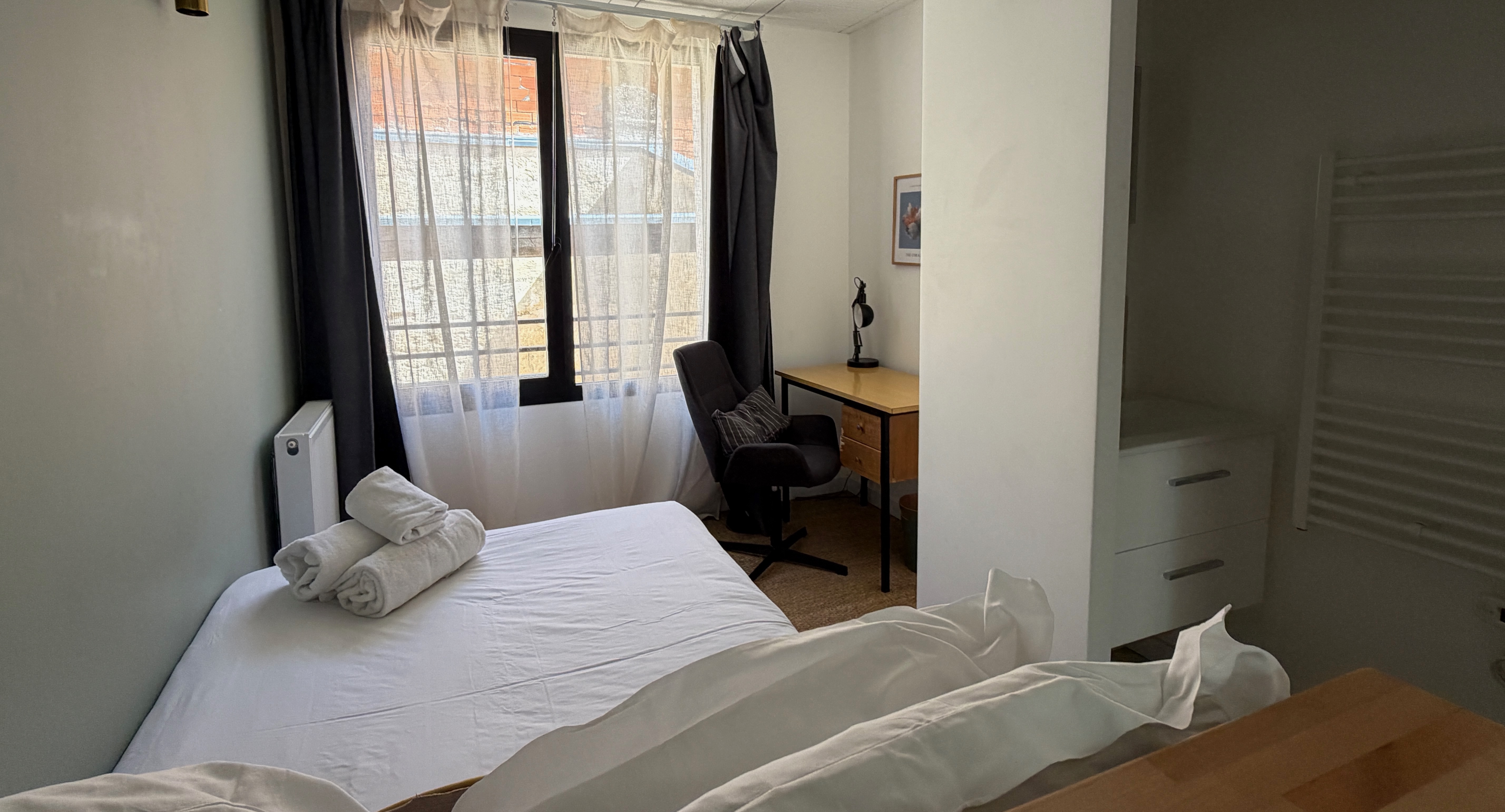
In practice, Outsite functions as a cross between a boutique hotel and a shared professional office. Guests who book a stay reserve a private bedroom, with the majority of rooms featuring dedicated en-suite bathrooms, while a select number of budget-friendly rooms utilize a shared bathroom shared with only one other guest.
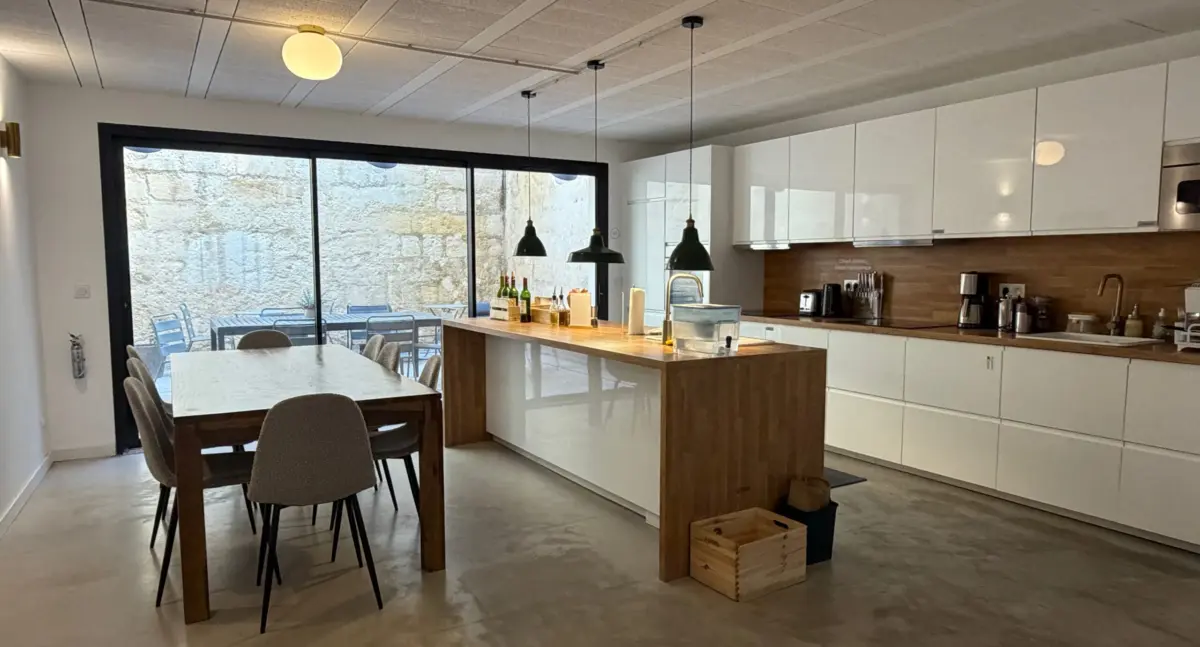
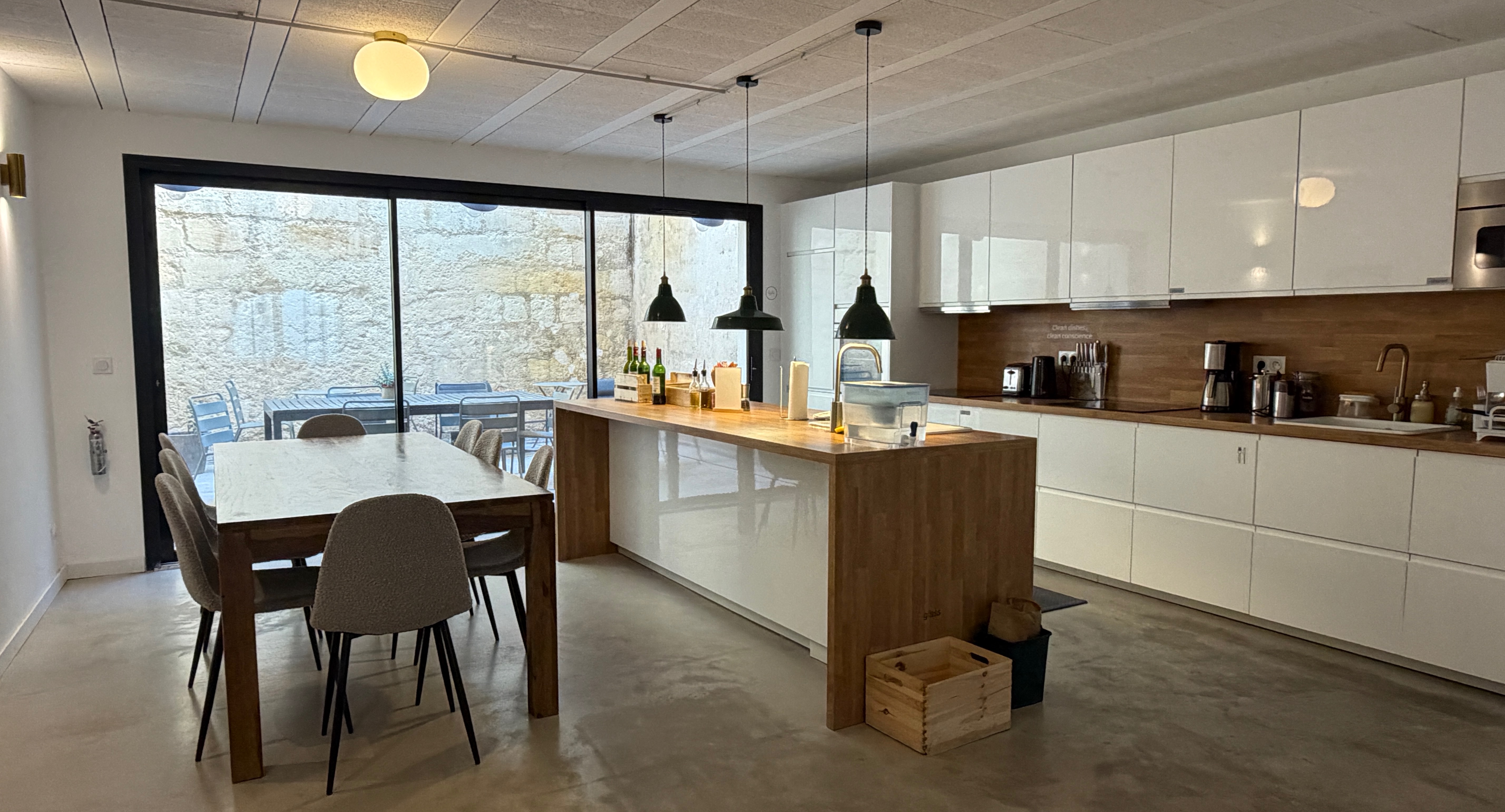
Every location incorporates expansive, professionally decorated communal areas designed to foster interaction and comfort. These shared spaces include fully equipped chef-grade kitchens that far exceed the typical amenities found in standard short-term rental apartments, alongside spacious living rooms, outdoor patios, and frequently rooftop decks or swimming pools, depending on the specific geography of the property.
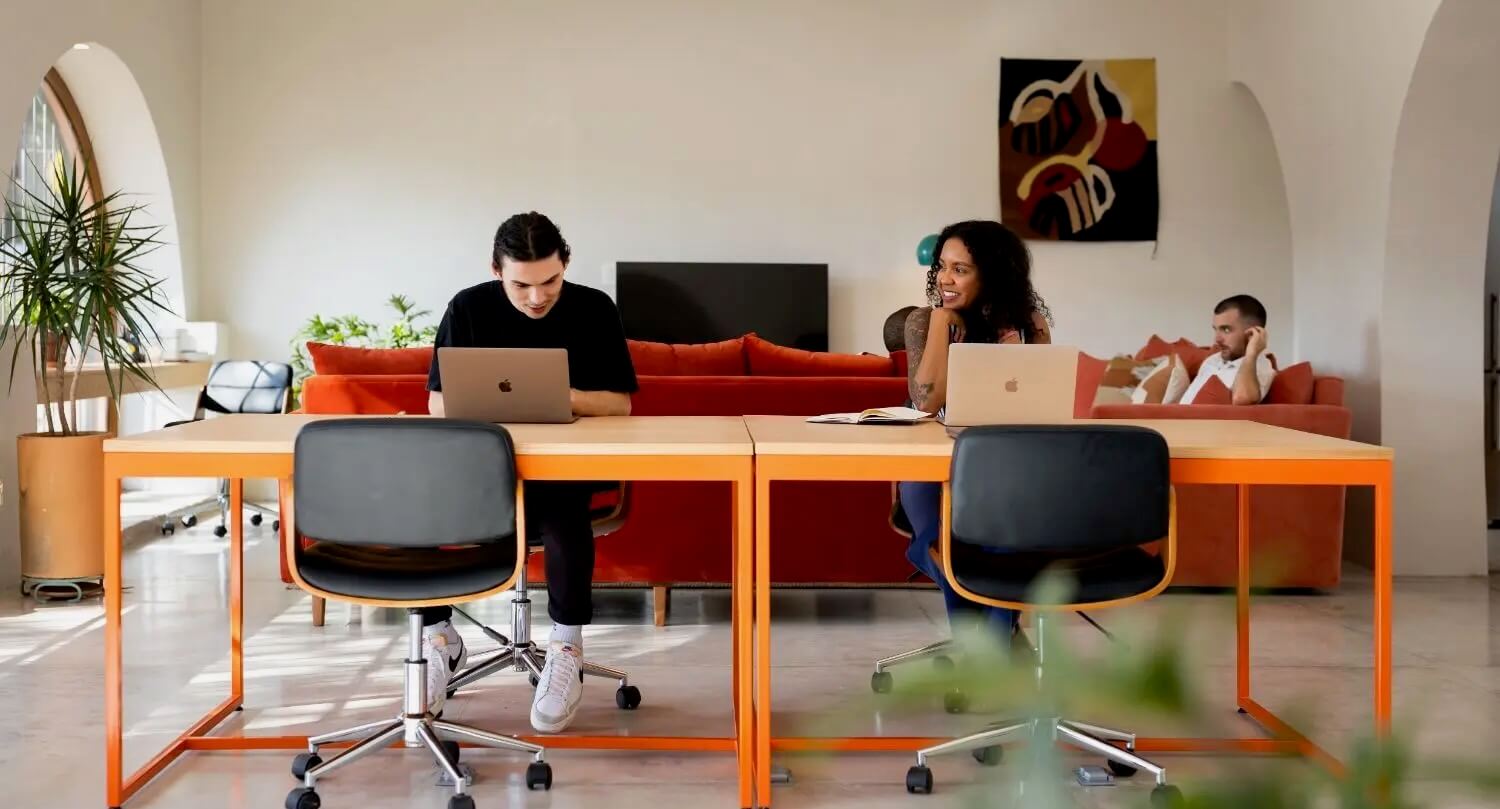
Crucially, every single location integrates a dedicated coworking space directly into the physical footprint of the house. These workspace areas feature ergonomic chairs, ample electrical outlets, secondary monitors for external plug-ins, and enterprise-grade, high-speed internet connections. This layout allows guests to transition from their morning routine to a professional desk environment within minutes.
Beyond the physical infrastructure, the platform places a strong emphasis on community curation. Each property operates under the care of a dedicated Community Manager. Prior to arrival, incoming guests are integrated into a local messaging group, and the management team coordinates regular weekly events, such as family-style dinners, group weekend excursions, Friday evening social outings, and morning wellness activities.
These community managers also serve as localized resources during a stay. At the Bordeaux property, for instance, staff members regularly provide personalized recommendations for dining, navigate logistical questions, and generally assist guests in acclimating to the local environment.
What Makes the Coliving Model Appealing
The primary physical appeal of these properties lies in their design and maintenance standards. The Bordeaux location, for example, features contemporary interior furnishings, optimized workspace ergonomics, on-site laundry facilities, and a compact fitness area. Private rooms offer dedicated workspaces, comfortable bedding, and modern bathrooms equipped with high-pressure fixtures.
Shared culinary spaces benefit from daily professional cleaning services and generous counter space, providing an environment well-suited for independent meal preparation, complemented by complimentary daily coffee and tea service. The interior design philosophy prioritizes natural light, indoor vegetation, and localized artwork, deliberately avoiding the sterile, corporate aesthetic common to traditional business hotels.
However, for many digital nomads, the defining advantage of the coliving model is the mitigation of isolation. Remote work often confines individuals to hotel rooms or public coffee shops where social engagement is minimal. At a dedicated coliving space, residents are surrounded by peers facing similar professional and personal realities. Because guests are actively engaged in employment duties rather than casual vacationing, a shared professional bond develops among residents who typically stay for extended periods, such as two weeks or longer.
Important Considerations for Prospective Guests
Despite the advantages, potential guests must weigh several practical factors before booking. Outsite properties are not positioned as budget-friendly backpacker accommodations; travelers accustomed to ultra-low-cost shared dormitories in developing regions will find coliving significantly more expensive. Guests pay a premium that reflects the inclusion of private rooms, guaranteed workspace infrastructure, and curated community management. Nevertheless, when calculating the combined expenses of a traditional short-term rental apartment alongside a monthly subscription to an external coworking facility, the total cost often aligns closely with coliving rates.
Additionally, popular properties experience high demand and frequently book out months in advance. Securing accommodations in high-traffic destinations during peak seasons requires advanced planning, leaving little room for spontaneous travel arrangements at the most sought-after houses.
Frequently Asked Questions About Outsite
Membership is not a strict prerequisite for booking, as general travelers can reserve stays on a non-member basis. However, for individuals planning extended stays, the annual membership fee is frequently offset quickly by reduced nightly rates.
While no formal upper age limit exists, guests must meet legal adult requirements, with the vast majority of visitors consisting of working professionals in their late twenties, thirties, and forties, resulting in an environment that skews older and more career-oriented than traditional youth hostels.
Minimum stay requirements generally start at two nights for most locations, facilitating weekend or short-term professional trips, though specific urban properties subject to local municipal housing regulations may enforce thirty-day minimums. Pets are typically excluded from these shared environments to maintain communal standards and prevent potential allergy conflicts among residents.
Ultimately, the growth of global coliving networks demonstrates that the digital nomad lifestyle no longer requires constant compromise between career advancement, personal comfort, and social connection. By integrating private residential comfort, professional office productivity, and structured community engagement into a single model, these spaces continue to redefine how location-independent professionals navigate work and travel across the globe.