
For generations, the standard model of travel has remained fundamentally extractive and passive. Travelers board planes, arrive at foreign destinations, and quickly settle into a familiar routine of taking photographs in front of identical, well-worn landmarks. They frequent establishments recommended by mass-market guidebooks, sample local nightlife, and book short excursions designed to offer surface-level insights into a region’s history. Occasionally, fortunate travelers might manage brief interactions with locals, but the overarching reality of modern tourism is that it rarely penetrates beneath the surface.
Even long-term travelers who deliberately distance themselves from the traditional tourist label often replicate the exact same behavioral patterns. The distinction frequently boils down to pace and budget rather than substance. They may travel more slowly and monitor their expenses closely, yet they remain outside the fabric of everyday life in their host countries.
While travelers frequently romanticize the idea of dropping spontaneously into a foreign culture, instantly forging deep friendships with locals, and experiencing a cinematic adventure, this scenario rarely manifests in reality. Because travelers are ultimately just passing through, locals generally have little inclination to invest time in transient relationships. In most societies, routine interactions between permanent residents and temporary visitors are remarkably minimal.
True cultural understanding requires permanence and immersion. Transformative travel experiences are almost universally rooted in contribution and longevity—in staying somewhere long enough to establish genuine connections and becoming an embedded part of a community rather than a fleeting spectator.
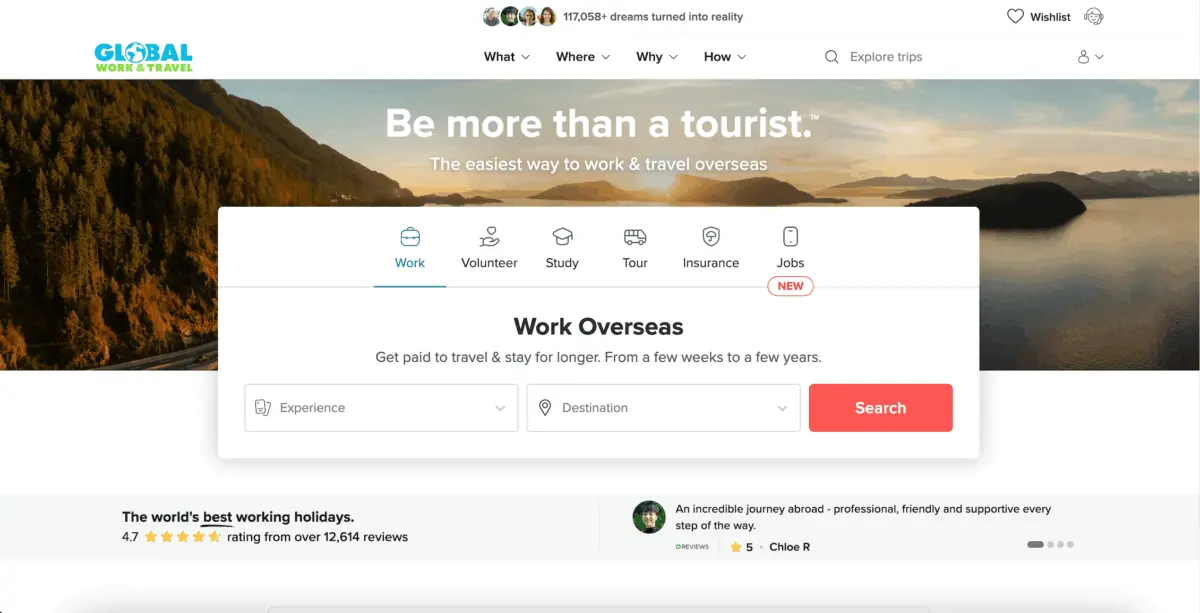
Observers within the travel industry argue that modern travelers should increasingly seek avenues to give back to the destinations they visit. Historically, identifying legitimate, vetted organizations that genuinely improved the daily lives of residents presented a significant logistical challenge. Today, however, a specialized sector of the travel industry has emerged to bridge this gap, connecting individuals with meaningful volunteer placements, international internships, and paid employment opportunities abroad. Among the most prominent entities in this space is Global Work & Travel, a major organization in the gap year and international placement sector.
What Global Work & Travel Does
Global Work & Travel operates as a massive global placement network, facilitating working holidays, volunteer programs, teaching positions, and internships. Over nearly two decades of operation, the organization has coordinated placements for more than 116,000 participants across diverse regions, including the United Kingdom, Europe, the Americas, Asia, Africa, and the Pacific.
Despite the romantic appeal of moving abroad, the logistical hurdles can prove daunting even for seasoned travelers. Securing legal employment independently, navigating competitive local job markets, avoiding perpetual cycles of temporary shared accommodation, and managing unpredictable transportation costs represent substantial barriers. For many prospective long-term travelers, the administrative burden of international relocation serves as a persistent deterrent.
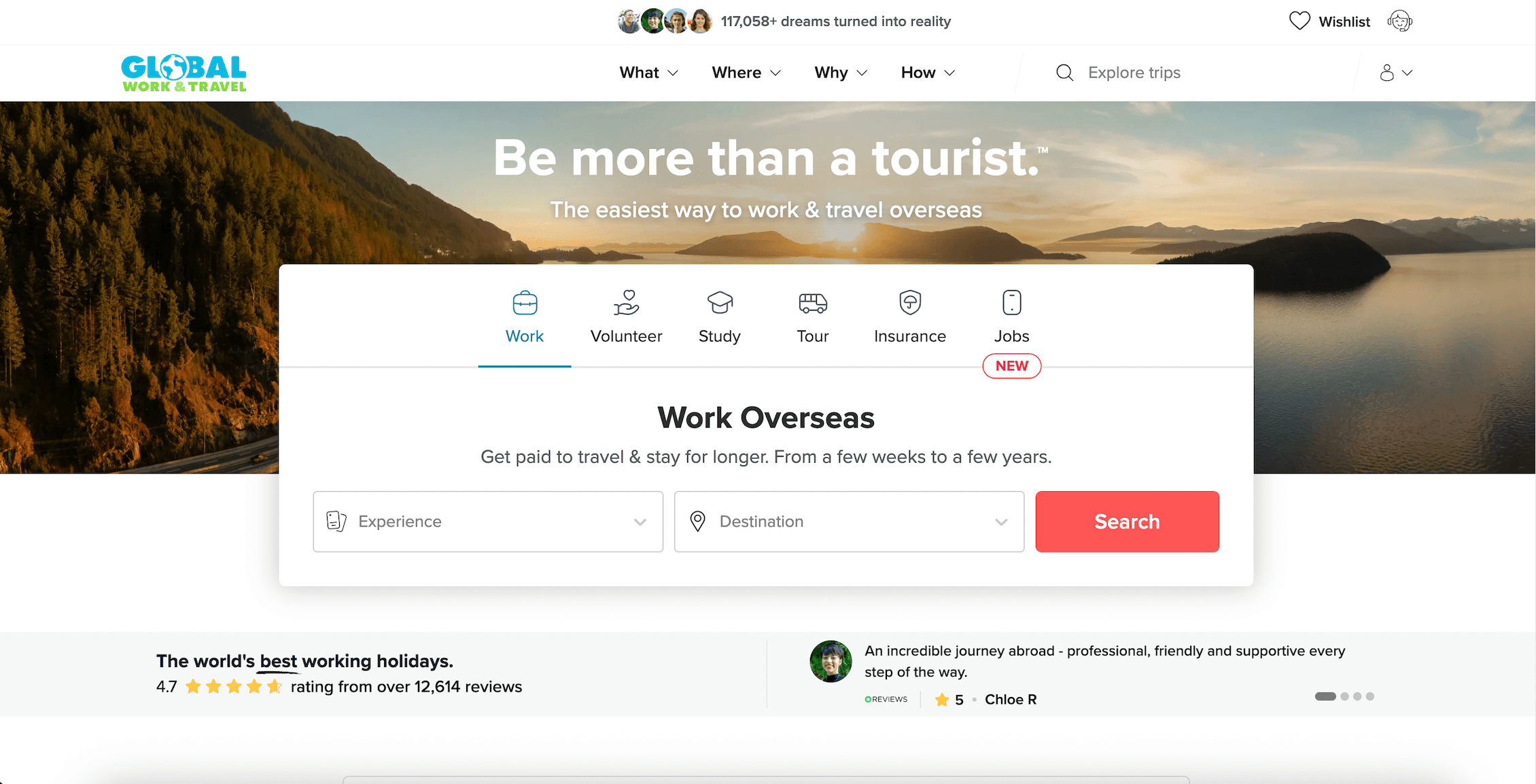
Structured intermediary organizations attempt to mitigate these obstacles by providing a comprehensive safety net designed to make working abroad accessible. Services typically encompass job matching, pre-departure preparation, visa application guidance, and ongoing support managed through centralized platforms such as personal trip management applications. For first-time international travelers, this institutional scaffolding often proves decisive in transforming travel aspirations into concrete itineraries.
Why Working Holiday Makers Are the New Digital Nomads
For the past decade, the concept of the "digital nomad" has represented the pinnacle of aspirational long-term travel. The established blueprint involved working remotely, earning an income in a strong currency, and relocating to regions with a lower cost of living.
However, this lifestyle model remains viable for a relatively narrow demographic. Achieving digital nomadism typically requires maintaining a remote-compatible profession, securing a stable income threshold, and possessing a level of career establishment that younger travelers rarely command.
Working holiday programs offer an alternative framework by inverting this paradigm. Rather than bringing an established remote occupation across international borders, participants secure local employment upon arrival. This approach integrates the traveler directly into the host economy, fostering social connections through workplace environments and local community engagement rather than isolating them within remote coworking spaces or transient hostels.
Proponents of this model suggest that working holiday makers experience a more grounded and accessible version of long-term international living. Participants maintain standard schedules, interact with local colleagues, and possess a tangible reason to extend their stay beyond the typical tourist timeline. This structural continuity allows individuals to build enduring interpersonal connections and develop a nuanced understanding of their host environment.
Furthermore, this pathway requires neither an established online business nor years of professional experience. By removing complex administrative barriers related to employment and legal documentation, structured programs allow participants to transition smoothly from conceptual planning to actual execution.
Why Volunteering Matters
The landscape of international volunteering carries a complex reputation, prompting valid scrutiny from seasoned travelers and industry analysts. Numerous programs historically functioned primarily as profit-driven enterprises, offering superficial volunteer experiences that prioritized emotional gratification for the traveler over measurable community benefit. Consequently, reputable organizations emphasize rigorous vetting processes across sectors such as wildlife conservation, community development, education, and healthcare.
When structured ethically, volunteer initiatives can yield profound impacts. Collaborating directly with local populations to address self-identified community priorities—such as educational support in Zanzibar, wildlife conservation efforts in South Africa, or elephant rehabilitation projects in Thailand—fosters a deeper comprehension of systemic challenges. These engagements expose participants to the genuine needs and socio-economic realities of local ecosystems and populations, shifting their broader global perspective. Additionally, dedicated philanthropic funds often channel supplemental resources directly into long-term conservation and community partner sites to ensure sustained support beyond individual placements.
What Makes Working Holidays Appealing
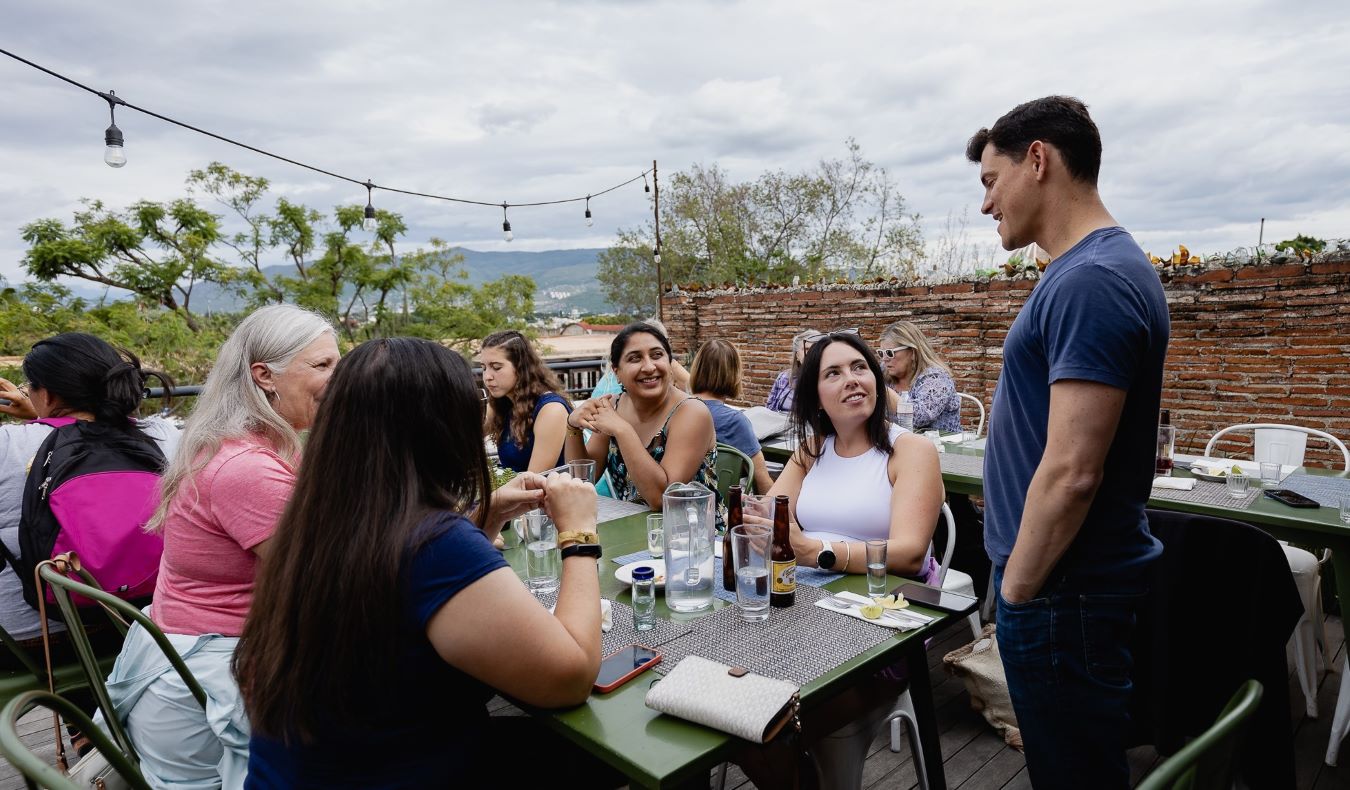
Working holidays transform standard tourism into an immersive lifestyle framework. By living within a destination for extended periods, participants engage directly with daily cultural practices and establish lasting bonds with both local residents and international peers. Securing local employment alleviates financial pressures, enabling travelers to extend their duration abroad significantly without depleting their savings.
Beyond financial sustainability, working abroad enhances professional adaptability, providing international experience that strengthens resumes and broadens career horizons. Ultimately, this level of immersion delivers a depth of cultural comprehension that traditional short-term vacations cannot replicate.
Frequently Asked Questions
Prospective participants frequently inquire about the prerequisites for securing international employment through structured agencies. For the majority of standard placements, applicants require little more than basic prior work experience. Specialized options, such as teaching programs, typically incorporate comprehensive training modules like TEFL certification, while entry-level volunteer projects welcome individuals with no prior background in the field.
Age eligibility varies by program type. Most standard offerings accept participants starting at 18 years of age. While working holiday visas frequently enforce age caps ranging up to 35 depending on the destination country, volunteer and educational placements often accommodate a broader demographic, spanning ages 18 to 80.
Logistical timelines fluctuate according to the chosen destination and specific program requirements. Industry professionals generally advise initiating the planning process six to twelve months in advance to accommodate visa quotas, job matching, and administrative preparations. Financial policies, including flexible deposit structures, are commonly employed by major agencies to protect consumer investments against unforeseen schedule modifications.
Solo travelers frequently utilize these structured frameworks, as organized group placements and dedicated community networks facilitate rapid social integration upon arrival. Ultimately, international programs continue to redefine long-term travel by bridging the gap between fleeting tourism and meaningful global engagement.