
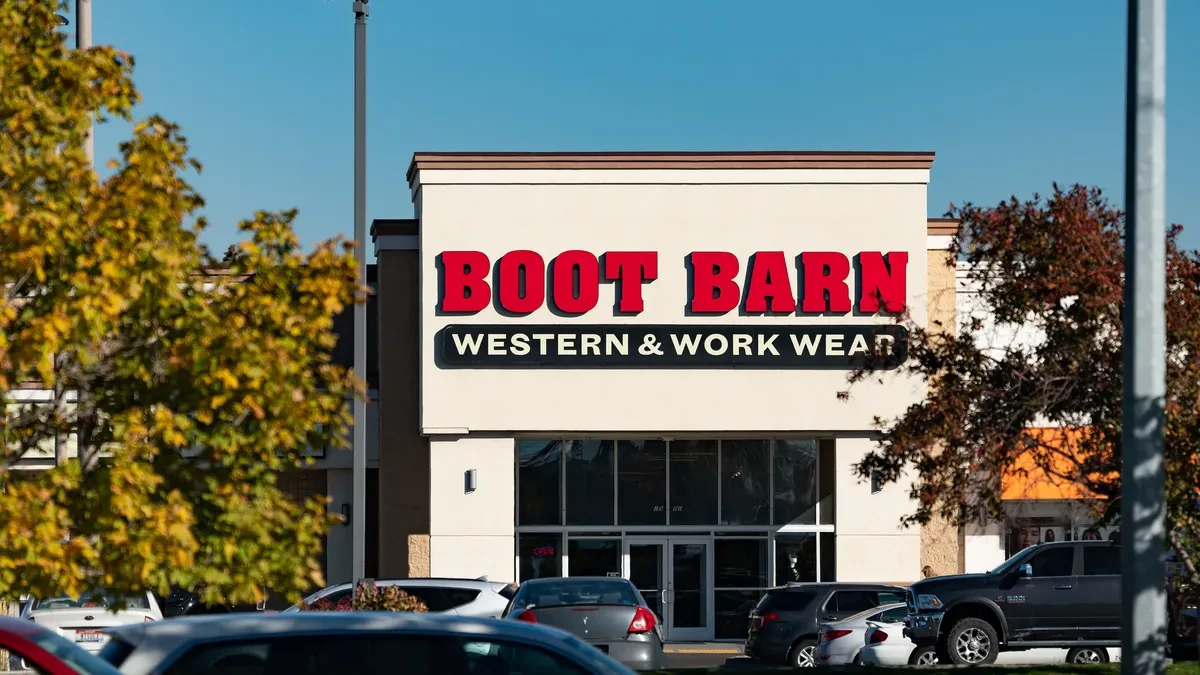
Despite grappling with unseasonably warm autumn weather, softer consumer demand in key product categories, and a lowered financial outlook for the upcoming third quarter, western and workwear retailer Boot Barn remains steadfast in its long-term growth strategy. The company is actively pressing forward with a broad footprint expansion, updating its in-store merchandise layouts, and refreshing key product assortments in an effort to re-energize sales heading into the crucial holiday shopping season.
During a recent earnings call with analysts, Boot Barn leadership addressed the challenges that impacted the company’s financial performance during the second quarter. Unusually warm weather across various regions disrupted typical seasonal shopping patterns, creating a drag on demand for heavier apparel and traditional footwear. Additionally, the retailer experienced softer performance within its core western boots business, impacting both men’s and women’s categories.
Yet, rather than pumping the brakes on its corporate strategy, management is treating these near-term bumps as temporary hurdles. The company continues to lean heavily into its real estate expansion pipeline, identifying significant runway for physical store growth across the United States.

"While recent results demonstrate the opportunity to outperform our projections, we continue to underwrite new locations to approximately $3.2 million in first-year sales, consistent with our historical approach," CEO John Hazen told analysts during Wednesday’s earnings call. "With a long-term opportunity to expand to 1,200 locations nationwide, we remain confident in our ability to sustain new store growth for years to come."
Strategic Merchandising and Category Refreshes
To combat softer traffic and reverse recent trends, Boot Barn has initiated several operational changes within its brick-and-mortar storefronts. Among the most notable tactical adjustments is a strategic shift in how merchandise is displayed on the sales floor.
The retailer has restructured its denim presentations, relocating premium denim lines directly to the front of the store to capture immediate shopper interest upon entry. Meanwhile, more value-focused denim offerings have been shifted toward the back of the retail floor. Leadership hopes this visual and spatial reorganization will better guide consumer browsing habits and highlight higher-margin, premium goods during a time when discretionary spending patterns remain fluid.

At the same time, the company is taking a close look at its product inventory, particularly within segments that underperformed during the latest reporting period. The western boot category, a foundational pillar of Boot Barn’s brand identity, faced headwinds in both the men’s and women’s divisions during the quarter. In response, merchandising teams are actively refreshing the assortment of women’s boots, introducing a broader, more diversified selection of styles, finishes, and colors just ahead of the peak holiday gifting period.
Management believes that injecting fresh inventory into the supply chain will reignite consumer enthusiasm and encourage higher conversion rates inside stores as shoppers begin their holiday purchases.
Cautious Outlook for the Third Quarter
While long-term expansion plans remain aggressive, Boot Barn’s financial guidance for the immediate future reflects a more cautious stance. The retailer’s outlook for the third quarter came in somewhat below initial Wall Street expectations, signaling that management anticipates a gradual recovery rather than an immediate rebound.

Boot Barn currently anticipates third-quarter sales growth to land between 11% and 14%. However, the company also projects that same-store sales could experience a potential decline of up to 1%, reflecting the lingering effects of recent sluggishness and the time required for new merchandising initiatives to take full effect across the entire store network.
Financial analysts monitoring the retail sector have noted that while the near-term environment remains challenging, foundational elements of the business continue to show resilience. Market observers point to disciplined cost controls, active share buyback programs, and steady performance from newly opened storefronts as positive offsets to the softer comparable-store metrics.
"We don’t anticipate much improvement until December as initiatives take time to scale, but we need to see comps inflect exiting the third quarter to maintain confidence in Rowan’s historical durability," noted analysts from TD Cowen in a research note published Wednesday. "Meanwhile, we remain constructive on new store ramps, cost control, and buybacks."
As Boot Barn navigates the transitional period between the unseasonably warm weather of the second quarter and the high-stakes holiday shopping window, the company’s dual focus on operational refinement and national footprint expansion will remain the primary engine driving its corporate strategy forward.