
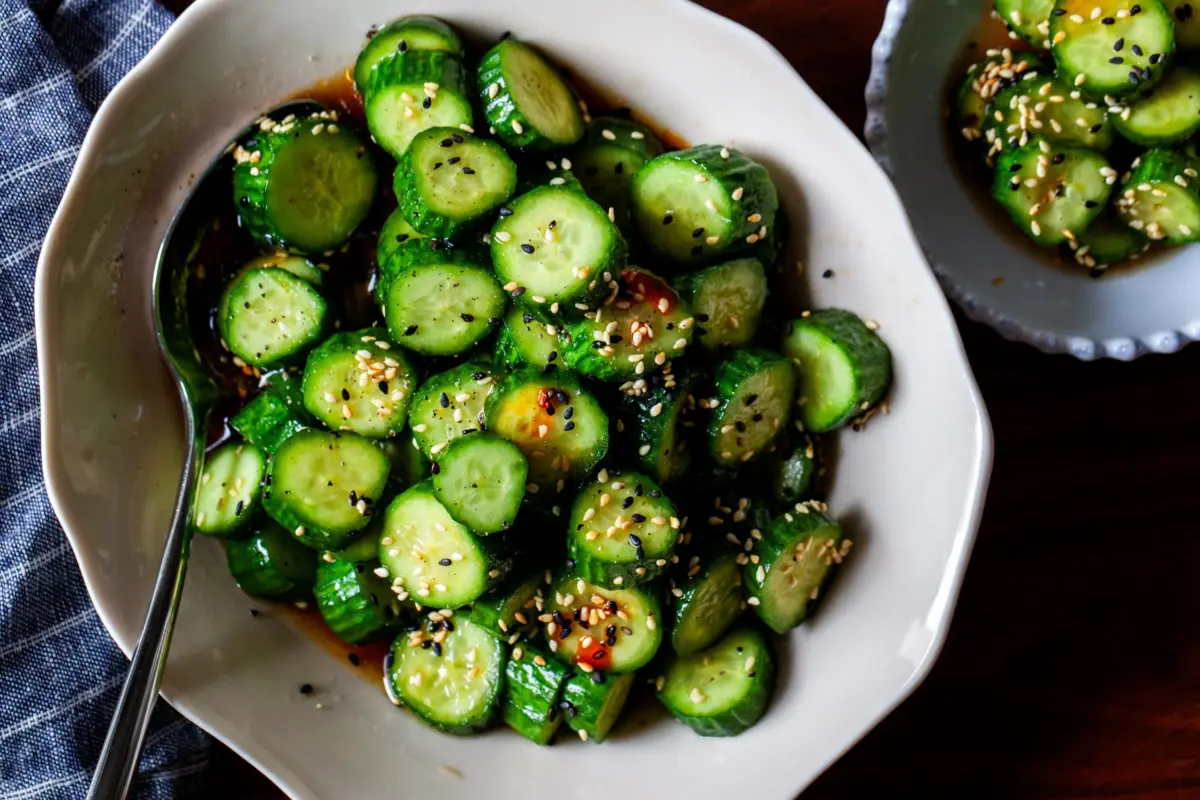
For nearly two decades of publishing recipes online, a glaring omission has quietly persisted in the digital archives of popular food writer and home cook Deb Perelman. Despite featuring prominently on dinner tables for at least half the week and serving as a continuous all-day snack, cucumbers have rarely taken center stage in the featured recipe collection.
It is an oversight that feels particularly urgent during the height of summer, as households across regions slog through endless, sweltering heat waves. Crunchy, cold, intensely hydrating, and remarkably inexpensive, cucumbers possess an inherent culinary versatility that allows them to adapt seamlessly to virtually any flavor profile or regional ingredient palette. Yet, the lack of representation in the archives largely comes down to how the vegetable is treated in everyday cooking. Little about assembling a casual cucumber salad demands the kind of obsessive, meticulous recipe fine-tuning that defines many other kitchen projects; it is a dish usually thrown together on the fly out of sheer necessity and craving.

Breaking from that casual routine for the sake of her audience, Perelman has finally formalized the steps for the cucumber salad she makes most often on busy weeknights. Etymologically and historically, the dish draws its closest inspiration from sunomono, a traditional Japanese culinary style whose name translates directly to "vinegared things." While cucumbers are the most frequently utilized base, the term broadly encompasses any raw vegetable or seafood marinated in a sweet and tangy rice vinegar dressing.
In this adapted weeknight version, traditional elements are streamlined for modern kitchen efficiency. The sugar is skipped entirely, the cucumbers are chopped into noticeably chunkier pieces than what is typically found in commercial preparations, and the standard salting process is drastically expedited. Instead of waiting hours, the salting is executed in whatever brief window of time is available while tending to other kitchen tasks, even if it amounts to just ten minutes. This crucial step draws excess moisture out of the cellular structure of the cucumbers, creating a moisture deficit that subsequently allows them to absorb the vibrant flavors of the surrounding dressing far more effectively.

Within a domestic setting, this refreshing dish functions as an indispensable companion to rich, heavy, or savory meals. It serves as a reliable staple alongside weeknight stir-fries, simple noodle dishes, and nights dedicated to potstickers—whether store-bought frozen varieties or labor-intensive homemade batches that rope the entire family into folding dough. The salad is so popular in the household that the recipe typically must be doubled to prevent the most unpredictable family member from consuming the entire bowl before anyone else has a chance to sit down at the dinner table. Such culinary devotion even extends beyond the home, with portions occasionally packed up and delivered to sleepaway camp visiting days alongside homemade dot cakes and other contraband sweets.
Beyond the kitchen counter, the arrival of the summer season also marks the return of a major annual community initiative: the Classroom Wishlist Project. Designed to bridge the resource gap for educators attempting to set their classrooms up for success, the project has officially kicked off its latest annual drive to help teachers secure necessary supplies.

For those looking to participate but unsure where to begin, organizers suggest a few accessible pathways for contribution. Supporters can choose to pick a school directly within their local community, select an institution in the neighborhood where they grew up, or search through detailed project descriptions to find classrooms focusing on subjects or themes that hold personal significance. Contributions of any size are encouraged, rooted in the idea that no purchase is too small to brighten a teacher’s and their students’ day. Whether buying foundational items like crayons, pencils, or specialized books that foster literacy and academic growth, the effort aims to provide tangible support to educators while fostering a sense of community engagement.
Back in the kitchen, preparing the dish remains a straightforward affair requiring minimal equipment. Cucumbers are combined with salt in a mixing bowl and set aside for anywhere from ten to fifteen minutes, extending up to an hour or two depending on schedule constraints, before being transferred to the refrigerator to ensure they remain thoroughly chilled and refreshing.

Once the initial resting period is complete, any accumulated liquid is drained from the bowl. Rice vinegar, sesame oil, soy sauce, black pepper, and additional salt to taste are whisked directly into the cucumbers and stirred to ensure even distribution. The dish is given its final character with a generous drizzle of chili oil and a flurry of toasted sesame seeds.
Leftovers prove remarkably resilient, keeping in the refrigerator for two to three days. Over time, the ingredients meld together, transforming the fresh vegetable into a gently pickled side dish that tastes just as vibrant on the second day as it did on the first.