
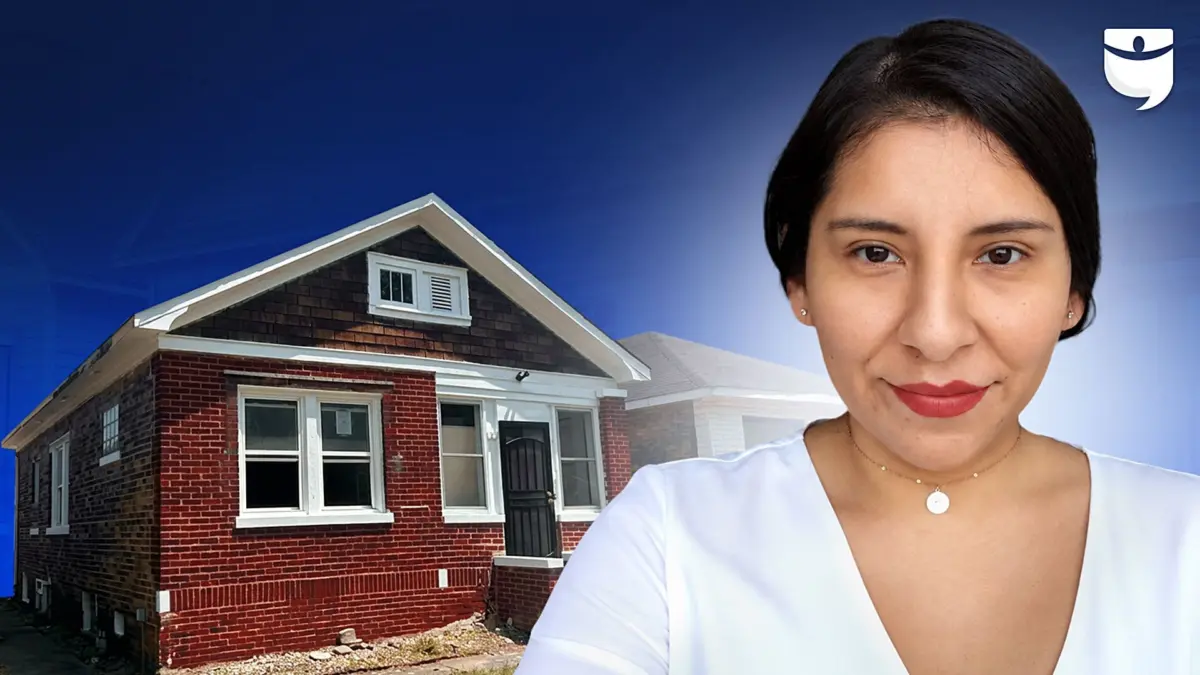
When Lindsay Barrientos decided to enter the real estate market in late 2022, conventional wisdom suggested she was making a mistake. She was not buying during the post-2008 recovery, nor was she surfing the wave of historic low-interest rates seen in 2021. Instead, she jumped into the market just as home prices and mortgage interest rates had sharply spiked. Living in Los Angeles, California—one of the most expensive housing markets in the nation—she faced an intimidating barrier to entry where a standard 20% down payment on a million-dollar home would require a staggering $200,000 upfront.
Rather than letting high prices and climbing rates keep her on the sidelines, Barrientos trusted the long-term fundamentals of real estate investing. By taking deliberate, consistent action and looking beyond her immediate geographic surroundings, she constructed a portfolio of 12 properties in just four years. That portfolio ultimately gave her the financial flexibility to leave a grueling W-2 career, return to school, and launch her own psychiatric nurse practitioner business.
Barrientos recently appeared on the BiggerPockets Podcast, hosted by Henry Washington and Dave Meyer, to share the exact strategy that allowed her to scale a multi-property portfolio from 2,000 miles away without a massive initial bank account or perfect market timing.
The Turning Point in Los Angeles
For over a decade, Barrientos worked as a registered nurse in Los Angeles. Initially content with her career, the landscape shifted dramatically in 2020 with the onset of the COVID-19 pandemic. Working on the front lines, she faced intense trauma, heavy workloads, patient deaths, and the emotional toll that drove many medical professionals out of the healthcare workforce altogether.
By the time she reached her thirties, Barrientos experienced a profound burnout. Dealing with extreme stress and depression, she recognized that she did not want to remain in a traditional hospital nursing role for the rest of her life. Searching for a path toward financial independence, she turned to the internet to research how high-income individuals generate wealth. The standard advice pointed toward starting a business or investing in real estate.
In a sense, Barrientos was already practicing real estate without realizing it. Living alone in a four-bedroom single-family home in Los Angeles, she had previously rented out rooms to traveling nurses, significantly offsetting her monthly mortgage payments. However, when she explored purchasing a second property locally, the reality of California housing prices quickly halted conventional plans. Needing an alternative, she began researching markets across the United States where her capital could stretch much further.
Finding Value and Community Out of State
Recognizing that she needed a landlord-friendly market with strong cash-on-cash returns, Barrientos began utilizing real estate podcasts, blogs, and educational books—including early works by Brandon Turner and resources from BiggerPockets.
Because she planned to maintain ties to the Chicago area where she occasionally considered working as a traveling nurse, she began evaluating real estate opportunities within driving distance. This search led her to Northwestern Indiana, specifically Hammond, which is located roughly 30 minutes south of Chicago.
Rather than navigating an unfamiliar out-of-state market completely alone, Barrientos sought out smaller real estate content creators, social media communities, and local networks. By engaging with transparent investors on platforms like Instagram, YouTube, and specialized group chats, she connected with vetted professionals, including realtors, property managers, and active local investors. This community approach provided her with hyper-local data regarding favorable zip codes, emerging commercial developments, and operational logistics.
Executing the First Deals and Overcoming Obstacles
In late 2022, Barrientos closed on her first investment property: a three-bedroom, two-bathroom single-family home in Hammond, Indiana. Purchasing the turnkey property with a conventional loan and a 25% down payment, she secured a tenant immediately at $1,400 per month. Even with an interest rate of just over six percent, the rental income comfortably covered her debt service and property management fees, netting positive cash flow.
Rather than aggressively expanding immediately, Barrientos treated the property as a proof of concept, letting it run smoothly for a full year while she pocketed the income and saved capital. By the end of the first year, she had accumulated $16,000 in savings and gained the confidence to venture into Gary, Indiana, a nearby market known for high potential cash flow despite carrying a rougher reputation.
In Gary, she purchased a smaller 800-square-foot single-family home for $55,000 that required minor renovations, including a new roof and flooring. After investing roughly $16,000 into repairs, she rented the property to a Section 8 voucher holder for $1,100 per month, yielding strong returns relative to her total invested capital.
Encouraged by her progress, Barrientos attempted a BRRRR (Buy, Rehab, Rent, Refinance, Repeat) strategy on her third property. She purchased a home for $33,000, invested another $30,000 into renovations, and prepared for a refinance appraisal. However, just days before the appraisal, a faulty kitchen light fixture caused a small fire while the home was vacant. Although the fire itself was minor, the extensive water pressure from the fire department’s hoses caused significant additional damage, requiring a second round of rehabilitation.
Despite the initial shock and frustration, Barrientos worked closely with her lender and property manager to complete the repairs, injecting an additional $11,000 into the project. When the updated appraisal returned at $160,000, she realized her initial after-repair value estimates had been far too conservative. The successful refinance allowed her to recoup her capital from both rounds of renovations, using funds originally leveraged through a home equity line of credit (HELOC) on her primary Los Angeles residence.
Scaling Through Creative Finance
With her operational framework established, Barrientos continued to scale her portfolio to 12 properties over a four-year period. In later transactions, she expanded her strategies to include creative seller financing.
Collaborating with her real estate agent, Barrientos began submitting dual offers on properties—presenting a lower cash offer alongside a more attractive seller-financing proposal featuring favorable terms and structured payouts for sellers who had previously invested in real estate themselves. By appealing directly to the motivations of sellers in a slow-moving market, she successfully acquired five of her properties through creative financing structures.
Alongside her out-of-state portfolio growth, Barrientos also maximized her primary residence in Los Angeles by building an accessory dwelling unit (ADU), which she operates as a mid-term rental, while beginning the permitting process for a second ADU.
Achieving Independence
With her real estate portfolio generating consistent income and her education successfully completed, Barrientos achieved her ultimate professional goal. After working for three years as a nurse practitioner following her return to school, she finally left her traditional hospital W-2 position to launch her own psychiatric nurse practitioner practice.
Barrientos continues to co-host a podcast and manage an online community aimed at encouraging women and people of color to explore real estate investing. Her journey from navigating burnout in Los Angeles hospitals during the pandemic to building a 12-property portfolio underscores how strategic planning, consistency, and a willingness to look beyond local market constraints can open new doors even in challenging economic environments.