
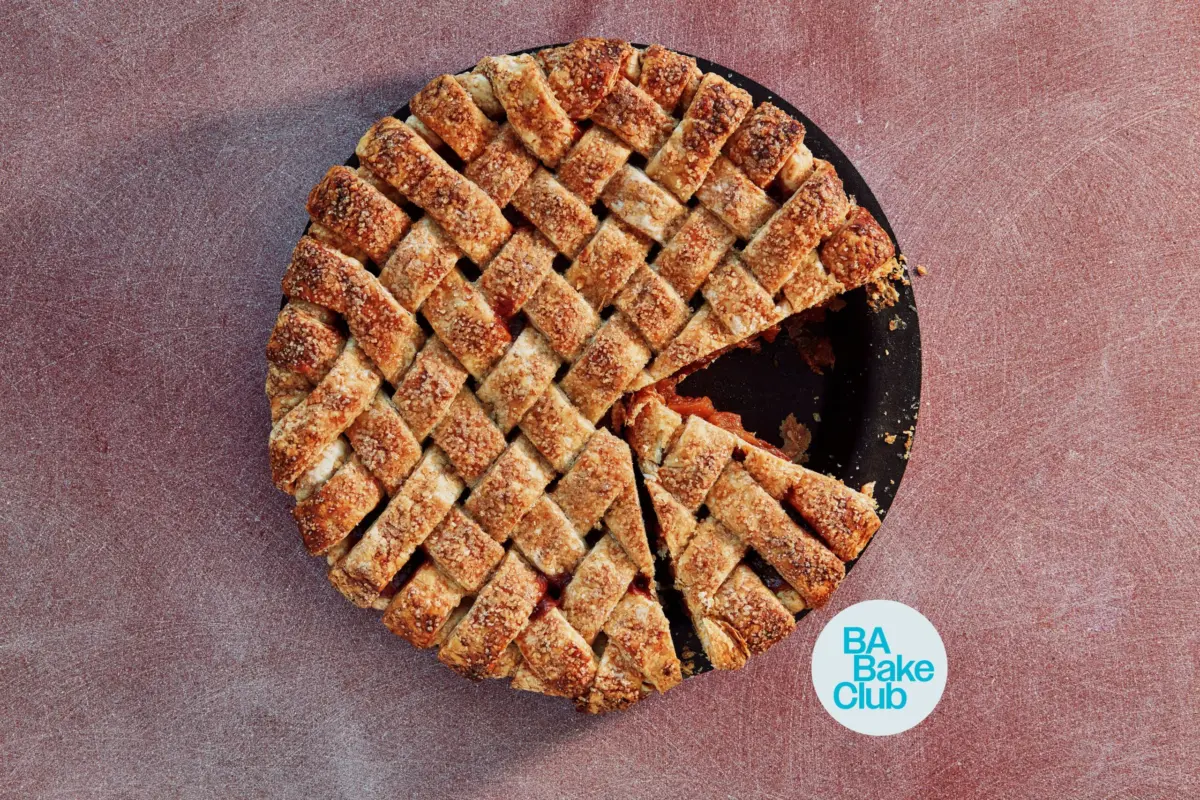
The arrival of autumn invariably ushers in a deep-seated culinary appreciation for traditional orchard harvests, with apples taking center stage in kitchens across the country. Elevating the quintessential American dessert requires a sophisticated intersection of meticulous technique, precise flour-to-butter ratios, and an elevated flavor profile that moves far beyond basic sweetness. Culinary experts have long debated the optimal methods for constructing a crust that balances flakiness with structural integrity, while simultaneously taming the natural moisture of fresh fruit to prevent a soggy bottom. This comprehensive approach to autumn baking focuses on a meticulously engineered bourbon-caramel apple pie, utilizing honeycrisp apples, rich cream cheese, and a deliberate two-stage baking process that ensures both textural perfection and deep, complex flavor development.
Mastering the Foundation: The Cream Cheese and Butter Crust
Achieving a truly exceptional pie crust begins long before the fruit is sliced, resting entirely on the scientific management of fats, hydration, and gluten development. The foundational dough relies on a careful combination of all-purpose flour, kosher salt, and a touch of baking powder, which provides a minute lift to the otherwise dense layers of fat. The introduction of chilled cream cheese, cut into precise one-inch pieces and thoroughly rubbed into the dry ingredients until the mixture assumes a shaggy texture, acts as a secret weapon for tenderness. Cream cheese introduces a lower water content than butter while offering extra fat and mild acidity, which inhibits gluten formation and yields an exceptionally tender, rich pastry.
Following the integration of the cream cheese, chilled unsalted butter—sliced into half-inch thicknesses—is tossed into the flour mixture and systematically flattened by hand into chickpea-sized shards. Maintaining the cold temperature of these fats is paramount, as steam released from melting butter pockets during the baking process is what ultimately creates the coveted flaky layers. A measured amount of ice water is then introduced into a central well, gently incorporated using a fork or hands to distribute moisture evenly without overworking the gluten network.
The subsequent rolling and folding process mimics the lamination techniques used in puff pastry, ensuring an even distribution of butter and creating countless microscopic layers. After being turned out onto a surface lightly dusted with rice flour or all-purpose flour, the dough is rolled into a rectangle, folded in half, rotated ninety degrees, and folded once more. This structural reinforcement is repeated before the dough is divided into two distinct portions, patted into half-inch disks, and wrapped tightly in plastic wrap. To allow the gluten to fully relax and the fats to resolidify, the disks require a mandatory chilling period of at least two hours, though a twelve-hour rest yields optimal results. For those planning ahead, the dough demonstrates remarkable versatility, freezing successfully for up to one month when wrapped in double layers of plastic and thawed overnight in the refrigerator prior to use.
Crafting the Filling: Bourbon, Caramel, and Honeycrisp Apples
While the pastry rests, the filling demands equal attention to detail, transforming simple pantry staples and orchard fruit into a deeply aromatic, rich compote. The process begins with granulated sugar and water combined in a heavy-bottomed Dutch oven, brought to a boil over medium heat without stirring to encourage smooth dissolution. Once the sugar dissolves over the initial minutes, the pot is uncovered and monitored closely as the syrup undergoes caramelization, turning a deep golden brown over a span of slightly more than ten minutes with occasional swirling to ensure even color.
Into this bubbling, molten caramel goes an array of carefully measured ingredients designed to balance the sweetness and introduce bright, aromatic notes. Lemon zest, fresh apple cider notes, and ground cinnamon join three pounds of peeled, cored, quartered, and thinly sliced crosswise Honeycrisp apples, alongside unsalted butter, kosher salt, and a half-cup of bourbon. The introduction of cold liquids and fruit to hot caramel naturally causes the mixture to seize temporarily, but continued cooking over medium heat quickly dissolves the hardened sugar as the apples release their natural juices. This simmering phase allows the apples to soften while retaining their structural integrity, resulting in translucent, tender slices that will not turn to mush inside the pie.
To bind the abundant fruit juices into a cohesive, glossy sauce, a slurry of heavy cream, cornstarch, and cool water is whisked together and poured into the bubbling apple mixture. Boiling the combination while stirring frequently activates the cornstarch, thickening the liquid into a rich glaze within five minutes. The completed filling is then transferred to a large bowl, allowed to cool, and thoroughly chilled for at least forty-five minutes to set the starches and prevent the hot filling from melting the delicate butter in the pie crust during assembly.
Assembly, Lamination, and the Two-Stage Bake
Bringing the components together requires precision, timing, and a delicate touch to ensure the pastry remains cold and pliable. The bottom dough disk, having rested at room temperature for a brief five minutes to prevent cracking, is rolled out on a lightly dusted surface into a twelve-inch round roughly a quarter-inch thick. After brushing away excess flour, the pastry is draped over a rolling pin, transferred to a standard nine-inch iron pie dish, and gently eased into the corners before being trimmed to leave a one-inch overhang and chilled for fifteen minutes.
The remaining dough disk is rolled into a larger rectangle, transferred to a parchment-lined baking sheet, brushed lightly with cold water, and blanketed in an even layer of granulated sugar before an additional fifteen-minute chill. Preheating the oven to 375 degrees sets the stage for the final construction. The chilled apple filling is smoothed evenly into the prepared bottom crust. Using a ruler, the sugared dough rectangle is sliced into uniform one-inch strips, which are then woven over and under one another to form a classic, secure lattice crust that allows steam to escape while showcasing the rich filling beneath.
The edges of the top and bottom crusts are firmly pressed together, trimmed, folded upward, and crimped with lightly floured fingers to create a secure, decorative seal. To manage potential bubbling over, the pie dish is placed atop a rimmed baking sheet before entering the oven. The initial baking phase at 375 degrees sets the crust and initiates the browning process for nearly an hour. Afterward, the oven temperature is reduced to 350 degrees to allow the deep golden crust to finish baking and the filling to bubble vigorously through the lattice without burning, requiring an additional forty to fifty minutes.
Following its removal from the oven, the pie demands patience, requiring a minimum cooling period of four hours on a wire rack to allow the starches to fully set and the complex flavors of bourbon, caramel, and spiced apple to harmonize. For maximum convenience, the rich filling can be prepared up to two days in advance and kept chilled, while the fully assembled and baked pie can be held at room temperature, loosely covered, for up to one day before serving.