
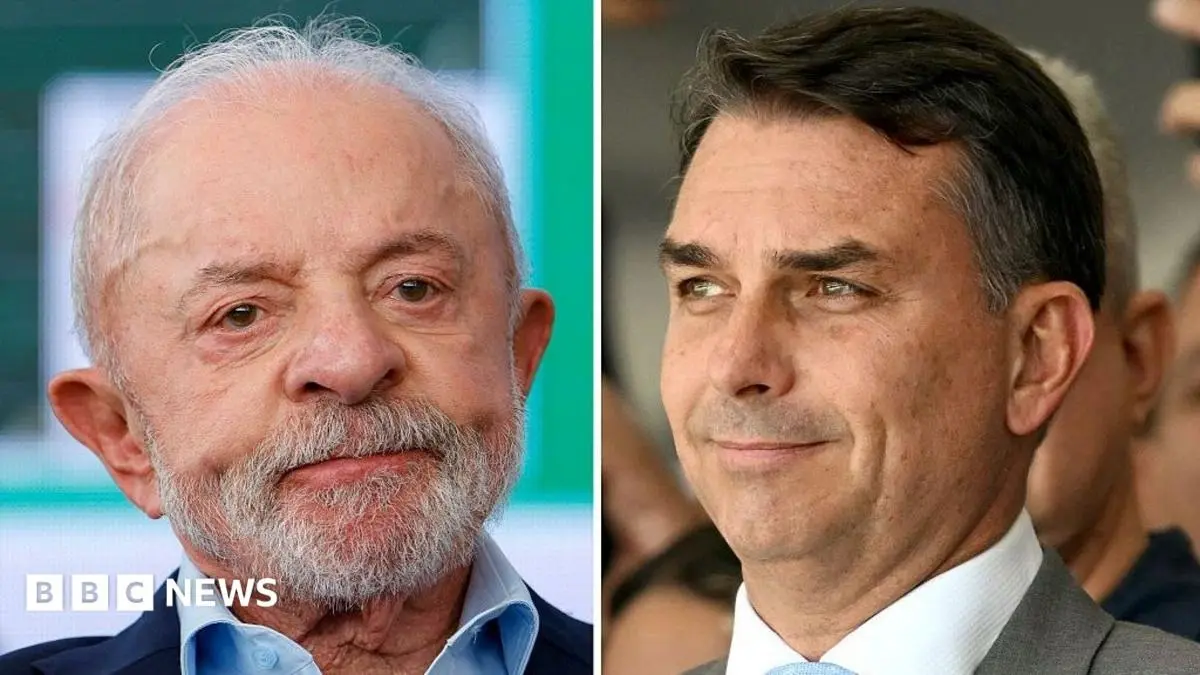
As South America’s largest democracy prepares for its upcoming presidential election, the political landscape in Brazil is rapidly heating up, setting the stage for an intense contest between competing political visions and global alignments. Incumbent President Luiz Inácio Lula da Silva is preparing to defend his mandate against a formidable challenger from the right, Senator Flávio Bolsonaro. The candidate is the son of former President Jair Bolsonaro and a prominent political figure in his own right who maintains close ties with former United States President Donald Trump and the broader American conservative movement.
The contest between Lula and Flávio Bolsonaro represents far more than a simple domestic leadership transition; it has emerged as a high-stakes geopolitical battleground that highlights deep ideological fractures across the Western Hemisphere. The election campaign has brought critical international issues to the forefront of national discourse, raising urgent questions about the extent of United States influence in South American politics, the potential imposition of economic trade tariffs, the growing threat posed by transnational organized crime, and the fundamental preservation of Brazil’s national sovereignty.
At the center of the debate is the contrasting foreign policy visions of the two leading political factions. President Lula, a veteran figure of the Latin American left who returned to the presidency after previous terms in office during the 2000s, has placed national autonomy and global multipolarity at the core of his administration’s platform. Throughout his current term, Lula has actively sought to balance Brazil’s relationships with major global powers, championing South American integration and strengthening ties within multilateral organizations while emphasizing that Brazil’s domestic affairs must remain entirely free from external coercion.
In sharp contrast, the political movement led by the Bolsonaro family has long advocated for a strong alignment with Western conservative political elements, particularly those within the United States. Flávio Bolsonaro has built upon his father’s legacy by cultivating explicit support among conservative leaders in Washington and across the broader political landscape in North America. This alliance reflects a strategic effort by Brazil’s right wing to position itself as the primary partner for Washington in Latin America, promoting conservative social values, free-market economic policies, and aggressive security measures.
This explicit political kinship with American conservatives has drawn sharp criticism from the ruling administration in Brasília. President Lula da Silva has publicly accused the Bolsonaro camp of actively encouraging foreign interference in Brazil’s domestic democratic processes. According to Lula and his supporters, the opposition’s close coordination with right-wing political figures in the United States represents a calculated attempt to leverage foreign political power to influence internal electoral outcomes. Lula’s allies contend that inviting outside entities to weigh in on Brazilian politics undermines the integrity of the country’s sovereign institutions and sets a dangerous precedent for future democratic governance.
The dynamic has been further complicated by indications that Washington has backed closer ties with Brazil’s right wing. Political analysts point out that influential sectors within the American foreign policy and political establishment view the Brazilian right as an indispensable counterweight to left-leaning governments in South America. For key political actors in the United States, including allies of Donald Trump, building strong ties with figures like Flávio Bolsonaro is seen as crucial for advancing shared economic, strategic, and ideological interests across the region.
However, this perceived backing from Washington has fueled intense domestic debate regarding Brazil’s diplomatic independence. For Lula’s supporters, the prospect of an administration in Brasília heavily influenced by American foreign policy interests represents a threat to national sovereignty. The concept of sovereignty has become a key campaign theme for the incumbent president, who argues that Brazil must maintain an independent global posture that puts national interests first, rather than aligning strictly with the geopolitical agenda of any foreign power.
Beyond the philosophical debates over diplomacy and foreign meddling, the election carries major practical implications for the Brazilian economy, particularly regarding international trade and commercial policy. The issue of trade tariffs has emerged as a major point of concern for business leaders, agricultural exporters, and policymakers across the country. Brazil’s economy is heavily dependent on trade, with raw commodities, agricultural products, and manufactured goods flowing to major global markets, including both the United States and key trade partners in Asia and Europe.
Voters and economic analysts are closely monitoring how the candidates intend to navigate international trade policy amidst growing global protectionism. A right-wing administration led by Flávio Bolsonaro, aligned with American conservative policies, could potentially seek bilateral trade arrangements that prioritize closer economic integration with North America. However, such an approach also risks exposing domestic industries to shift in American trade policy, including the threat of sudden tariffs or commercial restrictions. Conversely, Lula’s administration has consistently championed trade diversification and regional cooperation, seeking to protect domestic industries while expanding export markets across the Global South.
In addition to trade and international relations, public safety and the fight against organized crime have risen to the very top of the domestic agenda for Brazilian voters. Transnational criminal syndicates, drug trafficking networks, and urban violence continue to present severe challenges to governance and daily life across Brazil’s major metropolitan centers and rural border regions alike. The issue of organized crime is closely tied to national security and regional stability, making it a key battleground for both presidential campaigns.
The candidates offer radically different strategies for addressing criminal violence and law enforcement. The Bolsonaro political brand has built immense popular support around a hardline, law-and-order platform that emphasizes expanded authority for police forces, harsher penal legal measures, and a uncompromising stance against criminal gangs. Flávio Bolsonaro has consistently echoed these policy positions, arguing that strong enforcement measures and cooperation with international security partners, including security agencies in the United States, are essential to dismantle powerful cartel networks and restore order across the country.
On the other hand, President Lula’s approach to public safety combines targeted law enforcement operations with social interventions designed to address the root socioeconomic causes of crime, such as poverty, inequality, and lack of economic opportunity in marginalized communities. Lula’s administration has emphasized the importance of federal intelligence sharing, reform of police practices, and international law enforcement cooperation that respects national border controls and sovereignty. The debate over how best to suppress organized crime highlights fundamental ideological differences between the two camps on the role of the state and the nature of justice.
As analyzed by BBC correspondent Ione Wells, these converging crises—the balance of foreign power, economic vulnerability to trade tariffs, pervasive public safety concerns, and the battle over national identity—make the upcoming Brazilian presidential election one of the most consequential political events in the region. The contest serves as a critical test case for whether the surge of conservative populist politics, heavily linked to American influence and the political model represented by Donald Trump, can regain executive power in South America’s largest nation, or whether Lula’s model of social democracy and sovereign non-alignment will prevail.
As the political campaign continues to unfold, voters in Brazil are faced with a stark choice between two fundamentally divergent paths for their nation’s future. The outcome will not only determine the internal economic and social policies of South America’s dominant power, but will also reshape Brazil’s geopolitical stance on the global stage, recalibrating its relations with the United States, its regional neighbors, and the broader international community for years to come.