
Canadians are demonstrating a growing openness to alternative pathways to homeownership as traditional housing markets remain stubbornly out of reach for many. However, a comprehensive new industry report reveals that the nation’s construction sector is facing severe roadblocks in delivering the lower-cost housing options that buyers desperately need.
The findings come from the newly released Meridian Housing Attainability Report, commissioned by Meridian Credit Union, Ontario’s largest credit union. The research is based on detailed surveys of 1,500 everyday Canadians and 250 construction industry professionals, providing a dual perspective on the country’s ongoing housing affordability crisis.
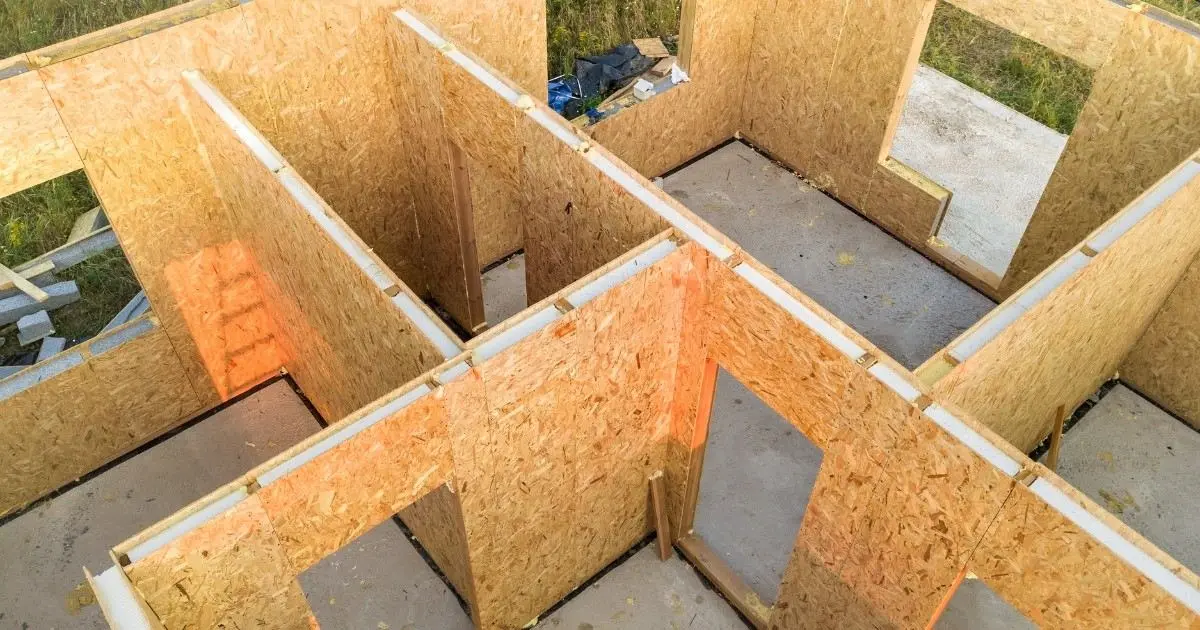
According to the data, 62 per cent of Canadians would consider non-traditional housing options. This category encompasses a wide variety of modern structures, including modular homes, prefabricated dwellings, and tiny houses. Furthermore, half of all surveyed consumers specifically view these alternative housing types as a viable, realistic path to achieving homeownership in the current economic climate.
At the same time, the supply side of the equation paints a challenging picture. An overwhelming 79 per cent of builders surveyed for the report stated that there is a stark mismatch between what the development industry is currently building and what Canadians actually need and can afford.
Buyers Show Willingness to Adapt
Affordability is clearly driving this paradigm shift in consumer behavior and housing preferences. With traditional single-detached homes commanding record prices across many Canadian markets, buyers are looking far beyond conventional options.
When evaluating potential housing purchases, the total purchase price was cited as a major consideration by 89 per cent of consumers surveyed. Meanwhile, 84 per cent pointed to monthly carrying costs—such as mortgage payments, property taxes, and maintenance fees—as a primary factor influencing their decisions.
The Meridian report emphasizes that solutions extend well beyond the physical architecture of a home. It highlights various alternative frameworks, including co-ownership models and rent-to-own arrangements, alongside purpose-built rentals and the much-discussed "missing middle" housing category, as vital strategies to substantially expand attainable supply.
The construction sector is already beginning to notice this shift in consumer appetite. Nearly half of the construction businesses surveyed reported seeing an increase in client interest directed toward unconventional, prefabricated, or modular housing options.
"Canadians are showing us that homeownership is no longer one-size-fits-all," said Jay-Ann Gilfoy, CEO of Meridian, commenting on the market trends. "From co-ownership arrangements to modular housing and rent-to-own models, people are adapting to today’s realities and looking for new ways to achieve their housing goals."
Young Canadians Keep an Open Mind, With Many Relying on Family
The burden of housing affordability is felt most acutely by the youngest generation of adults entering the real estate market. The survey revealed that an overwhelming 78 per cent of Generation Z believe that buying a home entirely on their own is completely out of reach for people in their age bracket.
Because of these financial barriers, younger Canadians are actively exploring alternative pathways that often rely on shared ownership structures, direct family support, and creative entry points into the property market.
The data illustrates that 26 per cent of individuals in their 20s are actively exploring co-ownership arrangements with friends or extended family members. Additionally, 29 per cent are looking closely at rent-to-own agreements as a stepping stone toward eventual full ownership.
Family support also remains a critical pillar for young buyers attempting to cross the threshold into homeownership. The survey found that 30 per cent of these young Canadians rely directly on financial assistance from their families to secure a necessary down payment.
Builders Face Financing and Cost Pressures
While consumer demand for alternative and affordable housing is clearly on the rise, the other side of the report reveals a construction industry struggling significantly to translate that demand into actual, completed housing units.
Even though 47 per cent of builders reported growing business demand from clients, 60 per cent stated that soaring construction costs have made it exceptionally difficult to deliver affordable starter homes in a way that remains economically viable for their businesses.
Financing represents another major operational hurdle for developers trying to bring projects to life. Sixty-three per cent of builders identified the process of securing adequate project financing as a major obstacle to housing development. Close behind, 62 per cent cited escalating building material costs, while 52 per cent pointed to broader macroeconomic uncertainty as a drag on their operations.
"Builders are seeing demand for alternative housing options and new forms of homeownership, but bringing those projects to market isn’t always straightforward," said Jason Teal, vice-president of business banking at Meridian. "Many construction businesses continue to face financing pressures, labour shortages, and rising costs that make it harder to deliver the attainable housing Canadians are looking for."
Skilled-Trades Shortage Particularly High at Larger Firms
Labour availability presents yet another severe constraint on the construction sector’s capacity to build. The report found that skilled-trades shortages directly affected 78 per cent of the construction businesses surveyed.
This issue becomes even more pronounced among larger operations. Among companies with 100 or more employees, the proportion of businesses affected by skilled-trades shortages climbed to an alarming 94 per cent. This suggests that the labour constraint remains a major roadblock even among firms that theoretically possess greater capacity to build housing at scale.
The research also uncovered a notable psychological disconnect between everyday consumers and traditional financial institutions. Seventy-three per cent of Canadians surveyed expressed a belief that their financial institution does not truly understand the unique housing challenges they currently face.
Meridian concludes that meaningfully improving housing attainability across the country will require a multifaceted approach. This strategy must include greater access to flexible project financing, concerted efforts to address the shortage of skilled tradespeople, robust support for alternative housing models, and closer collaboration among all levels of government, institutional lenders, and the construction industry.