
It has been twenty years since Deb Perelman launched her popular food blog, Smitten Kitchen, creating an online home designed to share recipes she felt genuinely excited about. Born out of a desire to talk endlessly about the things she loves, the website evolved from a personal project into an internet classic for home cooks. Looking back at the broader context of starting the site, Perelman recalls reaching early adulthood with a basic understanding of how to cook, yet finding herself lacking the intuitive mastery needed to transform everyday ingredients into something spectacular. Over the years, that initial curiosity led to the demystification of foundational dishes—turning a simple can of tomatoes into a remarkable pasta sauce, mastering meatballs, achieving an ethereally smooth hummus, and perfecting a crumb cake worthy of making for a lifetime.
To mark her two-decade milestone, Perelman reflects on what it means to reach such a significant tenure with more than 1,400 published recipes under her belt. To the casual observer, it might seem like a natural point to close the chapter, wondering what could possibly be left to discover after decades of kale salads, tomato soups, and apple pies. Yet, according to Perelman, that is far from the case. On most days, she feels as though she is only just getting started in the kitchen, driven by an ongoing appetite for culinary exploration and problem-solving.

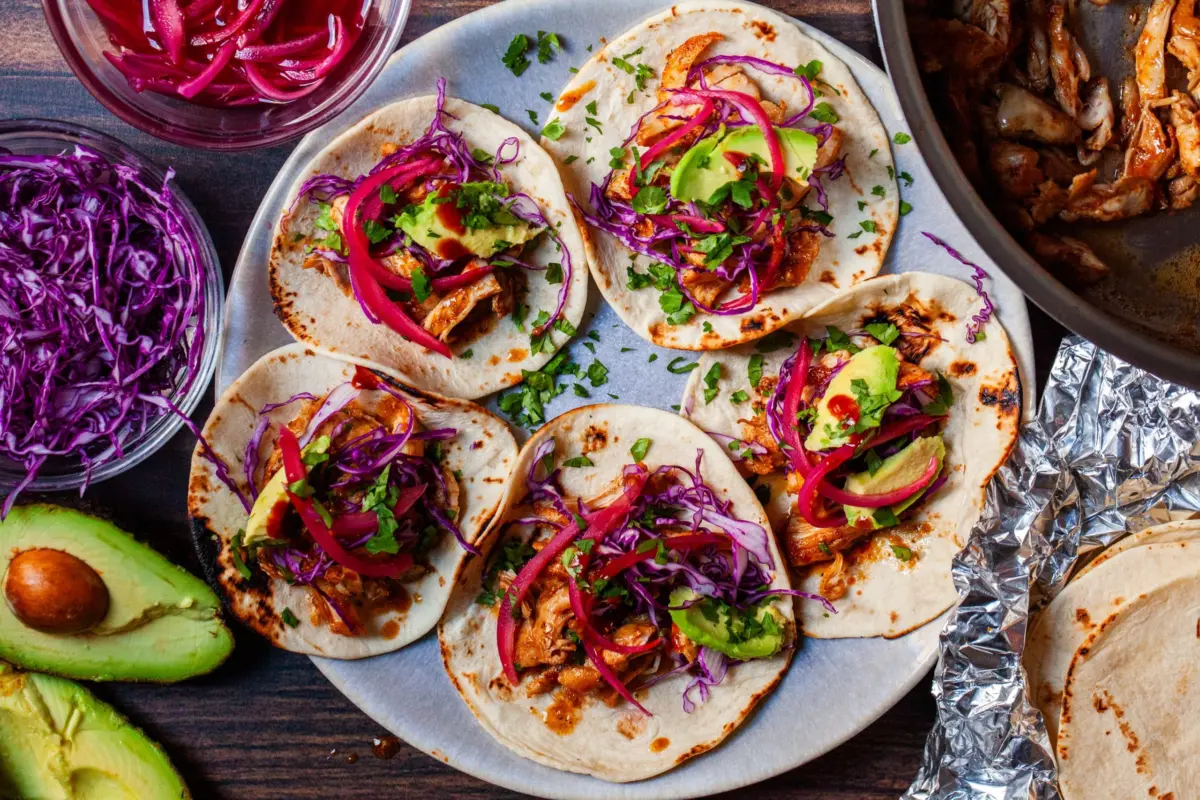
This enduring enthusiasm is precisely what inspired her latest creation: a reliable, streamlined technique for making chicken tacos on a busy weeknight. Perelman notes that she realized she needed a recipe that would come together quickly in a single skillet without requiring complicated steps. She wanted to avoid marinating meat, dumping a jar of salsa into a slow cooker, or dragging out a stand mixer just to shred chicken—a modern internet cooking trend she acknowledges with bemusement. Above all, the recipe needed to solve the primary pitfalls of chicken breast and thighs: dryness and overcooking, which are the exact reasons she spent years mistakenly believing she did not like chicken.
Born from a classic mix of fatigue, poor planning, and realizing at 6:00 PM that dinner had magically not materialized on its own, Perelman landed on a method she now relies on constantly. The recipe’s genesis reflects her practical approach to home cooking, stripping away unnecessary complications to focus on what matters most for a quick family meal.

The process begins with preparing the foundational fixings to ensure everything is ready simultaneously, preventing the chicken from going cold while waiting on side elements. Tortillas are warmed in the oven wrapped in foil or placed in a specialized warmer. For the quick-pickled red onions, Perelman combines sliced red onion, red wine vinegar, a splash of water, kosher salt, and granulated sugar. While standard quick pickles sit for a longer period, she shares a favorite shortcut: placing the bowl in the microwave for ten to fifteen seconds until the liquid warms, then setting it aside to cool while the rest of the meal comes together, causing the onions to turn pink and pickle much faster. For the cabbage garnish, she bypasses lengthy chopping instructions, noting her preference for using a specialized peeler purchased a few years ago to easily render cabbage into a fluffy pile.
The chicken itself relies on a straightforward spice blend combining salt, cumin, chili powder, paprika, and black pepper. After spreading chicken cutlets or thighs on a tray, both sides are lightly seasoned before being seared in a large, very hot skillet with olive oil. Cooked over medium-high heat for four to five minutes per side until nicely browned—without needing to be fully cooked through at this stage—the chicken is briefly transferred to a plate. Minced garlic is then sautéed in the empty skillet for a minute until golden, followed by chicken broth used to deglaze the pan and scrape up any flavorful browned bits.

Once the broth comes to a rapid simmer, the chicken and its accumulated juices are returned to the pan. Reducing the heat to medium allows the meat to finish cooking in the simmering broth for three to four minutes until the liquid reduces to a thin puddle. The heat is then turned off, and the chicken can either be shredded directly in the pan using two forks or sliced into bite-sized pieces with the edge of a spatula, ensuring it absorbs every last bit of remaining pan sauce.
To serve, the warm tortillas are piled high with the freshly cooked chicken, any remaining pan juices, and a collection of simple toppings. Perelman suggests combining the taco meat with an avocado on its last legs found in the back of the fridge, a handful of shaved cabbage, the quick-pickled red onions, and a preferred hot sauce, creating the kind of reliable midweek meal that never grows old.

Reflecting on twenty years of publishing Smitten Kitchen, Perelman expresses deep gratitude for the ability to spend her days hanging out with readers and discussing cooking week after week, describing the work as a job so blissful she sometimes has to pinch herself. She notes that the greatest reward of reaching this twenty-year milestone—aside from the community built along the way—is possessing the cooking knowledge required to distill what she wants to make into its simplest, most practical parts.
As part of her twentieth-anniversary celebration, Perelman has also shared several retrospective interviews and reflections across various publications, including discussions with Ravenous and the Columbia Journalism Review, alongside a dedicated newsletter inviting readers to share their all-time favorite recipes from the site. She has also curated a collection highlighting twenty of the most iconic Smitten Kitchen recipes to date, celebrating two decades of home cooking that continues to resonate with kitchen enthusiasts around the world.