
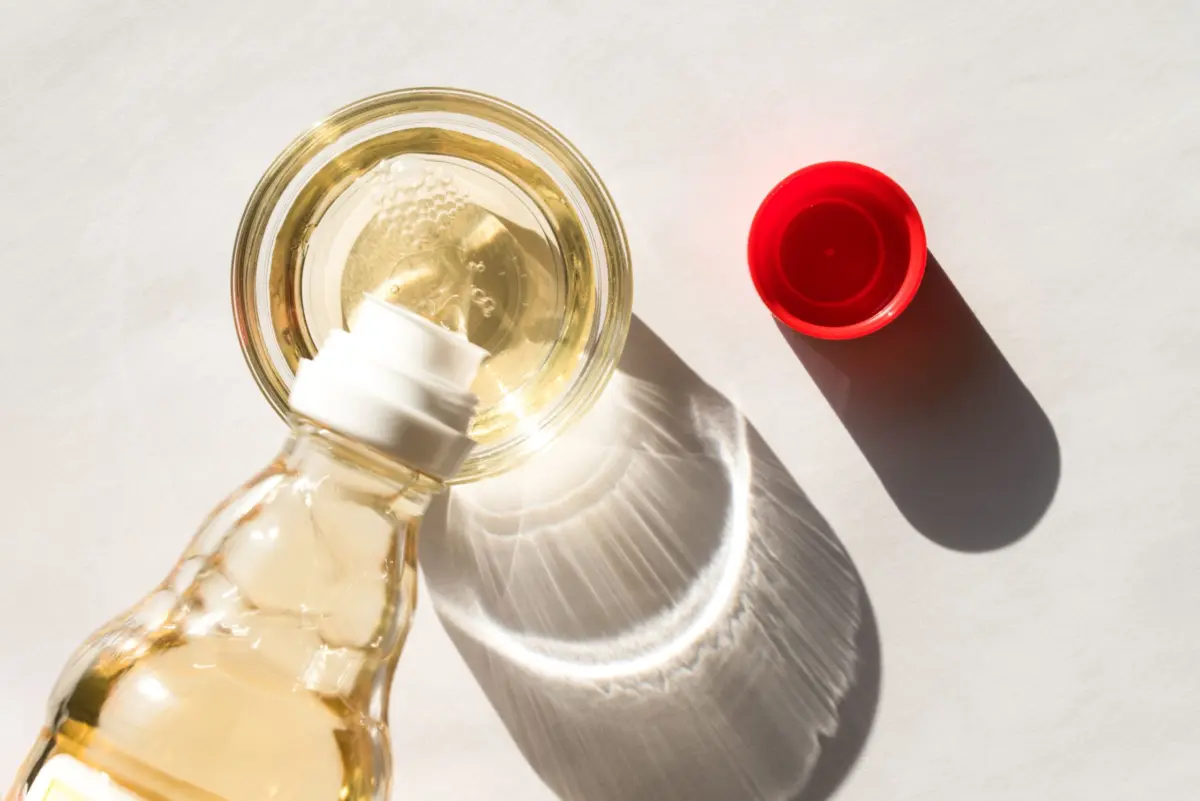
If you have ever eaten Japanese food, you have almost certainly tasted mirin. Alongside miso, soy sauce, dashi, and rice vinegar, this sweet rice wine stands as a fundamental pillar of traditional Japanese cooking. It brings richness and remarkable complexity to stocks, stews, marinades, and sauces, while bestowing a glossy, appetizing sheen onto glazed dishes like teriyaki.
Mirin is frequently described by culinary experts as sweet with a subtle umami undertone, but Sonoko Sakai, author of Japanese Home Cooking, prefers a more specific descriptor: koku. According to Sakai, koku functions similarly to umami, but it provides not just flavor profiles, but a distinctive aroma. It is a quality felt directly on the palate, adding profound depth to a dish.
Yet, the specific type of mirin you purchase matters significantly, and the bottle stocked on the shelves of your local conventional supermarket is unlikely to deliver the authentic koku that Sakai describes. Hon mirin, commonly translated as "true" mirin, tends to be relatively pricey and notably difficult to find in standard retail outlets across the United States. To better understand this pantry staple, it is essential to examine what sets true mirin apart, when it is truly worth seeking out, and what alternative options you can use when you cannot find any.
What Exactly Is Mirin?
Traditional hon mirin is crafted from a remarkably simple foundation of just three ingredients: glutinous rice, known as mochigome; koji, a cultured grain used in many traditional Japanese fermentations; and shochu, a traditional Japanese distilled spirit typically made from rice. During the meticulous production process, active enzymes produced by the koji break down the starches in the rice into simple sugars, primarily glucose. This natural enzymatic conversion gives mirin its distinctive, rich sweetness without requiring any added refined sugar.
Hiroko Shimbo, a respected culinary authority and author of The Japanese Kitchen, describes that natural sweetness as more subtle and elegant than common table sugar. She points out that glucose is roughly seventy percent as sweet as sucrose, the sugar most commonly used in Western and general baking. Furthermore, Sakai notes that authentic mirin features a lower glycemic index than many other liquid sweeteners found on modern pantry shelves.

The alcohol content of hon mirin further distinguishes it from commercial seasoning alternatives. With an alcohol by volume, or ABV, of around fourteen percent, true mirin is roughly as alcoholic as some traditional sakes and most grape-based table wines, although it is rarely consumed directly as a beverage. One notable historical exception is o-toso, a traditional spiced, mirin-based drink served during New Year celebrations.
This inherent alcohol content also serves a critical functional purpose in cooking. Alcohol denatures proteins, helping them firm up slightly when heated, and it is also hygroscopic, meaning it aids in moisture retention within ingredients. The combined result of these chemical properties is food that emerges tender, juicy, and deeply imbued with umami-rich sweetness. For those seeking a bottle of the genuine article, Sakai recommends Fukuraijun hon mirin, while Shimbo favors Mikawa hon mirin, produced by the Sumiya Bunjiro Brewery.
Of course, not every home cook is using true mirin in their everyday cooking. The vast majority of American home cooks likely have a bottle of aji-mirin tucked away in their pantries. Translated literally as "tastes like mirin," aji-mirin is widely available in grocery stores and remains relatively inexpensive. Rather than going through the lengthy traditional fermentation and brewing process, aji-mirin is typically manufactured using a blend of glucose or corn syrup, water, rice, salt, and commercial alcohol. The exact alcohol content varies significantly depending on the brand; for instance, Kikkoman’s popular aji-mirin contains about eight percent alcohol by volume.
Both Shimbo and Sakai generally avoid aji-mirin, citing its noticeably less nuanced flavor profile and its more aggressive, straightforward sweetness. Shimbo also points out that aji-mirin’s lower alcohol content can alter how the liquid behaves when exposed to heat during cooking.
That said, if you find yourself shopping and can locate nothing other than aji-mirin, there is no need to despair. J. Kenji López-Alt, author of The Food Lab, readily admits that aji-mirin lacks the complex flavor of its artisanal counterpart. Natural fermentation creates a multitude of chemical byproducts that provide hon mirin with a superior, rounded aroma, he explains. However, López-Alt also points out that mirin typically constitutes only a small fraction of an overall recipe and is almost always cooked alongside other strongly flavored ingredients like soy sauce, dashi, or aromatics. While he prefers to use naturally brewed mirin whenever it is available, he acknowledges that he cooks with aji-mirin all the time without issue. You will certainly notice a flavor difference, he notes, but even the cheapest commercial varieties will still perform adequately in everyday cooking.

How Is Mirin Different From Sake?
Both mirin and sake are traditional rice wines utilized extensively in Japanese cooking, but mirin is considerably sweeter. This primary difference comes down to the precise methods used in their creation.
Hon mirin is made using mochigome (sweet or glutinous rice) combined with shochu, a distilled spirit that establishes an alcohol-rich environment while koji enzymes work to break down the rice starches directly into sugars. Sake, by contrast, is brewed using sakamai (specialized sake rice) and relies primarily on yeast to convert sugars into alcohol during fermentation, leaving the final liquid considerably less sweet and more versatile as a beverage.
Because sake is primarily brewed for drinking, consumers will find a vastly wider variety of regional styles, grades, and flavor profiles on the market, many of which are intended to be enjoyed on their own rather than relegated to cooking applications.
How Is Mirin Different From Rice Vinegar?
Though mirin and rice vinegar are both fundamental derivatives of rice, they share very little in common in terms of flavor and function. Mirin is sweet, syrupy, alcoholic, and carries a strong umami undercurrent. Rice vinegar, on the other hand, is sharply acidic and tart, possessing virtually no natural sweetness.
Their shared botanical origins might tempt an aspiring cook to substitute a mixture of rice vinegar and table sugar for mirin, but Shimbo, Sakai, and López-Alt all agree that the resulting mixture would be far too aggressive and acidic. It is best to save rice vinegar for dishes that specifically require a sharp tang, rather than attempting to replicate mirin’s smooth, rounded sweetness.

What Is the Best Substitute for Mirin?
According to López-Alt, Shimbo, and Sakai, the single best substitute for mirin is a mixture of sake combined with an added sweetener. The two rice-based wines share enough baseline characteristics to make this combination a much closer match than most alternative pantry staples, even if the final result will not fully match the profound aromatic complexity of authentic hon mirin.
Any standard drinking sake you happen to have on hand will work for this purpose, though Shimbo recommends keeping a large bottle of clear seishu sake specifically for cooking. Home cooks should explicitly avoid products labeled as "cooking sake," which frequently contain added salt that can easily throw off the careful seasoning of a dish.
When mixing the substitute, López-Alt generally combines two parts sake with one part white sugar by volume. Shimbo, however, prefers brown rice syrup, finding that its consistency and flavor profile more closely mimic the natural sweetness of hon mirin. Both Shimbo and Sakai also suggest pure maple syrup as a worthwhile alternative swap.
If you happen to be completely out of both sake and aji-mirin, you can resort to using a dry white wine or a dry sherry mixed with a sweetener, though neither represents an exact chemical or flavor match. Dry white wine is generally closer in profile than sherry, according to López-Alt, but it still introduces a distinct grape-forward acidity that can substantially alter the character of the finished dish. Furthermore, as he points out, many recipes that call for mirin also call for sake, meaning you may need to adjust multiple components simultaneously.
When it comes to non-alcoholic substitutes, none of the consulted culinary experts could point to an alternative that they strongly recommended. While some commercial mirin-style seasonings contain reduced levels of alcohol, and others are marketed as completely alcohol-free, these products are not universally interchangeable across all recipes. Shoppers must check ingredient labels with great care, as aji-mirin can still contain alcohol, and shio mirin (salted mirin) is not necessarily free of alcohol either.

While cooking does reduce the overall alcohol content of mirin, it does not guarantee that every trace of alcohol completely evaporates from the dish. If you are strictly avoiding alcohol for dietary, personal, or religious reasons, you should seek out products explicitly labeled as alcohol-free rather than relying solely on estimated cooking times to eliminate the spirit.
Home cooks should also remain mindful of added sodium. Some commercial mirin-style products are heavily salted during manufacturing to make them unpalatable for casual drinking, which means you may need to actively scale back other sources of sodium, such as soy sauce or miso, elsewhere in your recipe.
How Should You Store Mirin?
Hon mirin is remarkably shelf-stable thanks to its high concentrations of natural sugars and alcohol. It should be stored tightly sealed in a cool, dark pantry environment rather than in the refrigerator, where lower temperatures can cause the natural sugars to crystallize and precipitate out of the liquid. Storage recommendations for aji-mirin and other commercial mirin-style seasonings can vary significantly by brand, so it is always wise to check the individual product label for specific storage instructions after opening.
How to Use Mirin
When combined with soy sauce and sake, mirin serves as the foundational base for a silky tare used to season ramen bowls, or it can be reduced over heat until syrupy to create a rich, glossy teriyaki sauce. Home cooks can try applying this glaze to salmon, flank steak, roasted vegetables, and numerous other proteins.
Mirin is equally at home in fast-paced, quick-cooking dishes like stir-fried udon noodles with pork and soboro don, as well as in slow-simmered braises, hearty soups, and complex marinades. Its delicate, rounded sweetness naturally complements delicate fish and tofu, shining particularly brightly in brothy steamed bass, while also balancing the sharp tang of a versatile miso-turmeric dressing. Furthermore, mirin can be utilized in many everyday cooking applications where Western-trained cooks might otherwise instinctively reach for granulated table sugar. As Shimbo observes, when you use real mirin in the kitchen, there are numerous positive culinary effects that elevate the entire dish.