
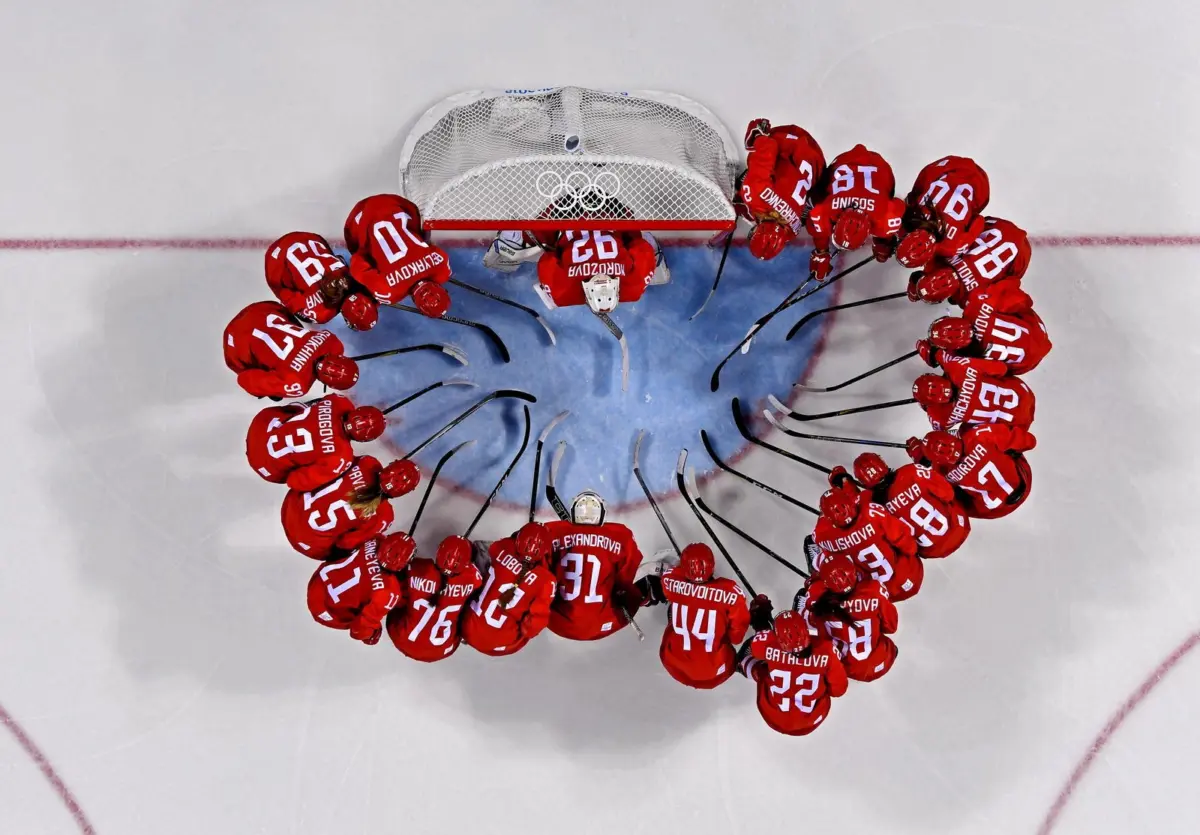
As geopolitical tensions continue to reverberate deeply throughout the international sports landscape, the Court of Arbitration for Sport (CAS) has formally defended its controversial decision to force the reinstatement of Russian teams to international hockey. The ruling, which mandates that the International Ice Hockey Federation (IIHF) include Russian squads in future tournaments, has sparked an unprecedented wave of pushback from European hockey powerhouses, government officials, and major corporate sponsors alike.
In a comprehensive release issued on Thursday, the independent tribunal doubled down on its legal reasoning, explaining the foundation behind its verdict that overturned the IIHF’s previous measures. According to the CAS panel, the governing body of international hockey simply failed to meet the necessary legal thresholds required to justify barring Russian athletes from competition.
"The CAS Panel found that the IIHF did not present sufficient evidence to establish the legal requirements for the non-participation of Russian teams," the independent organization wrote in its Thursday statement, addressing the core of the dispute that has divided the hockey world.
The broader international sporting exile of Russia began in early 2022 following the country’s invasion of Ukraine, an event that prompted swift and sweeping bans across nearly all major global sports federations, including hockey, soccer, and figure skating. For years, the IIHF maintained strict exclusionary measures to ensure the safety, integrity, and smooth operation of its international tournaments in the wake of the ongoing conflict. However, this latest legal challenge has upended that status quo, placing the IIHF in a difficult position between judicial mandates and widespread international discontent.
Elaborating further on the complexities surrounding the case, the CAS panel addressed the logistical and political arguments that have dominated public discourse since the ruling was first made public. The independent tribunal noted that many of the factors currently causing concern among federations and fans were never properly brought forward or proven during the initial legal proceedings.

"The CAS Panel noted that the organizational consequences of this ruling, as well as the potential introduction of a neutrality regime, which are now at the centre of public debate, were neither substantiated by sufficient evidence nor sought by the IIHF during the proceedings," the statement continued.
This definitive stance from the sports world’s highest court has done little to calm the turbulent waters of international hockey. Instead, it has ignited a fierce chain reaction of boycotts, political prohibitions, and financial ultimatums from various stakeholders who refuse to share the ice with Russian representatives under the current circumstances.
In the wake of the CAS announcement, multiple prominent European hockey federations—including Sweden, Finland, Czechia, Norway, Latvia, and Denmark—formed a unified front, formally agreeing to boycott any international event that includes the participation of Russian teams. This collective regional resistance threatens to severely compromise the competitive validity and commercial appeal of upcoming IIHF tournaments, as several of the sport’s traditional powerhouse nations stand shoulder-to-shoulder in opposition to the court’s decree.
The political fallout has extended far beyond European federations, reaching the highest levels of government in North America. Canadian Prime Minister Mark Carney has publicly declared that Russian athletes will not be granted entry or permission to participate in the upcoming World Junior Championship, scheduled to take place later this year in Alberta. Furthermore, the Government of Canada has previously established a firm policy stating that it will not financially support or facilitate events that feature Russian participation under the current geopolitical climate, casting immediate doubt on the viability of hosting major international showcases under IIHF jurisdiction if the ruling stands.
Compounding the logistical and political pressures facing the sport’s governing body, corporate partnerships are also hanging in the balance. Several high-profile sponsors of IIHF-sanctioned events—including globally recognized brands such as STRAUSS, Skoda, and AJ Products—have issued stern warnings, threatening to pull their financial support entirely from upcoming tournaments and festivities if Russian teams are permitted to return to the ice. The potential loss of these multi-million-dollar sponsorships poses a severe economic threat to the IIHF’s operational budget and the development of hockey programs worldwide.
For its part, the IIHF has expressed vehement opposition to the CAS decision, making it clear that the ruling runs counter to the organization’s preferred trajectory and safety considerations. Nevertheless, the federation has acknowledged the ultimate legal authority of the court, indicating that it feels legally bound to respect the decision and will act in accordance with its binding directives moving forward.