
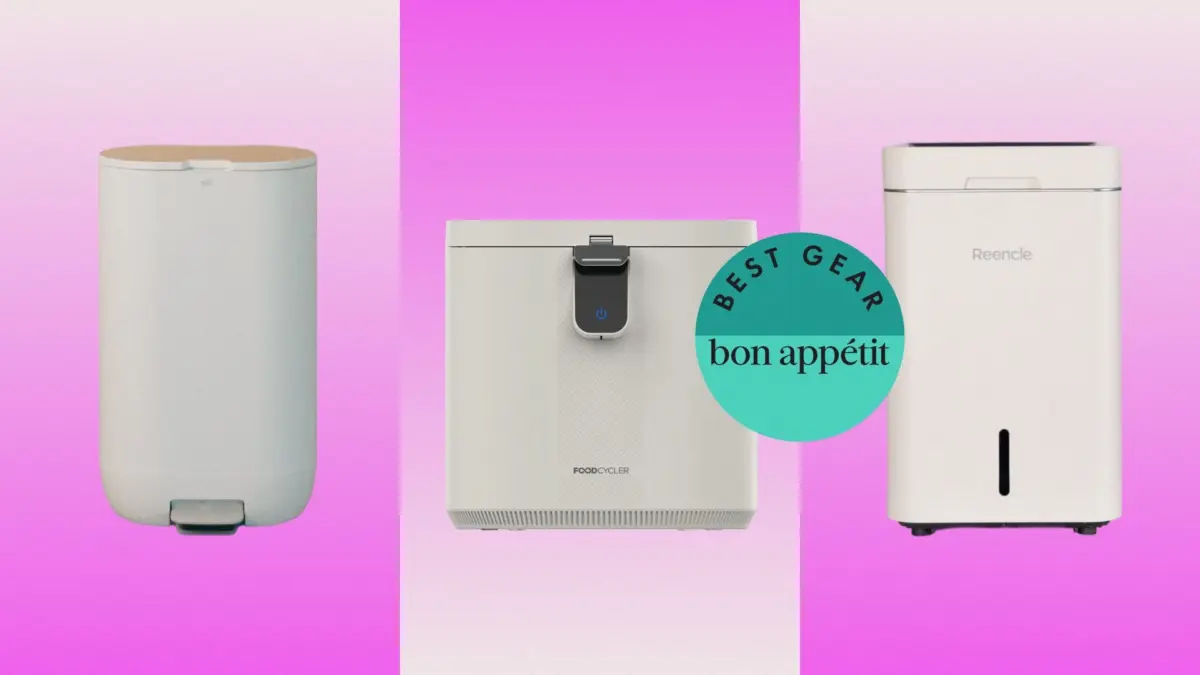
For many environmentally conscious consumers, composting has long been a frustrating exercise in good intentions. While practices like reducing plastic use, recycling, and relying on public transit easily integrate into daily routines, traditional composting methods often fall short. Gathering food scraps in a plastic countertop bin frequently leads to a familiar cycle: dealing with messy, foul-smelling receptacles every couple of days, growing weary of the constant maintenance, and ultimately abandoning the habit within weeks.
However, shifting municipal regulations are forcing a change in habits. With major metropolitan areas like New York City implementing mandatory composting laws, residents are under increased pressure to find sustainable, manageable solutions for their daily organic waste. Enter the new wave of electric kitchen composters and food recyclers, appliances designed to bypass the traditional pitfalls of backyard or communal composting by transforming food scraps into dried grounds or usable compost in a matter of hours.
These modern machines promise to eliminate the unpleasant chore of transporting dripping bags of rotting food goo through apartment buildings and out to communal bins. By utilizing advanced heating, grinding, or microbial breakdown processes, these appliances can reduce the volume of household food waste by up to 90 percent. For many users, this reduction means bins only need to be emptied every few weeks or even months. Despite their appeal, these appliances carry a significant drawback: a hefty price tag that leaves many consumers wondering if the convenience is truly worth the financial investment.
To determine whether these high-end kitchen appliances deliver on their promises, a team of editors put four popular electric composters to the test in their own homes over a period of nearly a year. Ranging from microbe-based systems to high-capacity dehydrators, the test group evaluated each machine based on ease of use, design footprint, capacity, noise levels, and overall value for money.
The Top Pick: Reencle Gravity
Among the evaluated models, the Reencle Gravity emerged as the top pick for its unique approach to waste processing. While many appliances marketed as electric composters are actually dehydrators that merely dry and grind food waste, Reencle utilizes living microbes to create genuine, nutrient-rich compost ready for garden use.
Priced at nearly $700, the Gravity requires users to introduce a starter pack of microorganisms derived from soy and cheese, along with a booster and water, to establish a living ecosystem within the machine. Unlike cycle-based dehydrators that must remain closed during processing, the Reencle operates continuously, allowing users to open the lid and add scraps whenever necessary. Testers noted that for a two-person household, the bin filled up slowly over several months, requiring minimal maintenance beyond an annual replacement of the charcoal filter to prevent odors.
While the appliance earned high praise for its actual composting capabilities, testers noted a few minor design quirks. The machine features a sensitive motion sensor that triggers the lid to open, which can be inadvertently activated by moving dining chairs or household pets. Additionally, the lid remains open for only nine seconds before automatically closing, a timing constraint that can feel rushed during large clean-up sessions. Despite these minor inconveniences, the convenience of genuine, low-maintenance composting outweighed the design flaws.
The Mill Food Recycler
Earning a Gear of the Year award, the Mill Food Recycler offers an alternative approach for households struggling with food waste management. Operating more like a sleek, trash-can-sized dehydrator and grinder, the Mill transforms nearly any solid food waste—including chicken bones and avocado pits—into a dry, loamy, soil-like consistency overnight.

Reducing waste volume by roughly 80 percent, the appliance effectively neutralizes kitchen odors, replacing the smell of discarded food with a faint, earthy aroma. For urban residents previously forced to freeze food scraps due to limited space and lack of municipal infrastructure, the Mill provided a seamless integration into daily life.
Testers highlighted the convenience of an overnight cycle that operates quietly without disrupting evening routines. However, the appliance’s physical footprint remains a notable consideration, as it occupies floor space comparable to a standard kitchen trash bin. Furthermore, reviewers pointed out that the processed output is not a direct substitute for raw soil and must be mixed as an enhancer, finished in a backyard system, or added to municipal composting streams.
Airthereal Revive V500
For consumers seeking a more budget-friendly entry point into electric composting, the Airthereal Revive V500 offers a compact alternative priced significantly lower than its high-end competitors. With a capacity of 2.5 liters, the appliance easily accommodates smaller spaces without demanding valuable countertop prep areas.
A standout feature of the model is its clear viewing window, allowing users to watch organic waste break down into dry material over the course of a four-to-eight-hour cycle. While smaller capacity means the machine must be run more frequently—every two to three days for a family of four—it provides a cost-effective solution for households testing their overall waste output before committing to a larger investment. Testers noted that while the inner bucket is dishwasher safe, prolonged use may cause the non-stick coating to degrade over time, making annual replacement parts a consideration for long-term maintenance.
FoodCycler Eco 5
Designed for larger households seeking a balance between capacity and countertop convenience, the FoodCycler Eco 5 offers a five-liter capacity capable of handling the waste generated by a family of four or five over several days. Utilizing a charcoal filter system to suppress odors, the appliance reliably completes its processing cycles within the manufacturer’s estimated time frame.
Reviewers found that the addition of a specially designed cleaning brush tailored to the bucket’s shape significantly reduced the friction typically associated with cleaning food processing equipment. While the appliance’s matte finish offers an attractive aesthetic, its physical dimensions lean toward the bulky side for standard countertops, prompting some users to store the main unit in utility spaces while retaining a smaller collection bin in the kitchen.
Evaluating the Appliances
The evaluation process involved long-term in-home testing over a minimum of six months, with reviewers following manufacturer guidelines for setup, operation, and ongoing maintenance. By assessing real-world performance across diverse household sizes and dietary habits, the testing process provided a comprehensive look at how electric kitchen composters function under everyday conditions, helping consumers navigate the growing market for sustainable home appliances.