
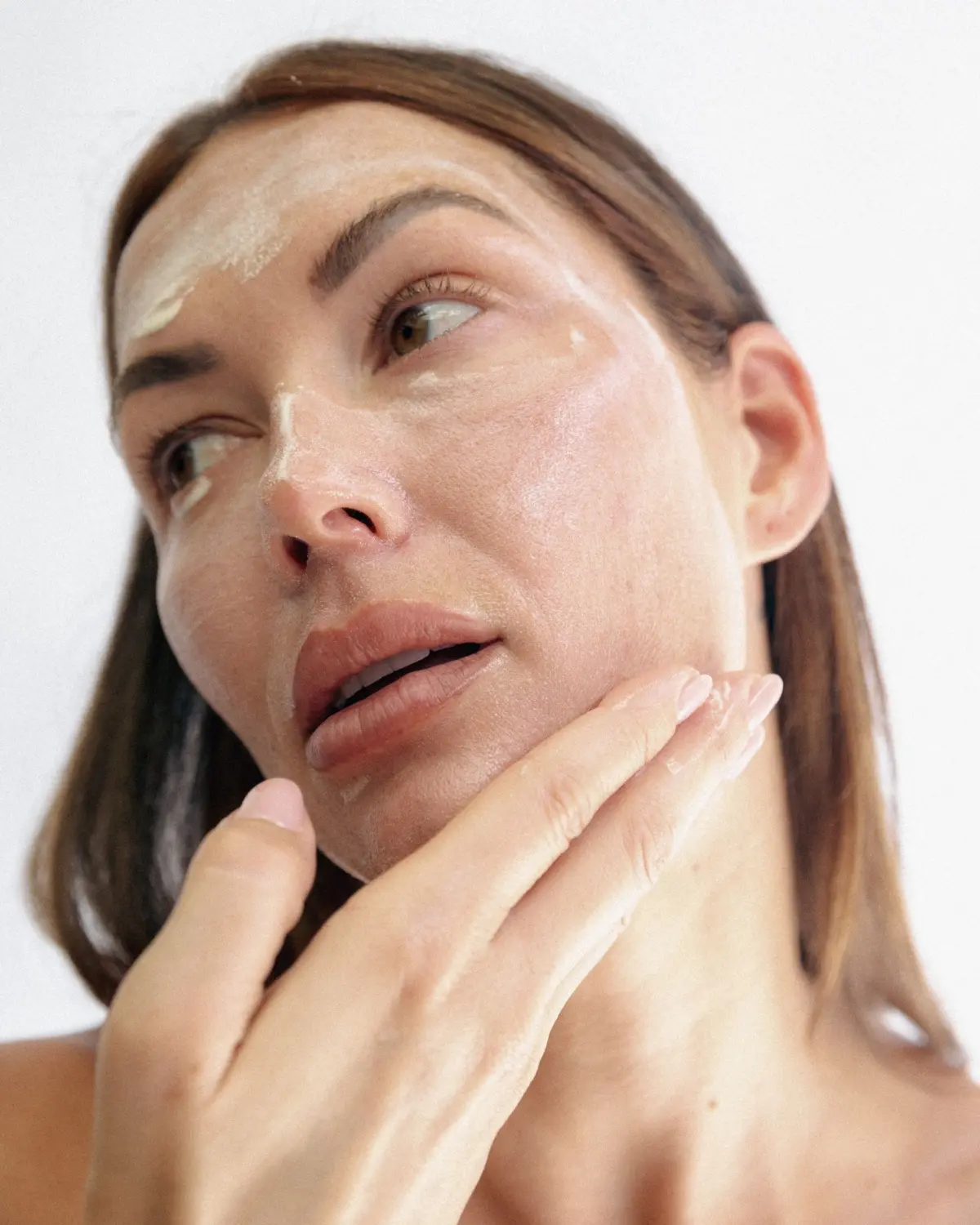
The overarching ethos of the current aesthetic movement centers on subtle, high-performance science. Patients are moving away from the desire to drastically change their features or chase short-term volume, opting instead to look like the most refreshed, balanced version of themselves. This evolution relies heavily on modern technologies, innovative combination protocols, and sophisticated multi-modal approaches that target structural aging and skin quality at a cellular level.
1. Biostimulators
At the forefront of this year’s most sought-after treatments is a decisive shift toward biostimulatory injectables. Rather than relying solely on traditional dermal fillers to artificially add volume, practitioners are turning to products that trigger the body’s own biological mechanisms to stimulate natural collagen and elastin production. While these treatments require patience as the results develop over time, industry professionals emphasize that the long-term structural benefits are well worth the wait.
Leading this category is Sculptra, which remains a cornerstone reference treatment within top-tier clinics. By gradually rebuilding the skin’s collagen scaffolding over several months, it boasts a long clinical track record and a high safety profile. Instead of simply inflating a specific area, the treatment offers soft-tissue support that helps tighten skin density, gently volumize hollow temples, support the brows and upper face, soften nasolabial folds, and sculpt the jawline. With FDA approvals for various areas of the body, clinics are increasingly utilizing biostimulators beyond the face, extending protocols to the neck, décolletage, hands, arms, and knees.
Innovations continue to push the category forward with new market entrants such as Julēnine, a PLLA biostimulator utilizing advanced microsphere technology designed for pan-facial skin improvement. While clinical data points to longevity spanning several years, the immediate appeal lies in its sophisticated, subtle, and natural-looking finish that remains virtually undetectable to observers. Furthermore, leading practitioners are increasingly combining biostimulators like Sculptra with advanced energy-based devices to simultaneously address superficial skin quality and underlying structural aging.
2. Skin Boosters
Alongside biostimulators, skin boosters are capturing significant market share by focusing entirely on surface quality, hydration, and glow rather than structural volume. The category has expanded significantly to encompass a wide array of specialized injectable formulations tailored to specific patient needs.

Among the notable innovations is Celora Vita, an amino-acid-based skin booster that provides the essential building blocks required for the skin to synthesize crucial proteins like collagen and elastin. Alongside amino acid repair, the formulation delivers an intense burst of hyaluronic acid for immediate hydration. Similarly, the "Baby Glow" protocol utilizing Teoxane Redensity 1 has gained immense popularity, particularly among brides preparing for weddings. This refined technique combines amino acids, antioxidants, and hyaluronic acid to impart an immediate, refreshed radiance to the skin.
3. Radiofrequency
Radiofrequency technology has also undergone a major technological evolution, shedding past associations with adverse effects and establishing itself as a premier tool for targeted skin tightening. Early iterations of radiofrequency occasionally carried risks of negatively impacting subcutaneous facial fat, a vital component for maintaining a youthful facial structure. However, modern devices have refined energy delivery to target precise tissue depths safely.
Advanced systems are now capable of executing targeted superficial skin tightening and collagen remodelling while simultaneously addressing the deeper muscular aponeurotic system, known as the SMAS layer. Devices like Exion by BTL utilize a combination of radiofrequency and ultrasound to support tissue remodelling, delivering an initial tightening effect followed by long-term collagen production. With continuous innovations emerging from international markets—including upcoming radiofrequency technologies originating in Korea—the sector is poised for continued technological refinement.
4. Laser Stacking
Laser treatments have long been a staple of aesthetic dermatology, but pioneering clinics are now adopting a strategy known as laser stacking to tailor interventions for optimum patient outcomes. Rather than relying on a single isolated laser session, advanced clinics utilize subscription-based models designed to keep the skin in a continuous state of clarity, tone, and density.
By cycling gentle, non-ablative lasers at regular intervals, practitioners can effectively manage inflammatory conditions such as rosacea and acne while preventing hyperpigmentation and general skin aging. Clinical studies indicate that specific laser wavelengths can positively influence gene expression, upregulating restorative biological signals while minimizing DNA damage. This evolution underscores a broader industry pivot toward foundational skin health rather than the traditional pursuit of anti-aging interventions.
5. RF Microneedling
Radiofrequency microneedling is experiencing a substantial resurgence driven by sophisticated hardware advancements. Systems like the Matrix Pro combine traditional microneedling mechanics with targeted radiofrequency energy to induce controlled micro-injuries and stimulate deep collagen remodelling. Clinics utilize these versatile protocols to address a wide spectrum of concerns, including uneven skin texture, enlarged pores, acne scarring, fine lines, and tissue laxity. This widespread adoption mirrors the overarching industry trend favoring structural integrity and cellular rejuvenation over surface-level quick fixes.

6. Facial Harmonisation
While biostimulators and advanced devices continue to capture attention, traditional dermal fillers remain relevant but are applied with a radically different philosophy. The contemporary approach rejects dramatic augmentation of isolated features in favor of subtle, full-face harmonisation.
Rather than concentrating large volumes of product into a single area, practitioners distribute micro-amounts strategically across multiple facial zones to restore natural proportions and balance. The primary objective is to render the patient looking fresher and more rested while preserving their authentic appearance. This refined methodology is largely driven by consumer awareness and a collective desire to avoid the overfilled look in pursuit of undetectable, natural rejuvenation.
As the aesthetics industry continues to expand, prospective patients are strongly advised to conduct thorough research into procedures and practitioners. For injectable treatments, regulatory bodies emphasize verifying that practitioners are registered medical professionals with active licenses through official councils such as the General Medical Council, the Nursing and Midwifery Council, or the General Dental Council. While non-prescription treatments like fillers and biostimulators can legally be performed by non-medics, seeking care from qualified medical practitioners ensures appropriate clinical oversight and the expertise required to manage potential complications safely. Vetted professionals and specialized clinics can be identified through recognized industry directories and professional associations, ensuring treatments are administered to the highest standards of safety and clinical excellence.