
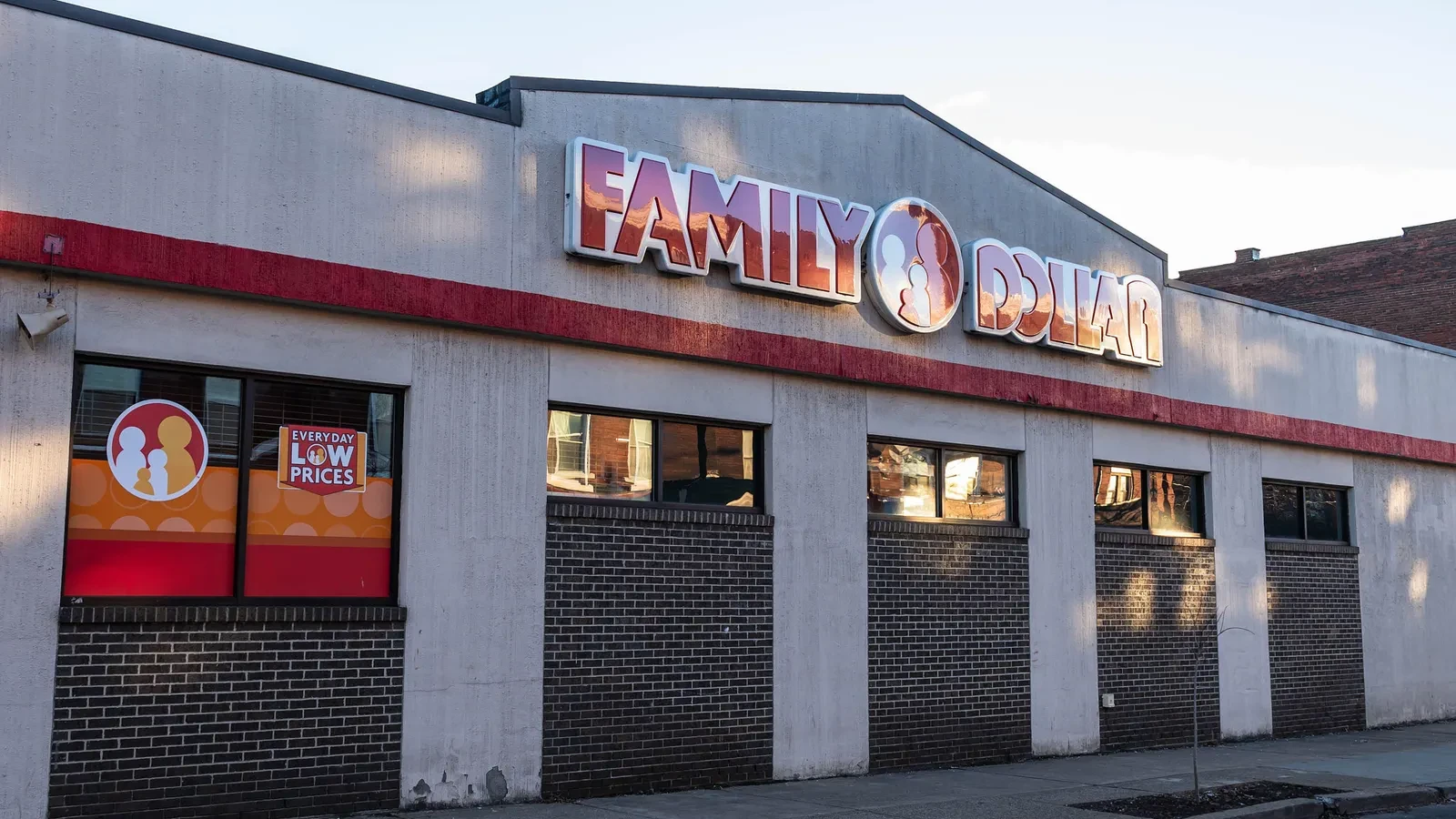
Family Dollar has agreed to a sweeping series of compliance measures and independent oversight to resolve allegations that its stores routinely charged customers more at the register than the prices advertised on shelves and promotional displays. The discount retailer, which operates thousands of neighborhood stores across the United States, has pledged full cooperation with federal and state authorities as it works to rebuild consumer confidence and overhaul its internal pricing systems.
The agreement addresses widespread pricing discrepancies that regulators say cost everyday shoppers millions of dollars. Under the terms of the regulatory enforcement action, Family Dollar’s pricing practices will be subjected to independent assessment and must be annually certified by third-party evaluators to ensure absolute transparency and adherence to consumer protection laws.
Company representatives have emphasized that the discounter is actively cooperating with authorities and remains heavily focused on bolstering pricing accuracy across its entire retail footprint. Maintaining the trust of budget-conscious shoppers is paramount for the brand, according to corporate spokespeople who reiterated the company’s commitment to delivering a reliable and fair in-store experience.
Regulatory Crackdown on Deceptive Pricing Practices
The resolution involving Family Dollar arrives amid a broader, highly intensified wave of regulatory scrutiny targeting the discount retail sector and the wider American retail industry. Federal and state consumer protection advocates have increasingly turned their attention toward pricing transparency, moving aggressively to stamp out deceptive practices that disproportionately harm vulnerable or financially squeezed shoppers.
In an official statement addressing the enforcement action, Christopher Mufarrige, director of the Federal Trade Commission’s Bureau of Consumer Protection, underscored the agency’s firm stance on retail fairness. Mufarrige stated that the FTC is fully committed to ensuring strict price transparency and fundamental fairness so that everyday consumers can make genuinely informed purchasing choices at the checkout lane. He added that the court-ordered agreement will effectively compel Family Dollar to cease deceiving consumers about the actual costs of its merchandise and mandate the return of funds to shoppers who suffered financial harm as a result of these pricing discrepancies.
The legal fallout highlights a persistent vulnerability within discount retail operations, where high volumes of inventory, frequent promotional cycles, and lean store staffing can make maintaining real-time price alignment between physical shelves and computerized point-of-sale systems exceptionally difficult. However, consumer protection agencies have made it clear that operational challenges do not excuse retailers from charging consumers more than the advertised cost of goods.
Scope of the Violations and Multi-State Involvement
According to comprehensive court documents filed in connection with the case, the faulty pricing practices at Family Dollar stores resulted in cumulative financial losses totaling millions of dollars for everyday shoppers. The discrepancies directly violated consumer protection statutes codified under federal regulations as well as the laws of 17 individual states.
The widespread geographic footprint of the legal challenge underscores the nationwide nature of the pricing issues. Jurisdictions participating in or whose local laws were impacted by the practices span a vast portion of the country, including Alabama, Arkansas, Colorado, Florida, Illinois, Iowa, Kansas, Louisiana, Mississippi, Nebraska, Ohio, Oklahoma, Pennsylvania, South Carolina, Tennessee, Utah, and Wisconsin.
State attorneys general and federal investigators noted that shoppers browsing store aisles relied on clear shelf tags and promotional signs to manage tight household budgets, only to discover at the cash register that scanning systems registered a higher amount. Because these overcharges often amounted to small individual sums per transaction, many shoppers may have remained entirely unaware that they were paying inflated prices, allowing the discrepancies to persist across numerous store locations over extended periods.
Mandated Compliance Measures and Operational Reforms
To satisfy the terms of the regulatory settlement, Family Dollar is required to implement a robust framework of operational safeguards designed to prevent future pricing errors and ensure complete synchronicity between advertised costs and register charges.

Among the primary requirements stipulated in the agreement, the discount chain must prominently display its official pricing policy directly next to store registers where customers complete their transactions. This measure is intended to ensure total visibility regarding store policies on pricing discrepancies and consumer rights.
Furthermore, the company must institute rigorous internal procedures to guarantee that point-of-sale computer systems do not automatically update to higher price points until the corresponding physical advertisements, shelf tags, and promotional materials have been appropriately updated and displayed throughout the store. Retail technology systems must be managed with tighter controls to bridge the gap between back-end pricing databases and front-end customer displays.
To ensure long-term compliance, Family Dollar is required to establish ongoing monitoring systems to verify that all advertised prices are entirely accurate across its store network. The company must also mandate comprehensive annual training programs for all store-level employees and management personnel further up the corporate chain, educating staff on the precise mechanics required to maintain accurate pricing standards.
Crucially, the agreement reinforces consumer-first store policies by requiring Family Dollar to immediately honor the lowest advertised price if a discrepancy is discovered, correct inaccurate prices instantly, and remediate any systemic pricing errors before they can impact additional transactions. These procedures will be independently assessed and formally certified on an annual basis to ensure that the retailer maintains compliance over the long term.
Corporate Response and Broader Industry Trends
Reflecting on the settlement and the operational shifts required, a Family Dollar spokesperson reiterated the brand’s core mission of providing accessible, close-to-home retail options for everyday essentials.

The spokesperson noted that Family Dollar prides itself on offering convenient neighborhood stores where shoppers can find essential household goods at affordable prices. Emphasizing that the company takes its corporate responsibilities seriously, the representative confirmed that leadership is wholly dedicated to fostering a positive, transparent, and trustworthy shopping environment for every customer who walks through its doors.
The news of this significant settlement follows closely on the heels of another major enforcement action initiated just last month. In that case, the FTC and a coalition of 20 state attorneys general filed a lawsuit against Dollar General, alleging strikingly similar violations involving stores regularly charging higher prices at the register than the costs displayed on promotional signage and shelf tags throughout its retail locations.
While Dollar General has acknowledged occasional price discrepancies within its operations and stated that its ultimate corporate objective is absolute pricing accuracy, the back-to-back regulatory actions highlight an escalating crackdown on discount retail chains. At the same time, traditional and big-box retailers across the broader retail sector are exploring alternative pricing strategies, such as dynamic pricing models. While not necessarily unlawful in all contexts, these evolving pricing mechanisms have increasingly unnerved financially stressed consumers who are already navigating persistent cost-of-living pressures, drawing even sharper regulatory attention to how retailers display, manage, and charge for merchandise.