
"Just when I thought I was out, they pull me back in!"
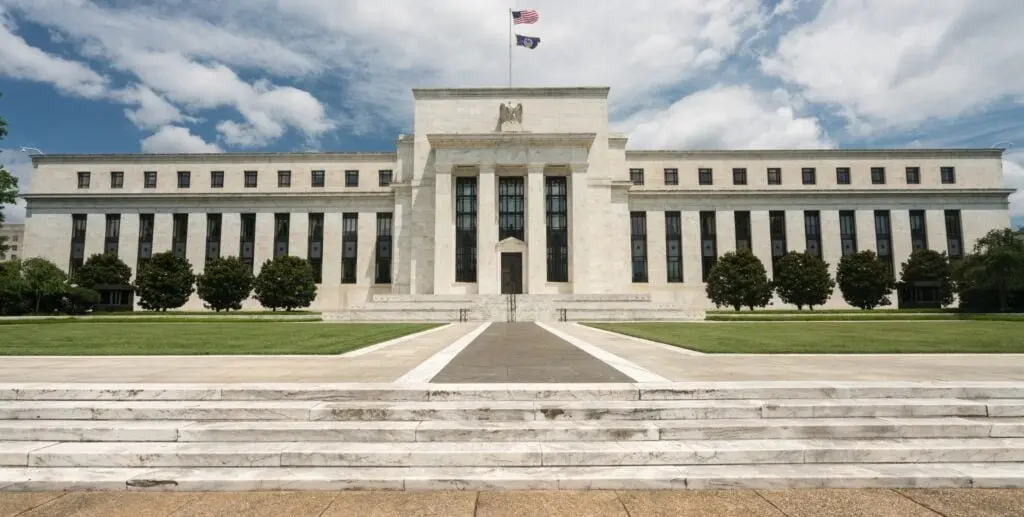
As Al famously declared in The Godfather III, real estate investors could be forgiven for feeling a profound sense of déjà vu. Just when many in the industry thought the worst of high interest rates had passed, and that the Federal Reserve under newly appointed leadership would steer toward a monetary easing cycle, reality has struck back. A recent quarter-percentage-point rate hike by the Federal Reserve has sent shockwaves through the market, pushing many investors right back into the nightmarish fever dream of compressed margins and negative cash flow that characterized the turbulent environment of 2022.
The immediate backdrop to this latest shift involves mounting inflationary pressures, spurred principally by ongoing geopolitical conflicts in the Middle East, including the conflict involving Iran. In response to these rising costs, the Federal Reserve opted to raise interest rates for the first time in three years following its September meeting. For real estate investors, the timing compounds an already difficult landscape. Mortgage rates had already crept back above the 7% threshold prior to the announcement, meaning this latest central bank maneuver effectively adds fuel to an already scorching fire.
Yet, as seasoned market participants know well, economic shifts are rarely one-sided. For smaller investors looking to carefully grow or restructure their portfolios, an obvious silver lining often emerges from macroeconomic cooling: higher borrowing costs tend to temper demand, which can ultimately lead to falling asset prices. For those sitting on adequate capital or strong liquidity, the opportunity to secure deals amid subdued competition and persistently high rental demand represents a potentially golden window.
Before jumping to conclusions, however, economists and industry analysts emphasize a crucial distinction: the Federal Reserve does not directly set mortgage rates. Instead, mortgage rates are far more closely tied to long-term bond yields, shifting inflation expectations, and overall investor demand for mortgage-backed securities. This structural dynamic helps explain why residential borrowing costs have continued to trend upward even during periods when the central bank kept its benchmark rate steady.
Nevertheless, actions taken by the Federal Reserve exert a powerful indirect influence on the broader lending ecosystem. Investors are reminded that mortgage rates do not necessarily rise or fall by the exact same margin as the federal funds rate, which is the specific target directly manipulated by the central bank’s policy adjustments.
A Sequel Many Times Over
For the real estate community, the current scenario feels like a cinematic sequel watched one too many times, featuring familiar plotlines with rotating casts. The leadership dynamics at the top have shifted through successive administrations—from Jerome Powell and Joe Biden, to Powell and a shifting political landscape, and now to new leadership under Kevin Warsh. Yet despite the changing personnel, the core script remains largely identical. The operational challenges of making leveraged rental properties cash-flow positive, or helping everyday buyers qualify for residential fix-and-flip projects, persist unabated.
"For buyers, a slower market can actually create opportunity," mortgage executive Benjamin Cohen noted in a recent market assessment shared with Realtor.com. "There is more time to make a decision, more negotiating power, and potentially more flexibility from sellers."
This sentiment captures the duality of the current cycle. While acquisition financing has become markedly more expensive and complex, the frantic bidding wars and double-digit price surges that defined the post-pandemic boom have largely cooled, giving patient buyers room to breathe and negotiate terms that were previously unattainable.
Not Every Housing Market is Slowing at the Same Pace
Furthermore, the national housing market is far from monolithic. Regional economic conditions, local inventory levels, and demographic shifts mean that real estate trends vary drastically depending on geography.
According to recent data compiled by Realtor.com, the Midwest continues to offer fertile hunting ground for investors seeking deals, with pending sales down 4.3% compared to the same period a year earlier. Similarly, pending sales dipped by 3.3% across the West. Conversely, momentum has held up differently in other regions: pending sales actually ticked upward by 1.8% in the South and 1.1% in the Northeast. This divergence illustrates that deal-making and market timing remain intensely localized, state-by-state scenarios rather than broad national strokes.
Property price adjustments also vary widely across the country. Price reductions have impacted approximately 14.15% of listings in the Northeast, whereas comparable adjustments exceed 20% across both the West and the South. Consequently, beyond monitoring the headline decisions out of the Federal Reserve, active investors must calculate potential cash flow using hyper-local metrics. This includes factoring in regional negotiating leverage alongside standard operational expenditures such as property insurance, municipal taxes, and prevailing local rental rates.
At the same time, the broader macroeconomic tightening triggered by the Fed’s rate hike will undeniably ripple through every U.S. housing market by sidelining a significant portion of retail owner-occupants.
"Historically, rates are not that high, but we are also at the highest prices ever seen in many markets, so having rates this high on top of record high prices, we noticed that just going from a 6.75% rate to a 7% rate, it takes out a swath of buyers," explained Beau Keenan, broker-owner of Dickson Realty, in a recent industry report analyzing shifting buyer sentiment.
Cash Rules Everything Around Me
The enduring truth of real estate cycles often echoes the sentiment of classic hip-hop history: cash resources provide ultimate resilience. For cash-ready buyers and well-capitalized firms, periods characterized by rate hikes and cooling prices are historically where long-term fortunes are built. The prolonged homebuying malaise has opened distinct pockets of opportunity, drawing motivated investors eager to deploy capital.
"A lot of our buyers are coming in with equity from a home they just sold, or they’re paying cash outright, so a hike isn’t going to keep them away," said Anna-Marie Ellison, vice president of sales at John R. Wood Properties Christie’s International Real Estate, emphasizing how substantial cash reserves and existing equity insulate elite investors from the direct impacts of federal rate movements.
For investors who do not possess immediate liquid cash sitting in traditional bank accounts, navigating acquisitions requires leaning on alternative strategies, portfolio equity, or strategic partnerships to maintain purchasing power without relying entirely on high-cost conventional debt.
Rental Demand Remains Strong, Urging an Investor Response
The ongoing shift in interest rates functions as a classic double-edged sword for industry participants. On one side of the ledger, traditional leverage-based investing strategies—including the popular BRRRR (Buy, Rehab, Rent, Refinance, Repeat) method—face severe mathematical headwinds as debt service costs eat away at projected margins. On the other side, elevated borrowing costs effectively lock many prospective first-time homebuyers out of the acquisition market, sustaining robust, long-term rental demand. This dynamic ensures that well-located rental properties are frequently absorbed quickly by tenants at maximum market rents.
This resilience in the rental sector is supported by fresh economic data released by the Federal Reserve Bank of New York, which indicates that consumer inflation expectations and rent growth remain remarkably firm. This data reflects persistent, underlying housing demand across both urban and suburban markets, even as home purchase transactions slow down.
Use Long-Term Cash-Flowing Rentals to Upgrade
For landlords who already own established long-term rental portfolios secured with low-rate mortgages locked in during previous years, the current environment counsels patience. As tempting as it might be to chase new acquisitions using creative or high-interest borrowing instruments, industry veterans suggest that now may not be the optimal time to expand aggressively.
Instead, redirecting the steady cash flow generated by existing, stabilized rentals toward property improvements and capital expenditures may represent a safer and ultimately more profitable path forward. Stabilizing existing real estate assets with long-term, reliable tenants carries significantly less risk and operational stress than attempting to navigate a turbulent, high-rate acquisition market.
Final Thoughts
For portfolio owners who have spent recent years relentlessly expanding their door counts, current market conditions suggest it may be wise to ease off the accelerator and conduct a rigorous portfolio review. Evaluating what is currently working, identifying underperforming assets, and reassessing financial exposure are critical steps in a shifting economic climate.
For investors who previously hoped to refinance high-rate bridge or short-term loans by now but found themselves blocked by stubborn monetary policy, strategic options remain. Using ongoing rental cash flow to systematically pay down principal balances, or making the difficult decision to divest from underperforming assets to preserve a leaner, healthier portfolio, can significantly reduce day-to-day operational stress.
Navigating real estate cycles requires balancing ambition with pragmatism. Preserving capital and portfolio stability ensures that investors can live to fight another day, remembering that building wealth is a long-term journey rather than a race to a single destination.