
The stock market has once again proved its capacity to surprise, leaving investors grappling with a familiar mix of awe and anxiety. As equities climb to record valuations driven largely by the frenzied rise of Artificial Intelligence, a chorus of voices is warning that an unprecedented market correction is looming. For many, the current market boom evokes painful memories of the dot-com crash of the early 2000s, an era that served as a crucible for early retirement advocates and internet-era professionals alike.

Addressing these widespread anxieties head-on, veteran financial commentator and early retirement pioneer Mr. Money Mustache has recently shared his perspective on market cycles, drawing from more than two decades of post-work life. Having navigated the dot-com boom, the Great Financial Crisis, and various geopolitical panics, he argues that the fundamental drivers of human prosperity are frequently misunderstood by modern doomsayers. His recent presentations, delivered at events like Camp FI Midwest and slated for the upcoming Bogleheads conference, focus heavily on separating genuine economic risk from the evolutionary anxiety hardwired into the human brain.

The Evolution of Anxiety: Comparing 2006 to Today
To understand modern financial fears, it helps to look backward. Reflecting on a conversation from twenty years ago in 2006, the parallels to contemporary anxiety are striking. Two decades ago, individuals were losing sleep over a different set of cataclysmic scenarios: soaring national debt, persistent inflation, geopolitical conflict in the Middle East, a bubbling housing market, and the fear that jobs would be permanently outsourced overseas. There was even widespread panic regarding "Peak Oil," a theory suggesting that global fossil fuel consumption would inevitably outstrip supply and doom industrial civilization.

None of those apocalyptic predictions materialized in the catastrophic manner anticipated. While the subsequent Great Financial Crisis delivered the deepest economic contraction since the Great Depression, the broader trajectory of the global economy and the stock market continued an upward march over the long term. A $100,000 investment made during those anxious years of the mid-2000s would have weathered both the housing crash and the 2020 pandemic downturn to grow substantially by the mid-2020s.

Simultaneously, global standards of living registered remarkable improvements that defied the prevailing pessimism of the era. Over a twenty-year span, the proportion of the global population living in extreme poverty dropped significantly, while infant mortality rates were cut in half. Clean energy technology advanced dramatically, with solar panel costs plunging to the point where solar generation now accounts for the vast majority of new capacity additions worldwide. Meanwhile, electric vehicle adoption transitioned from a theoretical concept into a major commercial reality.

Prosperity Rests on Productivity, Not Market Sentiment
Despite these historical lessons, financial media outlets continue to generate high anxiety by focusing on systemic vulnerabilities, from towering national debts to the rapid ascent of AI. However, this perspective overlooks a foundational economic principle: genuine prosperity does not originate from financial systems or stock market valuations, which are ultimately human-constructed metrics. Instead, prosperity stems directly from productivity.

The underlying engine of capitalism is inherently volatile, characterized by choppy waters and sudden sentiment shifts. Beneath these surface waves, however, real people continue to perform tangible labor, invent new technologies, and drive efficiency. Financial systems and economies are human inventions; if a system experiences a severe disruption, society has historically demonstrated the capacity to reset the parameters and resume productive work.

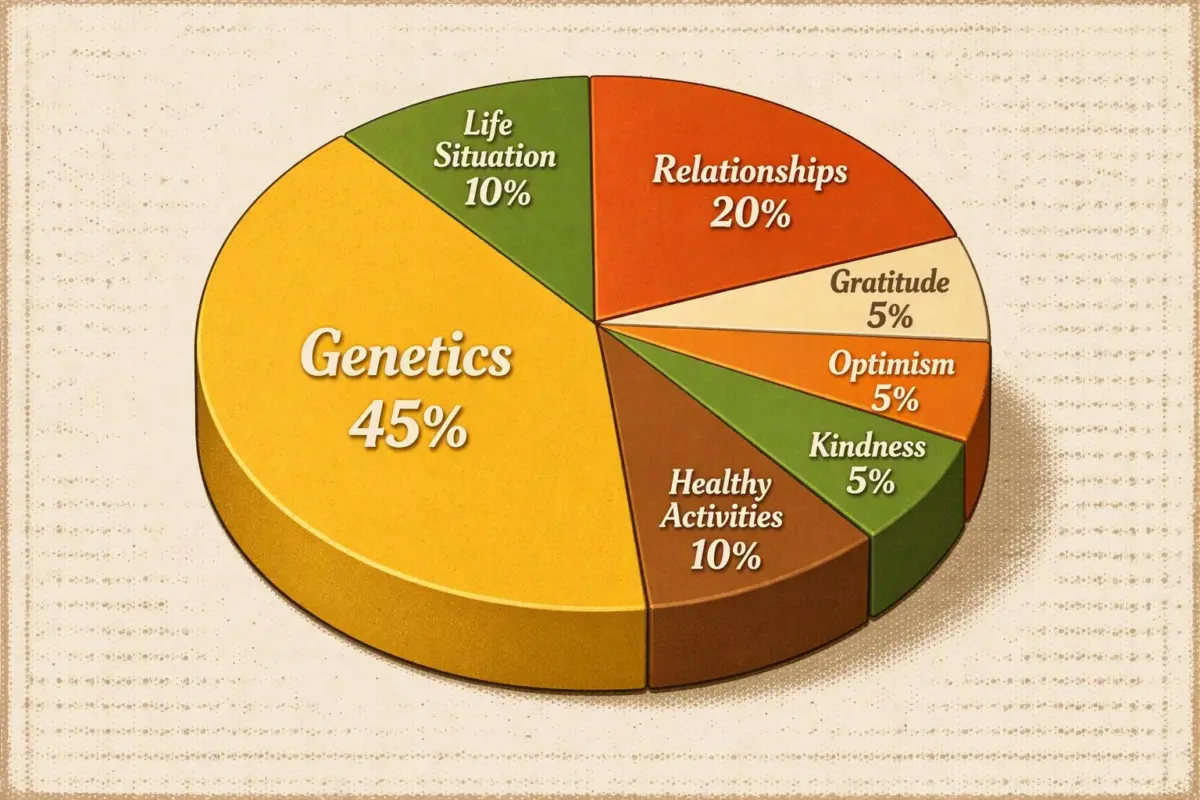
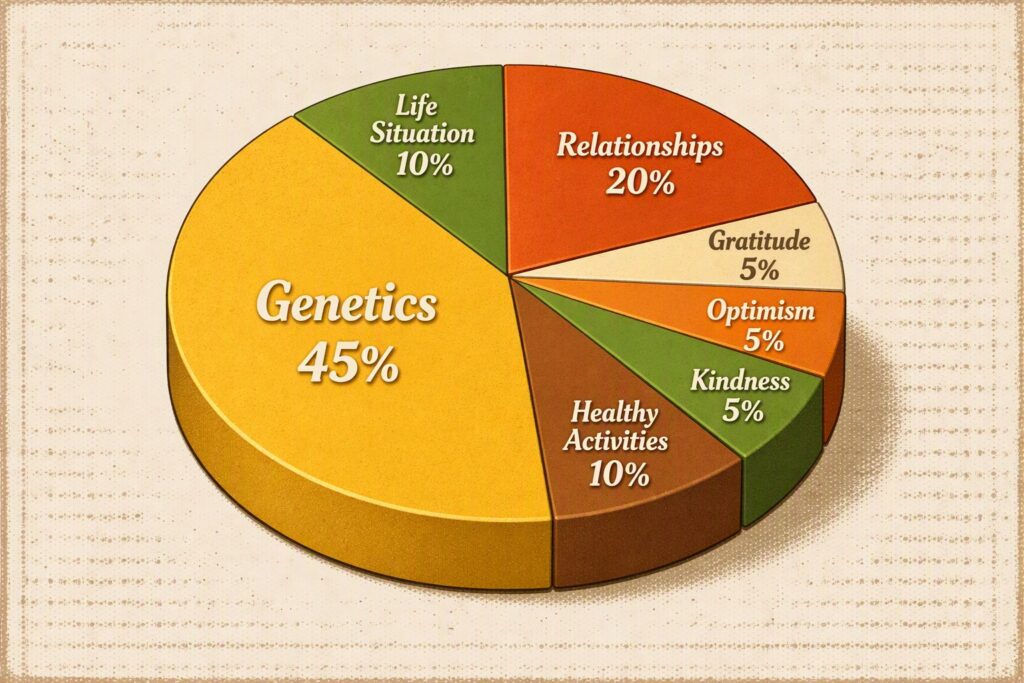
Standard of living, economic growth, and the feasibility of early retirement are all anchored to productivity enhancements. Furthermore, once basic material requirements and standards of living are met in developed nations, human happiness tends to stabilize in that dimension, shifting focus toward interpersonal relationships, gratitude, outdoor activity, and personal philosophy.

Confronting the Biology of Fear
The persistence of anxiety among investors, even those who have achieved financial independence, points to a deeper psychological phenomenon. Human beings are fundamentally danger-detection machines, an evolutionary trait designed to protect against predators, disease, and scarcity. When modern society successfully mitigates these fundamental threats, the human brain does not simply turn off its vigilance mechanism; instead, it moves the goalposts.
Once physical survival and basic financial security are secured, anxiety often migrates toward social status, tax strategies, portfolio maintenance, or even minor community grievances such as neighborhood property standards. This persistent background fear is frequently amplified by a daily diet of news media designed to highlight the most alarming stories of the day.

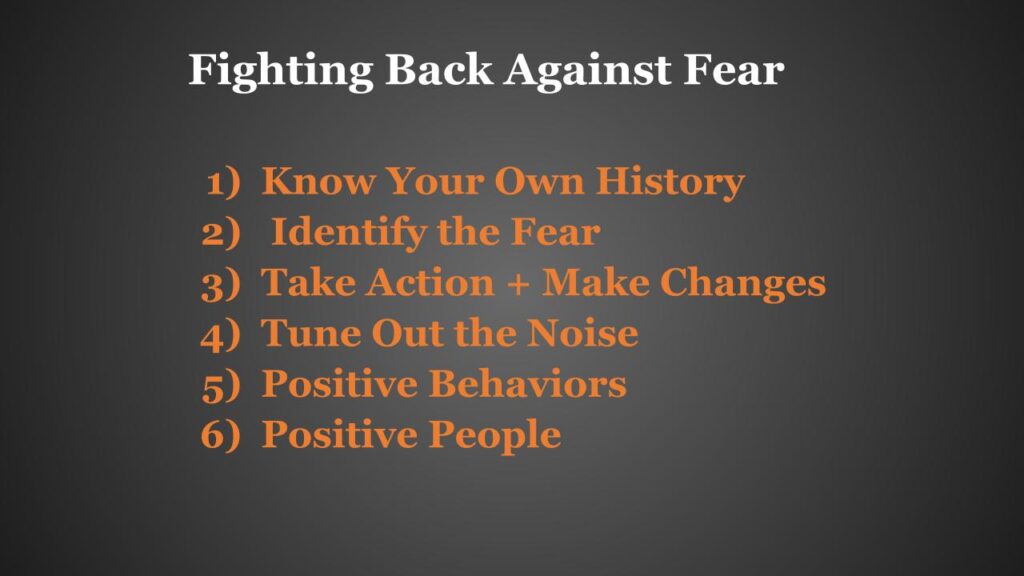
Addressing this cyclical worry requires self-awareness and an understanding of personal history. Childhood experiences, family attitudes toward money, and past trauma often manifest as financial scarcity mindsets in adulthood. By identifying specific fears and examining their actual worst-case scenarios, individuals can replace passive worry with proactive behavior. Taking tangible actions helps make the unfamiliar manageable, building the resilience necessary to adapt to unforeseen circumstances.
Viewing the AI Era Through the Lens of Experimentation
These principles apply directly to the contemporary debate surrounding Artificial Intelligence. Rather than viewing the technology through a lens of pure dread, it can be conceptualized as a massive ongoing experiment and a potent tool for efficiency—effectively a cognitive nail gun.

Like previous technological revolutions, AI promises to significantly boost productivity and lower the costs of various services, while simultaneously displacing certain entry-level office and administrative roles. This dynamic mirrors previous industrial shifts, where old tasks were automated and new, highly productive industries subsequently emerged, much like the widespread economic transformation driven by the internet and mobile smartphones.

While the economic gains of such innovations often concentrate among asset owners and shareholders, the broader trajectory of technological advancement remains a powerful engine for societal capability. Approaching technological shifts as experiments rather than existential threats allows individuals to focus on continuous learning, personal adaptability, and constructive engagement rather than succumbing to cyclical panic.