
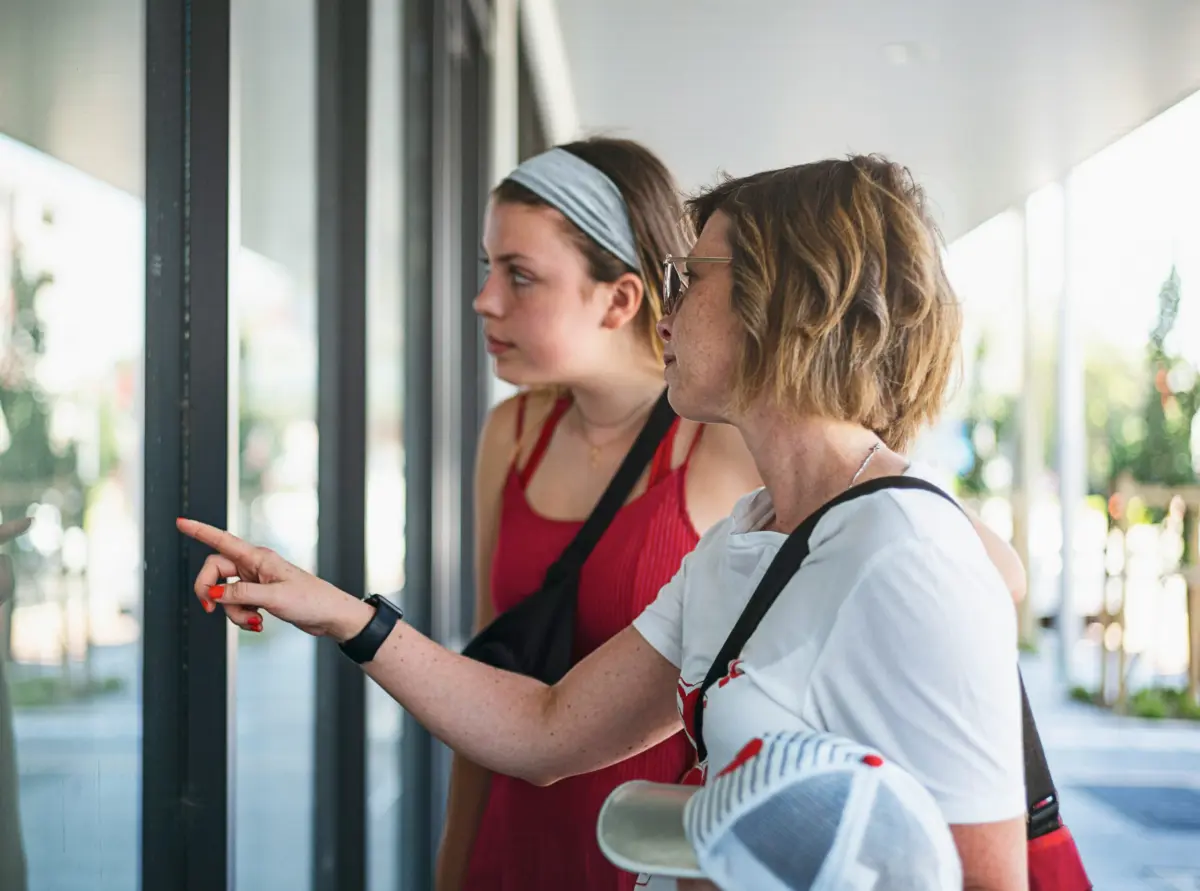
The biggest milestone of a teenager’s first autumn in high school is rapidly approaching, marking the arrival of homecoming season—a weeklong celebration of school spirit, athletic events, and community pride that culminates in the traditional weekend dance. For writer Holly Garcia, this year’s festivities brought a mix of parental excitement and deep-seated personal anxiety as her freshman daughter prepared for her very first high school dance.
At first, her daughter remained undecided about whether she wanted to attend. While Garcia assured her that going was entirely her own choice, she gently encouraged her to give the experience a try. Within a week, the teenager was fully committed. The preparations quickly fell into place: a group of close girlfriends was organized, tickets were secured, and dinner reservations were locked in. However, tackling the search for the perfect dress loomed large, prompting Garcia to clear an entire afternoon to make a proper shopping event out of it.
While Garcia felt hopeful that the outing would be enjoyable, she admitted to feeling a lingering sense of apprehension. Memories of her own teenage years in the early 2000s left her with anything but fond recollections of retail dressing rooms, particularly as a curvy teenager navigating an era of fashion that severely lacked body inclusivity.
During the early 2000s, commercial fashion rarely catered to diverse body types, leaving teenagers who landed between sizes 10 and 14 with limited options and significant self-doubt. Garcia recalls a core memory from her own freshman homecoming shopping experience that has stayed with her for decades. Dragged from store to store by her mother through a local shopping mall, she found that the selections in the juniors department consistently failed to fit properly, frequently proving too short or overly restrictive. When her mother suggested exploring the misses department instead, it introduced an entirely new layer of devastation to an already humiliating adolescent ordeal.
Ultimately, that search concluded with the purchase of a long, yellow dress from David’s Bridal—an outfit her mother insisted made her resemble character Andie Anderson from the romantic comedy How to Lose a Guy in 10 Days, a comparison Garcia knew was entirely untrue. Looking back decades later, however, Garcia views the moment with newfound empathy, understanding the desperation of a mother listening to her daughter sob, rage, and express intense self-loathing while feeling utterly powerless to alleviate her distress.
That formative experience, which left a lasting psychological mark and continues to inspire personal essays years later, generated considerable anxiety as Garcia prepared to shop alongside her own daughter. Conscious of the risk of projecting her own historical insecurities onto the next generation, Garcia made a concerted effort to avoid making her daughter self-conscious about her appearance. Even so, she had been holding her breath in nervous anticipation ever since her daughter first expressed a desire to attend the dance.
Fortunately, the recent shopping excursion proved to be an overwhelmingly positive experience for both mother and daughter, steering clear of the trauma that characterized Garcia’s youth. After trying on numerous options—many that Garcia admired and most that her daughter appreciated without feeling compelled to take home—they finally discovered the right fit. The chosen garment is a short, black dress featuring a faux-corset design and stretchy fabric, but most importantly, it is an outfit that makes the teenager feel genuinely confident and comfortable in her own skin.
While her daughter is not entirely immune to teenage self-doubt and retains minor preferences regarding how certain elements of the outfit should fit, she remains genuinely happy with the selection. Garcia holds no doubt that the dress will serve as a cherished part of her daughter’s homecoming memories, but she is equally glad it will not overshadow the core experience itself. Recognizing that her continuous affirmations about how wonderful her daughter looks can occasionally sound repetitive or cause eye-rolls, Garcia remains unfazed, treating the compliments like an intentional mantra. Her goal is to ensure that later in life, during moments when she may not be physically present, her daughter will remember the experience and carry forward an inner resilience through times when body image struggles feel overwhelming.
Navigating the delicate balance of parenting a teenage girl involves walking a fine line. On one hand, Garcia works to instill the belief that her daughter is strong, beautiful, and capable, independent of clothing tag sizes or the unrealistic standards pushed by social media. On the other hand, she balances this encouragement by sharing her own personal vulnerabilities, hoping to normalize the reality that feeling less than fabulous 24/7 is a normal and acceptable part of human experience.
For Garcia, participating in this modern shopping trip served as an unexpected opportunity to heal her inner 14-year-old self. She notes that the positive outcome may even help quiet the lingering internal critic that occasionally whispers doubts about her own physical appearance. With plans to shop for a dress for her brother’s upcoming wedding in the near future, Garcia is determined to approach the retail excursion with the same attitude her daughter displayed: remaining fabulous, unbothered, and focused entirely on what truly matters—creating meaningful, joyful memories with loved ones who will ultimately pay little attention to what she wore.