
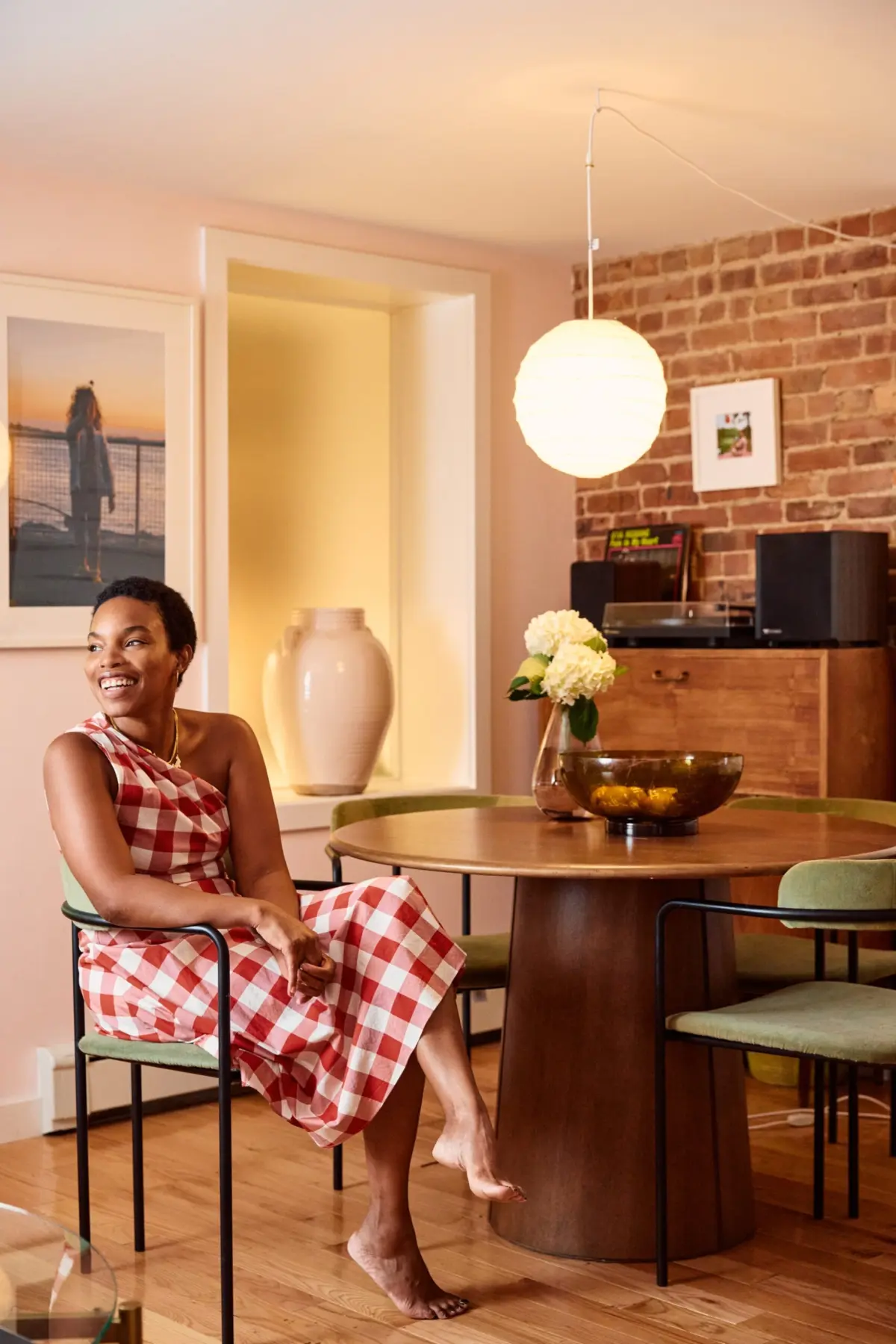
As the autumn season brings cooler weather and an increased desire to gather indoors with friends and family, party planning can often spark a familiar wave of anxiety for even the most seasoned hosts. Getting caught up in the minutiae of menus, seating arrangements, and immaculate home presentation is a common trap. However, veteran hosts and design enthusiasts suggest taking a collective deep breath, remembering that guests ultimately gather simply to enjoy the company of their hosts, and drawing inspiration from a collection of tried-and-true entertaining strategies gathered from prominent residential house tours.
Whether navigating the spatial limitations of a compact urban apartment or welcoming a steady stream of overnight guests, experienced hosts emphasize that the foundation of a successful gathering lies in flexibility, intentional preparation, and a focus on connection over perfection.

Hosting in Small Spaces
For those with modest square footage, entertaining a crowd often requires creative thinking and a willingness to break traditional interior layout rules. Rather than viewing a small home as a barrier to hospitality, creative homeowners have found that spatial constraints can actually foster a more intimate and energetic atmosphere.
Adapting the layout of a home prior to an event is a strategy utilized by many urban dwellers. By shifting furniture out of primary living spaces and into back rooms, hosts can radically transform the dynamic of a room. The primary objective for larger gatherings in compact settings is often to maximize open floor space, creating a fluid environment where guests can mingle comfortably without feeling boxed in by traditional seating arrangements.
When it comes to feeding a crowd in a small home, traditional sit-down dinners are frequently abandoned in favor of more practical alternatives. Setting out a self-serve buffet in the kitchen allows guests to graze at their own pace while liberating the host from the confines of kitchen duty, ensuring they have ample opportunity to engage in meaningful conversations rather than managing plate service. For spaces that cannot accommodate a dining table for multiple guests, some hosts prefer to bypass a formal dinner altogether, opting instead for evening drinks and appetizers that encourage guests to circulate and sprawl naturally throughout the entire living space, reinforcing the idea that the core purpose of a gathering is social connection rather than an elaborate culinary presentation.
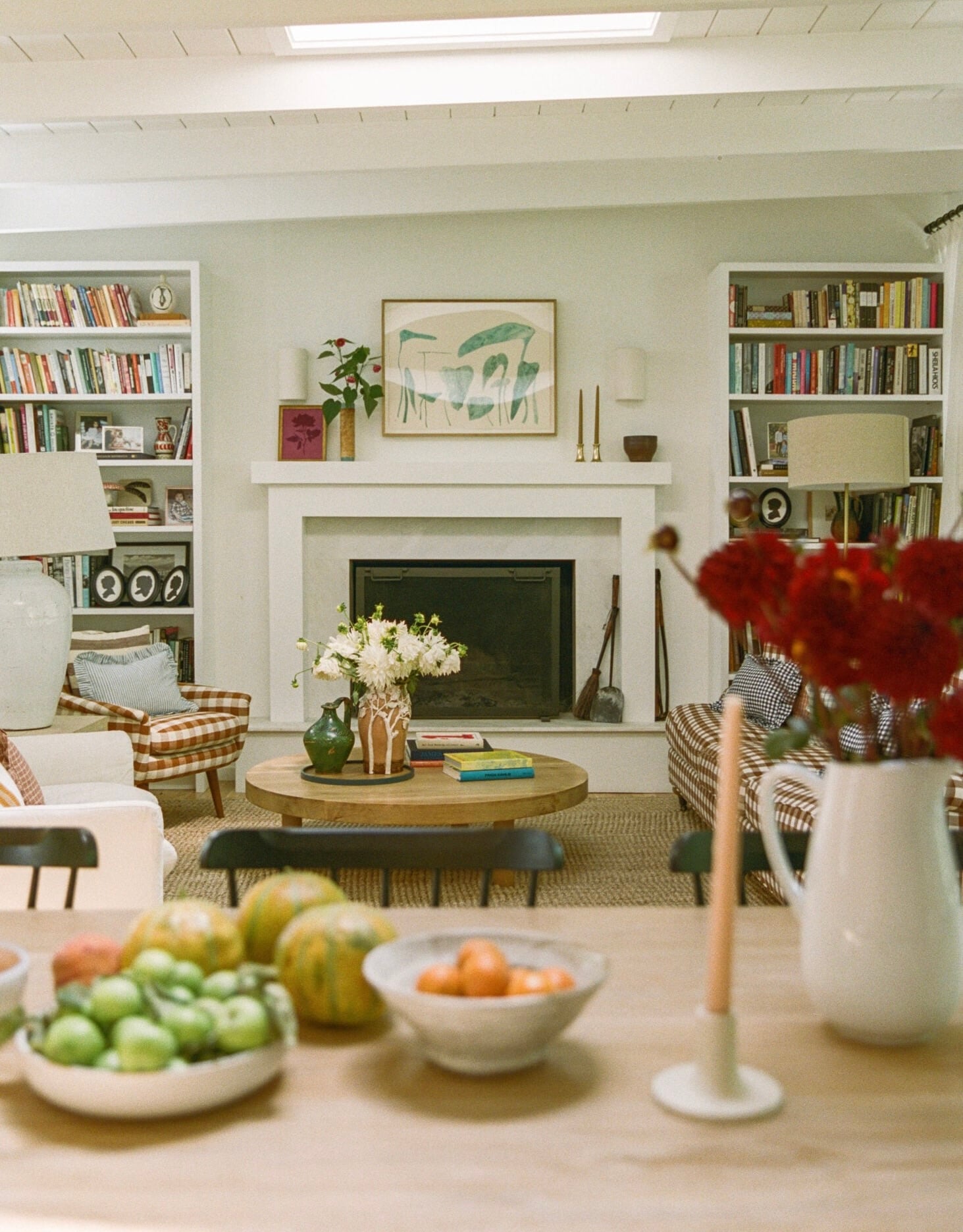
Easy Meals for Entertaining
Streamlining the menu is another cornerstone of stress-free hosting. Rather than attempting complicated, multi-course restaurant-style meals, successful hosts rely on reliable, make-ahead dishes that impress guests while minimizing active kitchen time during the party.
Classic recipes with nostalgic roots often take center stage. Dishes such as traditional chicken Marbella—a sweet and savory creation featuring chicken marinated overnight with prunes, capers, green olives, bay leaves, and parsley—offer both visual appeal and robust flavor. Such dishes can be prepared well in advance and paired simply with rice and a large salad, allowing the host to remain present with their guests. Similarly, baked salmon featuring a sweet and spicy cumin-brown sugar glaze, accompanied by sautéed spinach tossed with golden raisins and pine nuts, provides an elegant yet remarkably straightforward main course that consistently satisfies dinner guests without requiring last-minute culinary acrobatics.
Creative Themes and Interactive Gatherings
Injecting a unique theme or interactive element into a gathering can instantly elevate a simple get-together into a memorable event. Rather than relying solely on standard background chatter, some hosts introduce unconventional activities that reflect their personal interests and sense of humor.

From hosting intimate annual concerts featuring acoustic renditions of traditional folk and murder ballads to organizing seasonal culinary celebrations dedicated entirely to a specific ingredient, thematic parties give guests a shared focus. Summer tomato feasts, where every dish on the menu incorporates fresh seasonal produce, or impromptu spirits tastings highlighting unique regional imports—such as cardamom-forward gins from India—provide built-in conversation starters and transform a standard dinner party into an engaging shared experience.
Accommodating Overnight Guests
Preparing a home for overnight visitors requires a shift in perspective, moving from a mindset of temporary staging to genuine hospitality. Homeowners who frequently host overnight guests stress the importance of firsthand experience. Sleeping in the guest room oneself is a practical method for identifying discomforts, drafts, or missing amenities that might otherwise go unnoticed. Furthermore, experts suggest resisting the common tendency to relegate unwanted household items to guest quarters, opting instead to furnish the space with thoughtful touches and items that reflect genuine care for the comfort of visitors.
Efficiency and self-sufficiency are also key components of a well-run household. Keeping refrigerator staples—such as milk, specialty beverages, and celebratory drinks—fully stocked and clearly accessible allows overnight guests to feel at home and help themselves without constantly needing to ask the host for assistance, fostering a relaxed environment for everyone involved.

Setting a Relaxed Vibe
Ultimately, the atmosphere of any gathering is dictated by the comfort level of both the host and the attendees. Cultivating a genuinely welcoming environment often involves adopting an easygoing philosophy regarding schedules and arrivals. An open-door policy, where close friends feel comfortable letting themselves in before the hosts have even returned home, establishes an immediate sense of ease and belonging.
Anticipating the specific preferences of frequent visitors—whether that involves keeping a particular brand of beer or sparkling water on hand—demonstrates a level of thoughtfulness that resonates with guests and sets a tone of attentive hospitality. Additionally, managing the social dynamics of a room remains a subtle art for the host. While mingling naturally occurs in clusters, active hosting often involves circulating purposefully through different groups of guests, ensuring that conversations remain dynamic and that every attendee feels included in the collective energy of the room.