
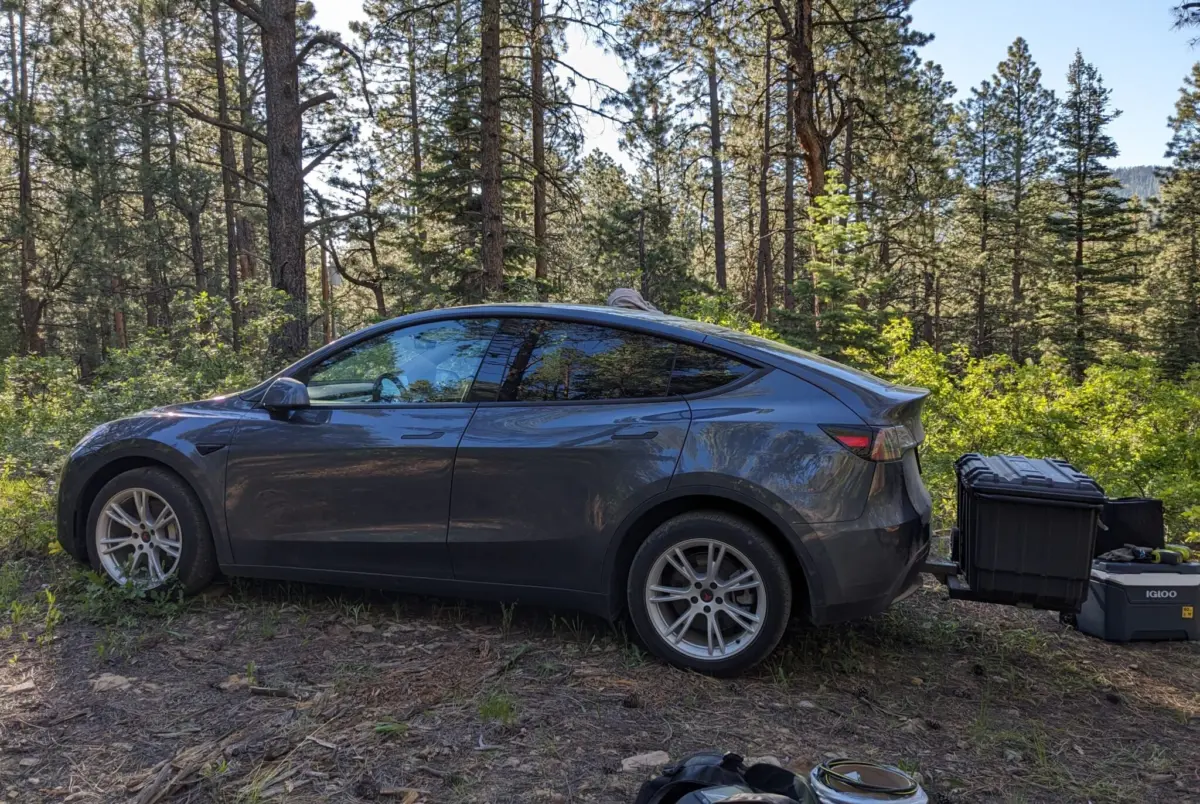
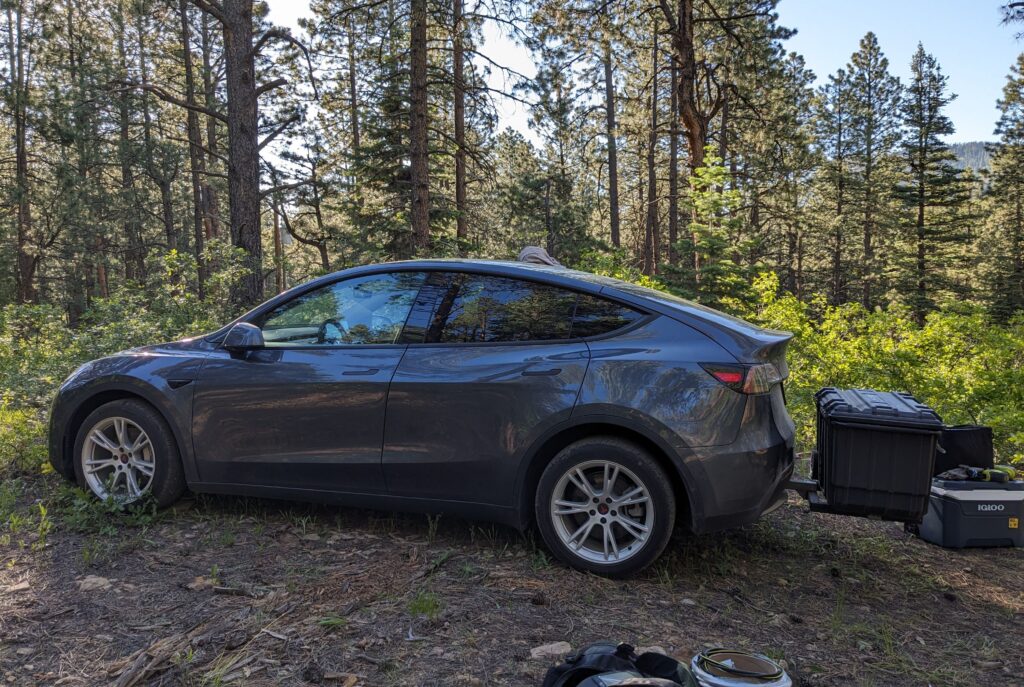
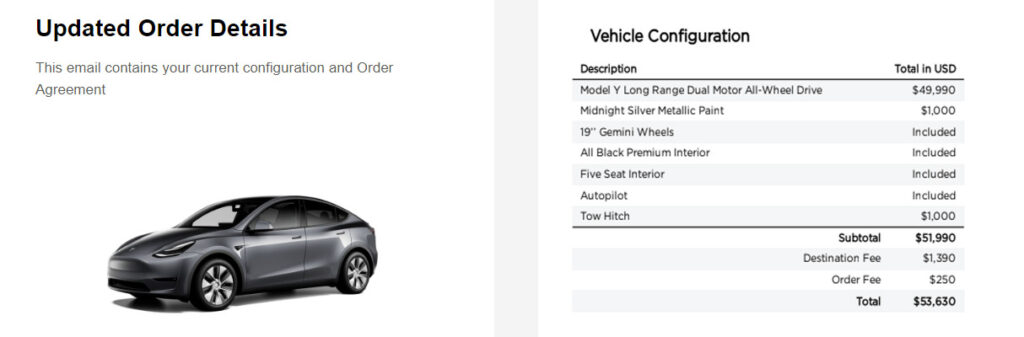
For more than a decade, the man known globally as Mr. Money Mustache has preached the gospel of hyper-frugality, early retirement, and a deep, foundational hatred of car culture. He built his brand—and secured his own financial freedom nearly two decades ago—on the principle that most people drive cars they cannot afford and utilize private vehicles far more frequently than necessary. Yet, in a move that has left even seasoned financial minimalists scratching their heads, the prominent blogger is jumping through the bureaucratic and financial hoops required to purchase a brand-new, luxury 2023 Tesla Model Y.
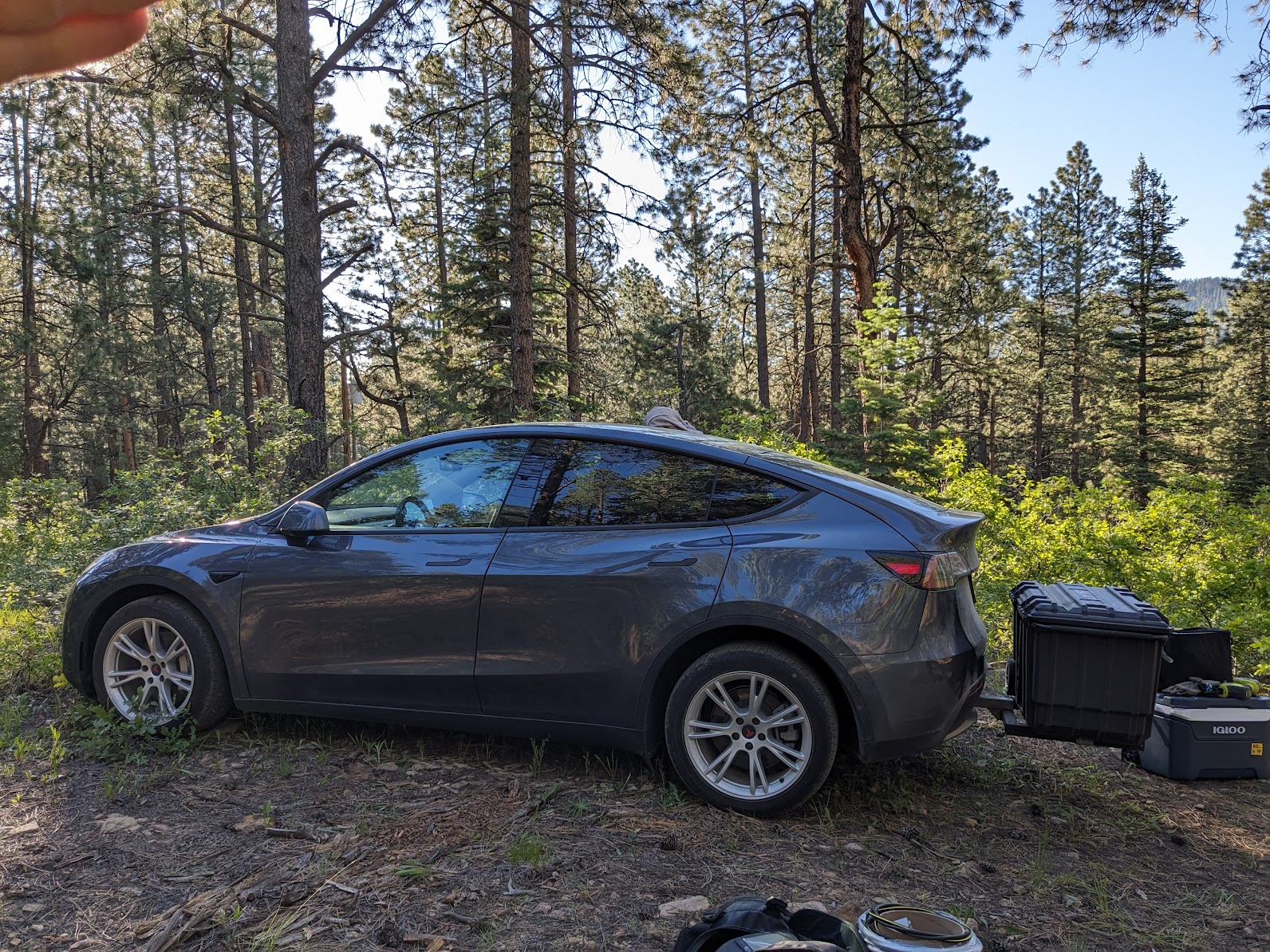
The net cost of the electric crossover, factoring in applicable taxes and tax credits, lands at approximately $52,000. It is a staggering financial leap from the vehicle it replaces: a classic Honda minivan purchased off Craigslist twelve years ago for just $4,500. While modest by modern standards, that old van served its owner dutifully until recently, crisscrossing mountains and deserts across the country while hauling materials to help rebuild houses within his local neighborhood.
For a financial commentator who has spent years dodging the temptations of expensive automobiles—procrastinating on this very purchase for four years despite pressure from peers and internet commenters alike—the acquisition feels like a betrayal of personal lore. Yet, the purchase serves as the launching pad for what he has dubbed "The Model Y Experiment," a public tracking project examining the realities of long-term ownership, customer service, and vehicle quirks.
The decision to pivot away from a decades-old mindset of scarcity did not happen in a vacuum. It was forged through internal friction, exemplified by a routine grocery store trip. Standing in a standard supermarket aisle, he confronted a loaf of bread priced at an eye-watering $6.99—nearly double what he was accustomed to paying at bulk discount stores. Initial waves of indignation and thoughts of a consumer boycott quickly gave way to a pragmatic realization: waking up in the future to lament an extra $2.49 in a bank account would not make a person any happier.
Conversations with peers who had similarly ground their way to early retirement through disciplined frugality revealed a shared psychological hurdle. Despite commanding net worths significantly higher than necessary to sustain their lifestyles, these individuals routinely found themselves paralyzed by old habits—battling over minor grocery expenses, avoiding comfortable transportation options like airport Ubers in favor of hour-long bus rides, and reflexively stashing away every surplus dollar into an already bloated investment portfolio.
This behavioral pattern illuminated a classic piece of life wisdom: what gets someone to a certain destination will not necessarily get them where they are going next. For individuals who have successfully amassed a comfortable cushion—such as a $2 million nest egg paired with a mortgage-free home and a modest lifestyle costing under $40,000 per year—adhering strictly to a survivalist budget can morph into an unnecessary form of self-punishment. Traditional retirement metrics like the four percent rule suggest a safe annual withdrawal rate that leaves considerable room for discretionary enjoyment, yet many lifelong savers continue living on a fraction of their means, funneling excess funds into an ever-expanding pile while letting their quality-of-life spending wither.
To combat this psychological barrier, the financial blogger and his peers outlined strategies aimed at consciously enjoying accumulated wealth while still alive. The first involves establishing a realistic minimum spending budget that reflects actual financial security rather than perpetual scarcity. The second relies on psychological framing—creating a dedicated, ring-fenced account for guilt-free spending so that personal funds begin to psychologically mimic corporate expense accounts, stripping away the anxiety of the daily tally. The third strategy centers on accountability, leaning on trusted friends to call out unnecessary cheapness and actively encourage worthwhile splurges.
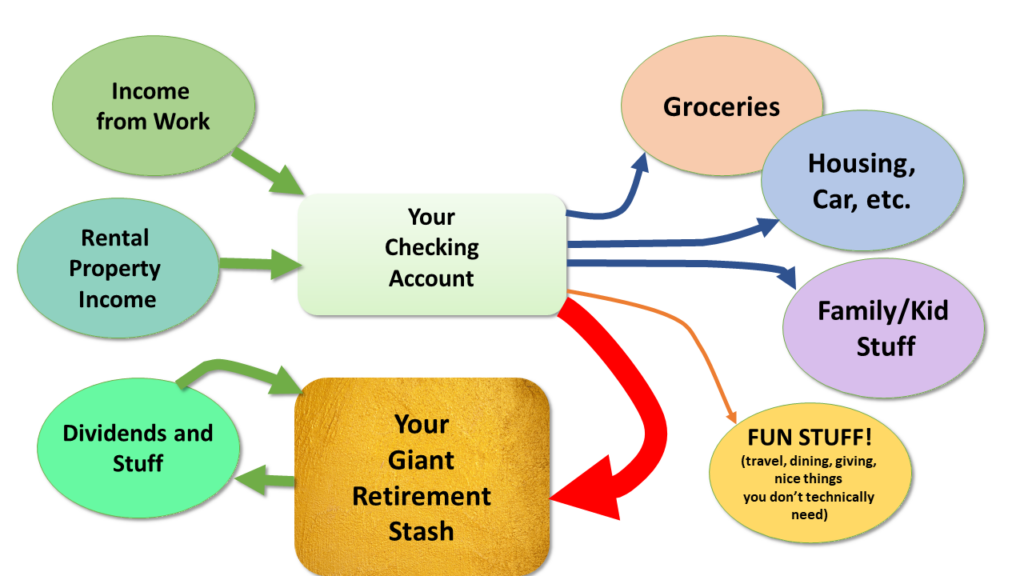
For Mr. Money Mustache, the decision to spend approximately $50,000 on a Tesla Model Y represents a calculated first step in this new philosophy. Realistically, the electric crossover is projected to add roughly $10,000 per year in operating and depreciation costs compared to the aging van. However, because the vehicle’s primary mission involves facilitating long-distance camping trips, road adventures, and social gatherings, the added expense aligns directly with a broader goal of prioritizing experiences over accumulation.
The reaction from some corners of the internet has been predictable, with critics arguing that such privileged purchases ignore global problems or suggesting the funds would be better directed toward charity. Yet, the blogger notes that lifelong philanthropy and personal frugality are not mutually exclusive. Having previously donated more than $500,000 to charitable causes during his tenure as a writer, he points out that an over-indexing on scarcity can create a counterproductive mental feedback loop, where even a modest dinner out triggers irrational fears of financial ruin.
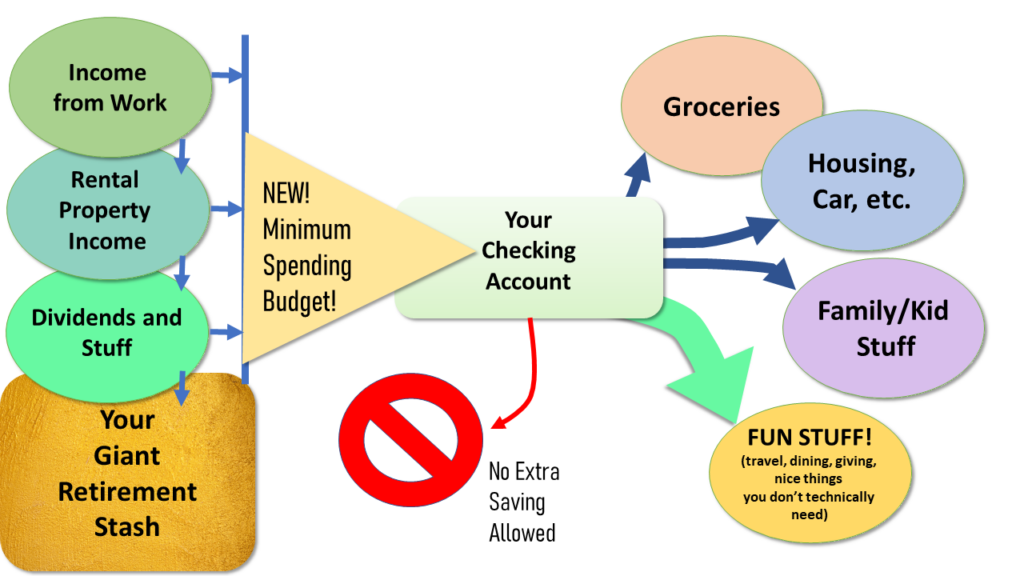
Ultimately, the transition away from the gasoline era marks a deliberate shift in perspective. After decades of driving underpowered, noisy vehicles and wrestling with mechanical unreliability on mountain passes—culminating in a final, hot transmission failure on the way home from a community project in Salida, Colorado—the time had arrived to embrace modern efficiency. Peddle, an online vehicle salvage service, hauled away the faithful old Honda for $715 in cash, funds that were immediately redirected toward celebratory dinners out in honor of the transition.
With the old van laid to rest after a 24-year run, the focus now shifts forward. Whether utilizing referral programs for discounts or documenting the day-to-day realities of electric vehicle ownership through his new tracking page, the experiment in intentional spending has officially begun, leaving the noise and friction of the past firmly in the rearview mirror.