
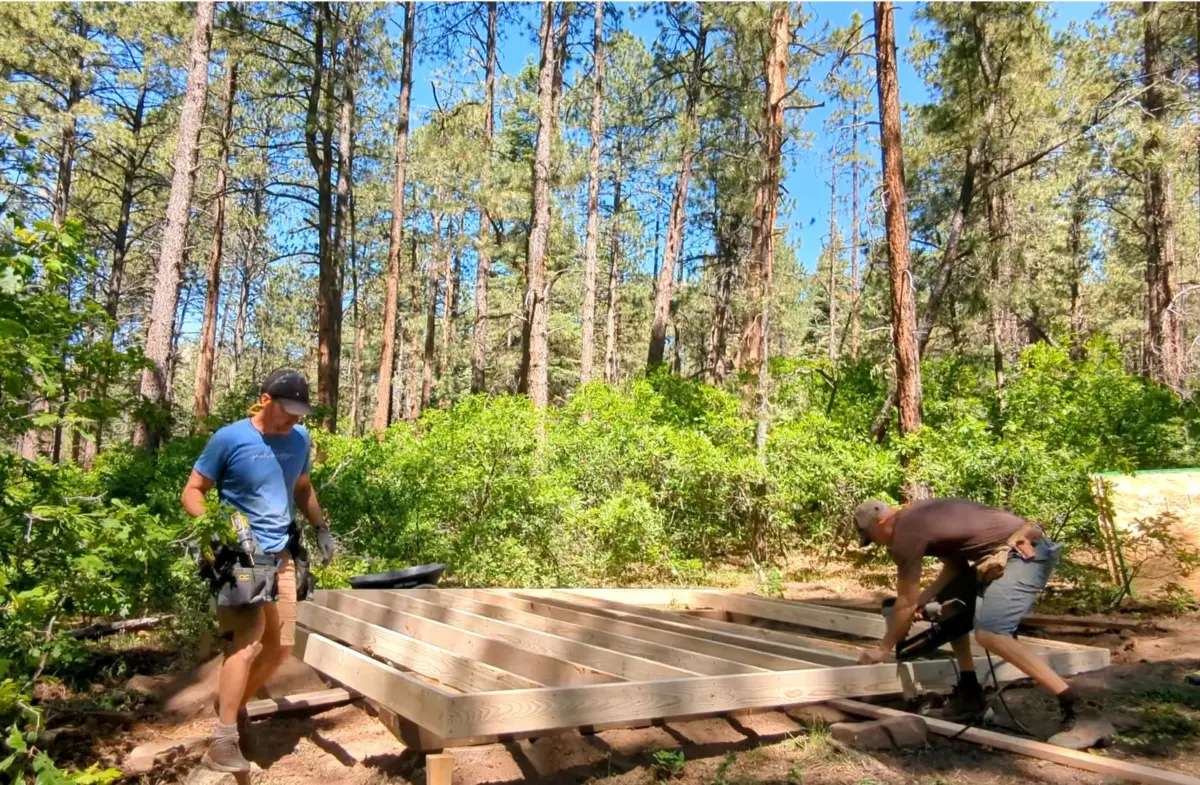
As with many cultural shifts and paradigm-shifting ideas in contemporary life, it all began with a podcast episode. In a recent edition of his widely followed program, physician Peter Attia interviewed a guest whose work initially seemed detached from everyday lifestyle concerns: a young, sharply presented author promoting a newly released book. However, the title and premise of the episode proved compelling enough to command attention.
The episode centered around "The Comfort Crisis," a phrase that neatly encapsulates a core philosophy championed by advocates of minimalistic and intentional living for over a decade. While mainstream headlines frequently broadcast anxieties regarding personal debt crises, public health emergencies, and other societal fractures that imply life has become insurability difficult, a contrary phenomenon is often overlooked. On average, modern citizens in developed nations face an overabundance of ease and luxury. The primary underlying issue is not the presence of hardship, but a collective failure to recognize hyper-comfort and the quiet, cumulative damage it inflicts on human well-being.

Driven by curiosity, listeners tuning into the two-hour discussion found themselves compelled to pick up the book, digesting its contents in careful, reflective segments. The author behind the work is Michael Easter, a former writer for Men’s Health magazine whose personal background includes overcoming a severe struggle with alcohol addiction—a battle deeply rooted in his family history. Easter’s victory over substance dependency lends his writing a sharp, authentic perspective when examining the broader tug-of-war between comfort and hardship that defines contemporary existence.
Understanding the Roots of the Comfort Crisis
At its core, Easter’s book examines how modern humans have engineered discomfort out of daily life, and the psychological and physical tolls that follow. The book adopts a narrative style common in popular science literature, alternating between two distinct threads. One thread chronicles an intensely demanding, remote caribou hunting expedition in the rugged wilderness of Alaska, while the other weaves in scientific research, psychological studies, and cultural commentary to decode the trials of the journey. This dual structure allows readers to process and apply the lessons to their own suburban or urban routines.

Consider the common phenomenon of hyper-focused suburban neighbors or homeowners association board members fixating on minor infractions, such as slightly overgrown grass or localized disputes. While these behaviors often seem baffling, scientific research offers a clear explanation. Human beings possess an evolutionary tendency to continuously scan their environments for threats, regardless of how safe and pristine those environments actually become.
Referencing psychological research cited in the book, studies investigating human threat-detection in progressively safer environments reveal a predictable pattern. When individuals run out of genuine dangers to monitor, the human brain begins expanding its criteria for what constitutes a threat. As people experience fewer actual problems, satisfaction does not proportionately increase; instead, the threshold for what is perceived as a problem simply drops.
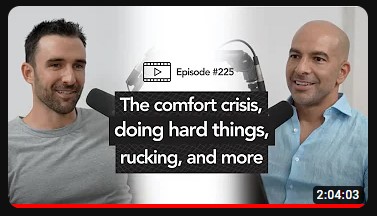
In environments largely devoid of survival threats, humans tend to invent grievances to fill the void. Political systems and public discourse frequently cater to these micro-concerns, amplifying trivial wedge issues that foster unnecessary division. Conversely, populations surviving in demonstrably harsher environments often exhibit higher resilience and lower frequencies of petty complaining. Interviews with residents in active conflict zones, such as parts of Ukraine, frequently reveal a surprising baseline of psychological endurance, with many expressing a sense of normalcy despite profound external instability.
This adaptation principle also illuminates generational trends in wealth and ambition. First-generation immigrants often build enterprises and accumulate capital because they adapted to tougher, less comfortable environments in their regions of origin, making adopted countries appear remarkably accessible and full of opportunity. Subsequent generations, born into cushioned environments, frequently lack that baseline adaptation, leading to complacency and resource depletion.

The Healing Power of Nature and Physical Exertion
Beyond the psychological trap of manufactured worry, the book explores why immersion in the natural world revitalizes human health, whereas cubicles, sedentary jobs, and automobile commutes gradually wear individuals down. Human biological wiring responds profoundly to natural stimuli in ways artificial environments cannot replicate. Research demonstrates that simply placing a single plant inside a hospital room measurably accelerates patient recovery across a wide range of ailments. Scaling that exposure to hours or days spent within a living forest yields exponential biological and mental benefits.
The text also addresses the human ratio of effort to reward, noting that psychological satisfaction scales directly with the difficulty of the labor invested. Yet, humanity maintains a persistent, counterproductive aversion to physical exertion. Observational data regarding modern infrastructure illustrates this vividly, noting that only a tiny fraction of people choose stairs when an escalator or elevator is readily available.

This avoidance carries substantial physiological costs. Regular physical movement drastically reduces the probability and severity of chronic disease. Integrating sustained physical exertion, heavy load-bearing tasks, and outdoor exposure into daily routines represents one of the most thoroughly tested and effective interventions for physical and mental longevity. Despite this, contemporary routines remain heavily anchored in indoor sedentariness, digital consumption, and reliance on medical interventions to manage self-inflicted lifestyle ailments. Prioritizing foundational habits—such as outdoor time, physical labor, minimized driving, and reduced consumption of processed foods and alcohol—serves as the primary lever for health, preceding specialized medical treatments.
Real-World Application in the Wilderness
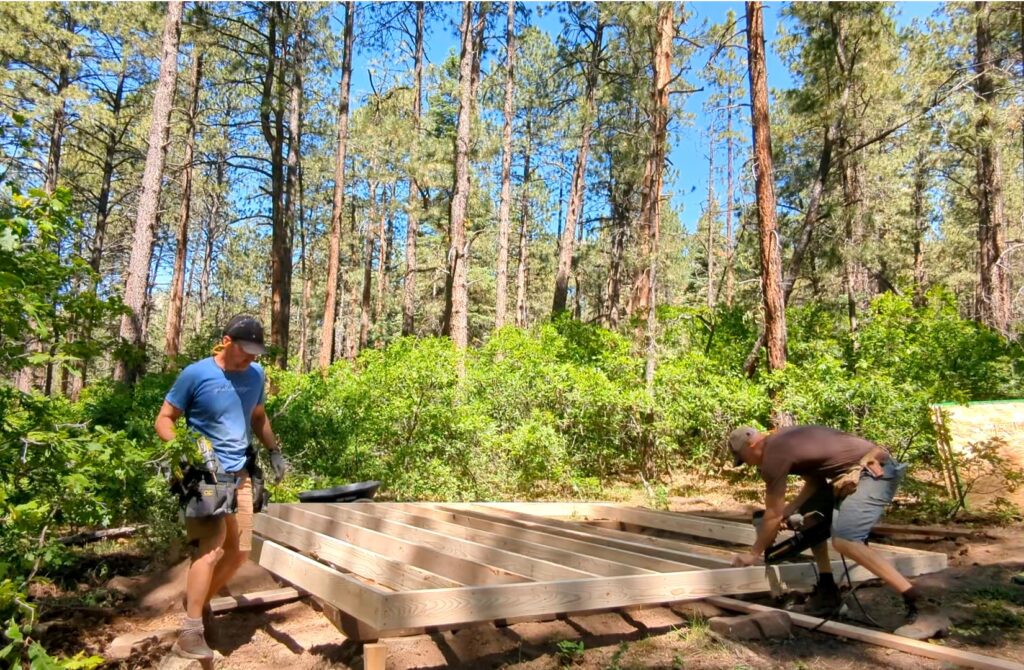
The philosophical arguments of the book find practical resonance when tested against real-world challenges. A solo journey deep into the mountains of Southwestern Colorado offered a firsthand test of these concepts. Packing a vehicle with provisions, camping supplies, and tools necessary for construction projects in Salida and Durango, the trip immediately tested adaptability.
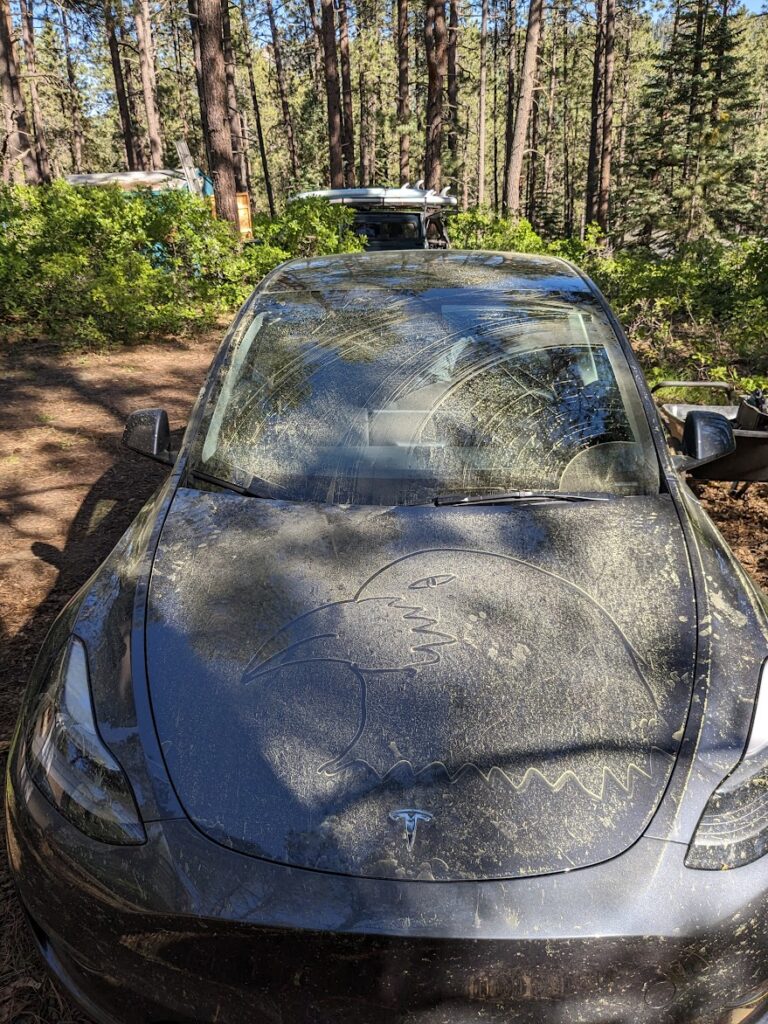
Encountering torrential mountain downpours, unexpected traffic citations in remote towns, and a sudden windshield fracture from a stray pebble on the highway, the initial reaction was one of disruption and stress. In a life characterized by high levels of comfort and stability, minor friction points frequently trigger disproportionate psychological reactions. However, viewed through the lens of intentional endurance, these inconveniences offered valuable perspective.
Transitioning further into the high desert and mountain forests near Durango introduced physical demands under peak summer conditions. Working outdoors without indoor plumbing, managing limited water supplies, protecting food rations, and sleeping inside a vehicle far from urban amenities presented daily friction. Yet, rather than inducing despair, the physical demands of labor and adaptation fostered a growing sense of resilience and capability.
An afternoon excursion to the remote Lemon Reservoir further underscored these dynamics. Venturing onto the water with paddleboards during a stiff wind without communication devices or modern conveniences initially presented elements of risk and discomfort. Battling whitecap waves and navigating far from shore without a rigid itinerary reflected the principle of leaning into difficulty rather than retreating from it. Reaching an isolated, wildflower-strewn meadow and later drifting across deep blue water yielded moments of profound serenity and mental clarity.
The experience culminated with a return to civilization, highlighted by a stark physical reminder regarding human appetites. Following days of strenuous outdoor labor and sparse rations, a simple return to a traditional meal emphasized how modern abundance dulls appreciation. A large post-expedition dinner at a local Mexican restaurant provided a striking sensory reminder that satisfaction is deeply heightened by preceding periods of hunger and effort.

Balancing Purposeful Hardship and Financial Independence
Discussions surrounding financial independence movements frequently touch upon the critique that disciplined savers struggle with spending and enjoyment. While intentional spending on experiences, personal development, and community generosity remains valuable, the risk of seeking continuous ease persists.
The underlying challenge is recognizing the subtle creep of comfort-seeking behaviors that quietly erode natural resilience and vigor. Maintaining a deliberate balance requires actively preserving challenges even as financial security and life circumstances improve. Acquiring better tools rather than softer chairs remains a reliable metaphor for navigating the tension between comfort and capability, ensuring that growth, resilience, and vitality remain central components of daily life.