

For over a decade, the global financial landscape remained remarkably steady, operating under a regime of near-zero interest rates that defined an entire era of economic growth. That long-standing normal abruptly shifted as central banks moved to combat inflationary pressures, pushing borrowing costs to multi-decade highs. This rapid transition has left many consumers wondering how to interpret the shifting economic tides and whether they need to alter their long-term financial strategies.
While daily financial news outlets routinely dissect every minor interest rate adjustment, the core question facing everyday savers, homebuyers, and investors is rarely addressed directly: how should individuals adapt their financial habits to this new environment? Understanding the mechanics behind these changes provides crucial context for navigating the current market without falling prey to short-term panic.

Why Is This Happening, and What Got Us Here?
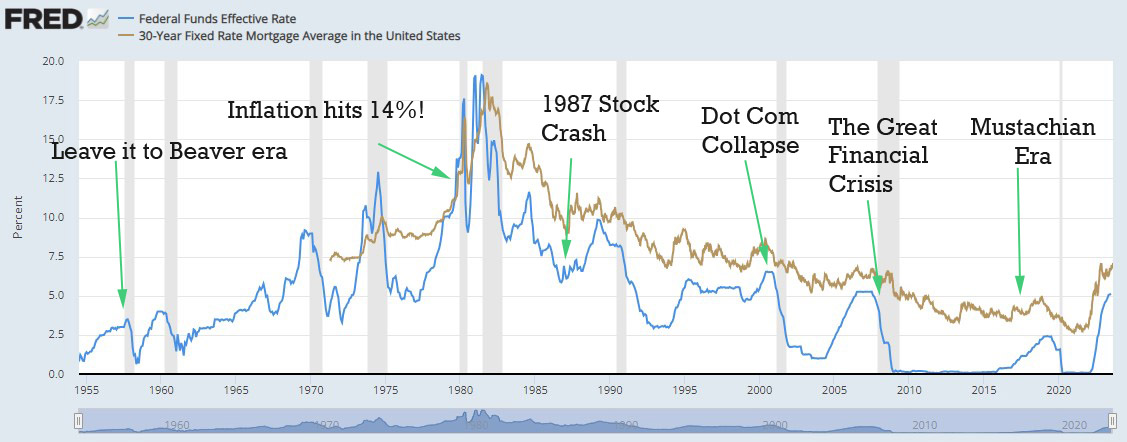
To understand the current economic environment, it helps to view interest rates as a massive gas pedal controlling the speed of the broader economy, with the Federal Reserve acting as the driver. For the better part of two decades following the 2008 financial crisis, central banks kept the pedal pressed firmly downward, injecting a steady stream of low-cost capital into the financial system.
This prolonged period of cheap money fueled widespread economic activity. Mortgages became remarkably affordable, driving a sustained boom in residential real estate purchases and new construction. Businesses and entrepreneurs capitalized on low borrowing costs to secure venture capital and commercial loans, launching new enterprises, leasing office space, building factories, and hiring millions of workers. Those employees, in turn, fueled consumer demand by purchasing homes, vehicles, and everyday goods.
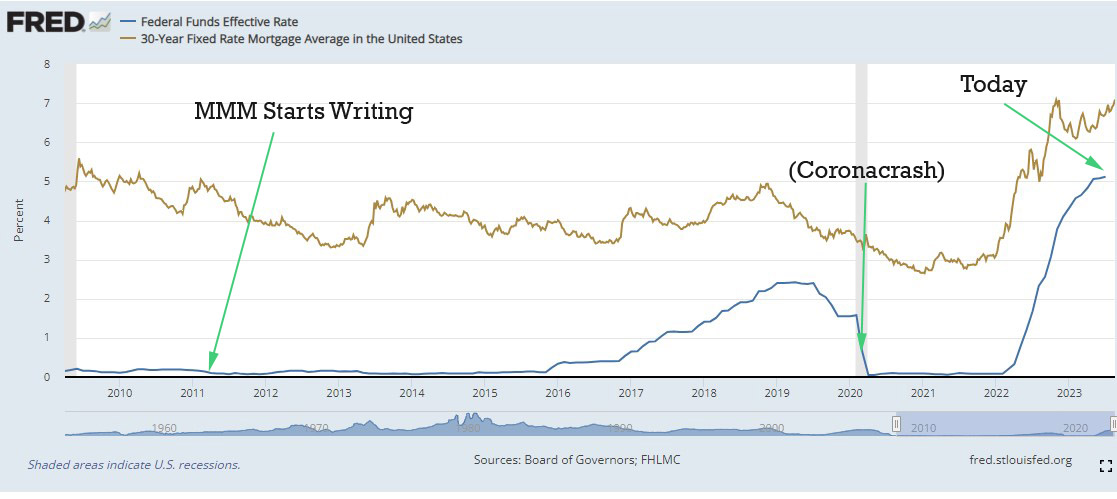
This extended period of monetary stimulus supported significant economic expansion, wealth creation, and innovation. Eventually, however, the dynamic tipped past equilibrium. An abundance of available capital began chasing a limited supply of goods and services, particularly within the housing sector, igniting a wave of unacceptably high inflation.
In response to mounting inflationary pressures, the Federal Reserve began easing its foot off the monetary gas pedal, raising benchmark interest rates to cool economic activity. The effects were swift and predictable. Higher borrowing costs immediately impacted the housing market as prospective buyers paused purchases in the face of steep mortgage rates. Corporations scaled back expansion plans, leading to notable hiring freezes and workforce reductions across major technology and retail firms. The financial sector also experienced localized turbulence, including mid-sized banking contractions that briefly rattled market confidence.

Despite media narratives frequently framing these adjustments as signs of deep economic distress or systemic failure, broader economic indicators present a different picture. Unemployment rates have hovered near historic lows, and the overall productive capacity of the economy remains remarkably robust. Rather than signaling an impending catastrophe, the current monetary tightening cycle functions essentially as a cooling-off period designed to stabilize an economy that had absorbed an immense amount of liquidity over a short timeframe.
How to Approach Stocks and Savings in a High-Rate Environment
A common concern among investors during periods of rising interest rates is whether to liquidate equity holdings to preempt a potential market downturn. Historical market behavior suggests that attempting to time the stock market by moving in and out based on short-term macroeconomic shifts is rarely effective. While market pullbacks and periods of flat performance occur regularly, equities have historically trended upward over extended horizons. Consequently, market corrections can often be viewed by long-term investors as opportunities to acquire assets at more favorable valuations.

At the same time, the resurgence of high-yield savings accounts and money market funds offering attractive returns introduces a new variable for savers. When interest rates hovered near zero, parking cash in fixed-income vehicles yielded negligible returns compared to the historical growth of the stock market. With short-term savings instruments now offering substantial yields, savers must weigh the immediate security of guaranteed returns against the long-term compounding potential of equities. Many financial strategists adopt a balanced approach, maintaining emergency reserves in high-yielding cash equivalents while continuing disciplined investments in diversified equity portfolios.
What Higher Rates Mean for the Housing Market
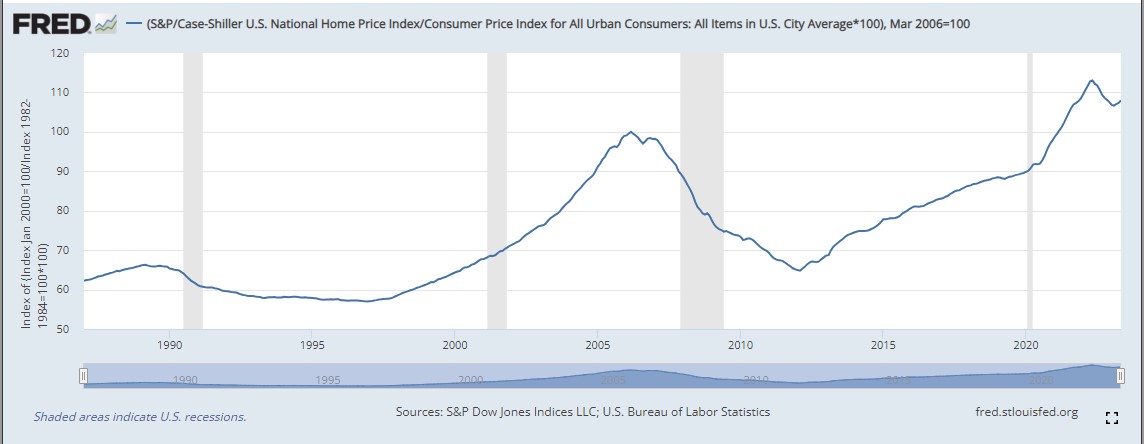
The most visible and direct impact of elevated interest rates is felt in the residential real estate market. The transition of standard mortgage rates from historic lows to significantly higher levels has fundamentally altered the math of homebuying. Financing a typical home purchase requires substantially higher monthly payments, pricing many buyers out of their desired segments and diminishing the immediate profitability of rental property investments. Furthermore, homeowners who secured ultra-low mortgage rates during previous years face a strong disincentive to sell, locking up inventory and restricting supply.

While these conditions present immediate hurdles for prospective buyers, they align with the intended mechanics of monetary tightening. Higher borrowing costs are designed to cool excessive demand, curb rapid price appreciation, and incentivize a more sustainable balance between housing supply and demand.
Long-term housing affordability ultimately depends on fundamental supply-side dynamics, including construction costs and regulatory frameworks. Technological innovations and global trade efficiencies have historically helped reduce the cost of building materials and components, streamlining construction processes. However, complex local zoning laws, regulatory hurdles, and approval delays continue to constrain new housing supply in many regions, keeping upward pressure on prices. While some markets may see price adjustments or prolonged periods of flat valuations as the market digests higher financing costs, the broader trajectory of housing remains tied to local inventory levels and demographic demand.
When Will Interest Rates and House Prices Shift Again?
The current level of interest rates, while elevated compared to the anomalous post-crisis decade, aligns closely with historical long-term averages. Whether rates decline in the near future depends entirely on macroeconomic indicators, particularly inflation trends and employment data. Central banks are unlikely to pivot toward monetary easing until they see sustained evidence of cooling inflation and balanced labor markets.
Market indicators, such as the Treasury yield curve, offer insight into investor expectations. An inverted yield curve—where short-term yields outpace long-term yields—historically reflects expectations that central banks will eventually lower rates to counteract an economic slowdown. While financial markets frequently price in potential future shifts, predicting the exact timing of monetary policy changes remains difficult.
Ultimately, navigating an evolving economic environment depends less on attempting to forecast macroeconomic turning points and more on maintaining personal financial resilience. Prioritizing disciplined saving, keeping lifestyle expenses manageable, and maintaining flexibility allow individuals to respond effectively to changing interest rates and housing market conditions without undue stress.