
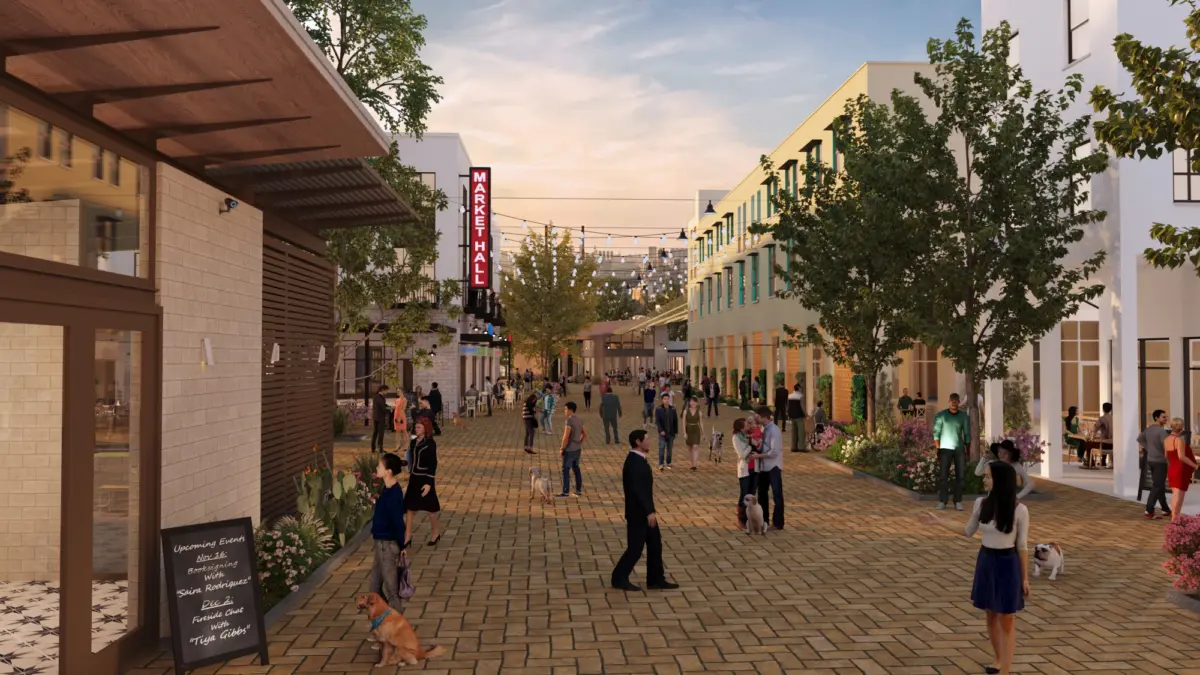
For years, lifestyle and financial commentators have explored the intersection of personal finance, psychology, health, and daily habits. Yet, according to advocates of alternative urban design, a single structural factor underpins nearly all modern societal challenges: the design of contemporary cities and towns. If given a single wish to maximize global wealth, health, and human happiness, urban planning experts argue for an immediate, fundamental shift away from automobile-centric infrastructure and toward human-centric communities.
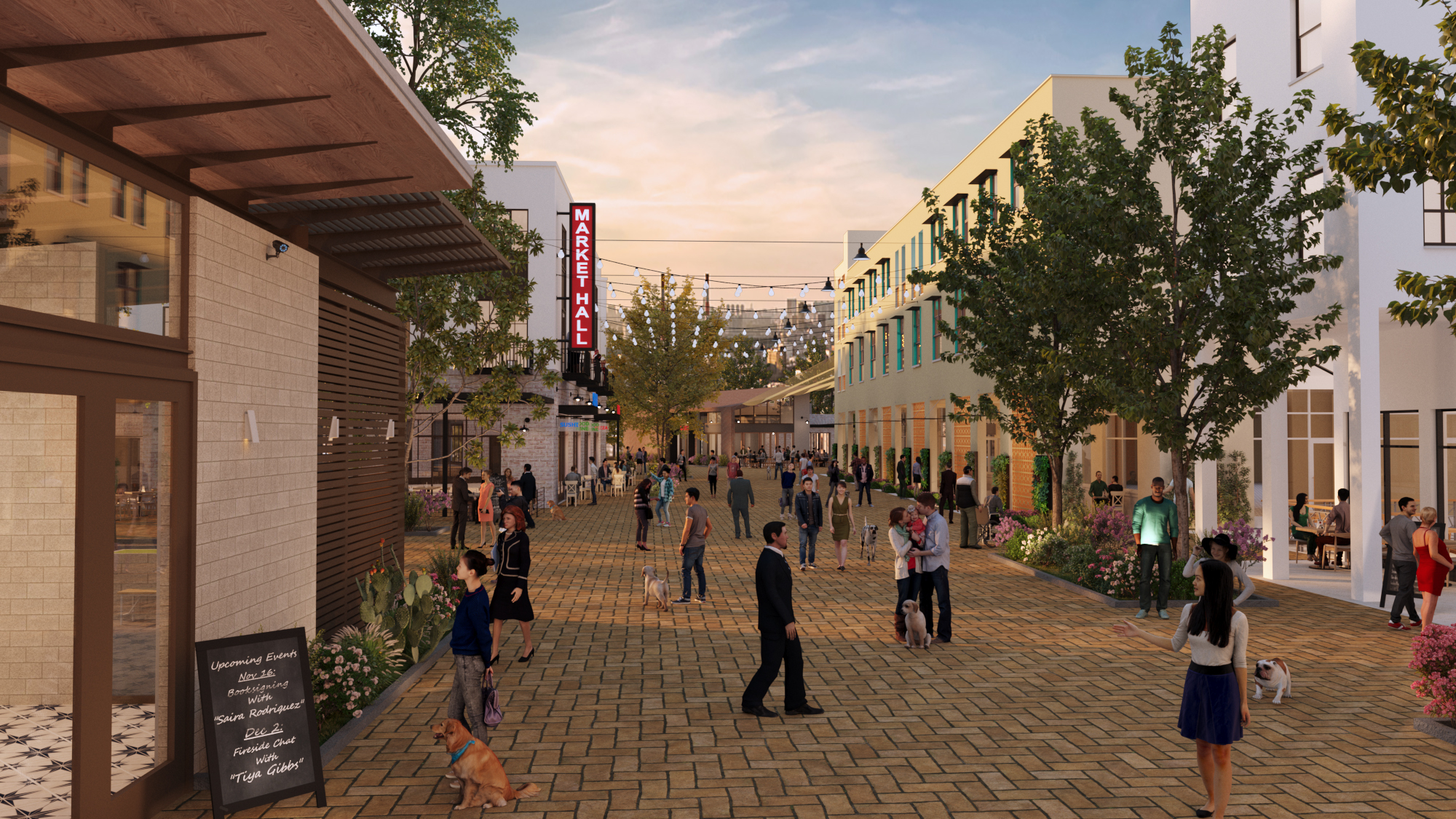
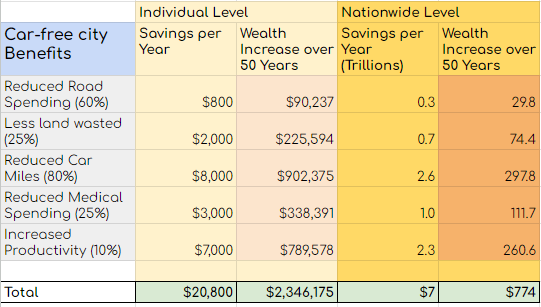
The argument goes far beyond the incremental reduction of traffic congestion, tailpipe emissions, or vehicle collisions. Proponents of human-scale urbanism suggest that reshaping our living spaces could unlock a profound transformation in daily life, yielding conservative financial benefits estimated at more than $20,000 per person annually. Over an adult lifetime, these savings compound into millions of dollars per individual. On a national scale, advocates calculate that transitioning away from car-dependent layouts could generate roughly seven trillion dollars per year in economic value for the United States alone, compounding into hundreds of trillions over the coming decades.
The economic windfall stems from a simple spatial reality: modern cities allocate a staggering percentage of their land to moving and storing private automobiles. Traditional zoning laws, vast parking lots, and sprawling multi-lane intersections consume immense tracts of valuable urban real estate. When a standard intersection or large parking lot is reallocated for human-scale development, the reclaimed space can accommodate substantial housing developments, green areas, local commerce, and community amenities.
Critics of the status quo point out that the widespread assumption that modern life requires constant driving is largely a byproduct of poor urban design itself. Because cities have been constructed to spread destinations far apart to accommodate vehicles, neighborhoods have become loud, dangerous, and hostile to pedestrians and cyclists. Consequently, residents feel compelled to drive everywhere, reinforcing a cycle of automotive dependency.
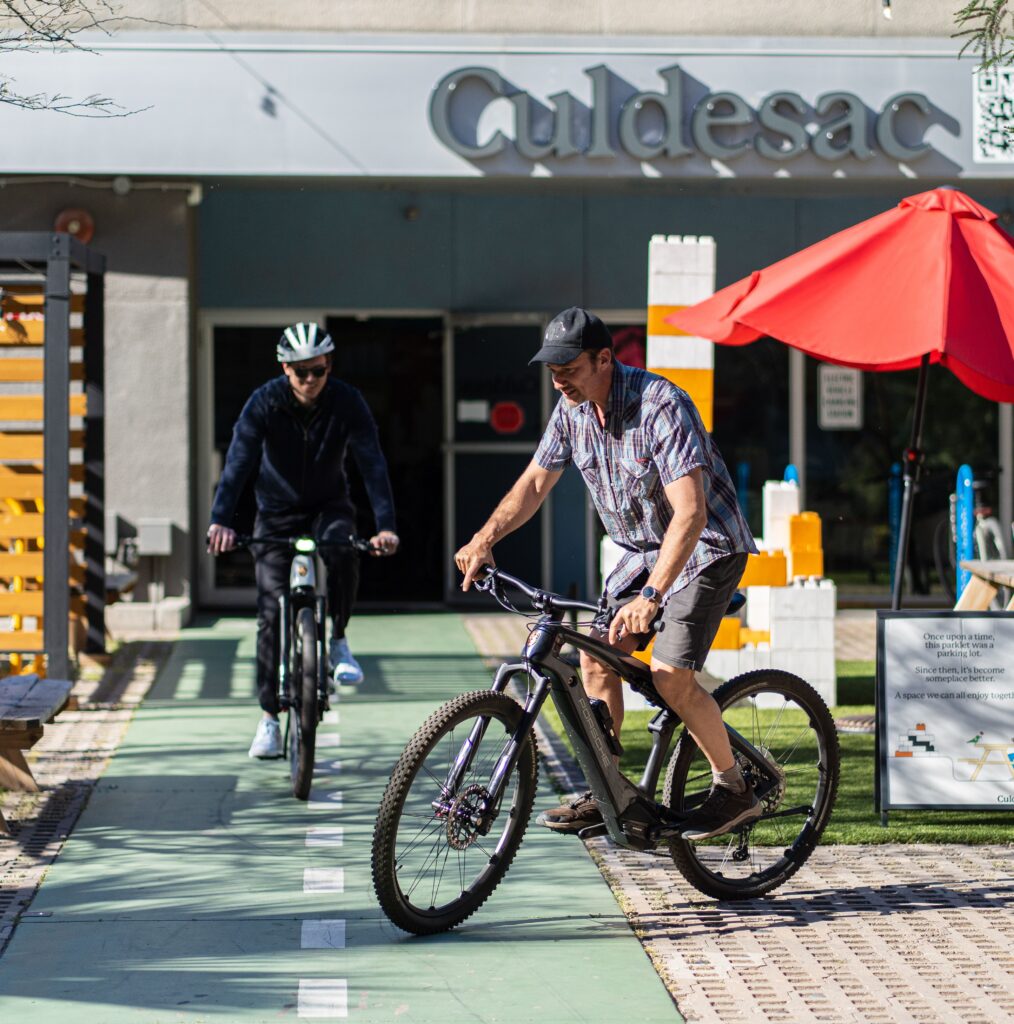
Challenging the Status Quo of City Planning
At present, municipal planning is predominantly managed by bureaucratic committees whose primary functions often center on maintaining the status quo and mitigating local disruptions. Encouraged by legacy interests and risk-averse stakeholders, these planning boards frequently lack the vision required to reimagine how urban spaces might function.
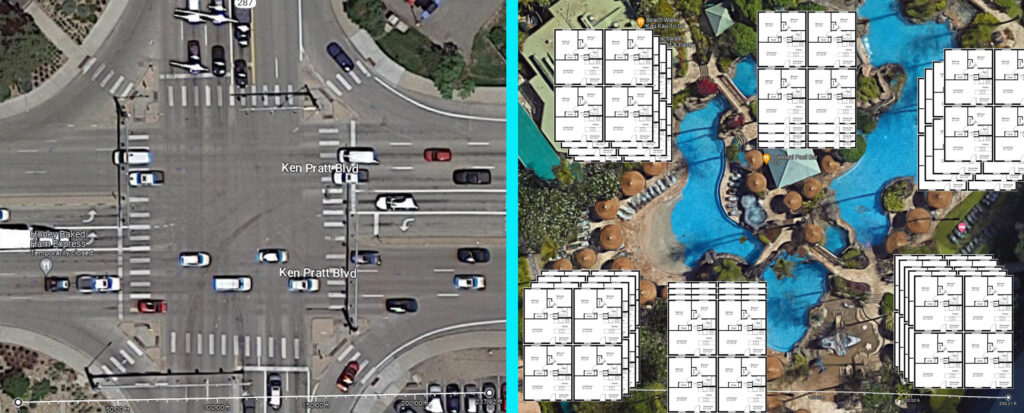
To understand the sheer scale of the inefficiency, one need only look at spatial comparisons. The footprint required to park two standard automobiles can often accommodate a well-appointed apartment. Similarly, a typical large urban intersection consumes upwards of an acre and a half of valuable land—space that, under a human-centric model, could house hundreds of residents in comfortable proximity to grocery stores, parks, and dining options.
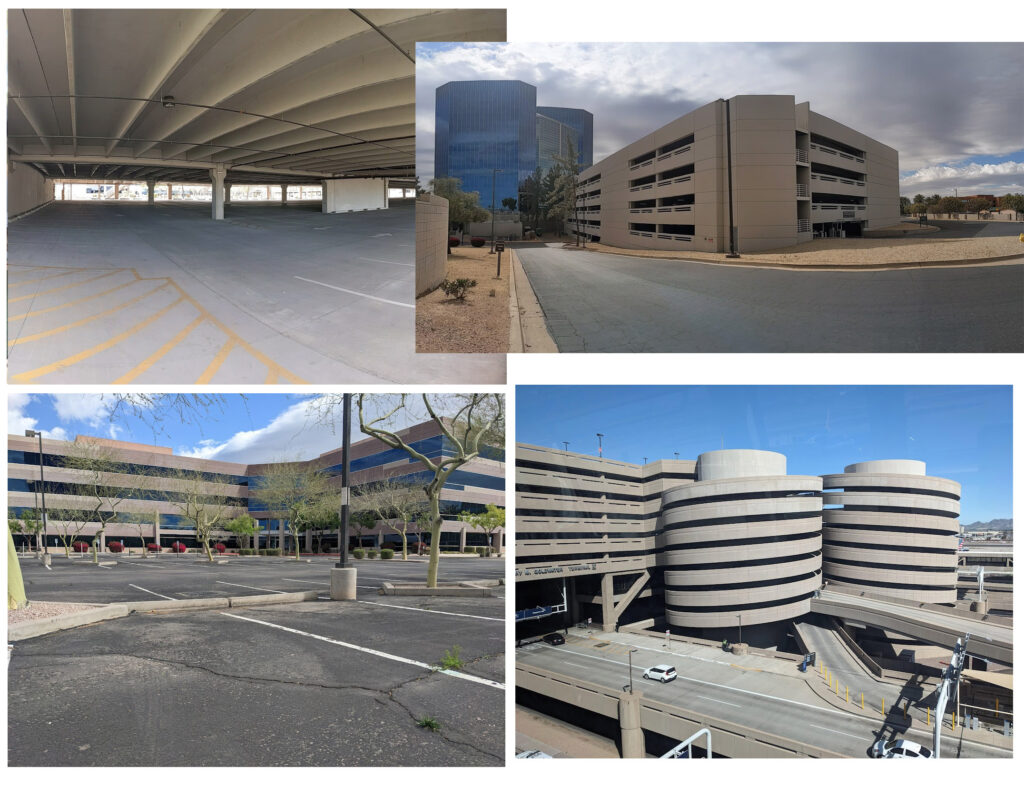
Despite the obvious benefits of densification and walkability, proposed changes frequently encounter predictable resistance. Skeptics routinely ask how daily transportation would function without universal car access. However, urban planners emphasize that eliminating vast parking mandates and sprawling roadways naturally reduces the need for long-distance car trips in the first place. By integrating offices, residences, and essential services into compact neighborhoods, daily errands become accessible via short walks, bicycles, or electric bikes.

Proponents note that for short and medium urban trips, bicycles and e-bikes frequently outperform automobiles in speed and efficiency, bypassing traffic signals while offering physical activity and engagement. While public transit, light rail, and ridesharing fleets retain important roles for regional travel, the daily reliance on personal automobiles plummets in a well-designed, human-scaled environment.
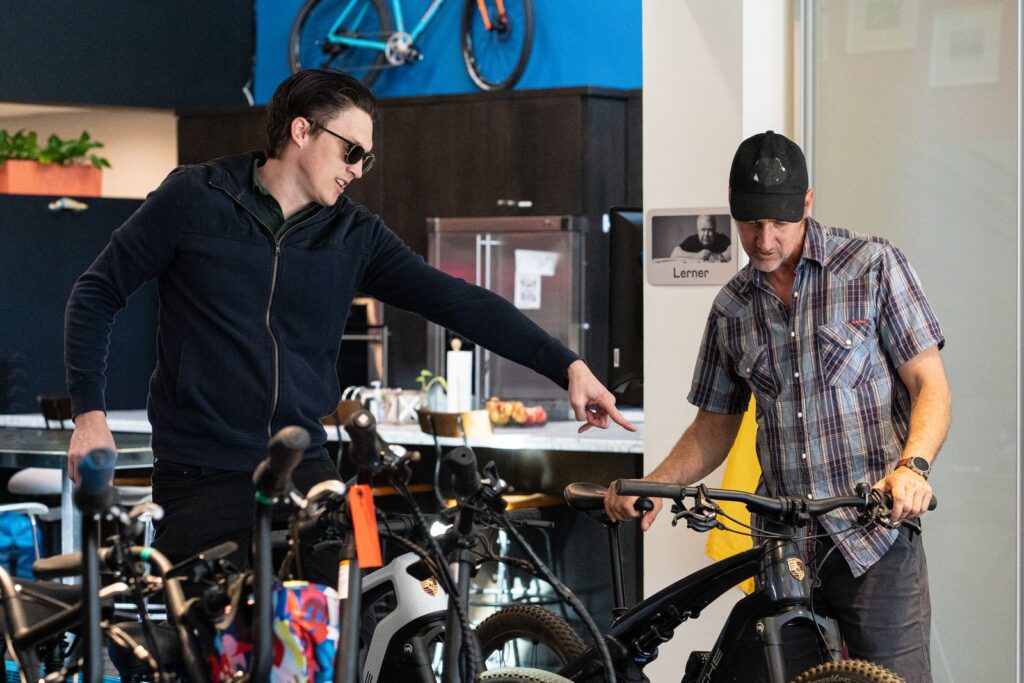
The Rise of Car-Free Neighborhoods
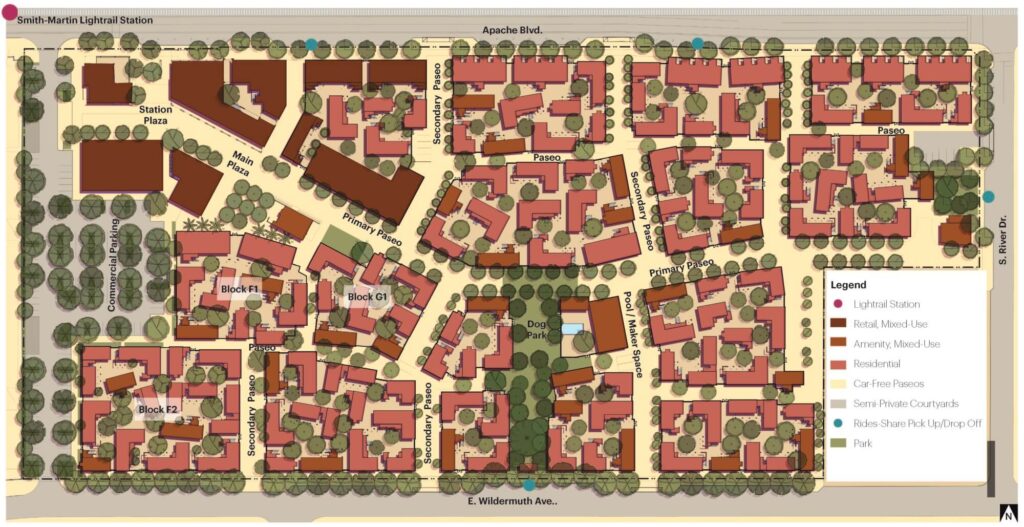
While municipal bureaucracies often move slowly, private developers and innovative urban designers are beginning to demonstrate what is possible in practice. A notable example is Culdesac Tempe, a pioneering car-free neighborhood designed to house approximately 1,000 residents across 17 acres in the Phoenix metropolitan area.
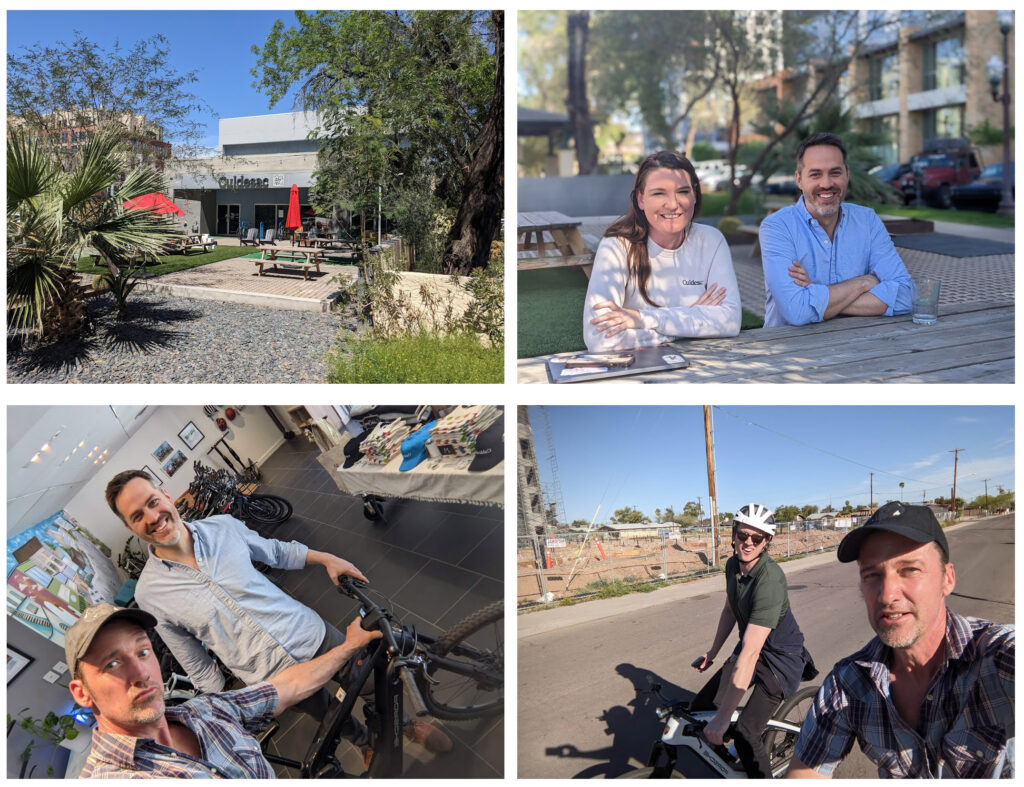
Visiting researchers and urban advocates touring the newly constructed site have highlighted its integration of daily amenities directly into the fabric of the community. Rather than forcing residents to drive to off-site commercial centers, the neighborhood incorporates retail spaces, green plazas, and recreational facilities within walking distance of every residence.
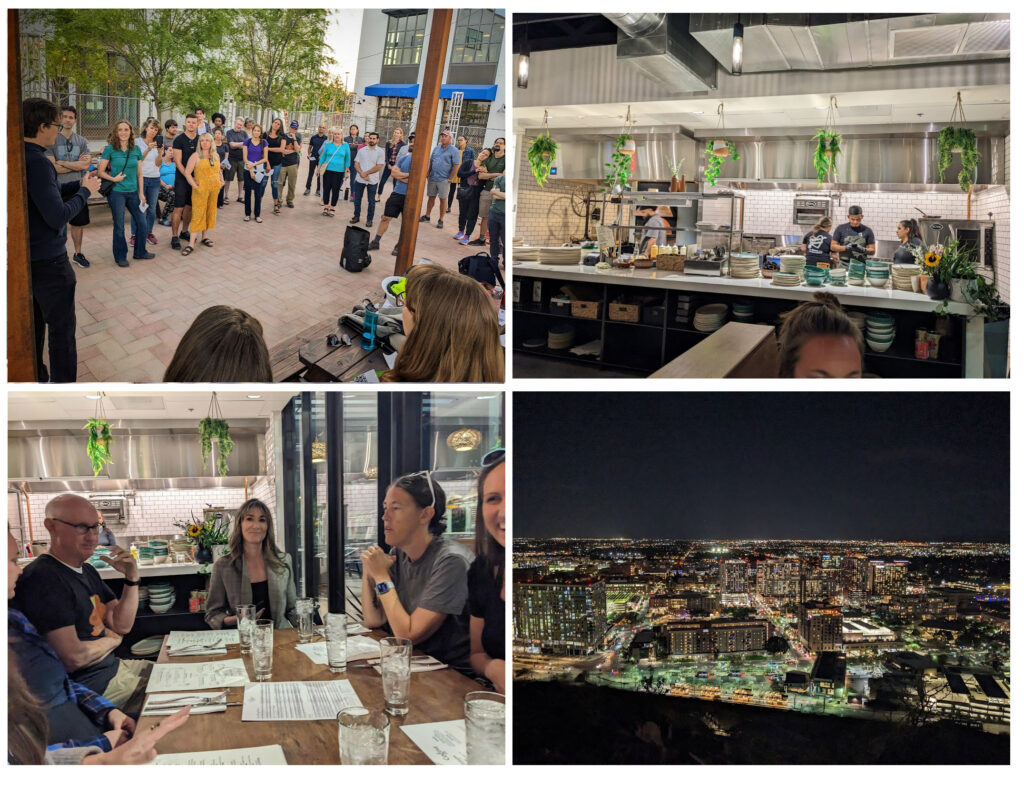
Due to the desert climate, the architectural layout prioritizes shade, natural airflow, and heat-reflective materials, creating a comfortable pedestrian environment. Furthermore, the development’s strategic location along a major light rail line and adjacent to a university campus provides residents with seamless regional connectivity. An annual public transit pass is integrated into residency, while shared electric vehicle fleets and extensive bicycle infrastructure accommodate trips outside the immediate neighborhood.
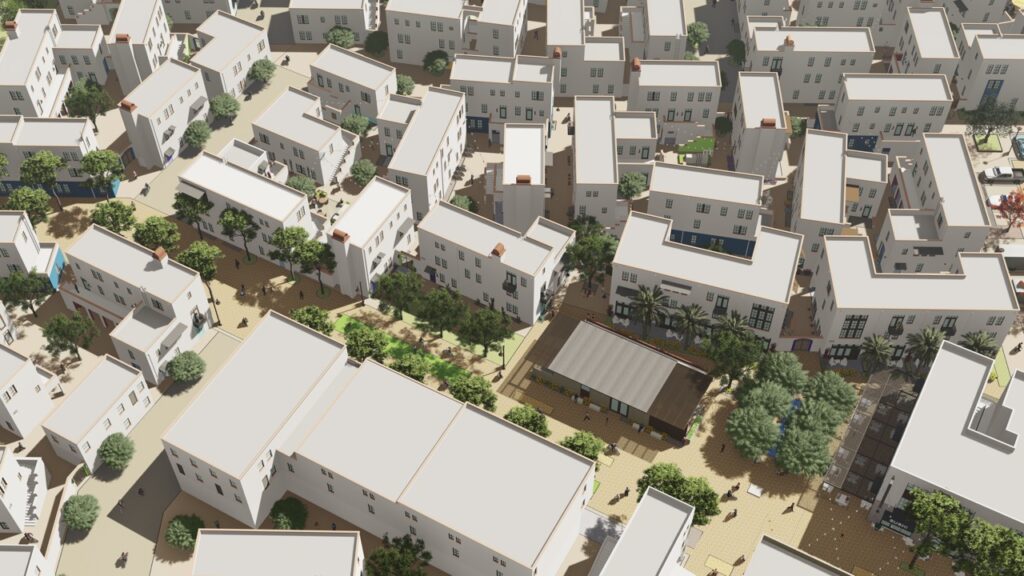
The Path Forward for Urban Communities
The financial viability and social appeal of projects like Culdesac suggest that car-free and car-lite developments could serve as models for future urban expansion. By demonstrating that dense, human-centric neighborhoods can be both economically sustainable and deeply desirable, these initiatives challenge long-held assumptions about American housing and transportation.
Advocates argue that recognizing the hidden costs of automobile dependency is the economic and social equivalent of diagnosing a chronic illness rooted entirely in lifestyle habits. Just as targeted dietary and behavioral changes can dramatically improve physical health, intentional urban redesign can unlock vast reservoirs of personal and national prosperity. As more communities explore alternative planning models, the debate over the future of urban space continues to gain momentum among economists, urban planners, and residents alike.