
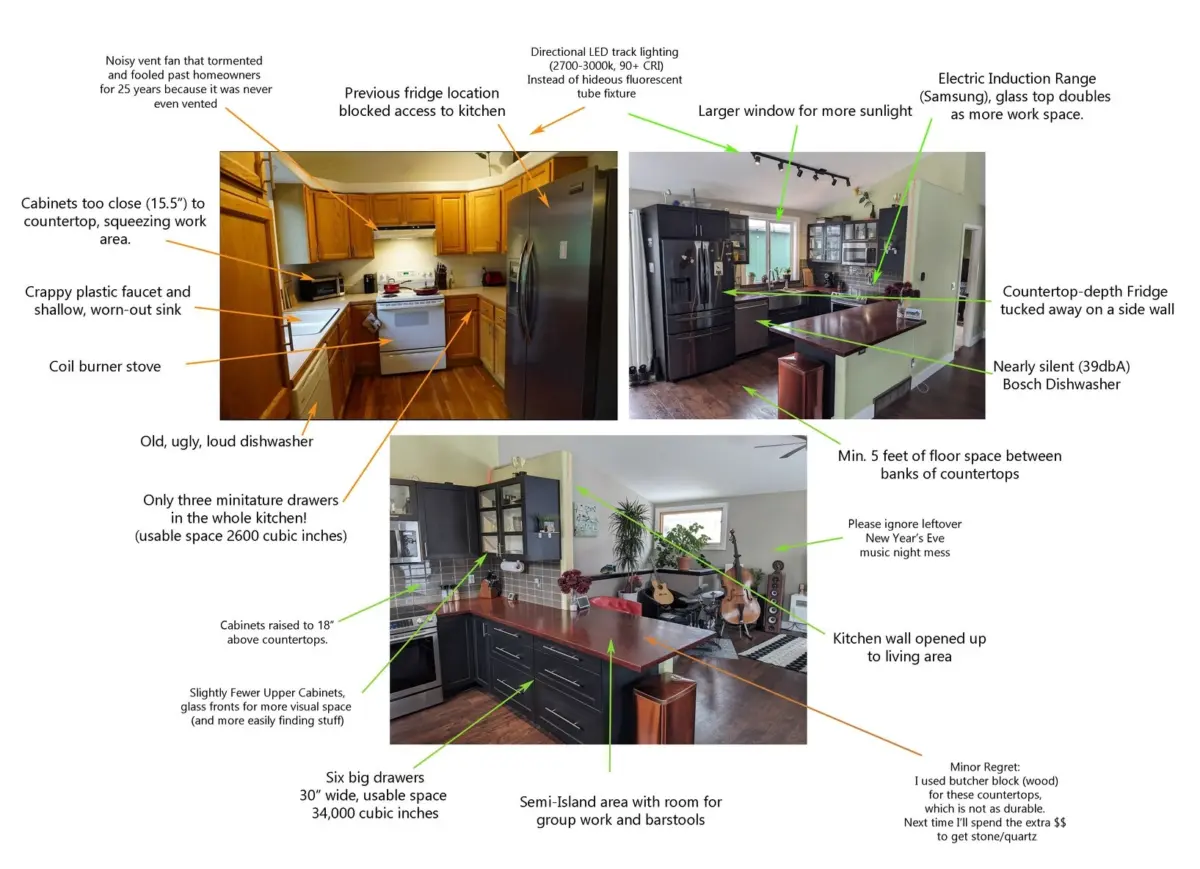
After emerging from the messy yet deeply absorbing process of building his seventeenth kitchen, veteran renovator and financial commentator widely known as Mr. Money Mustache has published a comprehensive breakdown of the economics and practical execution required to tackle one of the most significant projects a homeowner can face. Writing from the vantage point of a newly completed breakfast bar, the author addresses a paradox of modern housing: why a task so central to domestic life has become financially intimidating, and how motivated individuals can reclaim thousands of dollars in labor costs by taking the tools into their own hands.
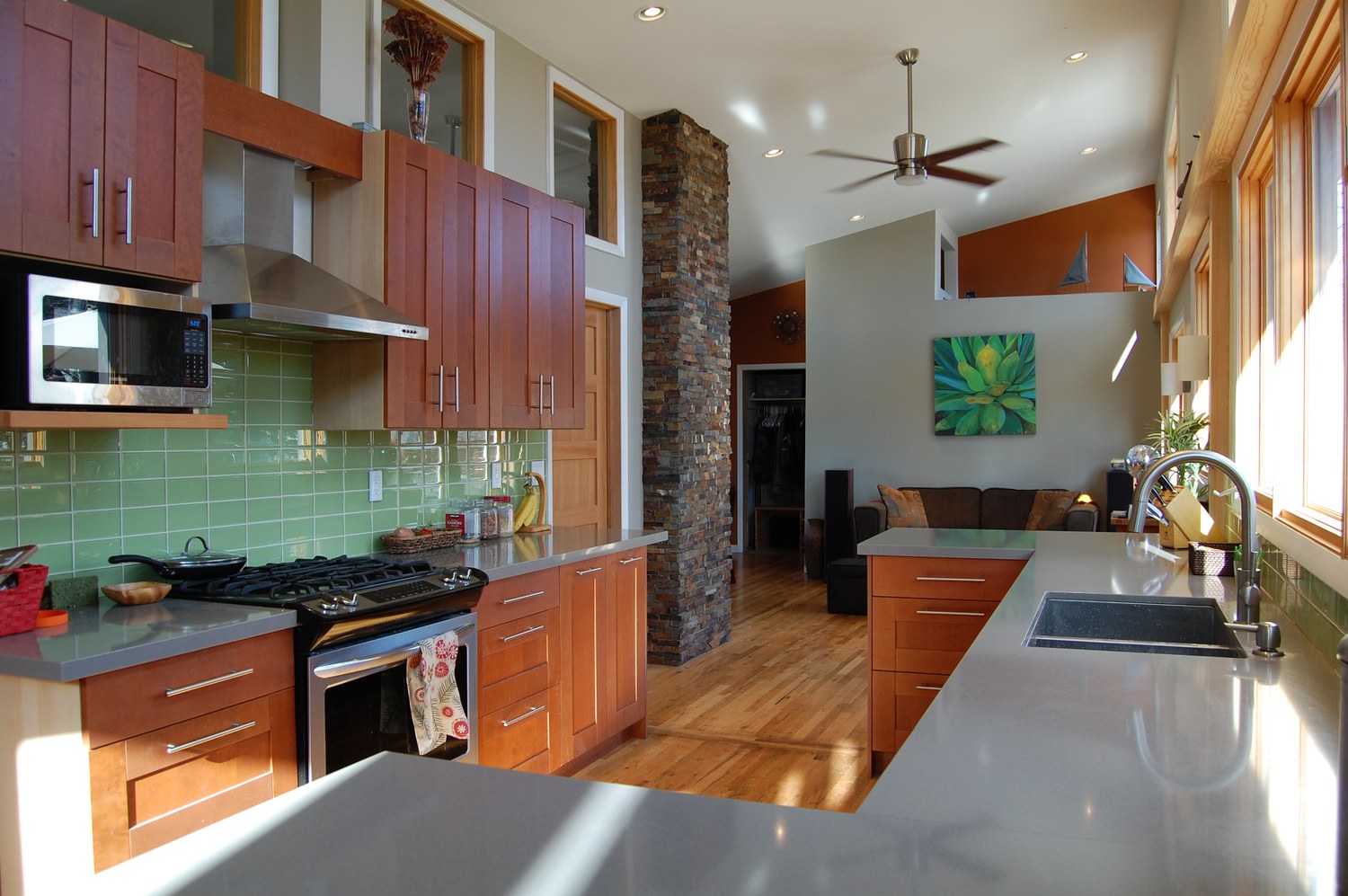
The concept of home serves as the cornerstone of daily existence, functioning as a sanctuary for family life, a hub for hosting friends, and the physical base from which individuals build their lives. Within that home, the kitchen commands a uniquely vital role. It operates as the epicenter of food preparation, a makeshift study hall where children spread out their homework, a natural venue for deep conversations, and the inevitable gathering point for social events. Yet, this central space is inextricably tied to the most substantial financial pressure most people face: residential real estate.
Housing costs have surged dramatically in recent years, driven by an acute imbalance between supply and demand. Consumers increasingly demand highly functional, aesthetically pleasing amenities such as modern kitchens and updated bathrooms. Consequently, properties featuring these upgrades are aggressively bid up by buyers willing to pay substantial premiums. For investment-minded individuals, these conditions frequently spark frustration with irrational market dynamics or force compromises in the form of outdated fixer-uppers.
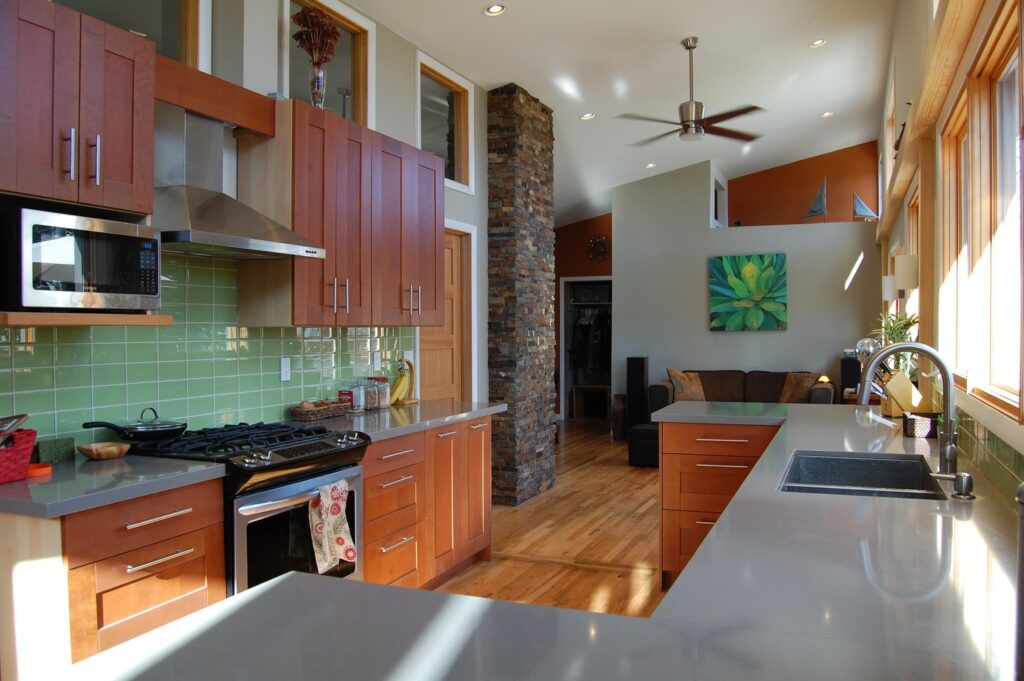
Compounding the problem is a severe shortage of skilled tradespeople. While the market is saturated with flimsy sinks, leaky plastic faucets, and generic fake woodgrain cabinets, there is a distinct lack of experienced builders capable of rescuing a tired 1982-style kitchen and transitioning it into the modern era. Homeowners who manage to secure a professional willing to undertake a kitchen renovation routinely face staggering quotes ranging from $25,000 to more than $75,000.
This financial reality translates to an extraordinary labor rate of between $100 and $300 per hour—money that homeowners can retain by performing the work themselves. Furthermore, the financial rewards often extend beyond mere labor savings. Upgrading a kitchen in a competitive housing market typically generates an increase in property value that exceeds the initial project expenditure. This added equity flows back to the owner upon resale or translates into higher monthly rental income for those managing investment properties. Real estate veterans often note that a kitchen is functionally an elaborate, high-end variation of a bathroom, meaning that acquiring these renovation skills unlocks the ability to transform multiple wet areas throughout a home.
Navigating the complex landscape of a kitchen overhaul requires an understanding of the chronological and structural steps involved, beginning with the fundamental question of regulatory compliance. In most jurisdictions, securing a building permit is mandatory if the project involves altering electrical wiring or plumbing hidden behind walls. While local regulations vary wildly—ranging from municipalities where inspectors closely monitor household waste for scraps of drywall to rural areas with minimal oversight—performing work that complies strictly with local building codes is paramount. Professional execution that satisfies safety standards ensures long-term peace of mind and prevents complications during future property transactions.
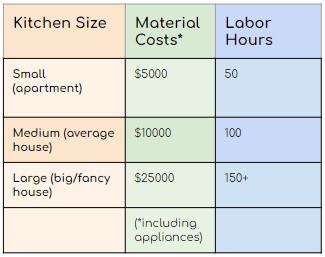
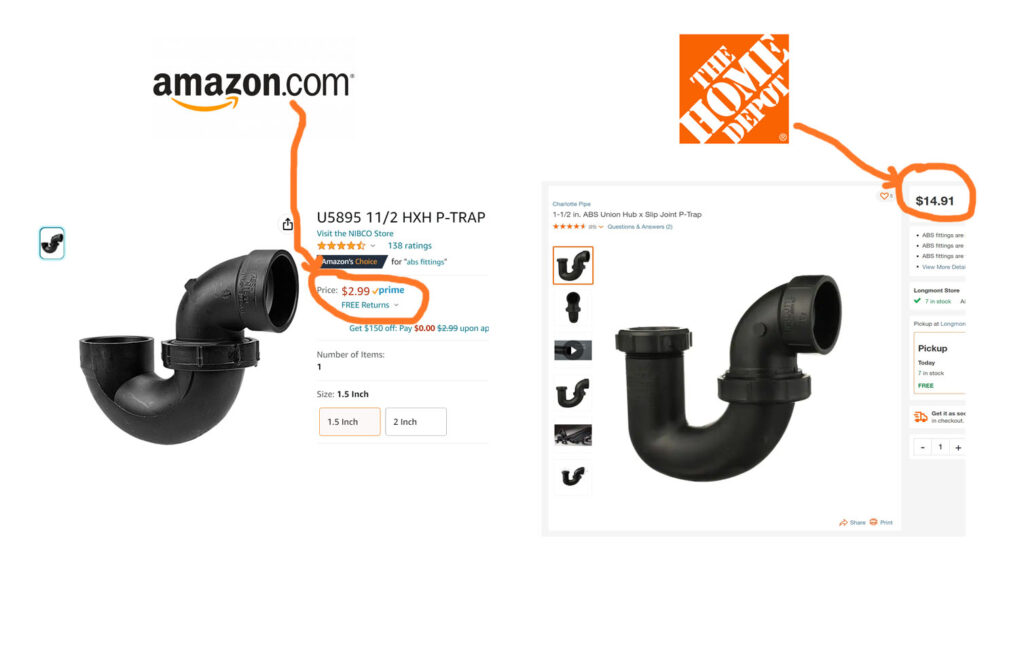
Establishing a realistic budget forms the next critical phase. Material costs fluctuate based on personal taste and kitchen dimensions, but baseline expenses for materials and appliances typically range from a few thousand dollars for compact spaces to significantly higher figures for expansive designs. Sourcing materials efficiently represents one of the most effective strategies for controlling costs. Savvy renovators frequently leverage online marketplaces to compare pricing on everyday plumbing and hardware components, avoiding sudden retail markups on items like sink traps and fittings by maintaining a stocked inventory for future projects.
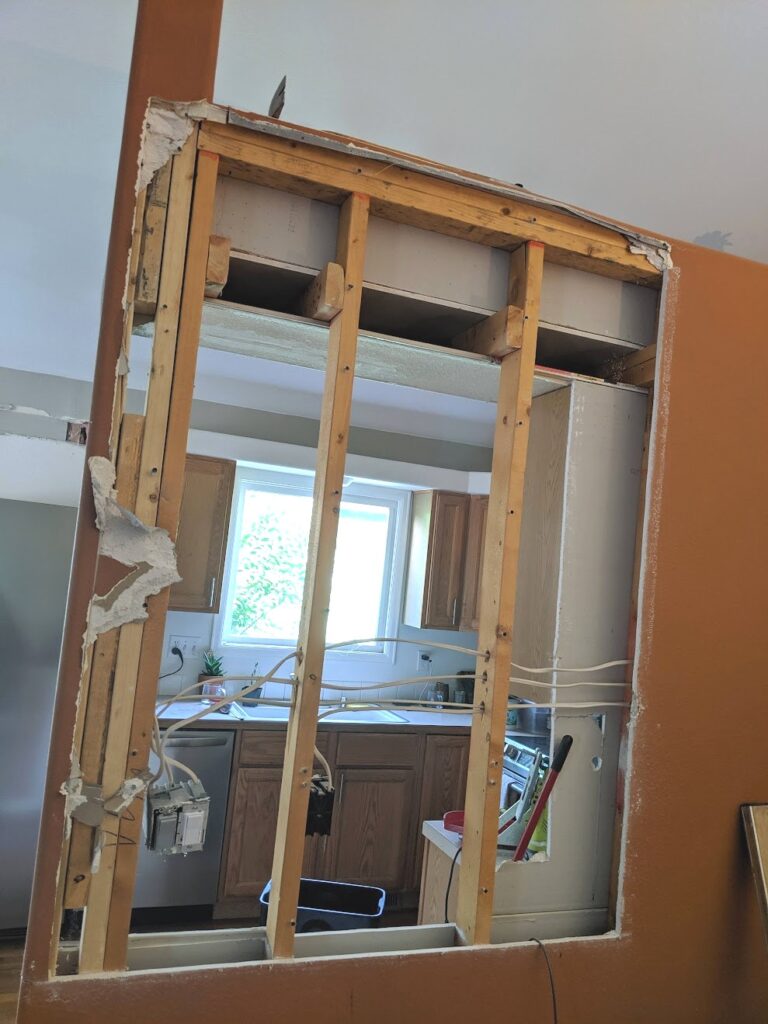
Layout optimization often requires addressing the confined, walled-off kitchen designs characteristic of older residential architecture. A common and transformative strategy involves removing unnecessary partition walls that segregate the kitchen from adjacent living spaces. Replacing a dividing wall with a spacious island can fundamentally alter the flow and utility of an entire home. Before swinging a sledgehammer, however, determining whether a wall is load-bearing is essential. While consulting a structural engineer or a licensed builder is the safest approach, general indicators—such as whether ceiling joists rest directly upon the wall or if the structure aligns with load-bearing walls on lower levels—offer early clues.
Space planning can be streamlined using digital tools, such as online 3D kitchen design planners, which allow homeowners to visualize spatial relationships and cabinetry configurations within minutes. These programs provide a clear preview of the finished environment long before construction begins.
Once the layout is finalized, addressing the infrastructure of plumbing and electrical systems requires careful execution. While many renovations leave plumbing fixtures in their original locations to minimize complexity, modern plumbing techniques utilizing flexible PEX piping have made relocating sinks, dishwashers, and refrigerator water lines considerably more manageable. Similarly, electrical work demands strict adherence to safety standards and local building codes, such as the National Electrical Code. Kitchen renovations typically require dedicated circuits for countertop areas protected by ground-fault circuit interrupters, alongside independent circuits for high-draw appliances like refrigerators, dishwashers, and microwaves. Homeowners uncomfortable with wiring can often negotiate a hybrid approach, handling the labor-intensive routing of wires themselves while hiring a licensed professional to complete the final panel connections.
Following the completion of rough framing, plumbing, and electrical rough-ins, the installation of drywall restores finished surfaces to the walls and ceiling. This stage is followed by flooring installation, where durable options such as engineered wood, luxury vinyl plank, or traditional ceramic tile provide resilience against the heavy traffic typical of family households.
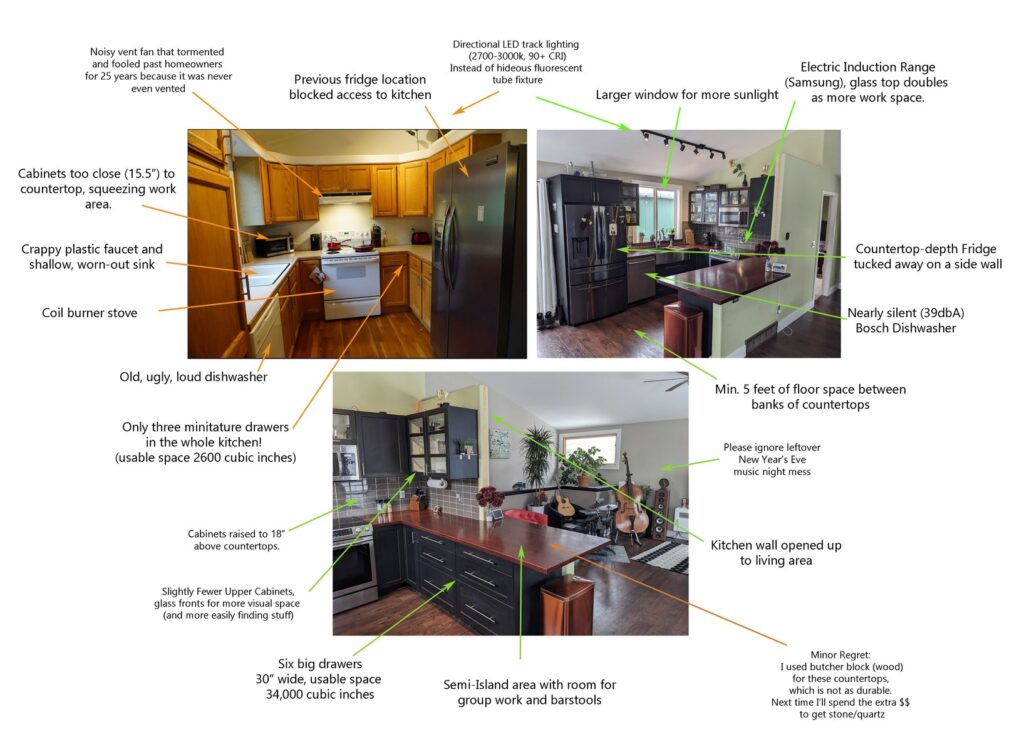
Cabinet installation represents one of the most visually rewarding milestones of the project. Whether hanging conventional cabinetry using traditional shims and stud finders or utilizing modern rail-mounted hanging systems that allow for easy horizontal adjustments, achieving a level and square alignment is the primary objective. For countertops, durable stone surfaces such as quartz or granite remain the gold standard. While higher initial costs ranging from $60 to $120 per square foot can add up for larger kitchens, stone offers superior longevity and ease of maintenance compared to alternatives like solid wood or tile, which often require ongoing upkeep.
Sink and faucet fixtures have experienced considerable price deflation over the years, with robust, modern stainless steel sinks and durable faucets widely available at accessible price points. Assembling the under-sink drainage system requires careful attention to alignment and trap placement to ensure proper flow and prevent leaks when connecting the new basin to existing waste lines.

When it comes to appliances, the market offers various strategies for balancing cost and reliability. While used appliances can offer substantial savings for budget-conscious renovators, caution is advised to verify that units are fully operational before purchase, particularly when acquiring items from private sellers. In cold climates, appliances stored in unheated garages or sheds during winter months carry the risk of frozen and cracked internal water lines, making new purchases a safer option for those prioritizing time and reliability over upfront savings.
The final stage of the renovation involves meticulous finish work, including trim installation, painting, and the application of full-height tile backsplashes that add a polished, high-end aesthetic to the completed space. While undertaking a comprehensive kitchen remodel demands significant time, patience, and physical effort, mastering these core trades equips property owners with valuable skills that enhance both the functionality and financial value of their homes.