
For millions of armchair detectives around the world, there exists a perpetual internal debate: should one pack a suitcase to traverse the globe, sampling exotic cuisines and collecting passport stamps, or should one instead retreat to the comfort of the living room, pull up a weighted blanket, and dive into a chilling true crime documentary? It is a modern dilemma of leisure, balancing the desire for worldly adventure against the undeniable allure of cracking a complex case from the safety of a sofa.
Attempting to merge these two passions by personally traveling across the globe to investigate unsolved mysteries can quickly become prohibitively expensive and remarkably hazardous. After all, few amateur sleuths wish to inadvertently become the central subject of their own forensic investigation. A far safer and more cost-effective alternative involves settling in during a long, stormy weekend—or even on a bright, sunlit afternoon—to stream a curated selection of gripping true crime docuseries set against the backdrop of some of the most visually stunning locations on earth.
Streaming services have increasingly leaned into this juxtaposition, pairing breathtaking international landscapes with the grim realities of human depravity. From the rugged coastlines of Ireland and Scotland to the sun-drenched waters of the Caribbean and the sophisticated capitals of Europe, several prominent platforms offer deep dives into cases that shocked nations and continue to captivate global audiences.
Netflix
Netflix remains a powerhouse for international true crime, offering exhaustive explorations of high-profile cases that unfolded in picturesque international settings.
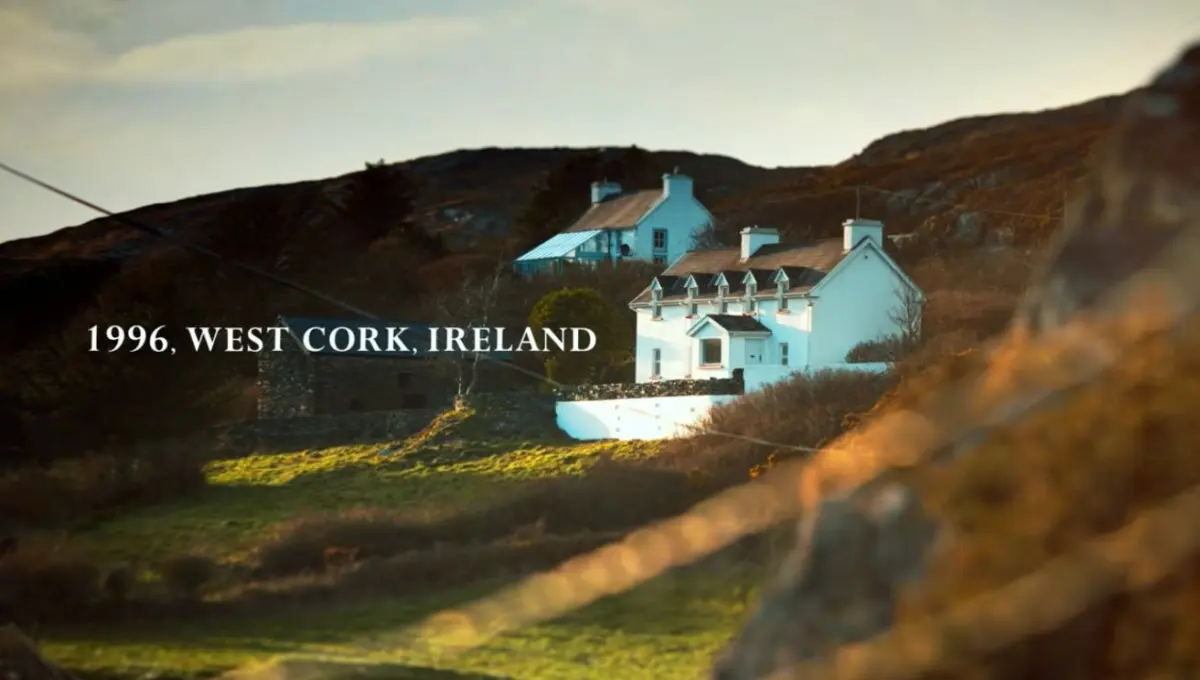
One of the platform’s most poignant examinations of international tragedy is Sophie – A Murder in West Cork. Released as a three-part docuseries, the program revisits the harrowing events of December 1996, when French film producer Sophie Toscan du Plantier was found brutally murdered just two days before Christmas outside her remote holiday cottage in the small village of Toormore, West Cork. At only 39 years old, Sophie was a mother to her young son, Pierre-Louis. The series explores not only the heartbreaking circumstances of her untimely death but also the intense geopolitical and legal struggle that unfolded between Ireland and France as authorities attempted to bring her killer to justice, a pursuit complicated by local journalism and intense public scrutiny.
Tropical locales often mask dark realities, a theme explored in Amy Bradley is Missing. The three-part docuseries examines the mysterious disappearance of 23-year-old Amy Lynn Bradley, who vanished during the early morning hours of March 1998 from the Royal Caribbean cruise ship Rhapsody of the Seas while en route to the island of Curaçao. Her stateroom showed no signs of a struggle, and several personal items were left behind. While initial authorities treated the disappearance as an accident or suicide, the documentary revisits the case to explore alternative, more sinister possibilities of what could have transpired in the tropical setting.
Financial deception takes center stage in The Tinder Swindler, a 2022 documentary detailing the global exploits of Israeli con artist Shimon Hayut, who operated under the alias Simon Leviev. Between 2017 and 2019, Hayut preyed on women seeking romantic connections through dating applications, swindling millions of dollars from victims across the Netherlands, Norway, and other European nations, leaving them emotionally devastated and financially ruined. The documentary chronicles the remarkable efforts of the women who refused to remain victims, eventually banding together to track down Hayut, bring him to international attention, and attempt to recover their lost funds.
Shifting to the scenic Scottish countryside, the three-part docuseries Should I Marry a Murderer examines the psychological complexities of love and betrayal. The narrative centers on Caroline Muirhead, who met handsome Scottish farmer Alexander "Sandy" McKellar on Tinder in 2020. Following a whirlwind four-month romance, the couple became engaged. However, the relationship fundamentally fractured when McKellar confessed to committing a murder three years prior to their meeting. Told through Muirhead’s modern-day perspective, the series offers an unblinking look at the rationalizations people make and the red flags they may overlook in the name of romance, all framed by the gorgeous yet haunting backdrop of rural Scotland.
Privilege, exile, and accountability are examined in The King Who Never Was, a three-part series detailing the life of Vittorio Emanuele. In 1946, at just nine years old, Vittorio and his family were exiled from Italy following a national vote that dismantled the monarchy of his father, King Umberto II. Decades later, in 1978, Vittorio was living a life of luxurious exile on the French island of Corsica when he became involved in an incident that resulted in the death of 19-year-old German tourist Dirk Hamer. The documentary features interviews with Vittorio himself alongside members of the Hamer family, who spent decades fighting to see the deposed royal held accountable for the young man’s death.
France’s picturesque Ardennes region serves as the chilling setting for Monique Olivier: Accessory to Evil. Between 1987 and 2003, Michel Fourniret confessed to murdering 11 women and one man, establishing himself as one of modern French history’s most notorious serial killers. The Belgian criminal only confessed after his seemingly submissive wife, Monique Olivier, provided police with critical information. The limited series explores the disturbing reality that Olivier was not merely a passive bystander, but potentially a willing participant in her husband’s heinous crimes.
For viewers seeking a deeply unsettling deep-dive, Who Killed Little Gregory? investigates the 1984 kidnapping and murder of four-year-old Grégory Villemin in a small village in eastern France. The crime remains officially unsolved, and the five-part docuseries carefully navigates the disturbing allegations that members of the young boy’s own extended family may have been involved in the tragedy, making for an engrossing yet emotionally taxing viewing experience.
Rounding out the platform’s international offerings is The Lørenskog Disappearance, a five-part docuseries grounded in real-life Scandinavian noir. The project explores the October 2018 disappearance of Anne-Elisabeth Hagan, wife of Norwegian billionaire Tom Hagan, from their opulent home. Left behind was a ransom note demanding nine million euros. While police initially investigated the case as a high-stakes kidnapping, the lack of ongoing communication from the purported captors ultimately shifted the focus toward murder, capturing the specific tension and billionaire intrigue unique to the Scandinavian setting.
Prime Video
Amazon Prime Video contributes to the global landscape of true crime with concentrated, high-profile investigations into international tragedies.
Among these is The Lie: The Murder of Grace Millane, which examines the tragic fate of a young British tourist taking a gap year to travel the world. In 2018, Millane arrived in New Zealand, intending to return home to her family for the Christmas holidays. She never made that journey. After her family reported her missing, local authorities launched a massive search across Auckland and the surrounding regions before zeroing in on Jesse Kempson, the man who had been her final Tinder date. The documentary incorporates actual interrogation tapes of Kempson as he is questioned by police and subsequently attempts to employ the controversial "rough sex murder" defense for killing the 22-year-old on her birthday.
Apple TV
For travelers considering a coastal getaway in the United Kingdom, Apple TV’s long-running series Coastal Killers offers a sobering alternative perspective. Spanning multiple seasons, the program examines criminal acts and mysterious disappearances that have disrupted otherwise tranquil seaside towns across the UK, providing a cautionary narrative for those planning their next coastal excursion.