
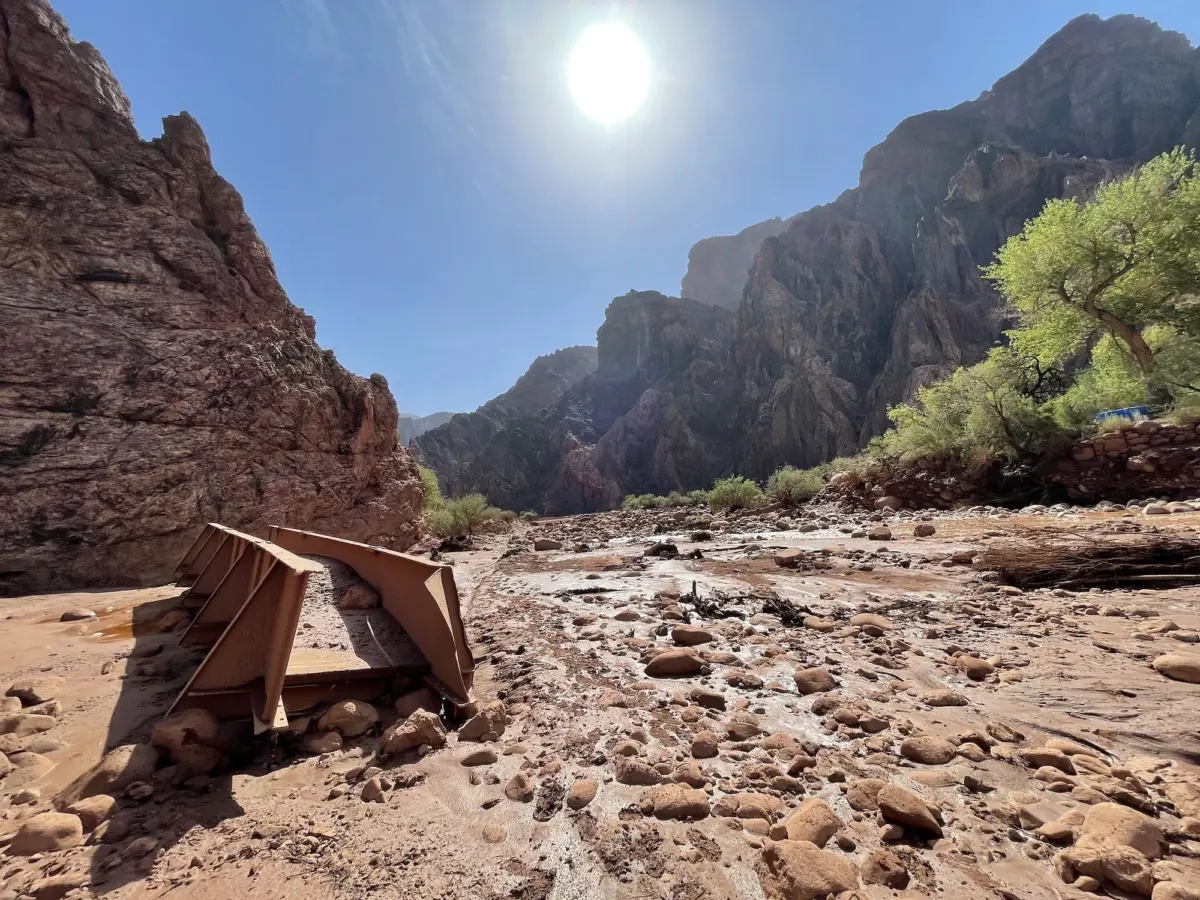
A deadly flash flood that tore through the Grand Canyon over the weekend was likely driven by a dangerous confluence of compounding climate factors, including prolonged drought, extensive wildfire scarring, and warming Pacific Ocean temperatures that have the potential to supercharge severe storms.
At least two people have tragically lost their lives, nearly 80 people have been rescued by emergency personnel, and one individual remained unaccounted for after a sudden surge of water and debris swept through the immensely popular tourist destination. The disaster was fueled by torrential downpours that struck the national park’s Bright Angel Creek area on Saturday, catching visitors and park officials alike off guard in one of the nation’s most visited natural wonders.
Flash floods are historically not uncommon in the arid region, particularly during the regional monsoon season that spans from June to September. During these months, strong, sudden rains regularly pummel the dry landscapes, quickly filling narrow rock formations and canyon corridors. Visiting the Grand Canyon—widely celebrated as a crown jewel of the United States national park system—can present severe seasonal dangers because the risk of flash flooding remains exceptionally high. In this unforgiving terrain, clear and sunny days can give way with alarming speed to violent thunderstorms and heavy downpours.
Compounding this natural vulnerability is the physical geography of the canyon itself. The steep, rocky, and narrow nature of the gorge acts as a natural funnel, channeling cascading water rapidly and transforming sudden downpours into a charging, destructive wall of water capable of wiping out infrastructure and trapping unsuspecting travelers.
However, Saturday’s powerful storm also struck directly over a vulnerable landscape: the burn scar of the Dragon Bravo wildfire. That destructive, fast-moving blaze tore across nearly 150,000 acres of the park and consumed the historic Grand Canyon Lodge in July 2025, leaving deep ecological and structural wounds across the ecosystem.
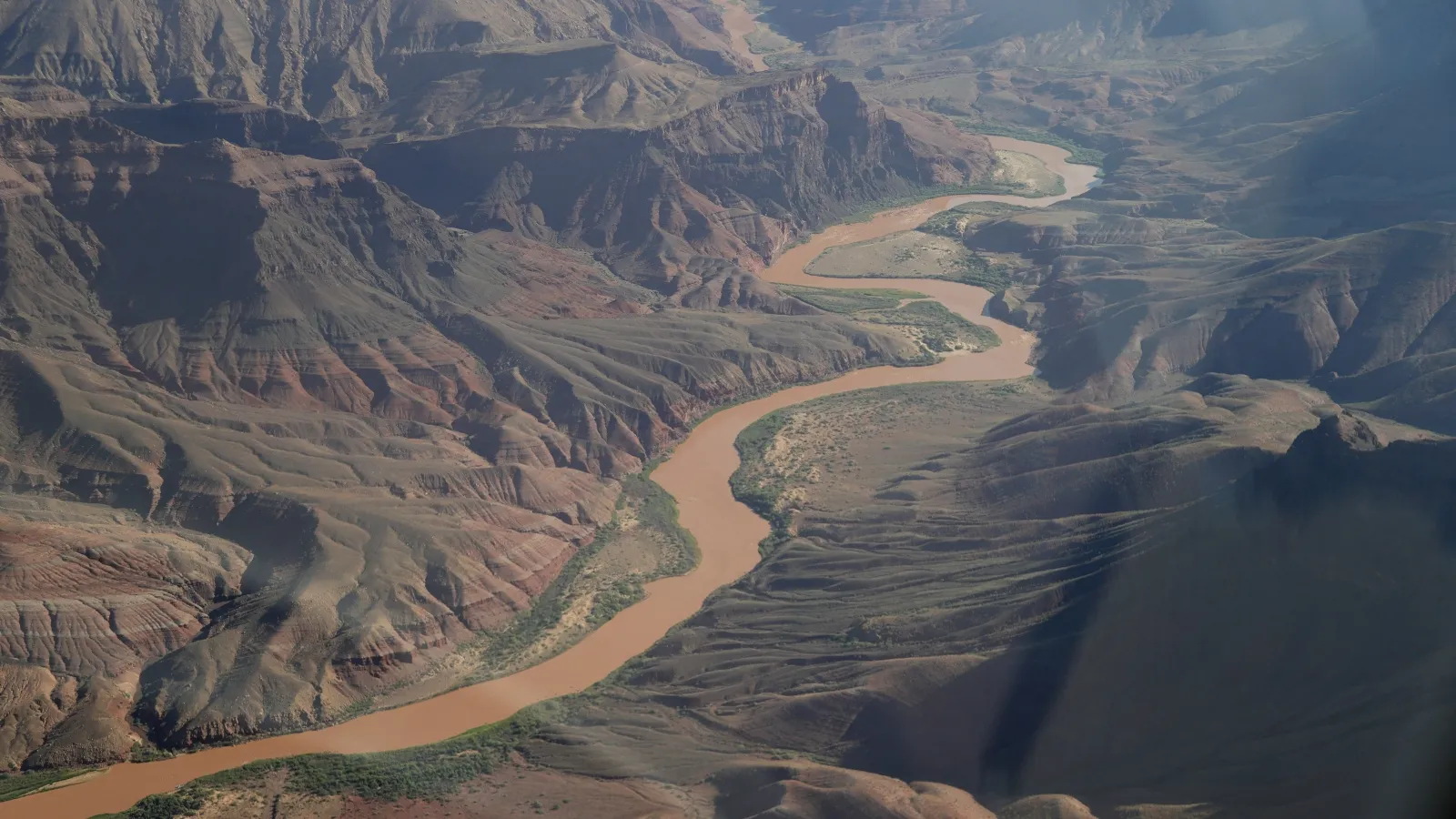
Hydrological and environmental experts have long understood that water runoff tends to flow far more quickly and aggressively in the aftermath of a major fire, especially in severe burns where slopes are left entirely barren of vegetation and the topsoil has been baked into a water-repellent crust.
While researchers and park officials note that it is still difficult to determine the exact degree to which the long-term damage from the Dragon Bravo fire directly triggered last weekend’s disaster, federal environmental models had previously indicated a dramatically heightened risk of dangerous debris flows in the Bright Angel Creek watershed.
Teams from the Department of the Interior, charged with assessing post-fire threats to human life, private and public property, and critical natural and cultural resources, found that post-fire runoff risks would be between two and eight times greater upstream of Phantom Creek. In an official report detailing post-fire conditions, the assessment team warned that hikers navigating trails within or downslope from the burned area would experience frequent ground stabilization issues, accompanied by especially hazardous rockfalls expected to persist for at least the first year following the blaze.
Park officials had expressed serious concern at the start of this summer season that stronger seasonal storms could easily create perilous, life-threatening conditions near these vulnerable burned zones. Hikers who were ultimately forced to execute emergency helicopter evacuations after rushing waters swallowed pedestrian bridges and vital park infrastructure recounted their harrowing experiences to regional media. Survivors reported that the rushing creek water turned pitch black as it instantly filled with heavy mud, ash, and organic debris.
For years, climate scientists have issued stark warnings that the ongoing climate crisis will generate more intense environmental extremes and increasingly destructive shifts between extreme wet and dry conditions. As global temperatures continue to climb steadily, these extreme events are not only projected to increase in frequency, but they are also increasingly likely to overlap in time and space. These overlapping disasters cause compounding calamities that severely test the limits of local, state, and federal resilience, emergency response infrastructure, and long-term disaster recovery operations.
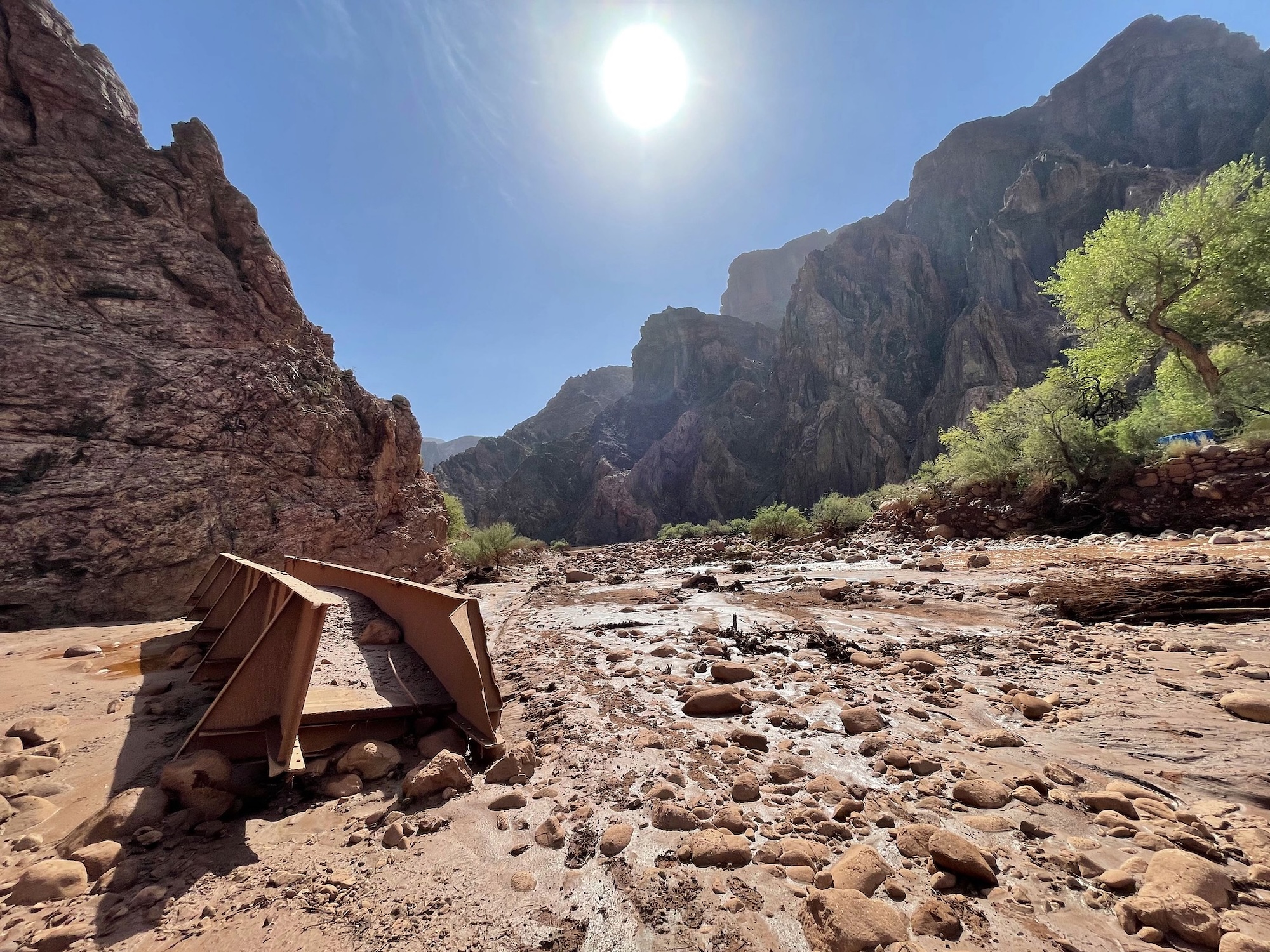
So-called compound extremes—where multiple hazardous contributing factors converge simultaneously or in rapid succession—are clearly on the rise across the American West, according to ongoing meteorological and climate research.
Along with the potential destabilizing impact of the previous year’s massive wildfire, a severe and persistent drought that continues to grip the wider Grand Canyon region, as well as the critical Colorado River basin running through it, likely contributed significantly to the severity of the disaster. The sudden deluge unleashed massive volumes of rain onto hardened, baked, and sparsely vegetated steep terrain that was fundamentally less capable of absorbing and containing abrupt increases in moisture.
Furthermore, the sudden and intense rainstorm that fueled this catastrophic flash flood may have been heavily supercharged by a historic El Niño event that has sharply increased sea surface temperatures across the expanse of the Pacific Ocean.
This major climate phenomenon possesses the profound ability to fundamentally alter and disrupt weather systems around the world. However, in the American Southwest, the significantly higher amount of atmospheric water vapor generated by a potent El Niño is regularly wrung out over the land in the form of intense rainfall, explained Park Williams, a prominent hydroclimatologist at the University of California, Los Angeles, in statements to the Associated Press.
While El Niño is fundamentally a part of a natural climatic cycle, advanced scientific models indicate a very strong likelihood that the current event will rank among the strongest on record. This naturally occurring pattern is currently layering directly on top of unprecedented spikes in global temperatures driven by human-caused climate change. Together, the overlapping probability of severe, volatile, and extreme weather events is expected to dramatically increase in the years ahead.
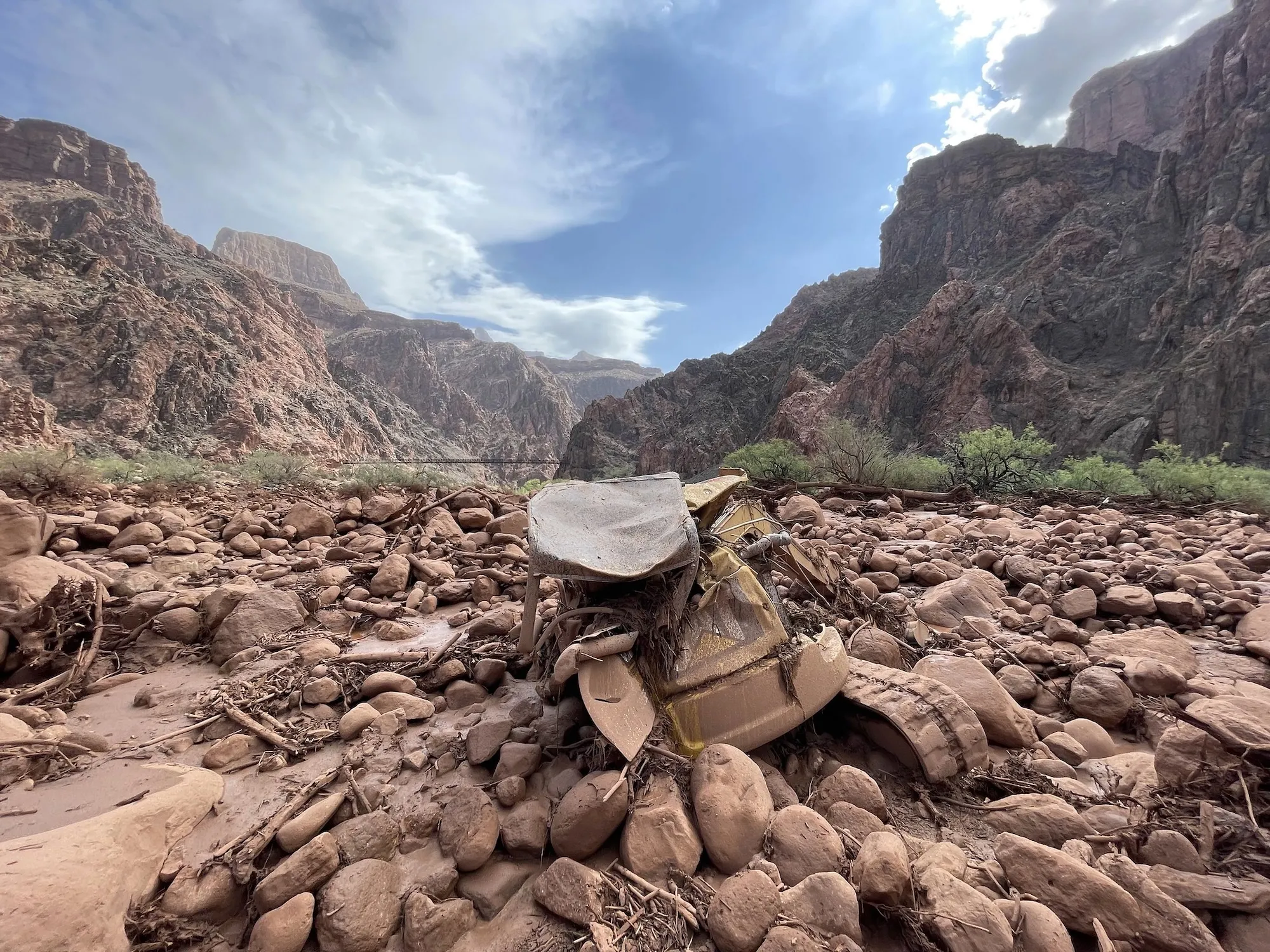
The scientific link connecting human-caused climate change to the heavy and destructive Arizona rainfall is considered moderately strong by researchers, according to Daniel Swain, a climate scientist at the California Institute for Water Resources.
Swain and a team of fellow researchers recently published a comprehensive study in the scientific journal Weather and Climate Extremes, which concluded that during the summer months, short-term intense downpours across the American West—strikingly similar to the cloudburst that devastated parts of the Grand Canyon—have grown approximately 10 percent stronger since the year 2000.
As search and recovery operations continue and park authorities assess the extensive structural damage left in the wake of the weekend flood, federal agencies and environmental scientists emphasize that the disaster underscores the growing vulnerabilities of public lands in an era of rapidly shifting climatic norms.