
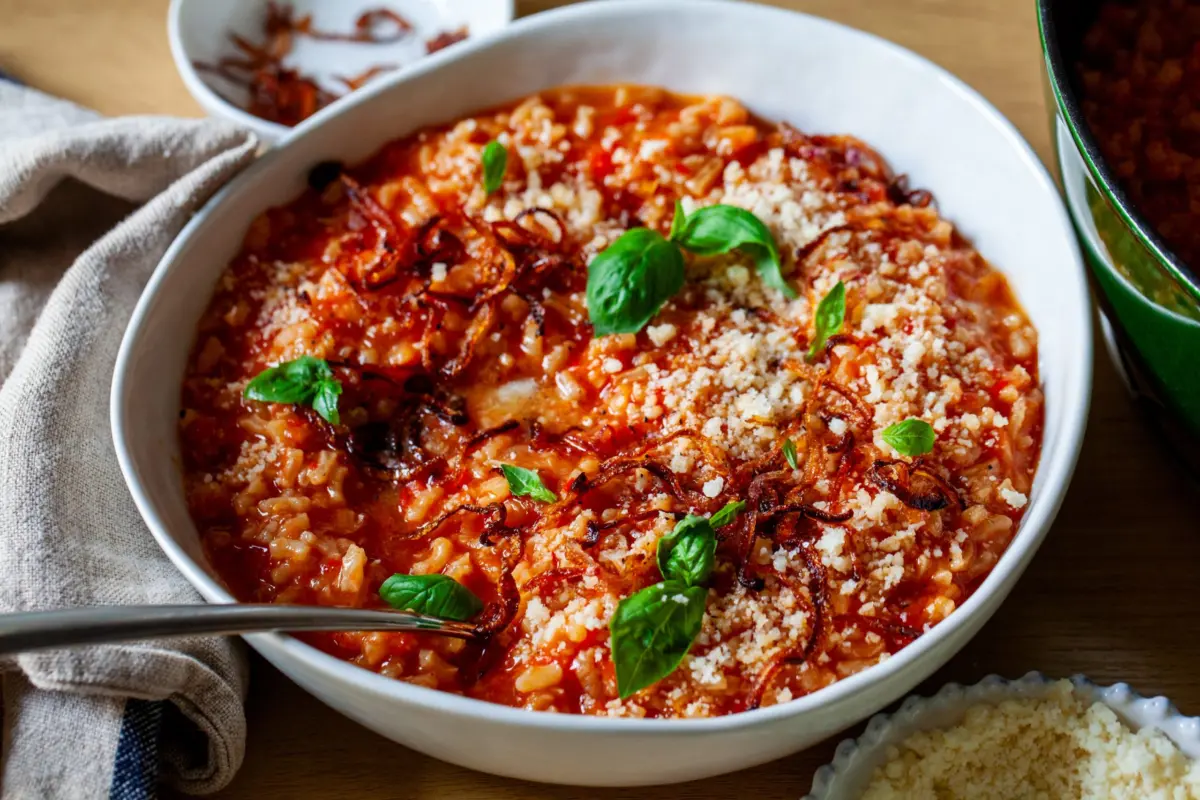
For anyone who feels a familiar twitch of irritation at the sudden appearance of pumpkin spice displays and Halloween decorations during an 85-degree week in September, there is a quiet comfort in knowing you are not alone. There are months ahead that will demand shivering, heavy layers, and longings for simmering stews, but there is no logical reason to summon them a moment sooner than necessary. Confronting digital storefronts pushing heavy wool coats while the air conditioner still hums in the background invites a universal act of defiance: gritting your teeth, staring down the screen, and muttering that there is still a full week of summer left.
Yet, as the seasonal shift looms, standing your ground against the early autumn onslaught can feel like a lonely pursuit. Embracing summer cooking for as long as actual summer produce holds out—tomatoes in particular—becomes an act of culinary preservation. The flavors missing all winter long deserve a proper send-off, rather than being unceremoniously evicted from the kitchen the moment the first stray apple arrives on grocery store shelves.

This complex dance with seasonal transition often mirrors other life changes, such as navigating the emotional milestones of children heading off to middle school or embarking on their senior year of high school. While it might be tempting to project those shifting dynamics onto dwindling summer produce, the kitchen remains a steadfast refuge where flavor takes center stage.
The inspiration for this late-season culinary stand comes from a classic concept: rice-stuffed tomatoes. The magic of that dish lies in the way short-grain rice drinks in a clear-noted, pure tomato sauce, capturing the absolute essence of the fruit. That flavor profile serves as the foundation for a standalone recipe designed to strip away unnecessary complications.

To achieve a tomato risotto as simple and uncluttered as possible, the preparation bypasses heavy stocks in favor of grated tomato pulp, a modest foundation of onion and garlic, and a generous glug of wine. Because the goal is an unadulterated tomato flavor, plain water replaces broth entirely, letting the fruit speak for itself.
This technique embraces a certain culinary rebellion by challenging long-held assumptions about how risotto must be made. Traditional wisdom dictates a strict set of rules: endless hours of stirring over a hot stove, continuous ladles of warm broth, and mountains of butter and cheese. Much like previous departures from conventional wisdom, these rigid requirements turn out to be entirely optional.

The finishing touch introduces a texture and flavor profile far more interesting than the usual suspects like pan-crisped prosciutto, salami, or bacon. Instead, thinly sliced red onions are "frizzled" early in the cooking process until they achieve a deep, golden crispness. Half of these onions are folded directly into the baked risotto, while the remainder are reserved to crown the dish upon serving. They impart a distinct fragrance, subtle depth, and a gentle balance of flavors that anchor this meal firmly in the fleeting days of late summer.
A final flourish of fresh basil leaves, a grating of parmesan, and a modest knob of butter or a drizzle of olive oil complete the presentation. For those opting for a completely plant-based meal, omitting the dairy in favor of olive oil, fresh basil, and the frizzled onions sacrifices none of the dish’s robust character.

Tomato Risotto with Frizzled Red Onions
Heat oven: To 350°F.
Prepare the risotto: Grate halved tomatoes by pressing the cut side firmly against the large holes of a box grater, pushing the tomato flesh and juices through while reserving as much of the outer skin as possible to discard. This process should yield about 2.5 to 3 cups of fresh tomato pulp.

In a 4-quart Dutch oven or deep, oven-safe saucepan with a lid, heat 3 to 4 tablespoons of olive oil over medium-high heat. Add the sliced red onion and cook, stirring frequently, until the pieces soften and eventually transform into a deeply golden brown and mostly crisp texture, which takes about 8 to 10 minutes. Transfer half of the onions to a paper towel-lined plate, season them with salt, and set them aside.
Add the garlic to the remaining onions in the pan and cook, stirring constantly, for one minute. Season the mixture with salt, freshly ground black pepper, and a pinch or two of red pepper flakes. Add the uncooked rice, allowing it to toast gently in the onion and garlic mixture for approximately 3 minutes. Pour in the wine and cook, stirring, until the liquid completely evaporates.

Pour in the freshly grated tomato pulp followed by 2 cups of water. Season the mixture generously—starting with about 2 teaspoons of kosher salt, adjusting to taste later—along with several grinds of black pepper. Bring the entire mixture to a gentle simmer, then turn off the heat.
Place the lid securely on the pot and transfer it to the preheated oven. Bake the risotto for 25 to 30 minutes, or until the majority of the liquid has been absorbed while still retaining a slightly fluid appearance. Checking the pot halfway through the baking time ensures the liquid is not depleting too quickly; if it appears dry, an additional half-cup of water can be stirred in.

To finish: Transfer the pan to a trivet or cooling rack on the kitchen counter. Remove the lid and vigorously stir the mixture for 2 minutes until it develops a naturally creamy, cohesive risotto texture. Taste the dish and adjust the seasonings with additional salt and pepper as needed. Stir in 2 to 3 tablespoons of butter or olive oil to finish. Scatter the top with parmesan cheese, torn fresh basil, and the reserved frizzled red onions before serving immediately.