
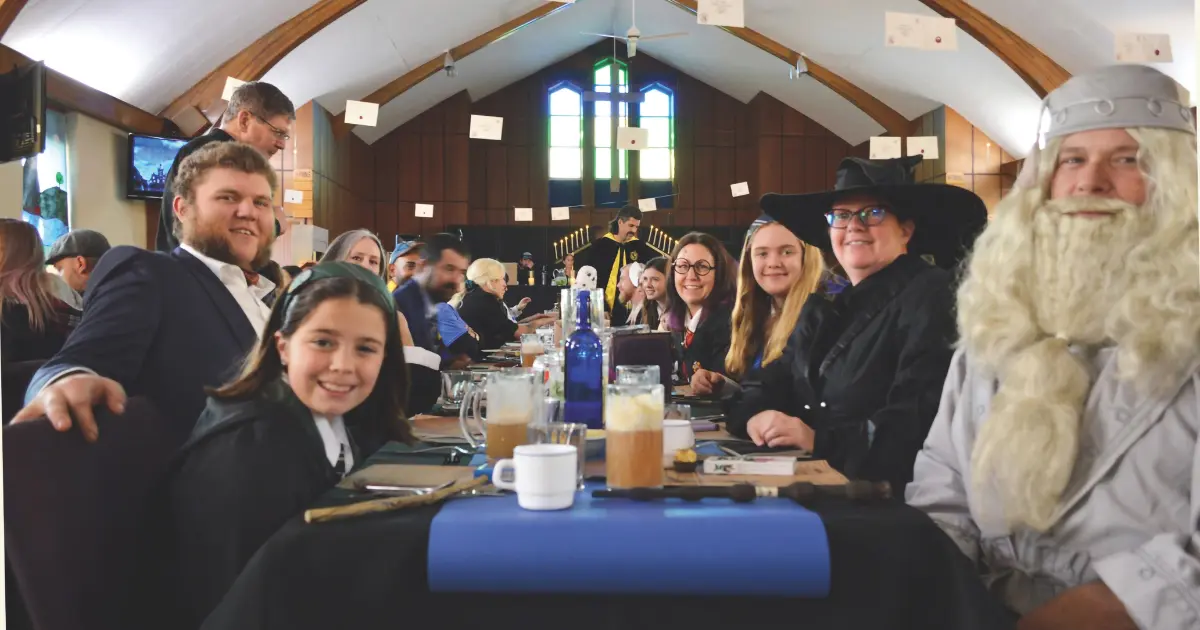
On a brisk Saturday afternoon in early May, St. Luke’s United Church in Sarnia, Ont., is a hive of activity. Parents, children, and volunteers constantly zoom between parked cars and the church’s main entrance, chatting warmly as they unload a steady stream of supplies. Inside the building, the excited, overlapping voices of a community meeting underway in the basement spill over from the stairwell into the quiet sanctuary above, creating a vibrant atmosphere that bridges sacred tradition with grassroots community engagement.
It is a typical day at what roughly 60 dedicated members affectionately refer to as the "little church on the corner." Perched strategically on the edge of an actively changing neighbourhood located close to local schools and low-income housing developments, St. Luke’s has spent more than 80 years consciously shaping its day-to-day ministry around the pressing social and practical needs of the surrounding community.
For the congregation and its leadership, this outward-facing focus is not merely an auxiliary program; it is the fundamental justification for the church’s physical presence in the neighbourhood.
"We feel our purpose of being on that corner is to support the community in any way we can," explains Larry McLaren, the chair of the church’s board of trustees.
Over the decades, St. Luke’s has woven itself deeply into the fabric of the city by maintaining a host of collaborative partnerships with both national and local organizations. These include humanitarian efforts like the Canadian Foodgrains Bank alongside vital regional groups such as Sarnia-Lambton Rebound, an organization dedicated to working closely with at-risk youth. Many of these important relationships are long-term arrangements predicated primarily on the church’s willingness to provide physical space—a commodity that traditional congregations often hold tightly, but which St. Luke’s has chosen to share abundantly.
Initially, these space-sharing arrangements were rooted purely in altruism and a desire to serve the vulnerable. For instance, the church historically charged just a symbolic dollar a year to the Dow Centre for Youth, a facility that leases church-owned land situated on the other side of the parking lot. That land houses essential community services, including Rebound and Big Brothers and Big Sisters of Sarnia-Lambton. In a similar spirit of community care, the church previously charged nominal rates to Community Living, which utilizes the property’s former manse as supportive residential housing for young adults with diverse needs.
However, the harsh economic realities facing modern congregations eventually forced a shift toward greater financial pragmatism. When the congregation recognized that it needed to generate more reliable revenue streams simply to sustain St. Luke’s ongoing operations and maintenance, church trustees took measured steps toward financial sustainability. In 2018, they raised the lease for Community Living to $500 a month. By 2024, they successfully negotiated a modest two percent annual increase on the lease to effectively keep pace with inflation and rising operational costs.
The pivot toward imaginative space utilization reached a major milestone in 2017 when the church boldly opened up prime space within its main building to allow Rebound to establish a dedicated youth drop-in centre. Creating this facility required a significant architectural alteration: the congregation had to eliminate its traditional fellowship room and relocate Sunday school classes down to the basement level.
During the initial deliberations, some church members naturally experienced hesitation and anxiety about altering their familiar surroundings and sharing the building so intimately. Yet, those doubts eventually melted away. Members came around to the idea "because they believed in the mission and ministry that would be possible," says Rev. Melanie Kirk-Hall, the church’s minister.
The physical transformation was made possible by a $75,000 grant awarded through the United Church of Canada Foundation’s Seeds of Hope program, which directly financed the necessary renovations. Today, that transformed area is known as "The Nest." Characterized by an L-shaped layout complete with a functional kitchen, laundry facilities, and a capacious lounge situated conveniently next to the church’s administration office, The Nest now hosts a thriving drop-in program five days a week. The schedule alternates between two distinct age groups: adolescents aged 12 to 15, and older youth aged 16 to 24. Rebound leases this specialized space, paying an equitable rate calculated by the square foot.
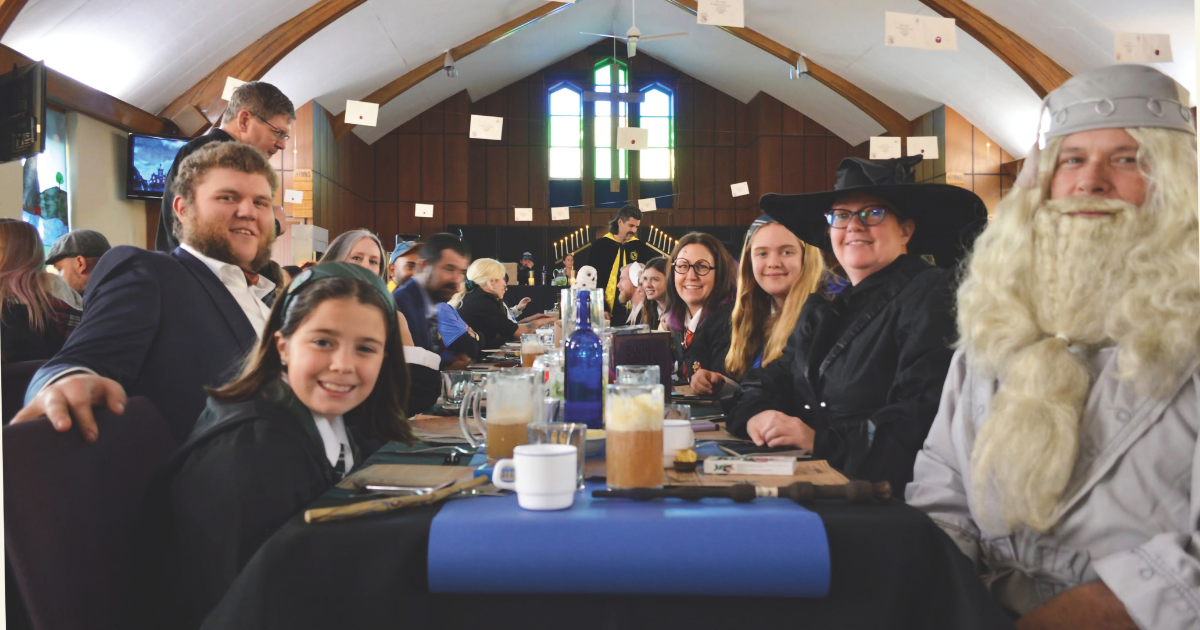
Encouraged by the tangible success of these early space-sharing arrangements, the church leadership recognized even greater potential to generate additional income through versatile rentals for private events, community meetings, and public gatherings. In 2021, they turned their ambitious vision toward the main sanctuary itself, systematically redeveloping the sacred space into a flexible, multi-use community hub.
The comprehensive renovation added modern amenities that previous generations of churchgoers could only imagine, including air conditioning, an accessibility lift, a portable sound system, a modern projection screen, and reliable internet access. Traditional, immobile wooden pews gave way to comfortable, movable chairs, and the historic choir loft was carefully removed to clear space for a multi-purpose stage. Furthermore, St. Luke’s completely updated its church kitchen to meet modern health and catering standards.
As with the youth centre renovations, some congregants initially resisted the sweeping changes to the sanctuary, according to McLaren. However, the anxiety was successfully allayed by deliberately retaining key traditional elements of the church—including the prominent cross and the pulpit—while simultaneously introducing softer, more inviting seating options. Existing basement tenants, such as local chapters of Alcoholics Anonymous, have readily utilized the newly updated space, and St. Luke’s remains actively open to exploring fruitful collaborations with new prospective renters from across the city.
Mindful that long-term organizational sustainability is not solely about accumulating funds, the congregation is also proactively planning for the future. Church members are thoughtfully considering what steps to take if the congregation eventually shrinks to a size where it can no longer operate completely independently or protect its vital outreach projects. To safeguard their legacy, they are actively exploring the possibility of making the United Church’s regional council a formal trustee. This strategic move would ensure that physical operations continue uninterrupted and that the occupancy rights of their main community tenants are fiercely protected well into the future.
While financial and operational challenges remain an ongoing reality for any modern faith community, McLaren proudly touts the church’s evolving and creative use of its facilities as a modest yet undeniable success story. Community outreach continues unabated, new members who are deeply supportive of the church’s progressive mission have steadily joined the fold, and the congregation’s ledger remains encouragingly in the black.
For her part, Rev. Kirk-Hall expresses deep admiration for her congregation’s unwavering spiritual dedication and enduring passion for justice and community service.
"St. Luke’s has often worked toward a big vision," she reflects, capturing the ethos of the people who call the corner church home. "There’s just this real internal consistency about who they are and who they want to be as followers of Christ in the world."