
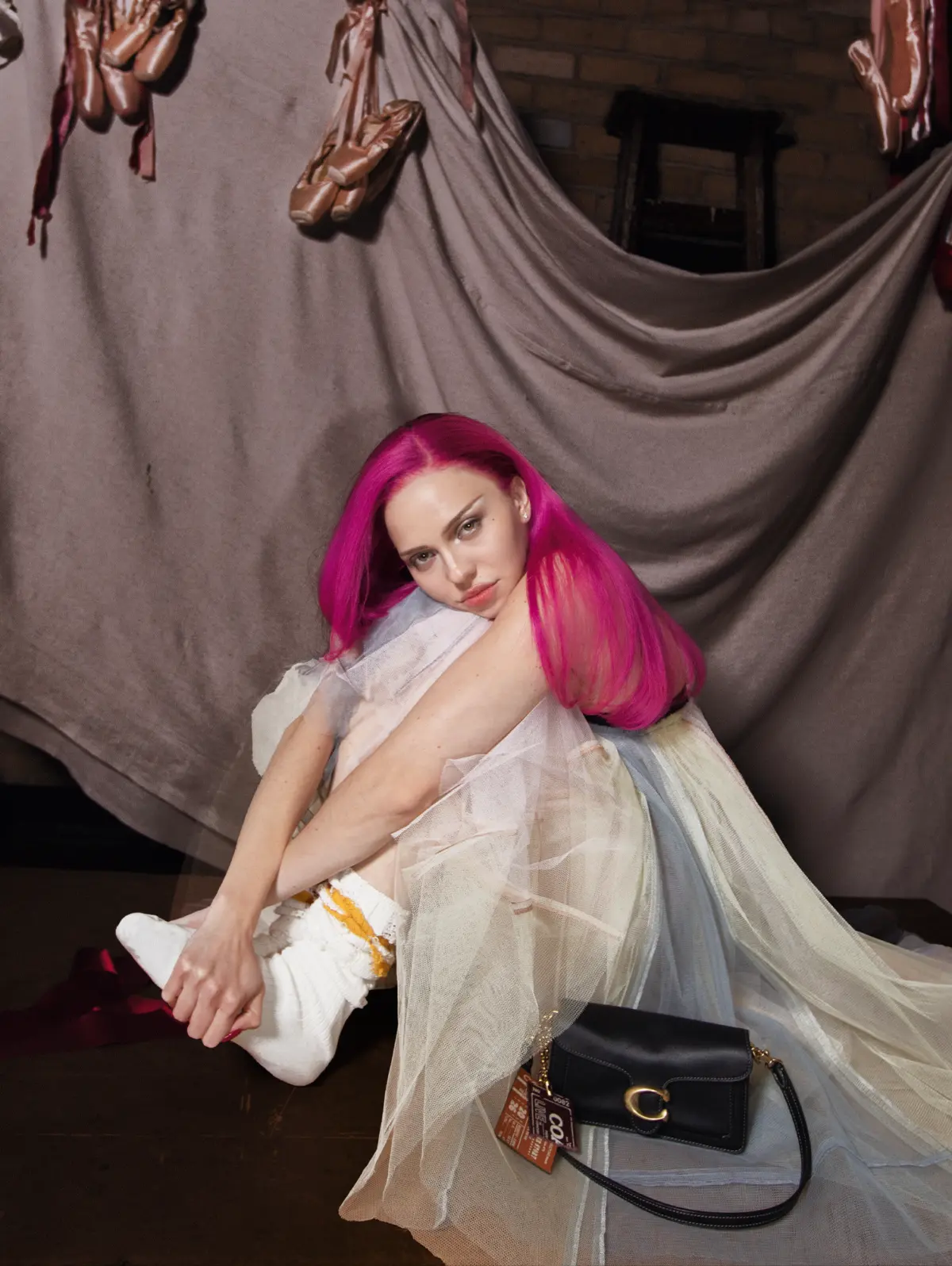
On a warm September night inside a third-floor walk-up apartment in Ridgewood, Queens, a gathering of young people sat on the floor wearing bright pink wigs. Among them was an Amazon corporate employee who could not stop complaining about the fluorescent magenta tendrils itching the back of her neck. According to the digital invitation received just days earlier, the group had assembled to celebrate the release of Prima, the debut album from Slovak pop provocateur Adéla. Technically categorized as a listening party, the atmosphere felt closer to a devotional gathering or a niche celebration, charged with an intensity rarely found at standard industry events.
Within an hour, the compact railroad apartment was pulsating with heavy basslines, glittering synthesizers, and overproduced pop sounds that evoked an earlier era of bedazzled mobile devices. Then came "Hitachi," a surprisingly sentimental ballad utilizing a vibrator as a metaphor for a doomed relationship. Somewhere between the room’s collective laughter and the earnest sing-alongs, a tear formed in the corner of a listener’s eye. It was a peculiar kind of devotion for an artist who, not long ago, was known primarily within internet stan circles for her early elimination from a high-profile K-pop competition. Yet Adéla has achieved what countless aspiring pop stars struggle to manufacture: a genuine, fiercely loyal cult following.
From Early Rejection to Global Stardom
When we met for our interview, Prima had already been out in the world for a month and a half. With everyone offering opinions on the album, the 22-year-old artist had temporarily sworn off social media, put her head down, and doubled down on her craft and album rollout. She had just wrapped up the first part of the East Coast leg of her Red Bottoms Tour, attended buzzy media events and red carpets, and appeared as a special guest for Charli XCX at her Los Angeles show. Most notably, she had appeared on The Late Night Show Starring Jimmy Fallon just four days prior to our scheduled call, learning her onstage routine in a matter of hours.
Despite a demanding schedule that would leave anyone mentally, physically, and emotionally exhausted, Adéla locked into our hour-long conversation, carefully considering every word. She recognized that at this early inflection point in her fame, everyone was waiting to see what she would do next.
"There are a lot of things that are super new, like the excessive attention, but I feel pretty much the same. Maybe I just haven’t processed it yet," she said, adjusting her baggy sleep shirt printed with a vintage photo of Britney Spears from the Baby One More Time cover. "The only thing that does process to me is the quality of work that I put out there."
To call 2026 the year of Adéla would be an understatement. Born Adéla Jergová, she has catapulted to mainstream celebrity over the past several months. Although she maintained a modest following as a former contestant in the competition that formed the global group Katseye, nothing could have prepared the music industry for her rapid ascent following her debut solo EP. Within less than a year, she secured a sold-out tour, glossy editorials, praise from artists like Zara Larsson, Demi Lovato, and Rosalía, and two consecutive hit singles on the Billboard Hot 100. One song even received a personal stamp of approval from its namesake, actress Nicole Kidman.
A Childhood Shaped by Pop Icons
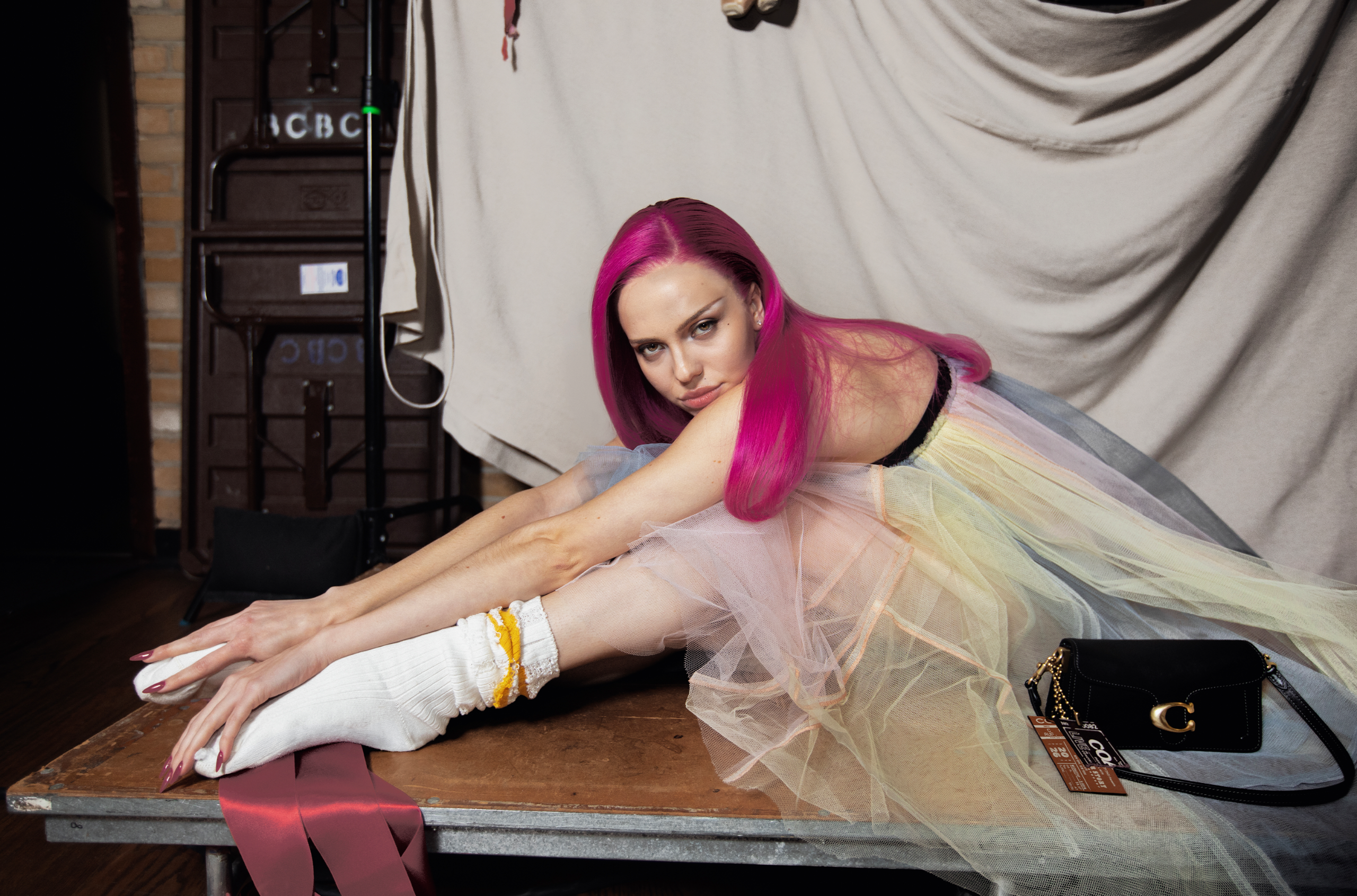
Adéla’s path to prominence feels almost inevitable in hindsight. Born in Bratislava, Slovakia, she grew up with aspirations far beyond her Eastern European surroundings. She taught herself English by watching the Disney Channel and YouTube, studied ballet professionally through her teenage years, and maintained a rebellious streak at school that her teachers excused because of her stellar academic performance.
Growing up in post-communist Europe, Adéla idolized pop music, much like her mother two decades prior, who had worshipped smuggled Western pop culture posters. Her childhood bedroom served as an altar to the feminist legends who came before her.
"When you think of a pop star, you think of a woman—and that is so empowering to me," she noted, nodding to icons like Beyoncé, Ariana Grande, and Lady Gaga. To Adéla, these women are far more than just beautiful performers singing and dancing on stage; they are cultural architects shaping public discourse. "People love to tell themselves that these women don’t have this power, but they do, and I think they’re just afraid to admit it to themselves. A lot of people don’t think much about pop music at all. It’s funny to me because a straight man will never understand."
By 2023, Adéla traded the ballet barre for the recording studio, eventually relocating to Los Angeles to audition for The Dream Academy, the joint reality show venture by Hybe and Geffen Records. As the first contestant eliminated from the competition, label executives noted that her persona was better suited for a solo career rather than a group format. Far from crushing her ambitions, the experience introduced her to a global audience and provided the launchpad she needed.
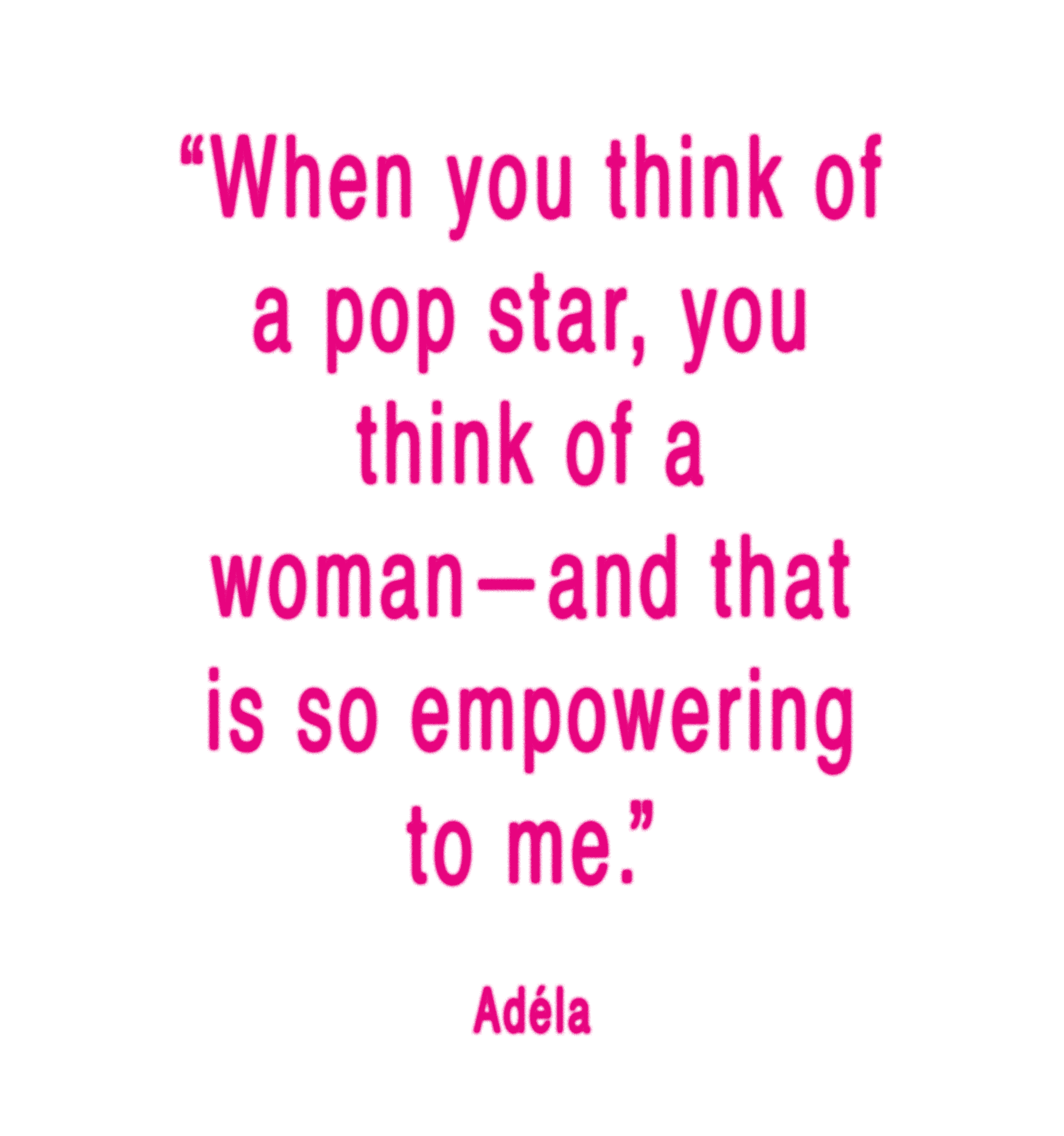
Less than two years later, Adéla released her first EP, The Provocateur, under Capitol Records. A gritty, sexually charged collision of industrial beats and distorted electro-pop, the project explored the darker underbelly of fame and ambition. Its visuals were equally confrontational; the opening shots of her music video for "SexOnTheBeat" featured a bleached-browed, pastel-pink-haired Adéla simulating an orgasm. Subtlety was never the point.
Reveling in the Spectacle on Prima
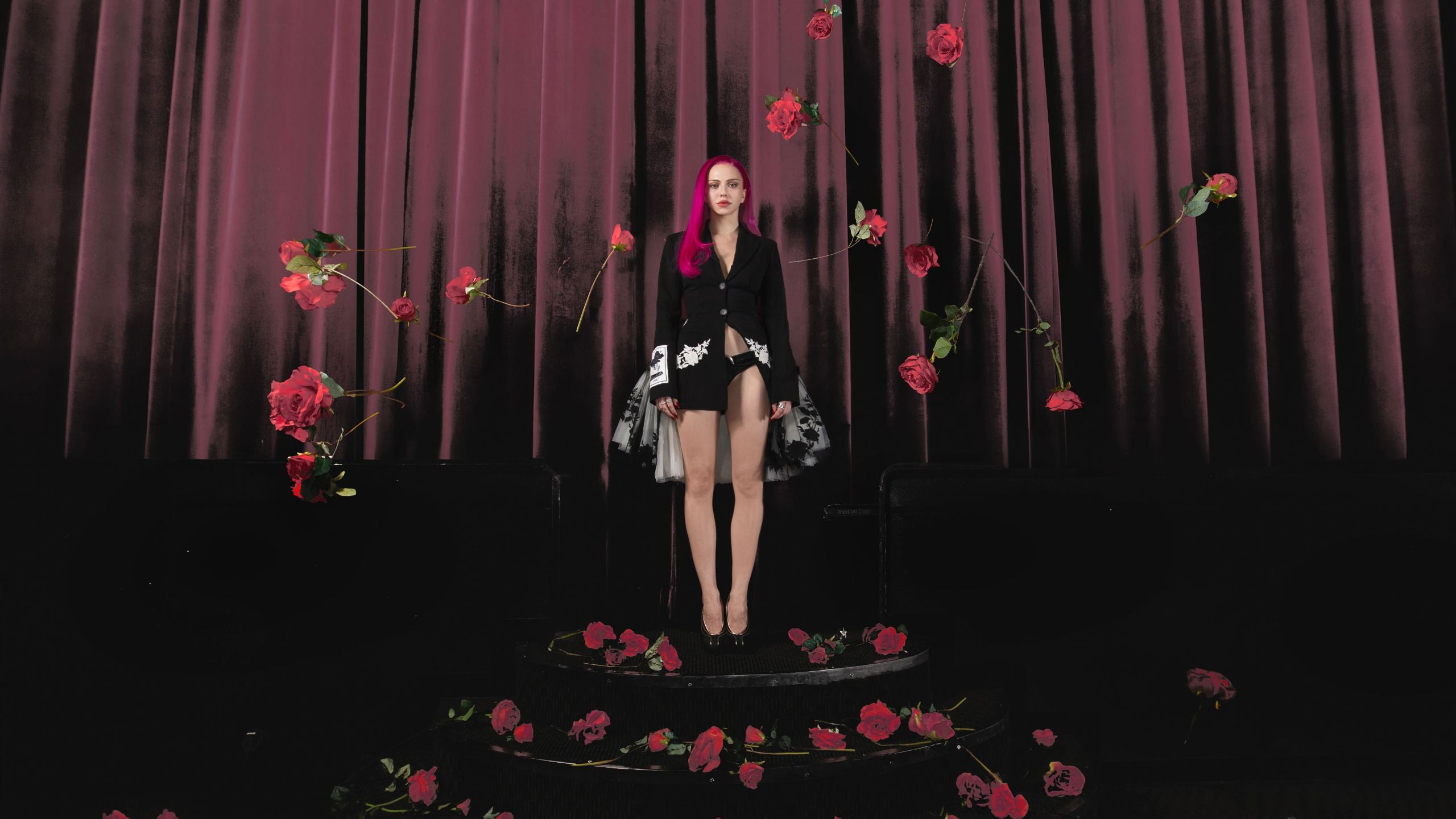
If The Provocateur was Adéla’s rigorous introduction to the music industry, Prima became her invitation to revel in its sheer spectacle. Released in September, her first full-length album traded the abrasive, industrial edges of her earlier work for a glossier, more exuberant brand of pop heavily influenced by the larger-than-life women of her childhood. The record features the tongue-in-cheek bravado of "KGB," the hypnotic club anthem "Boys," and the unexpectedly tender vulnerability of "Red Bottoms."
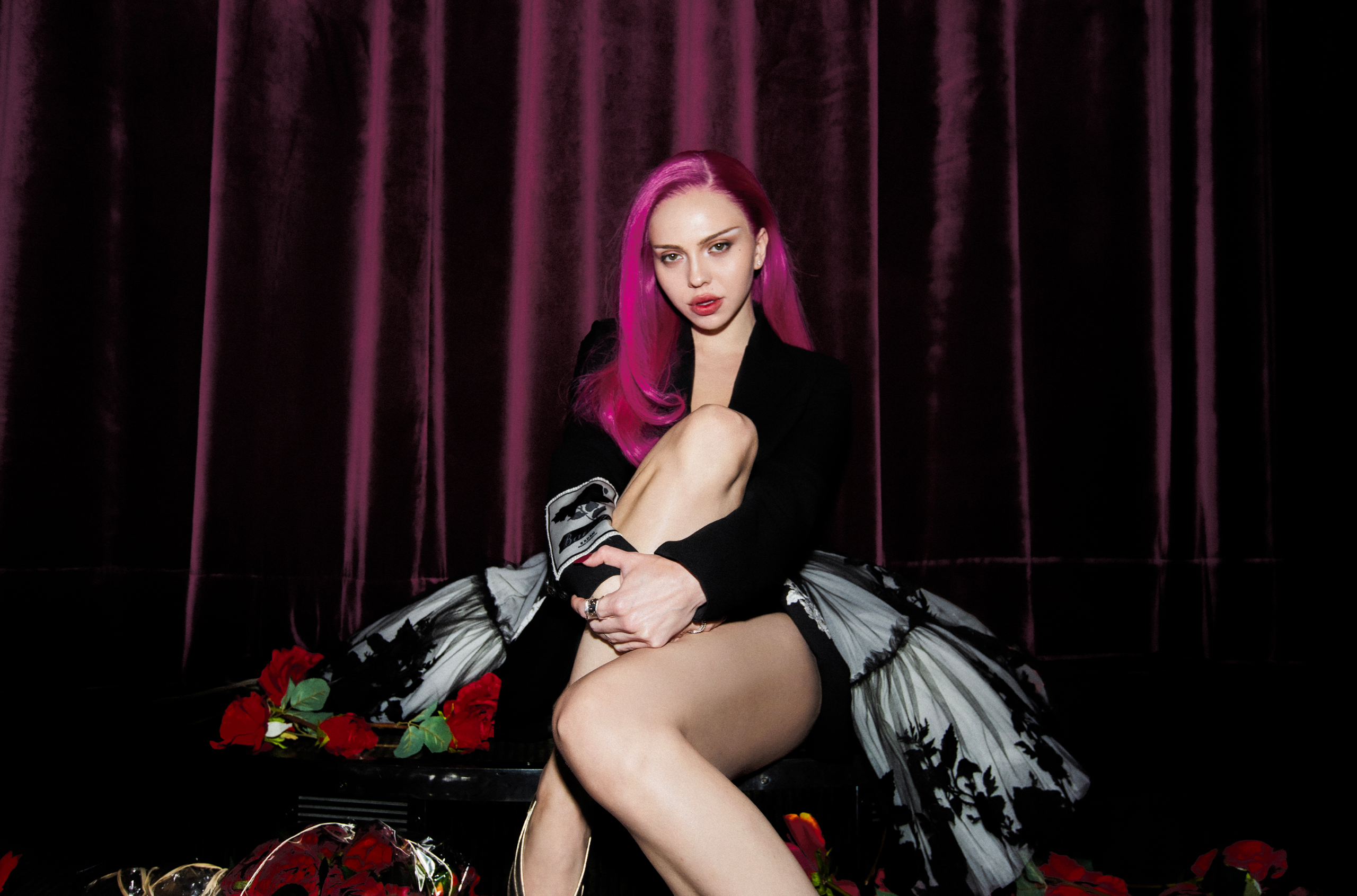
The album is laced with musical nods to the iPod classics of a 12-year-old Adéla: A$AP Rocky’s "Fashion Killa," Beyoncé’s "Pretty Hurts," and Miley Cyrus’s Bangerz. The influence of Cyrus runs deep; Adéla enlisted songwriter Theron Thomas—who worked on Cyrus’s "We Can’t Stop"—to provide the chopped-and-screwed vocal Easter egg that opens her viral single "Ain’t in LA."
Adéla’s swift commercial success surprised even her. "Getting two hits is really surprising. I wanted to see if I could do it. I know I can perform really well, sing really well, and dance really well, but songwriting was always a mystery to me," she admitted. "I wondered if it was even in me to write songs that people could connect to on a large scale. I honestly wasn’t even expecting it all. I was just like, ‘Okay, let’s see how this goes.’"
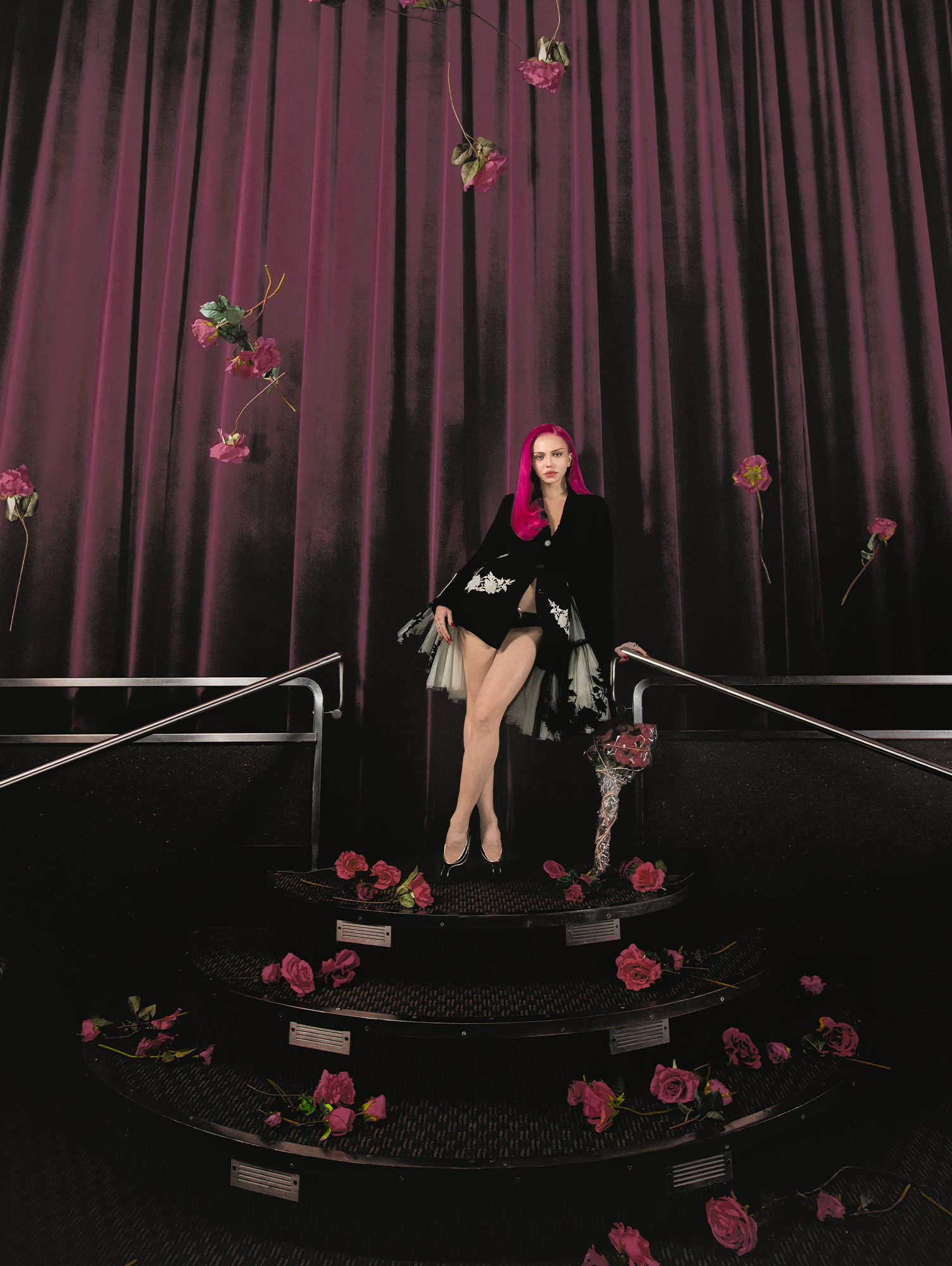
"Ain’t in LA" sparked a massive global TikTok trend, followed quickly by "Nicole Kidman," a high-octane pop anthem that became inescapable online. Its cultural footprint reached a surreal peak during Chanel’s Spring/Summer 2027 runway show in Paris, where Dua Lipa, Pedro Pascal, and Kristen Wiig filmed a viral TikTok lip-syncing to the track before passing the phone to Kidman herself.
Navigating Aut
onomy and Public Scrutiny
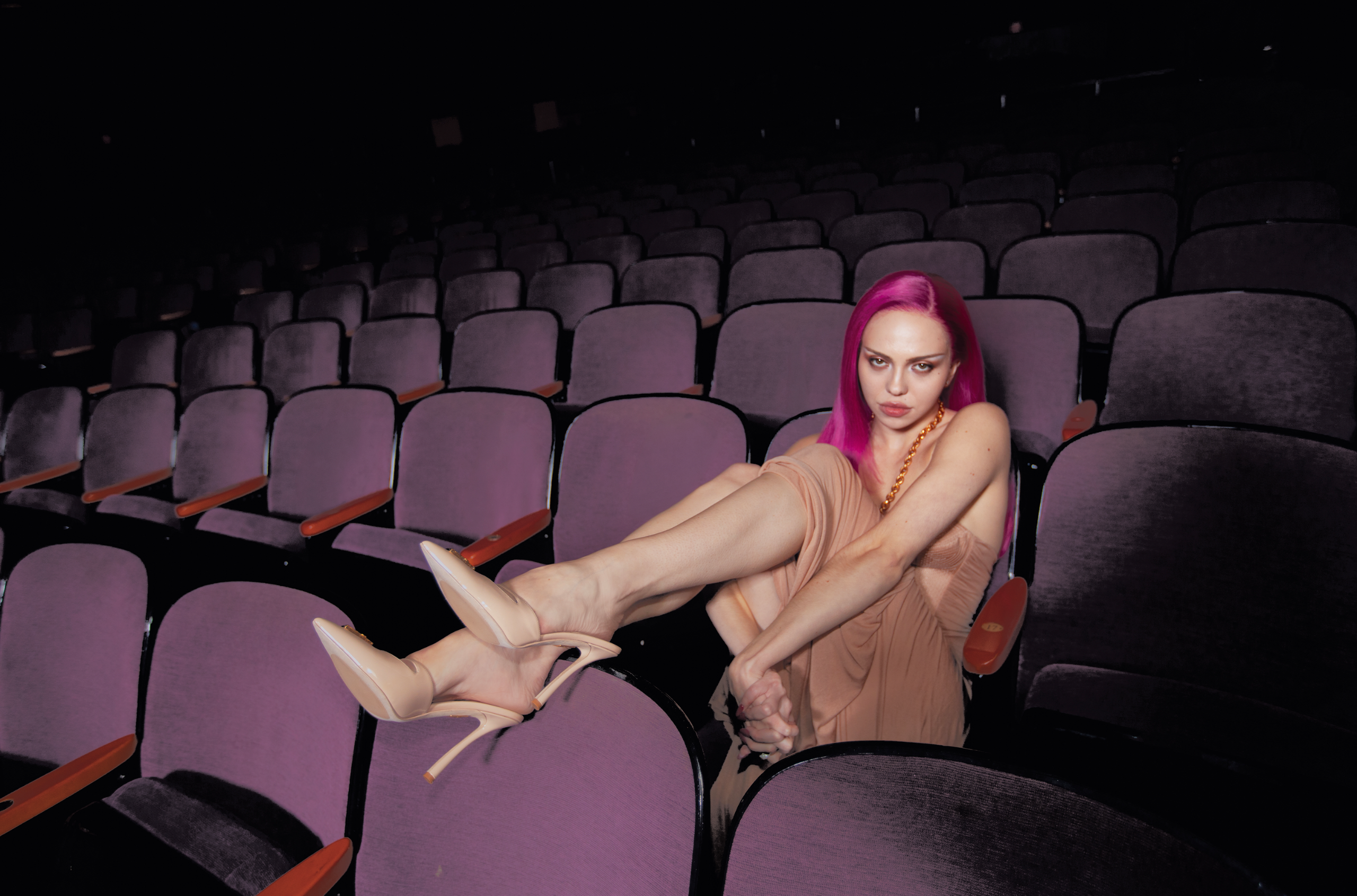
Critics often argue that commercial success requires an artist to sacrifice their creative vision, suggesting that chart-topping hits are purely manufactured for streaming algorithms. Adéla firmly rejects this narrative, viewing her sonic evolution on Prima as an intentional artistic choice rather than label pressure.
"It makes me laugh when people say the album sounds the way that it does because of my label. These days, people talk about artists in a way that is a little bit patronizing, as if we have no autonomy or don’t have a say in this or that it’s just my label making me do this," Adéla explained. "I just wanted to make a pop-ass album, and that was my choice."
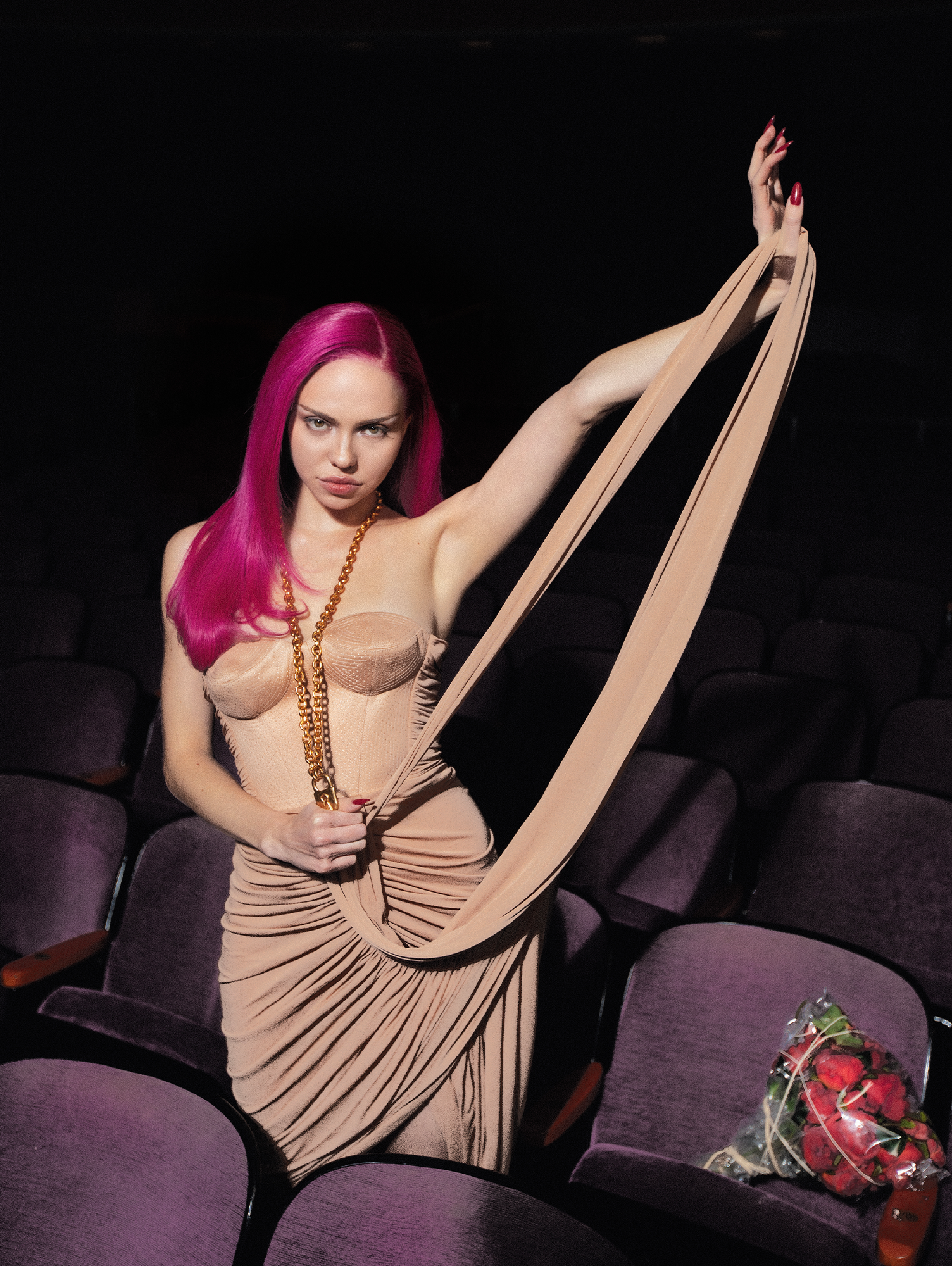
Not everyone welcomed the sonic shift. Some longtime fans felt the glossy production of Prima departed from the experimental edges that initially drew them to her work. Following the release, the intense online feedback—both adulatory and critical—prompted Adéla to step away from social media entirely. Being labeled a corporate sellout took an emotional toll.
"Everyone has a say. Everyone feels like a music critic. Everyone loves to be the contrarian and loves to hate the thing that’s popular," she said. "At the end of the day, it’s popular for a reason, though. It’s reaching a lot of people. I just don’t think it’s that fucking deep. Let’s enjoy the music."
With Grammy speculation swirling around potential Best New Artist contention, Adéla revealed that she intentionally opted out of submitting for consideration this year. "I think it’s a nomination you need to earn. I have so much more work to do before I even think of that. I have my tour, and I want to start writing my next album," she shared. "I think I need to do all the work I can this year and next in order to really earn it. Maybe in 2028… I’ll feel like I truly deserve to be in that room."
Grounding Herself in Reality
Despite her self-assurance, Adéla acknowledges that the day-to-day reality of fame has brought unexpected anxieties. When thousands of strangers began dissecting her music, appearance, and every public move online, the noise became overwhelming. Seeking refuge in mundane routines, she found grounding in simple activities, such as a routine trip to the grocery store with her boyfriend.
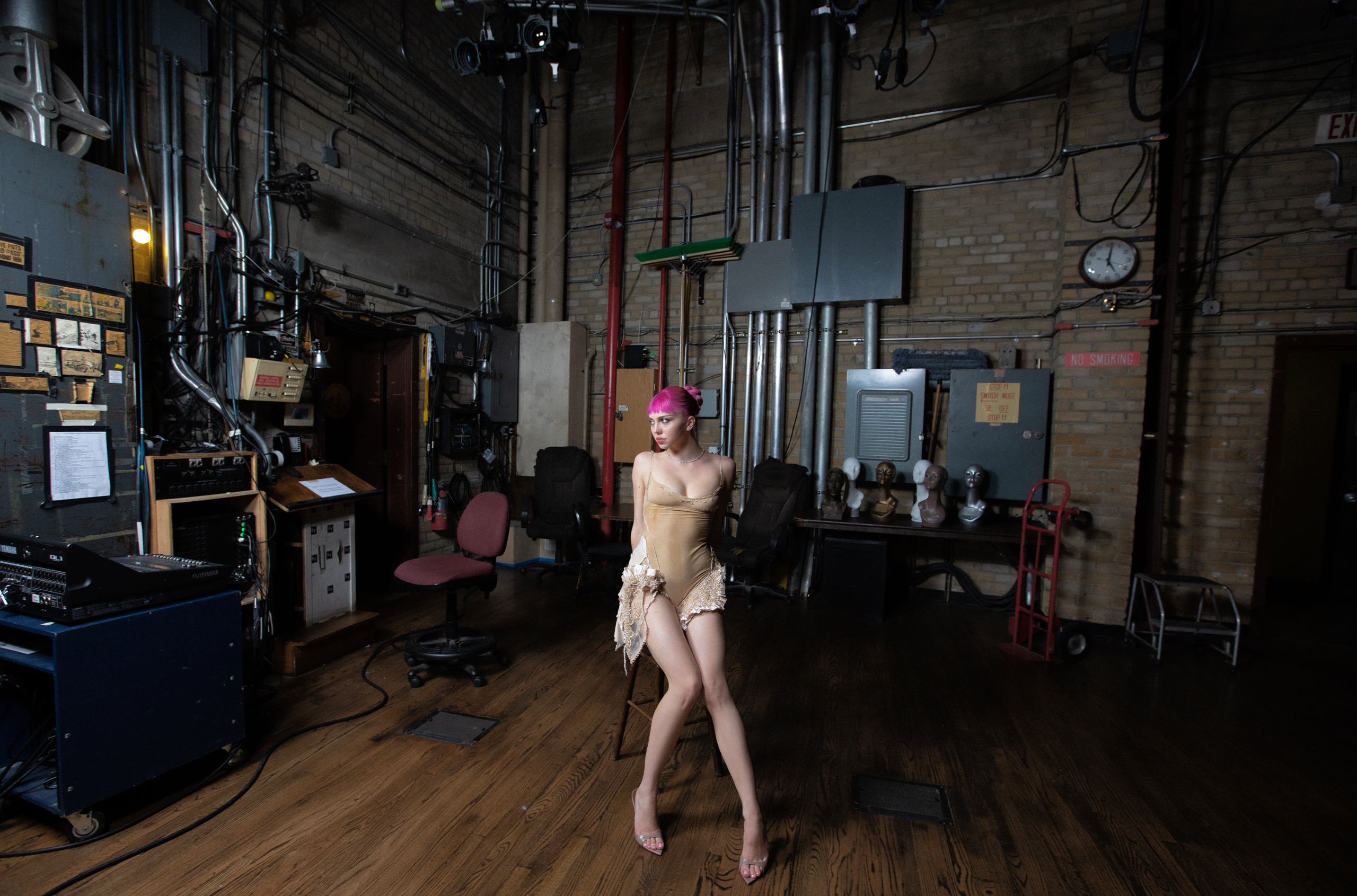
"No matter if people are gonna fucking like my song or not, I still am gonna go out there and buy a fucking carrot just like everybody else," she reflected.
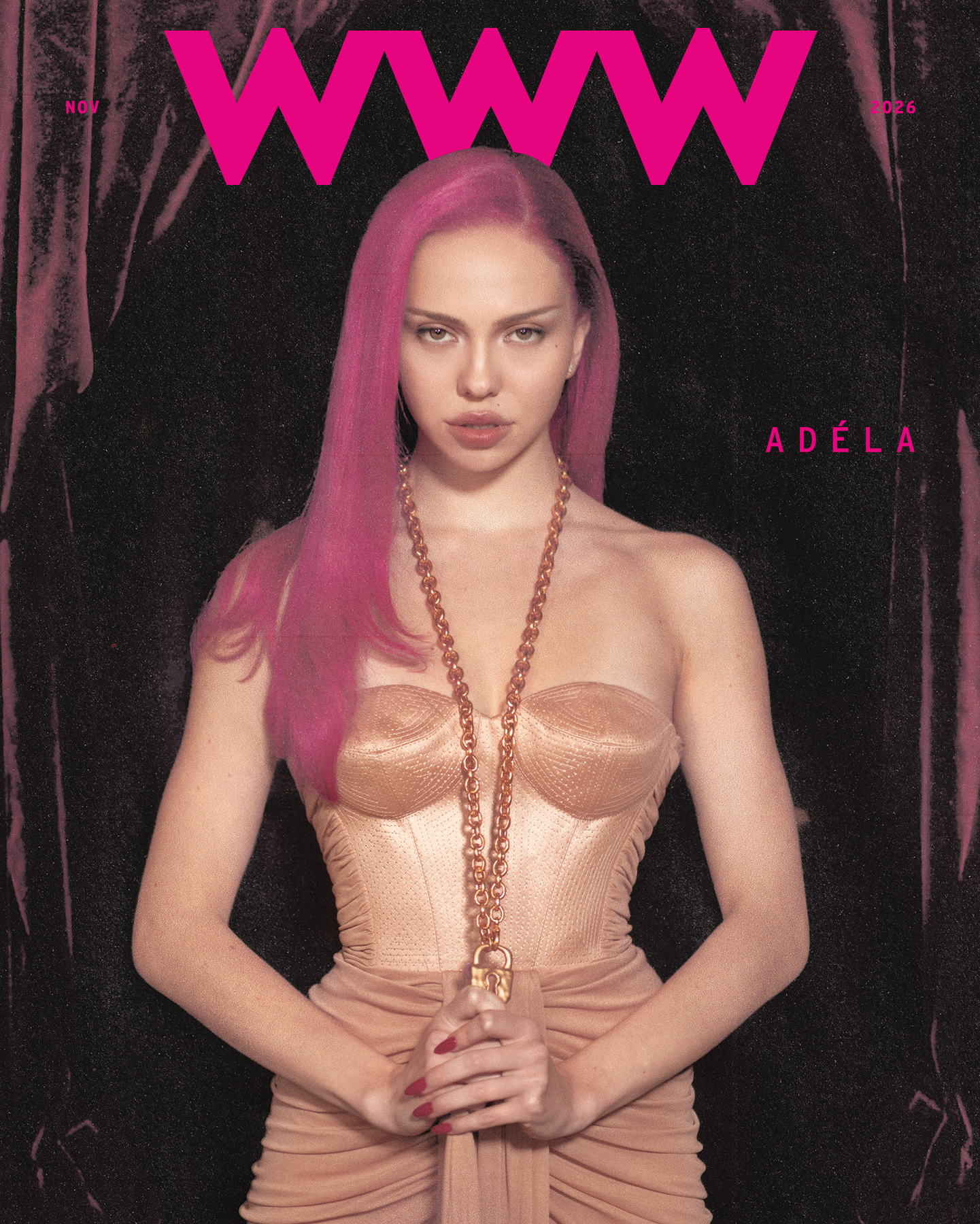
Maintaining anonymity is increasingly difficult, particularly with her signature electric-pink hair acting as a beacon for her dedicated fanbase, known as Adéliens. Working alongside stylist Chris Horan—who also styles Charli XCX—she has cultivated a striking visual identity that bridges small-town roots with high-fashion pop royalty. Yet offstage, Adéla prefers a more understated aesthetic, favoring the quintessential Gen Z uniform of jeans, heels, and a bralette.
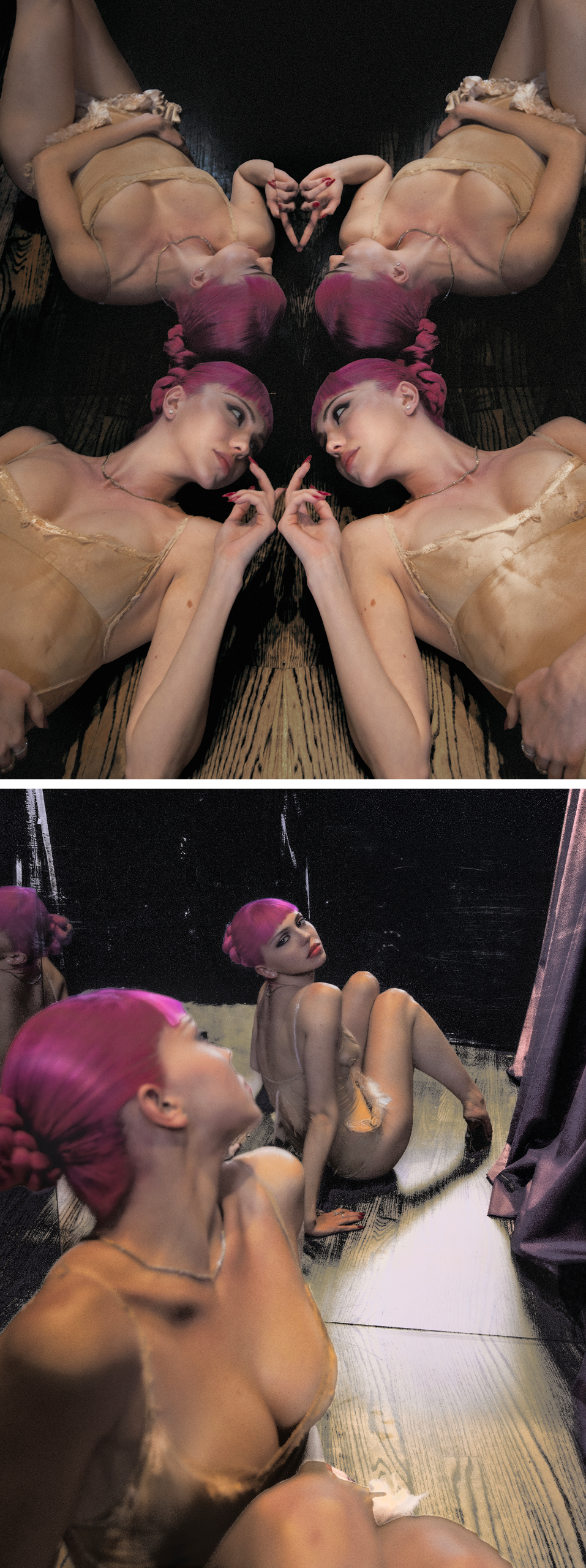
"It’s a bit of a dance to see how far Adéla the person and how far Adéla the pop star goes. The line is very much blurred," she noted.
Looking ahead, Adéla understands the fickle nature of public adoration, having studied the trajectories of female artists who faced sudden public backlash after years of worship. Rather than expecting unconditional, permanent fame, she remains grounded by the reality of industry cycles, finding solidarity with peers like Zara Larsson who understand the unpredictable nature of chart success.
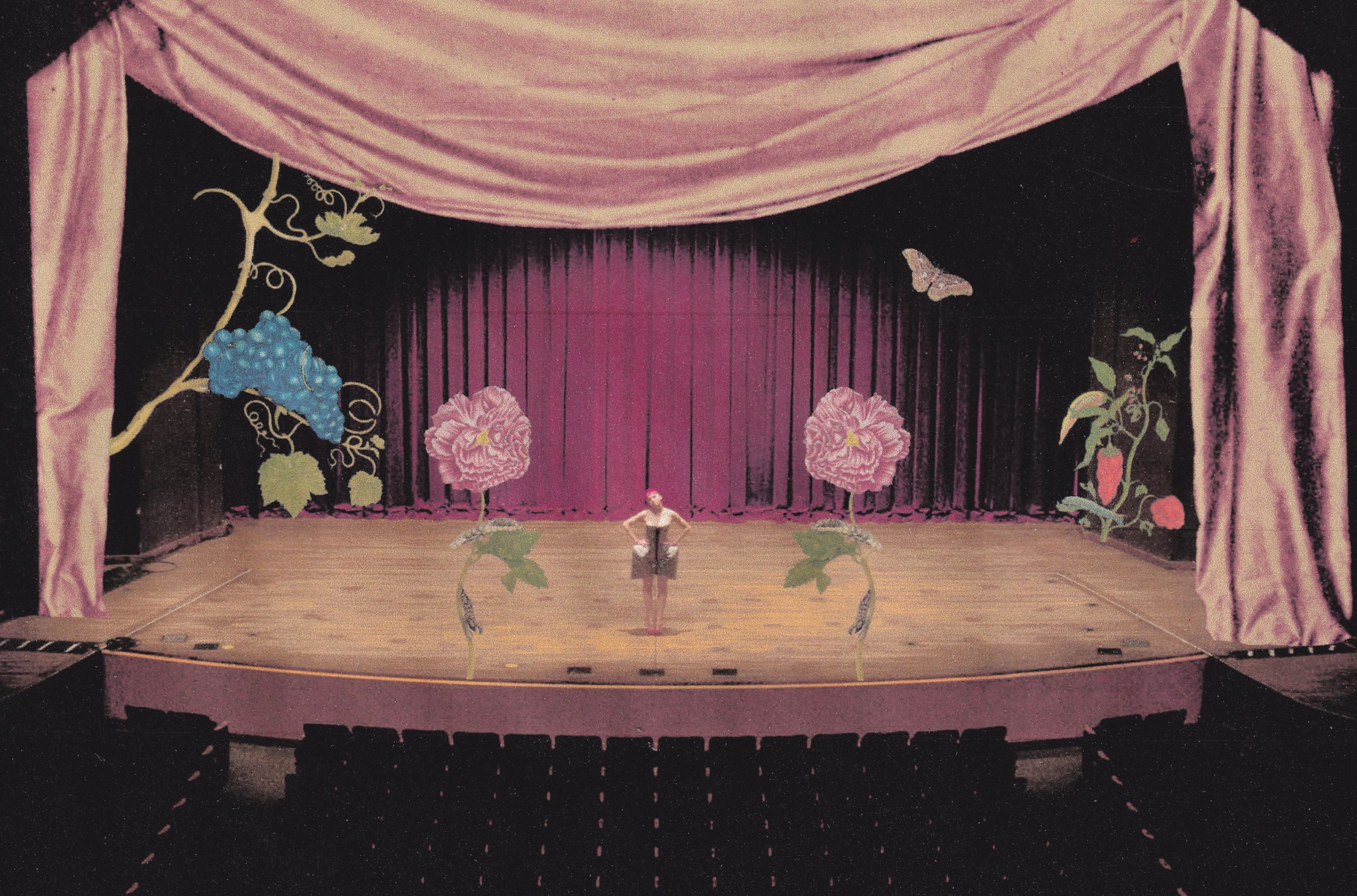
Ultimately, Adéla is focused on building a lasting cultural legacy defined by substance, ambition, and pointed commentary. "You just need to want to be fucking great," she concluded. "You need to have something to say. You need to have fucking opinions."