
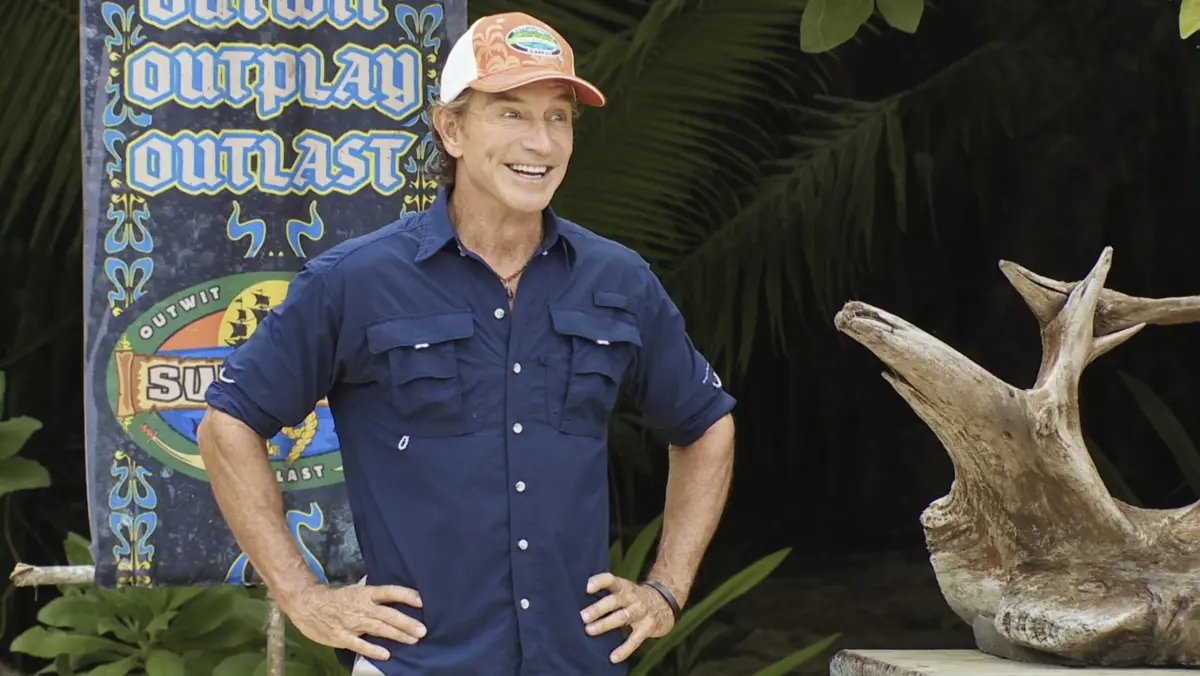
Longtime host and showrunner Jeff Probst has made it clear that the core casting philosophy of Survivor remains entirely untouched, even as parent company Paramount and broader sectors of the entertainment industry scale back their diversity, equity, and inclusion (DEI) initiatives. Speaking candidly about the reality competition’s enduring commitment to diverse representation, Probst emphasized that the show’s casting approach is driven by narrative necessity rather than corporate mandates or shifting political landscapes.
The discussion surrounding the show’s casting policies comes at a time of significant corporate transition within Hollywood. In recent months, major media companies have altered or rolled back formal DEI frameworks following Donald Trump’s return to the White House and mounting political pressure against corporate equity programs. Notably, David Ellison’s Skydance committed to eliminating formal DEI initiatives last year while seeking regulatory approval from the Federal Communications Commission for its massive merger with Paramount. Despite these sweeping corporate shifts and industry-wide recalibrations, Probst maintains that the ground-level approach to populating the famous island tribes has not wavered one bit.
During a recent interview with The New York Times, Probst reflected on the evolution of the series, pointing directly to the milestone initiative launched by CBS in 2020 in the wake of the Black Lives Matter movement. That policy famously mandated that unscripted reality programs feature casts consisting of at least 50 percent people of color. Looking back at that pivotal operational pivot, the Emmy-winning host described it as “one of the biggest positive changes ever” in the history of the franchise.
Elaborating on why the policy has proven to be so enduringly vital to the longevity of the series, Probst explained that the production’s definition of diversity stretches far beyond superficial metrics. He noted that the casting strategy looks deeply into different socioeconomic backgrounds, life experiences, generational perspectives, and personal worldviews, creating a rich tapestry of human interaction that fuels the show’s narrative engine.
The veteran host pointed out that watching the program today reveals a deliberate and profound commitment to multifaceted representation. Because the contestants arrive from completely different walks of life, the storytelling has naturally grown richer, more complex, and infinitely more compelling for viewers who tune in week after week.
Addressing whether the political climate or corporate restructuring at Paramount has exerted any downward pressure on the casting team, Probst was definitive in his denial. He stated that he feels no external pressure whatsoever from executives demanding a recount of demographic metrics or a shift in casting parameters. According to Probst, Jesse Tannenbaum, who heads up the casting team for the series, operates with the clear understanding that the current trajectory is locked in. There is no intention to pump the brakes, not because an executive memo dictates it, but because the production team recognizes that diverse casting is fundamentally essential to the show’s creative health.
For Probst, the decision to prioritize a diverse pool of contestants boils down to the fundamental mechanics of the game itself. Survivor strands strangers in remote, punishing environments, forcing them to rely on one another for survival while simultaneously plotting, scheming, and conspiring behind each other’s backs to secure the ultimate prize of one million dollars. Probst argued that all of those personal differences—the varied backgrounds, belief systems, and life experiences—matter immensely when those individuals are thrown together into the proverbial pressure cooker. The more diverse the cast, the more intricate and fascinating the narrative dynamics become.
This unwavering dedication to the casting philosophy arrives as Survivor embarks on a brand-new era. The milestone-heavy reality franchise recently returned for its 51st season on CBS, following a celebratory 50th season that marked a massive historical plateau for the network television staple. Ahead of the 51st season premiere, Probst admitted to industry reporters that he had felt an enormous amount of pressure heading into this new chapter of the series. The weight of following up a landmark 50th season forced the creative team to look hard at the future and determine how to sustain the momentum into the next decade of production.
The pressure of needing to reinvent and reinvigorate the format for the modern television landscape ultimately led the creative team to conceptualize what Probst has termed the "Open Era." This new framework is designed to push the boundaries of how the game is played, ensuring that the series continues to evolve while staying true to the fundamental elements that have kept it on the air for over two decades. Even as the television landscape shifts around it—with corporate structures adapting to new political realities and regulatory approvals reshaping Hollywood boardrooms—the core engine of Survivor remains anchored in the belief that varied human perspectives make for the best possible television.
Survivor airs Wednesday nights at 8 p.m. ET/PT on CBS and is available to stream live and on-demand for subscribers on Paramount+.