
The MTV Video Music Awards experienced a monumental night on Sunday, drawing their largest total television audience in more than a decade and continuing a powerful multi-year ratings resurgence for the historic pop culture celebration.
The glittering ceremony averaged 8.43 million viewers across CBS and MTV—which included a strategic late-night encore broadcast on the cable network—representing a staggering 51 percent surge compared to last year’s broadcast. The 2025 iteration had already pulled in a respectable 5.6 million viewers, which at the time marked a multi-year high for the network and the franchise. However, Sunday’s impressive numbers, which remain subject to minor upward adjustments once Nielsen incorporates its comprehensive big data component, represent the highest overall viewership the VMAs have commanded since the 2015 show brought in more than 12 million people across a sprawling multi-channel simulcast.
The impressive viewership gains were not limited to overall household numbers; the broadcast also achieved remarkable dominance across key demographic categories that media buyers and advertisers covet most. The VMAs delivered their strongest performance among adults aged 18 to 49 since 2018, bringing in 2.66 million viewers within that crucial bracket. Furthermore, the show resonated strongly with slightly older demographics, pulling in 3.11 million viewers among adults aged 25 to 54, marking the highest mark for that group since 2019. Younger viewers also tuned in in droves, with the 1.09 million viewers recorded among adults aged 18 to 34 representing the highest watermark for the category since 2020.
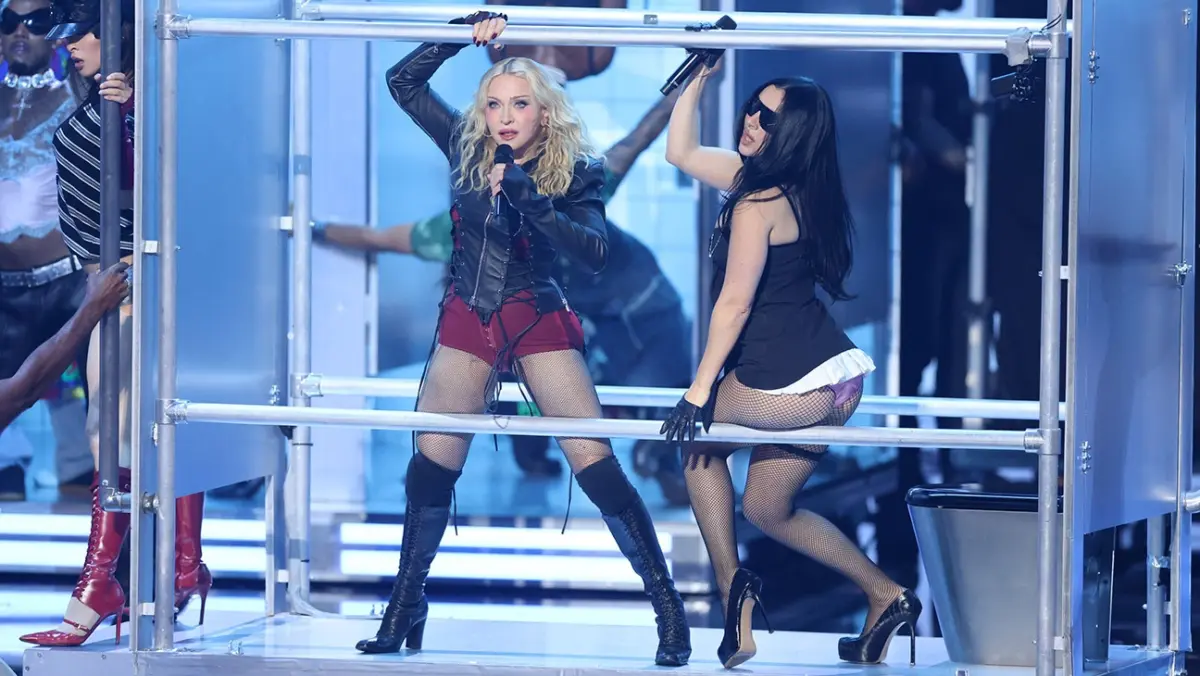
The night itself was packed with legendary moments, high-profile tributes, and landmark victories that kept audiences glued to their screens from the opening minutes until the final award was handed out. Pop icon Madonna proved she remains an unrivaled force in the music industry, anchoring the evening by opening the show with a high-octane performance featuring modern hitmakers Charli XCX and Sabrina Carpenter. Madonna capitalized on the momentum of her opening medley by dominating the winner’s circle, walking away with a staggering seven awards by the end of the night.
Meanwhile, pop superstar Taylor Swift continued her historic award-show run, taking home the coveted prize for video of the year for "The Fate of Ophelia." In addition to her traditional category win, Swift was presented with the inaugural Artist Director award, a newly minted honor specifically designed to celebrate musical artists who successfully take the reins to direct their own visual storytelling and music videos.
The star-studded evening was hosted by entertainment icon Snoop Dogg, whose charismatic presence guided viewers through a tightly paced ceremony that balanced contemporary hits with poignant industry retrospectives. Among the highlights of the evening were moving tributes dedicated to music legends Dolly Parton and the late George Michael, honoring their profound and lasting impacts on global popular culture. Additionally, alternative rock pioneers Nirvana were formally recognized with the prestigious Video Vanguard honor, cementing their enduring influence on generations of musicians and music video directors.
Industry analysts noted that the VMAs also benefited significantly from a powerful sports lead-in that captured a massive live audience right before the broadcast commenced. The awards telecast peaked at an astounding 15 million viewers during Madonna’s opening number, which directly followed a dramatic conclusion to an NFL matchup featuring a game-winning field goal for the Baltimore Ravens over the Dallas Cowboys. Because the Cowboys consistently rank among the absolute biggest television draws in professional football, the dramatic finish funneled an enormous wave of sports fans directly into the start of the music awards show. While the 2025 VMAs also enjoyed a robust NFL lead-in that brought in 23.9 million viewers to the preceding game, the specific Ravens-Cowboys audience window positioned the 2026 broadcast for maximum initial impact.
An analysis of the viewing distribution highlights the power of combining a major broadcast network with a targeted cable simulcast. CBS shouldered the vast majority of the heavy lifting, accounting for 7.61 million viewers, which translated to roughly 90 percent of the total combined audience. Meanwhile, MTV’s simultaneous cable broadcast drew 686,000 viewers, while a subsequent late-night replay chipped in an additional 142,000 viewers to round out the comprehensive multi-platform tally.
The impressive engagement extended far beyond traditional television screens, reflecting the modern consumption habits of music fans worldwide. On social media platforms, content related to the awards generated a massive 159 million video views across various digital ecosystems, marking an 8 percent increase compared to the previous year’s digital metrics and proving that the VMAs continue to command a vibrant, highly active online community.