
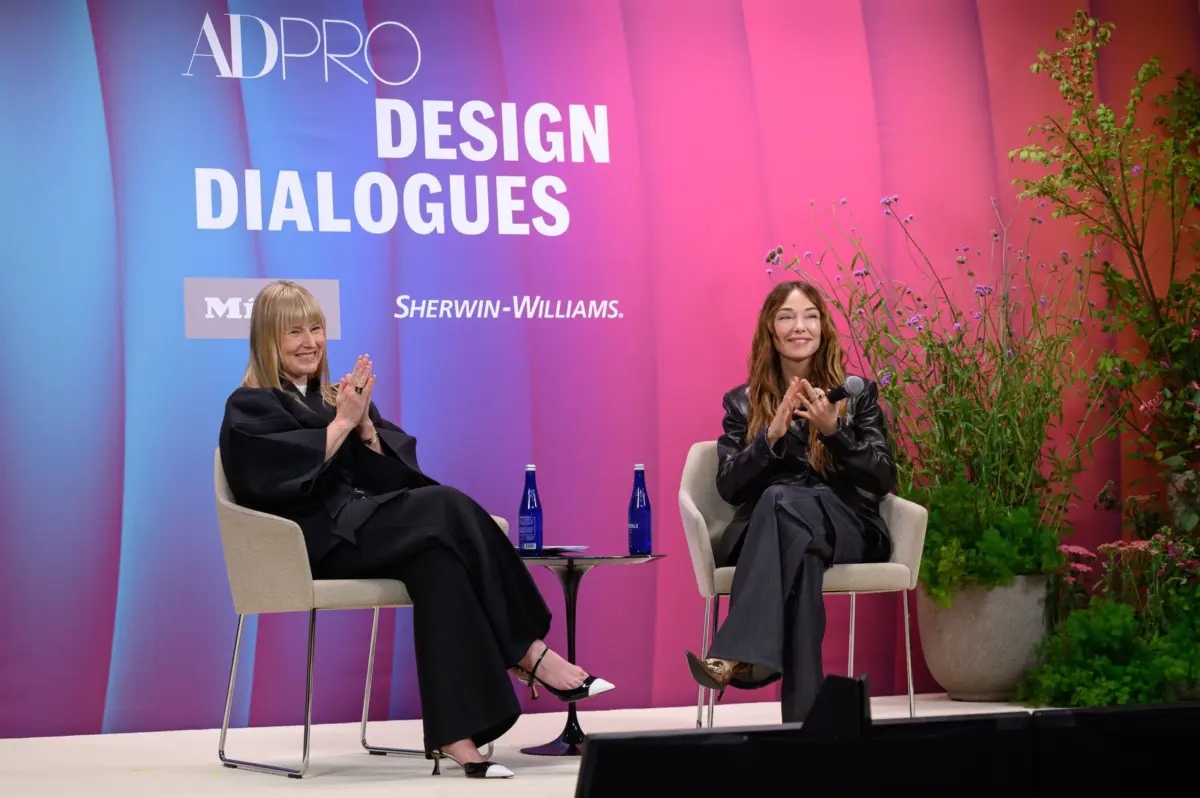
As technology, culture, and the way we live continue to evolve at an unprecedented pace, creative professionals across the globe are left to ponder a fundamental question: what will define the next generation of design? This inquiry took center stage during a compelling keynote session at the AD PRO Design Dialogues, where Architectural Digest Global Editorial Director Amy Astley sat down with legendary AD100 Hall of Fame designer and creative powerhouse Kelly Wearstler. The conversation offered a rare, behind-the-scenes look at the mind of a visionary who has consistently anticipated cultural shifts and adapted her practice to meet the demands of a rapidly changing world.
Wearstler, renowned for her bold interiors, distinctive aesthetic, and multifaceted career, has spent decades pushing the boundaries of traditional interior design. In recent years, however, her professional footprint has expanded far beyond residential and commercial decorating. During the discussion with Astley, Wearstler detailed how she continues to diversify her practice to meet the moment, branching out into an impressive array of ventures that showcase her entrepreneurial spirit. From high-profile product collaborations and lucrative book deals to launching her own collectible design gallery, appropriately named Side Hustle, Wearstler has redefined what it means to be a modern design entrepreneur. She has also embraced digital media as a direct line to her audience, chronicling her creative process, inspirations, and daily endeavors in her popular newsletter, Wearstlerworld.
In their wide-ranging keynote conversation, Astley and Wearstler delved deeply into what it means to operate as a successful entrepreneur in the contemporary design world. The dialogue highlighted the reality that today’s top creatives cannot rely solely on traditional project-based revenue streams. Instead, the modern design landscape demands agility, digital fluency, and a willingness to explore diverse commercial avenues. Wearstler’s journey serves as a prime example of this evolution, demonstrating how a singular design vision can be translated across multiple mediums, products, and platforms without losing its core identity or artistic integrity.
A central theme of the discussion was the necessity of constant evolution in an industry shaped by shifting cultural values and emerging technologies. As consumer habits change and digital tools transform how people discover and interact with design, professionals must be willing to pivot and experiment. Wearstler emphasized that the future will ultimately belong to those who are not afraid of reinvention. By refusing to stay confined within rigid industry categories, designers can open up new possibilities for their businesses and continue to captivate audiences in fresh, unexpected ways. The conversation provided attendees and industry professionals alike with invaluable insights into navigating the modern marketplace, balancing creative vision with business acumen, and embracing the entrepreneurial mindset required to thrive in the years to come.