
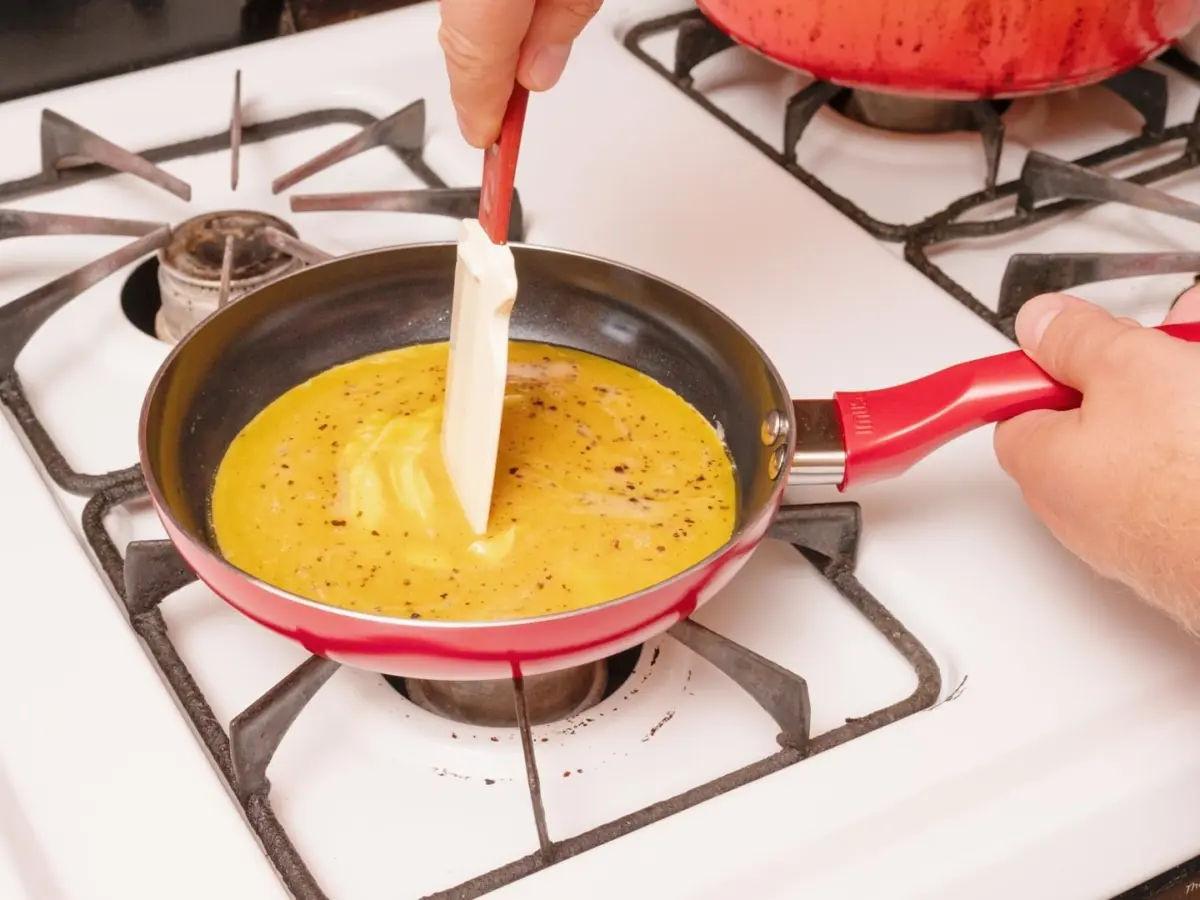
BROOKLYN — For home cooks seeking culinary mastery, sometimes the most profound lessons lie not in complex, multi-tiered recipes, but in perfecting the absolute fundamentals. Recognizing this timeless truth, acclaimed food writer, recipe developer, and cookbook author Casey Elsass has launched a new recurring editorial series titled "Back to Basics," designed to demystify everyday kitchen techniques so thoroughly that home cooks will never need to consult a manual again. For the debut installment of this culinary deep dive, Elsass has turned his analytical eye toward one of the most deceptively simple, yet frequently botched, dishes in the global culinary repertoire: the humble scrambled egg.
When executed properly, scrambled eggs offer a luxurious, melt-in-the-mouth experience characterized by large, tender, and glossy curds. However, when mishandled, they can quickly devolve into a dry, rubbery, or watery disappointment. According to Elsass, achieving breakfast perfection does not require expensive equipment or complicated culinary school training. Instead, it relies on a handful of deliberate, precise decisions made throughout the preparation and cooking process. In his latest feature, the Brooklyn-based author breaks down the eight foundational rules required to transform ordinary morning eggs into a masterclass of texture and flavor.
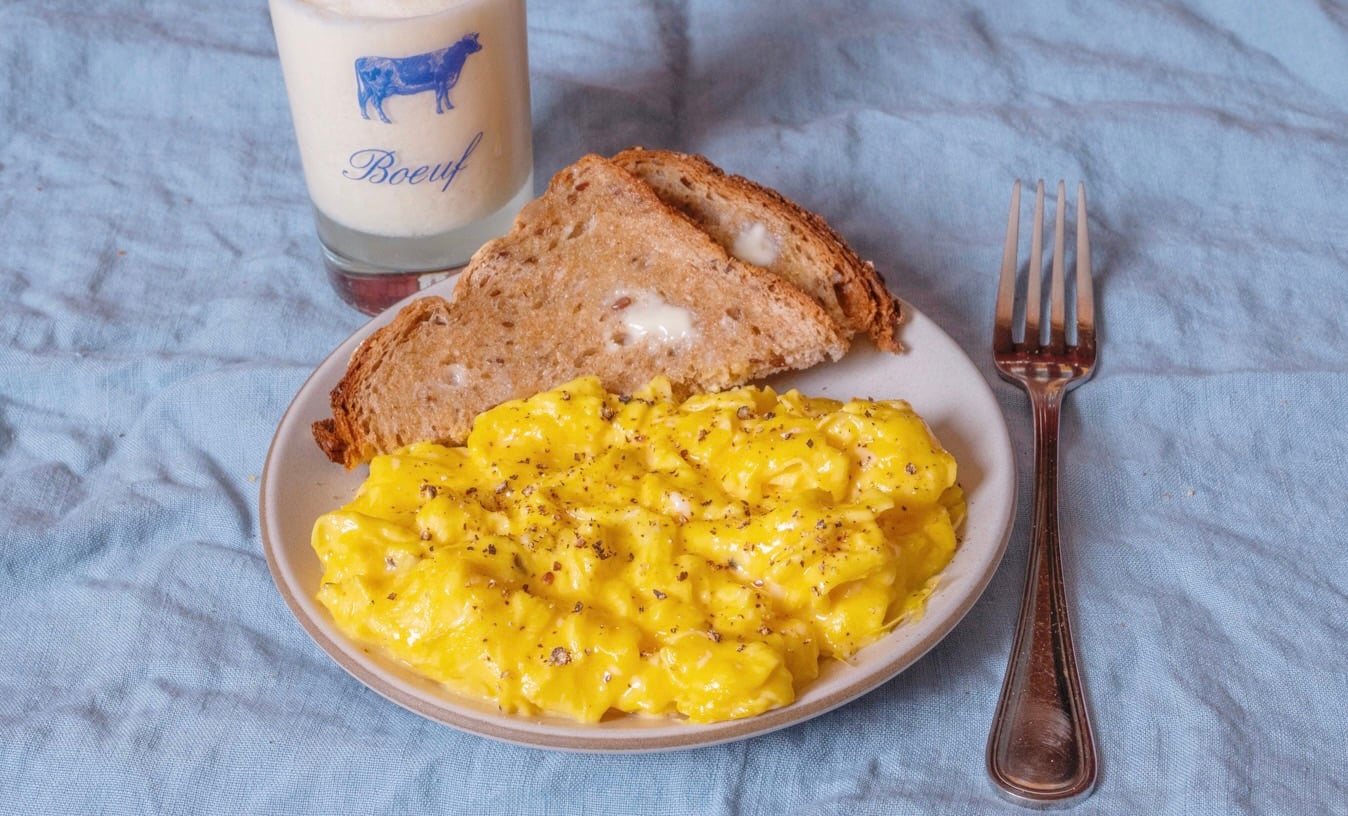
The path to scrambled egg excellence begins long before the skillet ever touches the heat, specifically with the timing of the seasoning. Elsass emphasizes that home cooks should always salt their eggs before they begin cooking, calculating precisely one-eighth of a teaspoon of kosher salt for every two large eggs. Crucially, this seasoning must be added before the whisking process begins. Introducing salt at this early stage allows the sodium to interact with the egg proteins, helping them retain crucial moisture throughout the cooking cycle and ultimately yielding exceptionally tender curds.
Next comes the mechanical agitation of the eggs, a step Elsass notes is frequently undermined by poor tool selection. Rather than relying on a casual fork, cooks should reach for an actual wire whisk to introduce vital air into the mixture and achieve proper homogenization. Once the yolks are initially broken down, the whisking should continue vigorously for twenty to thirty seconds of sustained effort until the eggs are completely combined into a uniform, frothy yellow liquid devoid of any lingering streaks of white.
While conventional wisdom has long suggested incorporating dairy products such as milk, heavy cream, or crème fraîche to achieve a softer texture, Elsass advises skipping the dairy entirely. Far from enriching the dish, the addition of liquid dairy can introduce excess water that prolongs the cooking time and dilutes the pure, rich taste of the egg. Flavor enhancements are certainly welcome, but they should be introduced thoughtfully through other ingredients. Cooks wishing to elevate their scramble can incorporate grated cheese, dried herbes de Provence, thinly sliced chives, a pinch of red pepper flakes, or generous cracks of black pepper at the whisking stage.
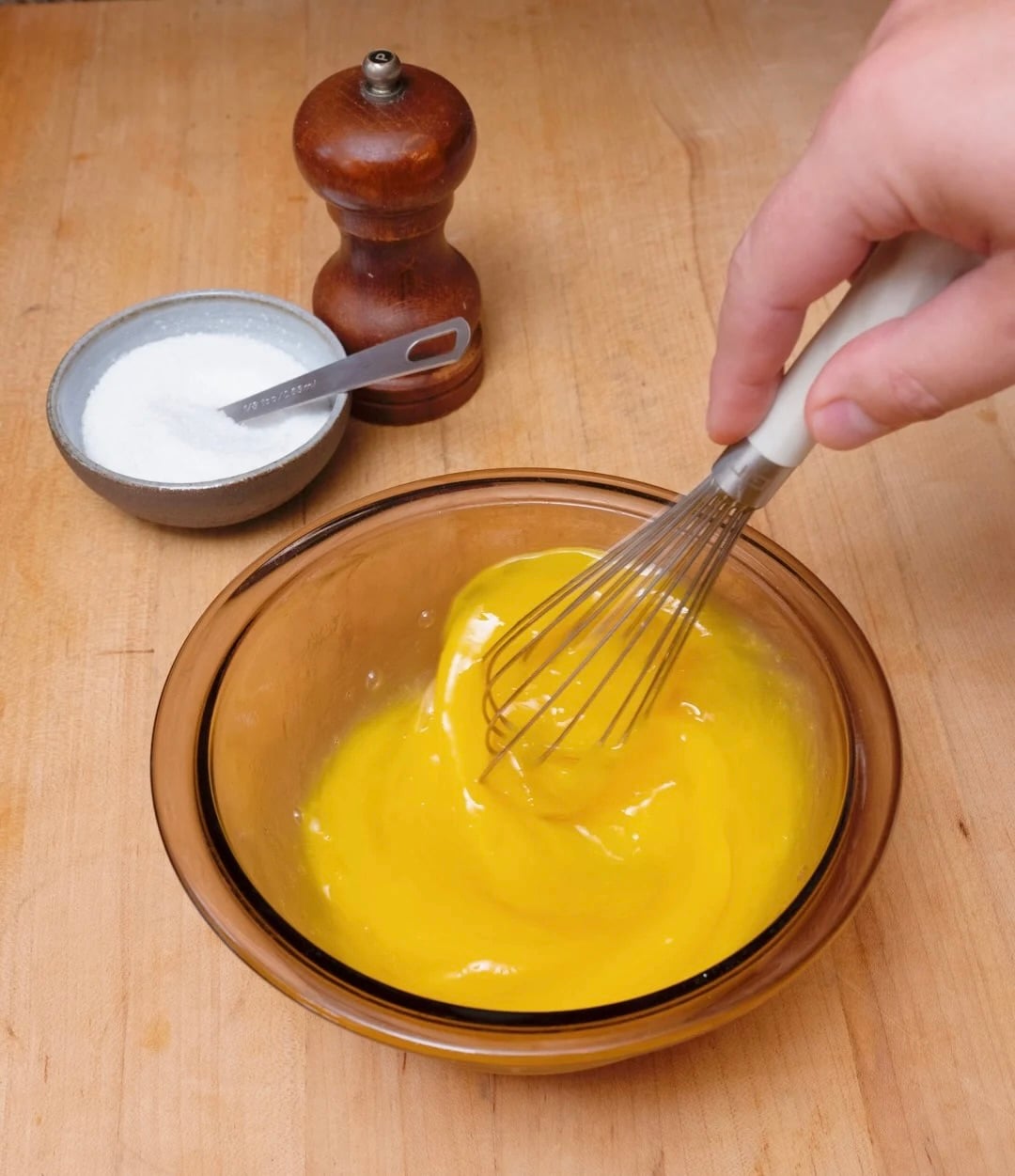
Equipment choice plays a critical role in the final outcome, particularly the dimensions of the skillet. For a standard portion of two to four eggs, an eight-inch nonstick skillet provides the ideal spatial constraints, with pan size scaling upward proportionally as the volume of eggs increases. Using an overly spacious skillet causes the egg mixture to spread into an excessively thin layer, whereas a appropriately sized pan maintains enough depth to encourage the formation of substantial, beautiful curds.
When it comes to thermal management, restraint is paramount. Cranking the stovetop burner to high heat is a recipe for disaster. Instead, Elsass recommends setting the skillet over a moderate medium-low flame and melting a small pat of unsalted butter, tilting the pan to ensure the entire bottom is coated. As soon as the butter reaches a foamy consistency without showing any signs of browning, the pan is ready to receive the whisked eggs.
Once the eggs hit the warm butter, the technique shifts from active stirring to patient redirection. Cooks should pour the eggs into the skillet and temporarily leave them undisturbed until a thin, delicate layer begins to set around the perimeter. At this juncture, a silicone spatula should be used to gently push the cooked edges inward toward the center of the pan, allowing the remaining raw liquid egg to flow naturally into the newly emptied space. This process of setting and pushing is repeated as the structure builds.
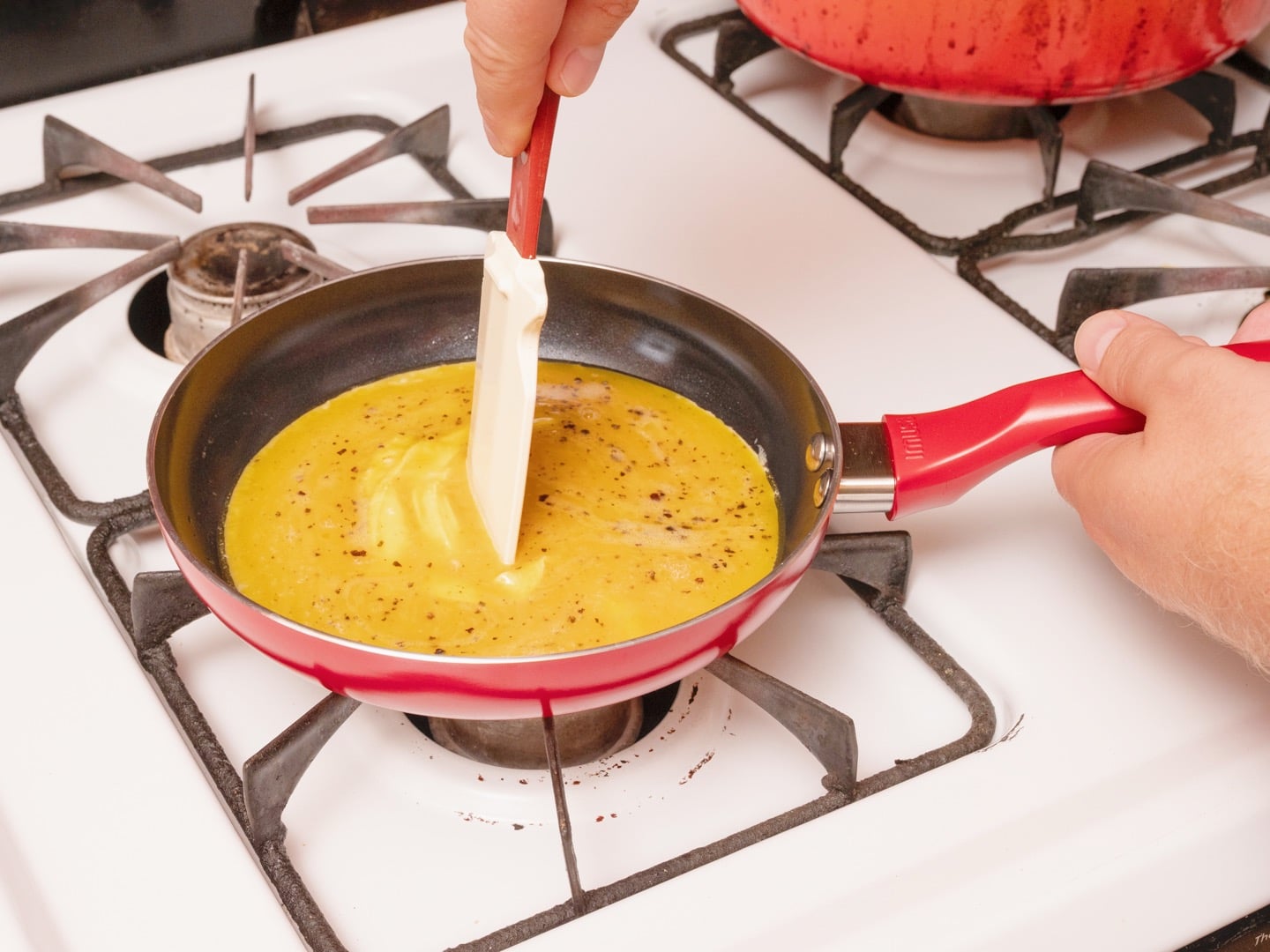
Timing the removal from the heat source represents perhaps the most critical juncture in the entire operation. Elsass warns that the final twenty to thirty seconds of cooking are precisely when well-executed scrambled eggs cross the threshold into overcooked territory. Consequently, cooks must cut the heat just as the eggs are nearing completion and fold them gently.
The ultimate secret to success, according to the veteran cookbook author, requires a leap of faith: plating the eggs before they appear fully finished. Because the eggs retain significant residual heat even after being removed from the burner, they continue to cook on the plate. By transferring them while they still possess soft curds that look slightly wetter and glossier than the desired final state, the residual thermal energy brings them to absolute perfection by the time they reach the table.
Elsass notes that while his personal preference since childhood remains piling these velvety eggs onto thick, buttered toast, the resulting dish adapts effortlessly to any breakfast tradition, pairing seamlessly with diner-style bacon, crispy hash browns, or any preferred morning accompaniment. As "Back to Basics" continues its run, this inaugural deep dive into scrambled eggs establishes a high standard for practical, empowering kitchen wisdom rooted in everyday execution.