
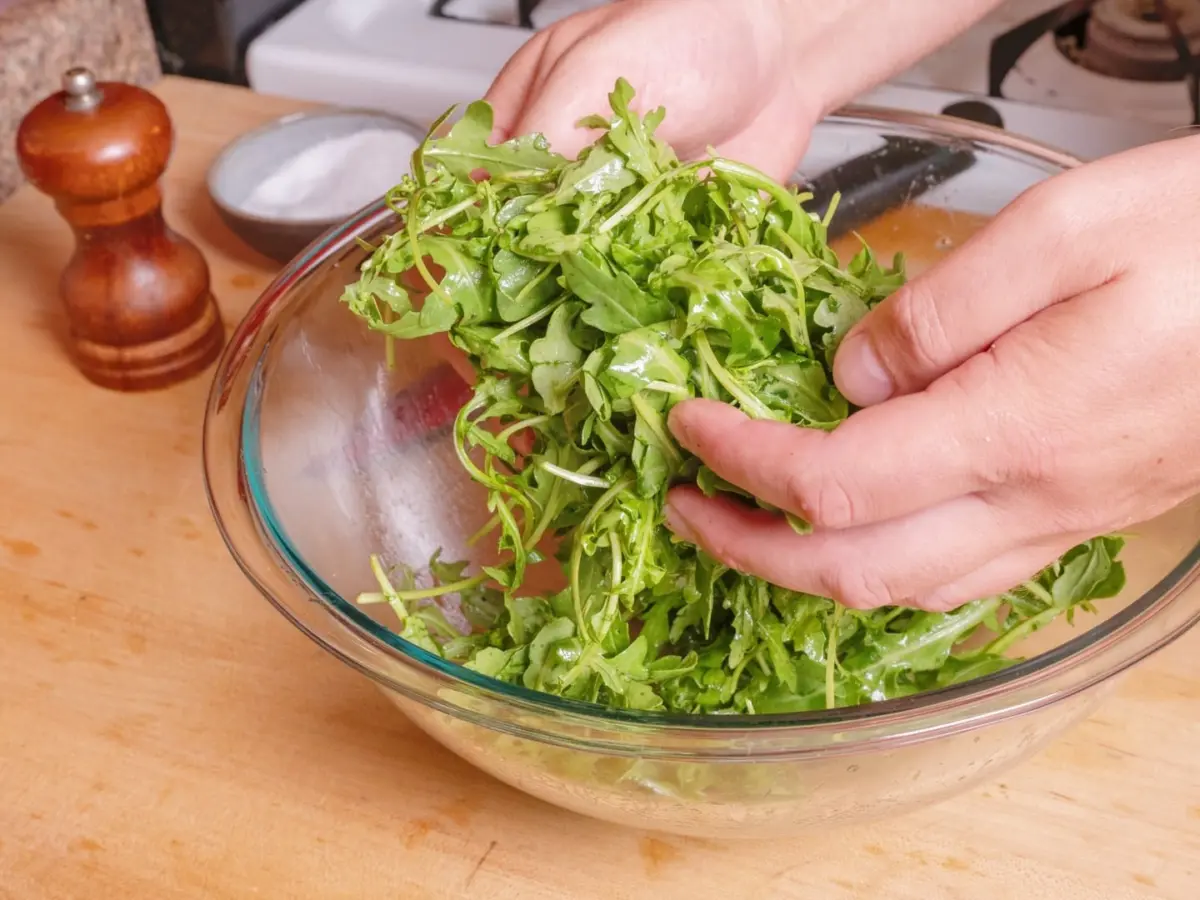
In the fast-paced world of modern cooking, culinary shortcuts and pre-made conveniences often threaten to replace traditional kitchen instincts. However, veteran food writer, recipe developer, and cookbook author Casey Elsass is challenging home cooks to rethink one of the most fundamental elements of everyday dining: the salad dressing. Through his latest installment of the popular culinary series "Back to Basics," Elsass is advocating for a complete departure from rigid measuring cups and cookbook pages, arguing that understanding the core principles of a simple vinaigrette is all one truly needs to achieve culinary independence in the kitchen.
For years, Elsass admits, he has abandoned the practice of measuring the components of a salad dressing. Once a cook grasps the underlying formula of a classic vinaigrette—and more importantly, learns how to dynamically troubleshoot when the flavor profile feels slightly off—the need for a recipe entirely evaporates. At its foundation, a proper vinaigrette is simply an uncomplicated combination of oil, acid, and salt, with every subsequent addition serving as an invitation for creative flavor exploration.
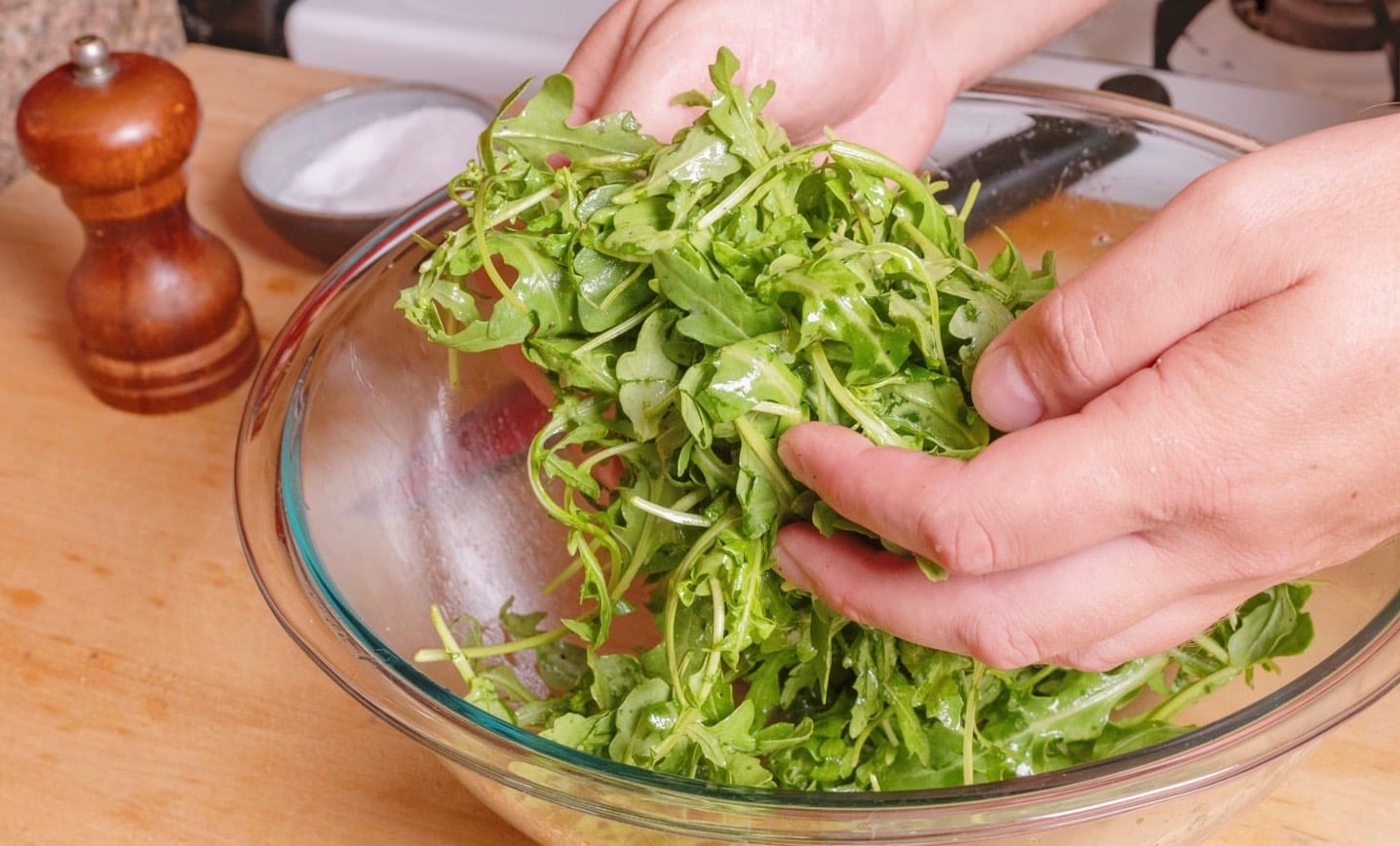
The journey to crafting an intuitive dressing begins with the acid, a foundational element that dictates the overarching character of the dish. Elsass points out that options such as red wine vinegar, white wine vinegar, champagne vinegar, sherry vinegar, apple cider vinegar, rice vinegar, and fresh lemon juice all serve as exceptional bases, each imparting a distinct personality to the final blend. While straightforward choices like red wine vinegar or freshly squeezed lemon juice provide an ideal starting point for novices, culinary confidence opens the door to experimentation, including the blending of multiple acids to achieve a more nuanced balance of flavors.
Once the acid is established, the next phase involves layering in complementary flavor profiles to elevate the mixture. Elsass highlights several favorite additions from his own repertoire, ranging from honey and Dijon mustard to grated garlic, minced shallots, chopped fresh herbs, a spoonful of fig jam, the final remnants of a jar of pesto, a splash of pepperoncini brine, a teaspoon of miso, or even a single anchovy. While these ingredients are naturally meant to be chosen selectively rather than all at once, they demonstrate the limitless potential for personalization. For cooks utilizing robust flavor enhancers like raw garlic or shallots, Elsass recommends allowing the ingredient to rest within the acid for approximately five minutes to temper its sharp bite before proceeding.
Timing also plays a critical role in the emulsification and seasoning process. According to Elsass, the salt should always be introduced before the oil is incorporated. This minor yet impactful detail ensures that the salt dissolves thoroughly within the acidic medium, creating a well-seasoned base. He advises seasoning with a generous hand, keeping in mind that the concentrated dressing must ultimately flavor an entire bowl of leafy greens. A vigorous whisking or shaking follows to fully integrate the salt and acid.
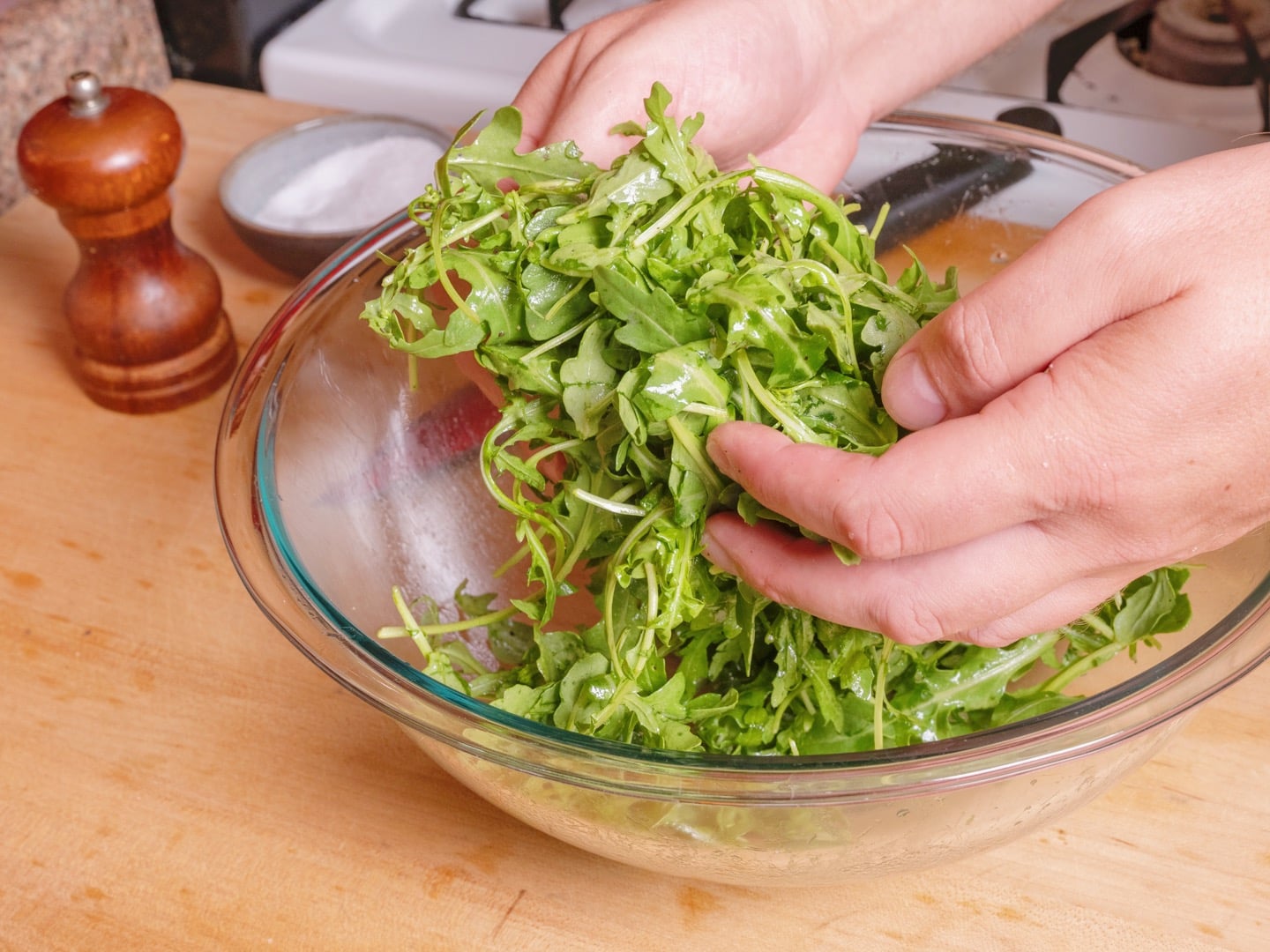
When it comes to the proportions of the mixture, Elsass encourages home cooks to find their preferred ratio rather than adhering strictly to dogma. While the classic culinary standard dictates a ratio of three parts oil to one part acid, personal preference often dictates otherwise. Elsass notes that his own palate leans toward punchier flavors, bringing his personal ratio closer to two parts oil to one part acid. To minimize cleanup, he suggests bypassing measuring tools altogether in favor of an eyeballed pour that ranges between two and three times the volume of the acid, followed by another thorough whisking or shaking.
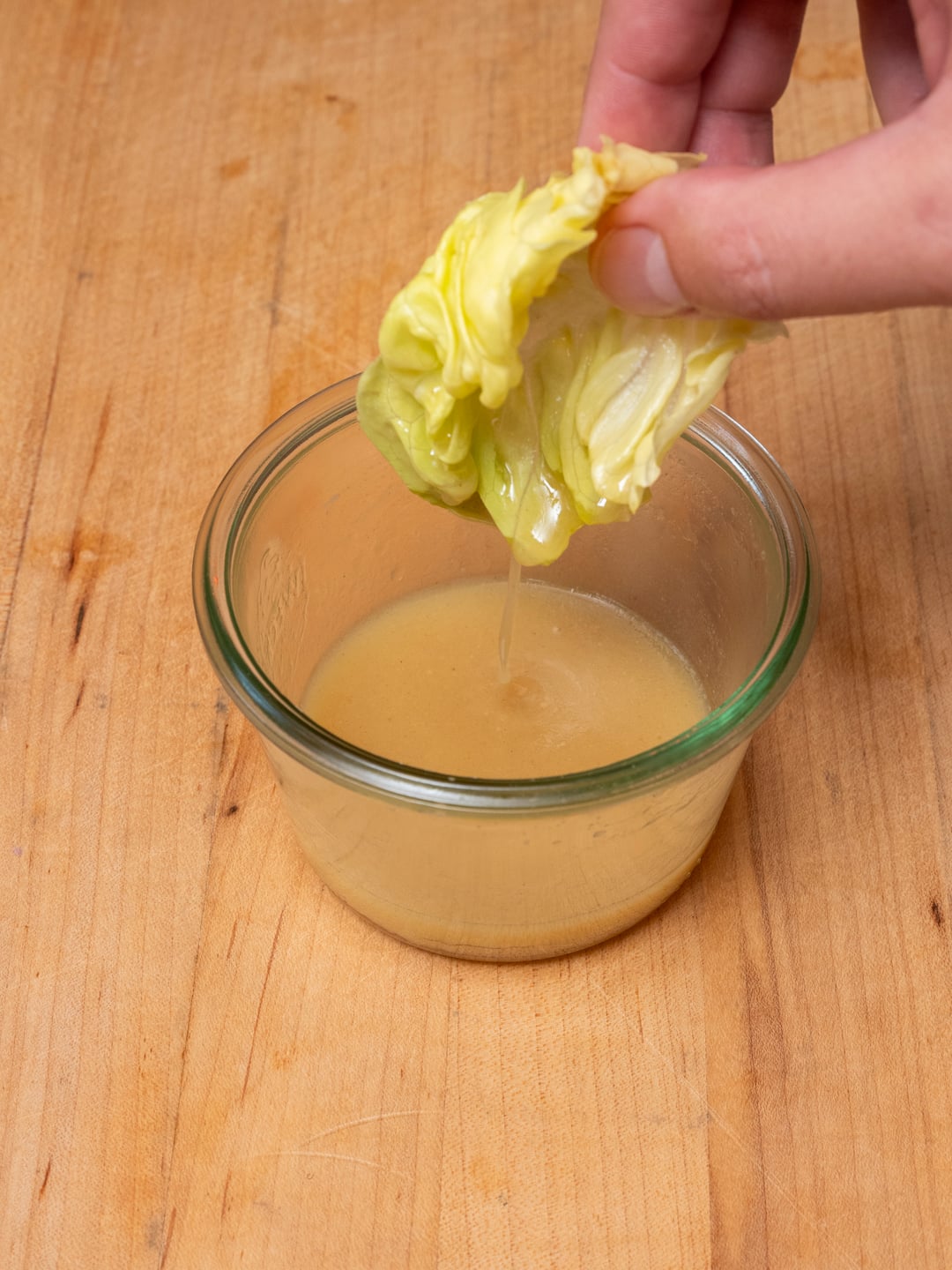
Perhaps the most crucial lesson in achieving vinaigrette mastery is the method of tasting. Elsass stresses that the only reliable way to evaluate a dressing is to pull a leaf directly from the salad and dip it into the bowl. If the mixture tastes overly sharp, the remedy is as simple as adding more oil. If it tastes bland, an extra splash of acid will brighten it up. Bitterness can be smoothed out with a touch of honey, flatness can be corrected with a pinch of salt, and an overly salty batch can be balanced by introducing more oil. By making continuous, minute adjustments based on real-time tasting, the dressing achieves a harmonious balance.
By moving past the confines of strict measurements, Elsass suggests that home cooks can fundamentally alter their relationship with everyday ingredients. Viewing the kitchen through this lens transforms seemingly insignificant remnants—such as half a lemon left in the refrigerator, three stray sprigs of dill, or the scrapings at the bottom of a mustard jar—into the exciting genesis of a creative meal.
Casey Elsass is a Brooklyn-based food writer, recipe developer, and cookbook author. He is the author of the bestselling cookbook "What Can I Bring?: Recipes to Help You Live Your Guest Life" and has contributed as a co-author to more than 30 cookbooks. His culinary writing has been featured across numerous prominent publications, including The New York Times, New York Magazine, Bon Appétit, NPR, and Food52.