
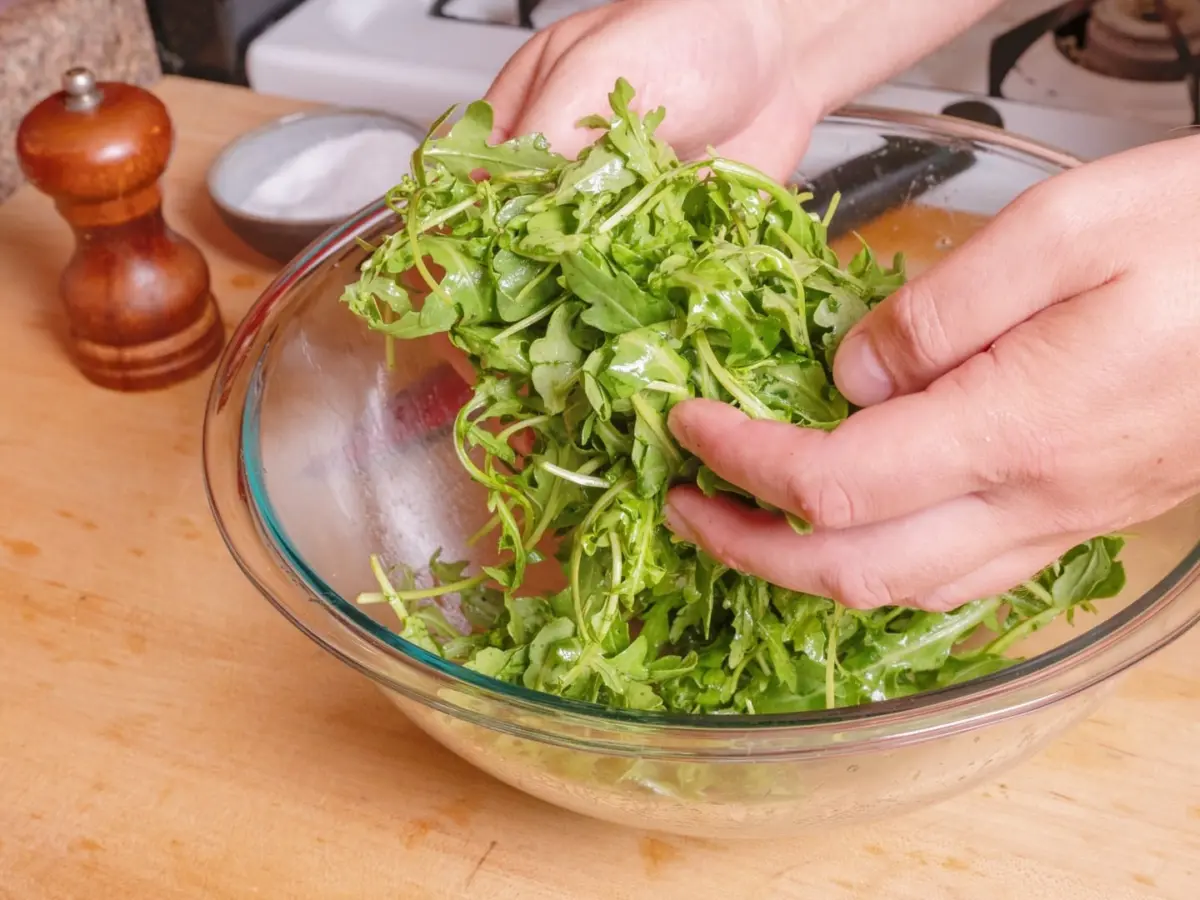
The core philosophy behind the back-to-basics initiative is to teach foundational techniques so thoroughly that recipes become obsolete. According to Elsass, who has co-authored more than 30 cookbooks and penned the bestselling volume "What Can I Bring?: Recipes to Help You Live Your Guest Life," the average home cook can completely liberate themselves from measuring cups and spoons when it comes to tossing a green salad. The methodology transforms cooking from a strict adherence to instructions into a flexible, creative exercise where individual taste dictates the final outcome.
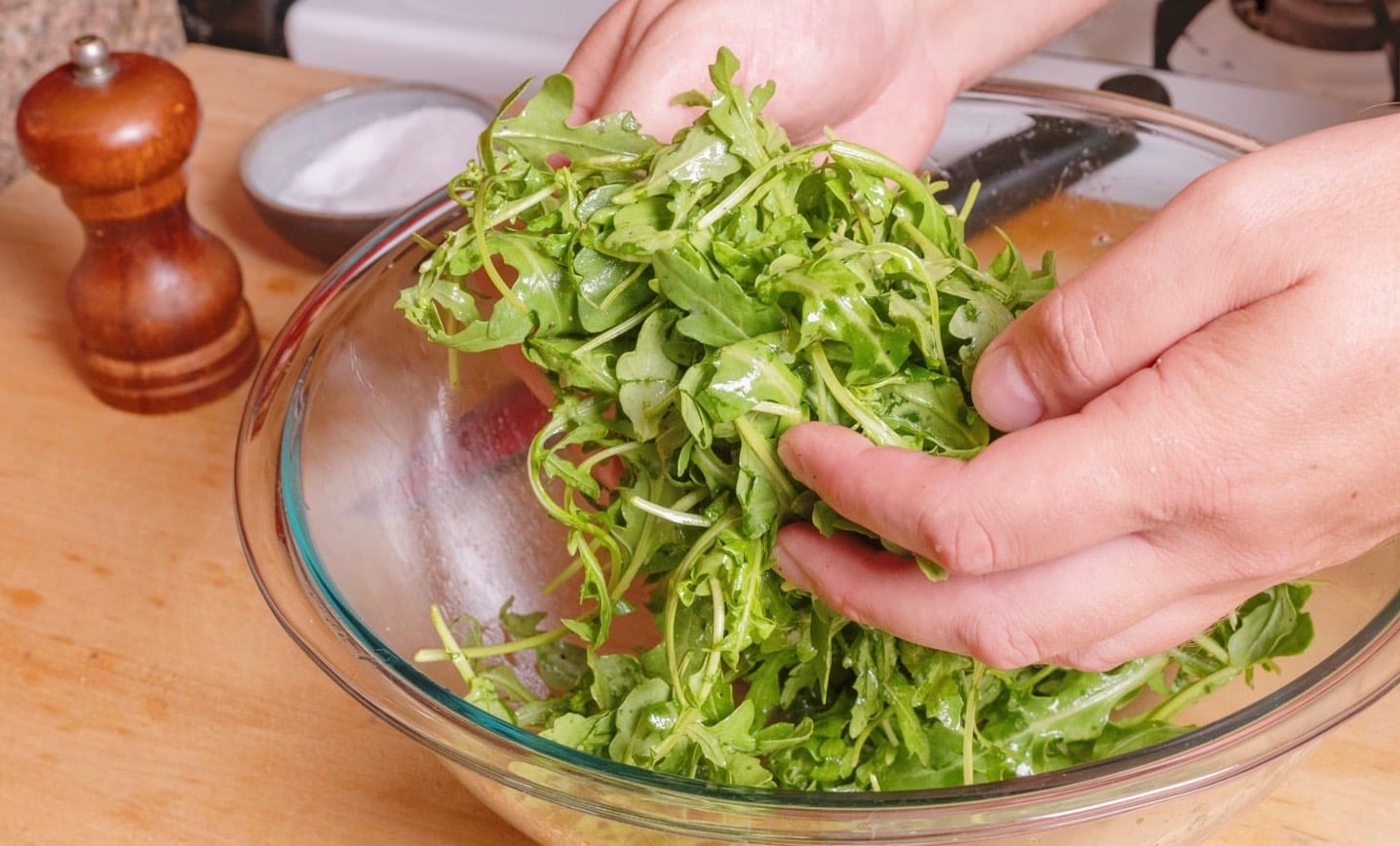
At the heart of any successful vinaigrette is the interplay between fat and sourness, anchored by proper seasoning. The process begins with the selection of the acid. Culinary options abound, ranging from standard pantry staples like red wine vinegar, white wine vinegar, apple cider vinegar, and rice vinegar to more nuanced varieties such as champagne vinegar, sherry vinegar, or freshly squeezed lemon juice. Elsass notes that starting with a straightforward foundation like red wine vinegar or lemon juice provides a reliable baseline for beginners. As confidence grows, cooks can begin experimenting and even blending multiple acids to create a more layered, complex flavor profile.
Once the acid is established, the next phase involves layering in complementary flavors. Elsass suggests a wide array of pantry items that can elevate a simple dressing, including honey, Dijon mustard, grated garlic, minced shallots, chopped fresh herbs, a spoonful of fig jam, the dregs of a pesto jar, a splash of pepperoncini brine, a teaspoon of miso, or even a single anchovy. When utilizing potent ingredients like raw garlic or shallots, Elsass recommends letting them marinate in the acid for approximately five minutes to temper their sharp bite before the oil is introduced.
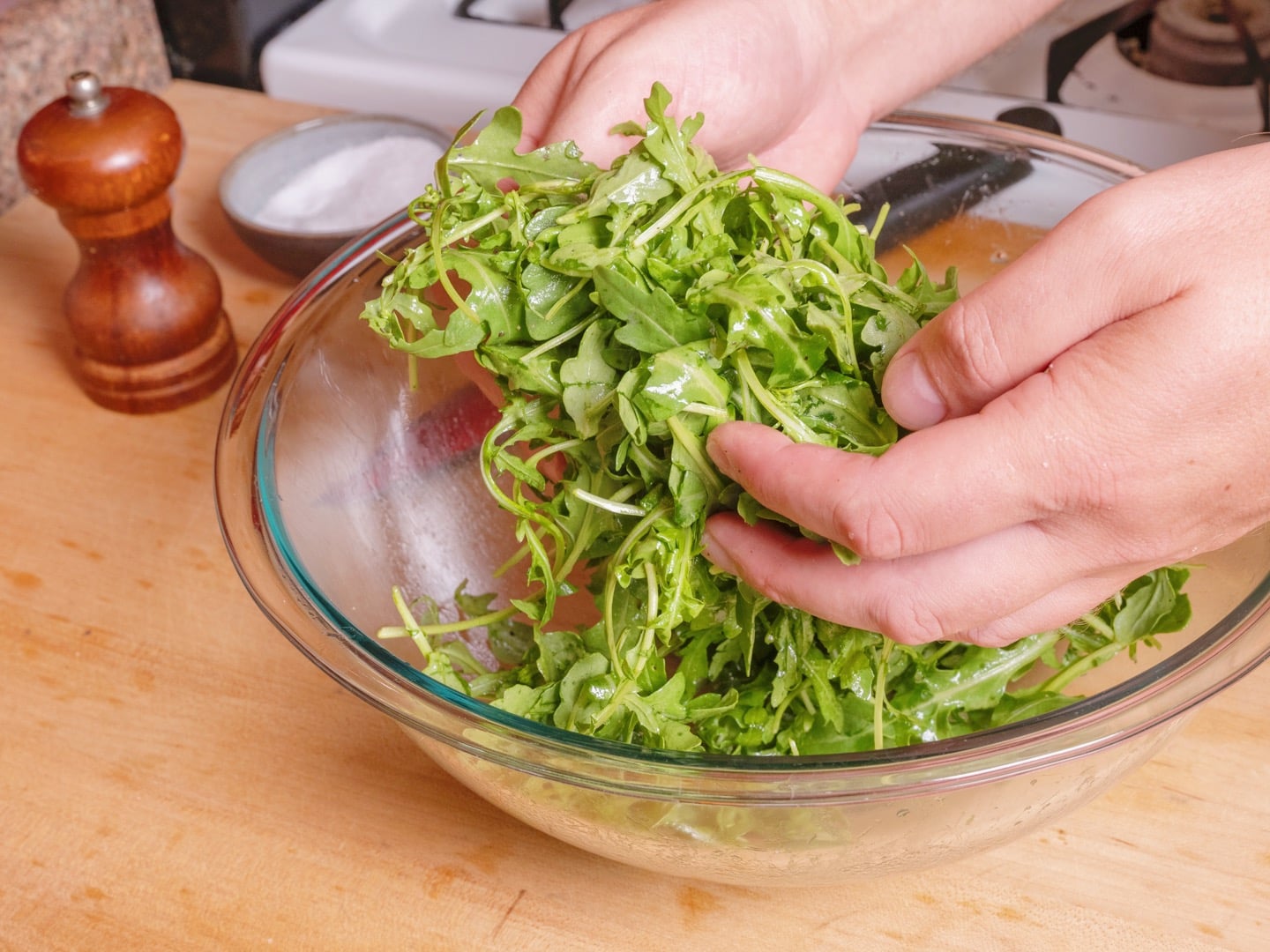
A critical technical detail emphasized in the approach is the timing of the salt. Elsass points out that salt dissolves significantly better in acidic liquids than it does in fats, making it imperative to season the vinegar before incorporating the oil. Furthermore, because the dressing ultimately has to flavor an entire bowl of greens, cooks should be relatively generous with their initial pinch of salt, whisking or shaking the mixture thoroughly to ensure complete dissolution.
When it comes to the ratio of oil to acid, culinary tradition typically dictates a standard three-to-one proportion. However, personal preference plays a substantial role. Elsass leans toward a punchier profile closer to a two-to-one ratio, advising home cooks to skip the measuring spoons entirely and simply eyeball a pour of oil that is roughly two to three times the volume of the acid used. Another vigorous whisk or shake brings the emulsion together.
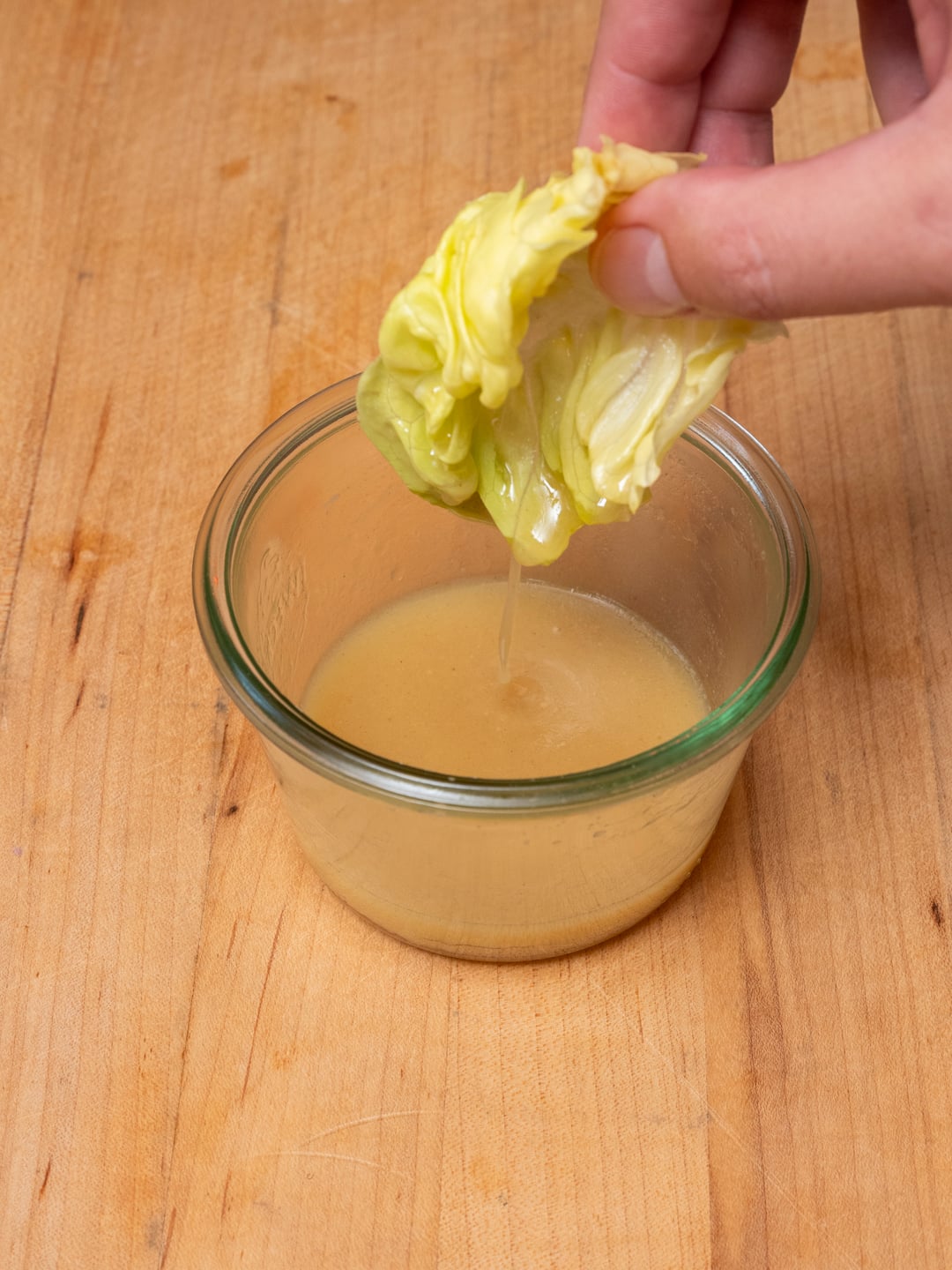
The ultimate test of a vinaigrette, however, happens in situ. Elsass stresses that the only accurate way to evaluate a dressing is to take an actual leaf from the prepared salad and dip it directly into the mixture. This method allows the cook to instantly diagnose any imbalances. If the dressing feels too sharp, adding a bit more oil will soften it. If it tastes bland or flat, more acid or a pinch of salt will bring it back to life. If bitterness creeps in, a minor squeeze of honey rounds out the edges. Through these small, iterative adjustments, the dressing is perfected right on the leaf.
Ultimately, this intuitive approach reframes cooking not as a rigid set of rules, but as a continuous creative process. By mastering the fundamental balance of oil, acid, and salt, everyday ingredients like half a lemon, a few leftover sprigs of dill, or the scrape at the bottom of a mustard jar cease to be kitchen scraps and instead become the starting point for something extraordinary. Through his extensive writing for publications such as The New York Times, New York Magazine, Bon Appétit, NPR, and Food52, Elsass continues to champion this accessible, liberating style of home cooking.