
Language has an extraordinary way of bringing levity to even the most taxing days. Following a uniquely stressful afternoon, writer and digital publisher Joanna Goddard recently turned her attention to the lighter, more playful side of vocabulary, inviting readers into a linguistic exploration of collective nouns. While traditional terms for animal groupings are deeply ingrained in English folklore and natural history, Goddard’s musings offer a fresh perspective on how these descriptive labels can be adapted to capture the chaotic, beautiful, and humorous moments of modern human life.
For word-lovers, the English language offers a rich tapestry of poetic and whimsical terms used to describe groups of creatures. Far beyond standard designations like herds or flocks, these historical collective nouns paint vivid mental pictures. A gathering of butterflies becomes a "kaleidoscope," evoking the shimmering movement of wings catching the light. Crows assemble into a "murder," a term steeped in centuries of folklore and mystery, while elephants retain a "memory," honoring the profound intelligence and generational bonds of these majestic mammals.
The lexicon continues through the animal kingdom with striking visual and auditory accuracy. A group of flamingos forms a "flamboyance," perfectly matching their vibrant pink plumage and dramatic postures. Lions maintain their traditional "pride," mice gather in a "mischief," and owls convene in a "parliament," suggesting a wise and solemn council. Other charming examples include a "prickle" of porcupines, a "crash" of rhinos, a "bed" of sloths, and a "dazzle" of zebras. These terms have long fascinated linguists and nature enthusiasts alike, serving as a reminder of the imaginative capacity embedded within everyday vocabulary.
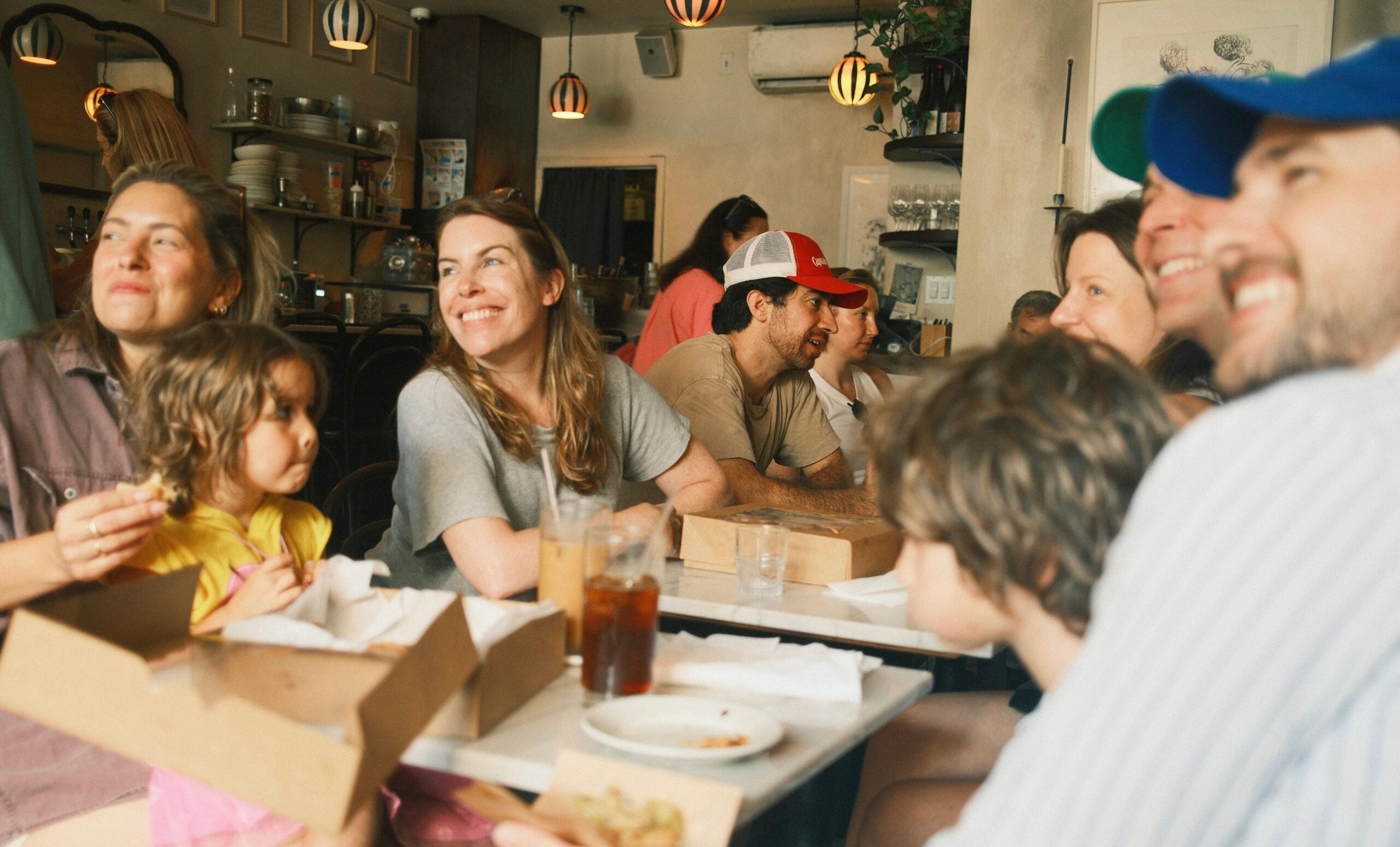
The fascination with inventive collective nouns is not confined to the natural world. Goddard noted that she previously incorporated a playful nod to these linguistic quirks into her personal dating profile, highlighting how humor and a love for language can bridge connections in unexpected ways. This lighthearted approach to naming groups naturally extends from wildlife to the whirlwind experiences of parenting, community, and daily routine.
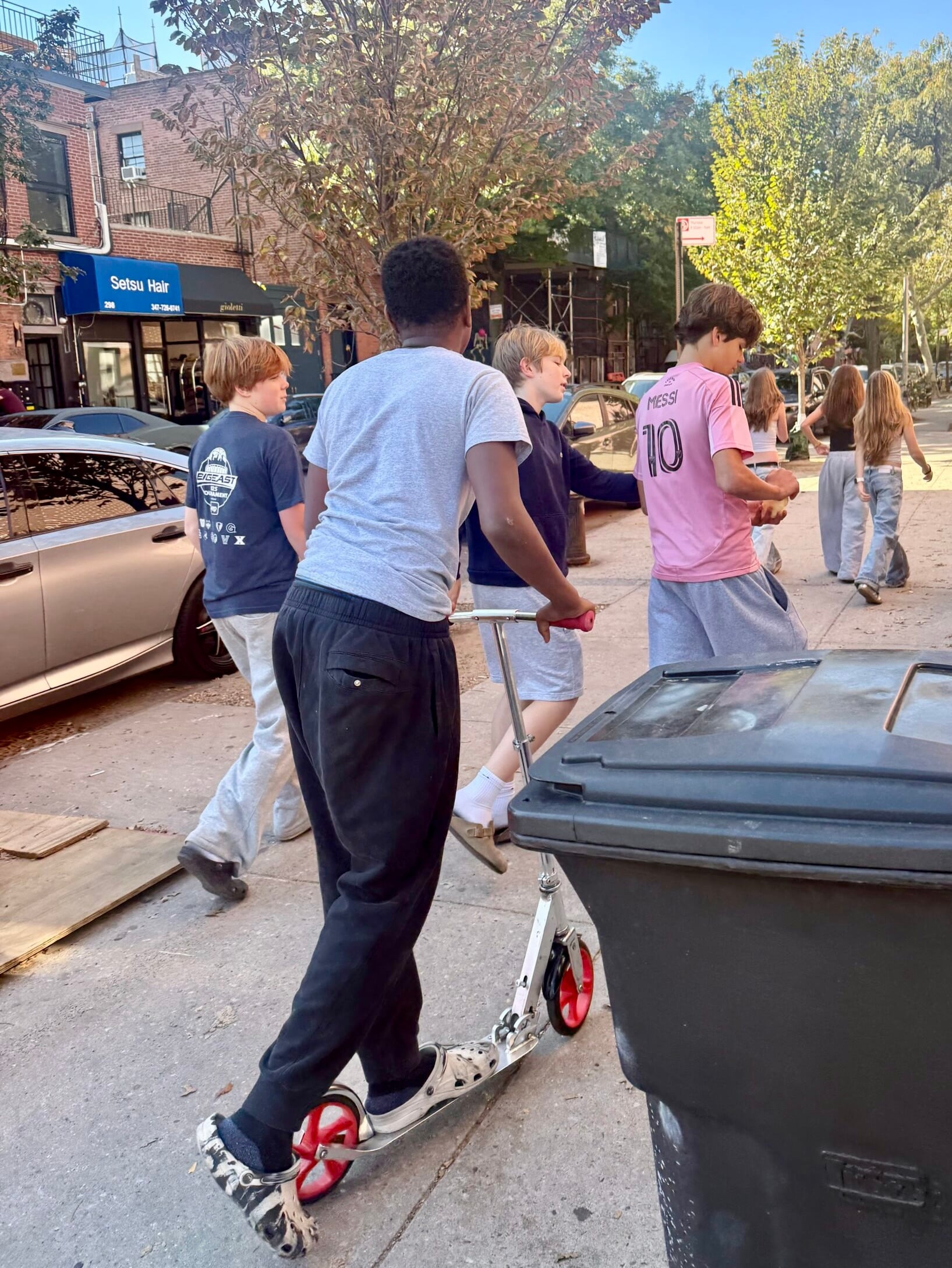
Observing the dynamic environments of urban neighborhoods provides ample opportunity to invent new collective nouns. On a recent afternoon in Brooklyn, the sudden arrival of a large group of teenagers moving down the street prompted a reflection on how modern language might capture such a fleeting, high-energy phenomenon. Rather than a standard description, they appeared as a "tornado" of teenagers—swirly, energetic, and leaving a trail of energetic chaos and scattered shoes in their wake. Alternatively, one might view them as a "blur" or a "mood," capturing the transient yet intense atmosphere that accompanies adolescent gatherings.

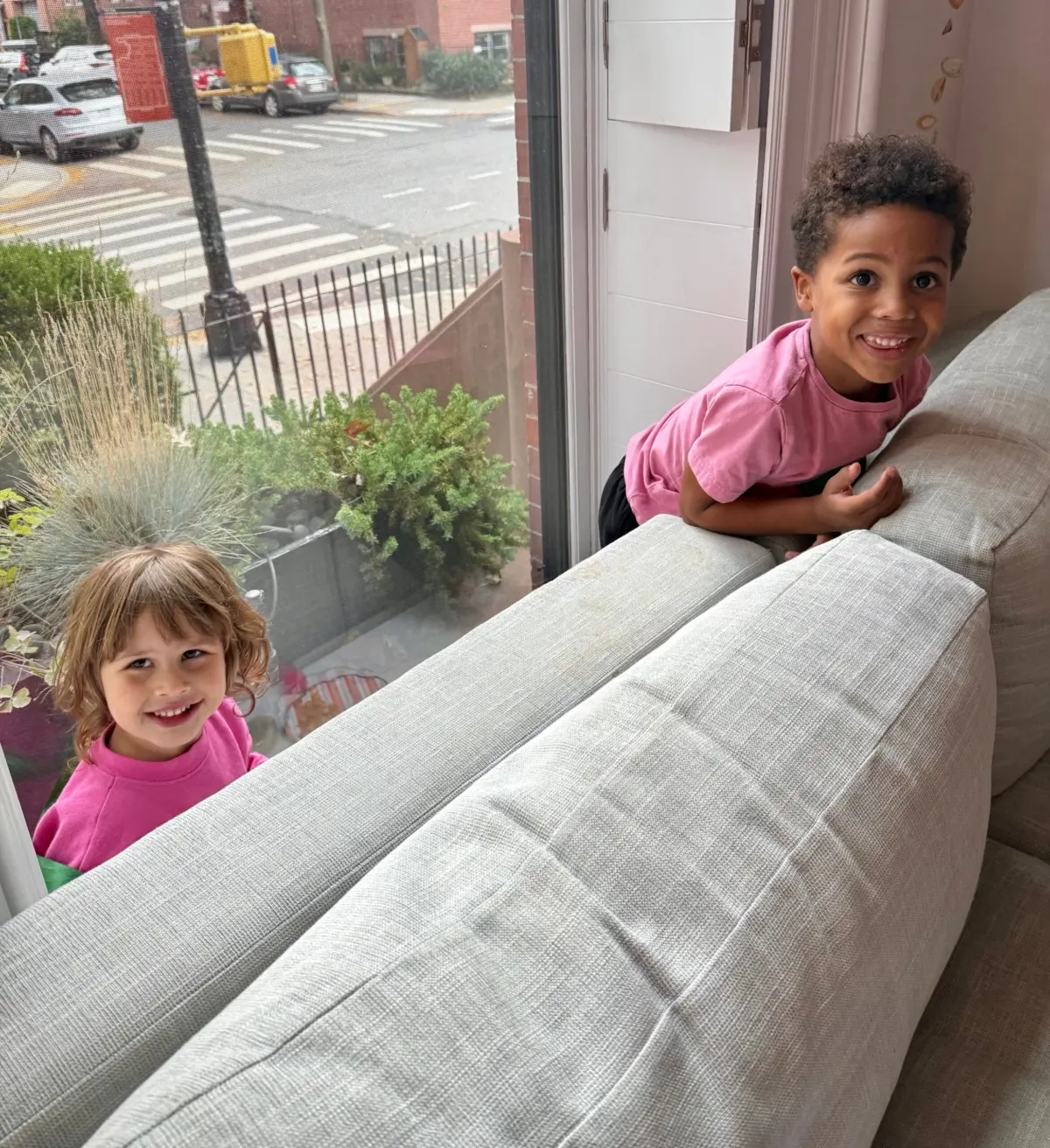
Similarly, spending time with younger children yields entirely different imagery. A gathering of toddlers functions much like a "rainbow," bright, unpredictable, and spanning the full spectrum of emotion and activity. In adult social circles, a collection of close companions might best be described as a "hug" of friends—a slightly sentimental phrasing, yet one that captures the emotional warmth and comfort of chosen community.
Family dynamics offer yet another arena for linguistic invention. Whether navigating international travel or gathering for major family milestones, groups of relatives develop their own distinct character. Goddard reflected that when traveling abroad in England, her extended family functions distinctly as a "chinwag" of Goddards, embodying a spirit of lively conversation and shared heritage.
As everyday life presents moments of stress, humor, and connection, the invitation remains open to observe the world through a linguistic lens. Whether categorizing the wildlife of the natural world or the spirited chaos of teenagers, toddlers, and friends, the words we choose help define and celebrate the textures of our shared experiences.