
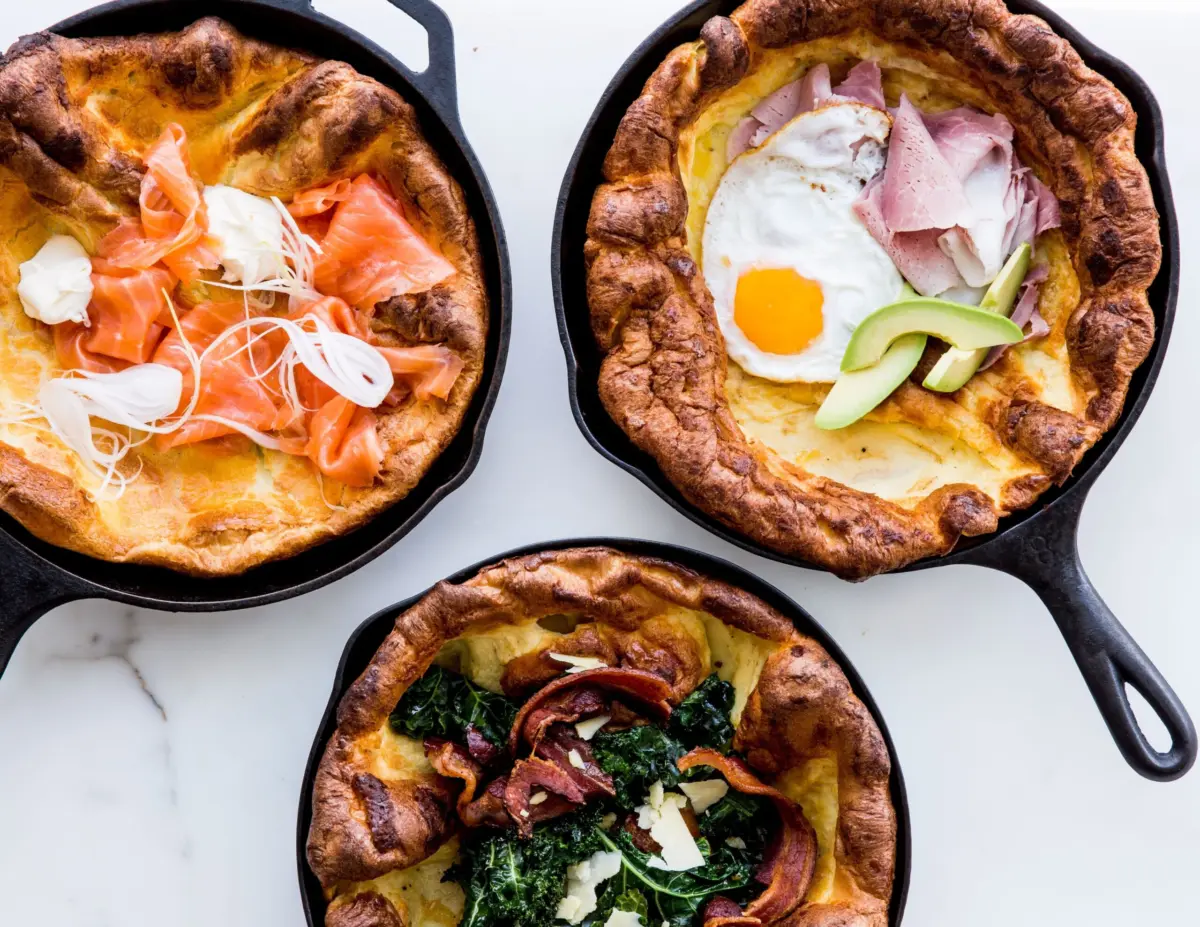
For home cooks looking to elevate their morning or evening dining routine, the savory Dutch baby offers a dramatic centerpiece that bridges the gap between comfort food and culinary artistry. Essentially a giant, oversized popover, this impressive creation emerges from a hot oven in a state of magnificent inflation, boasting deeply crisp edges and a tender, intensely eggy center that melts on the tongue. While it might look like a complex pastry that requires hours of preparation, the reality is far more approachable, relying on basic kitchen appliances and a few clever culinary techniques to achieve its signature texture.
The foundation of a successful savory Dutch baby begins with the batter, which benefits immensely from modern kitchen convenience. Utilizing a blender makes quick work of incorporating the ingredients, ensuring a completely smooth consistency while simultaneously whipping a generous amount of air into the mixture. To elevate the texture from a standard pancake to something truly extraordinary, a small touch of cornstarch is introduced to the recipe. This specific ingredient plays a crucial role in creating the delightful contrast between the shatteringly crisp exterior and the custardy, tender interior that defines an exceptional Dutch baby.
First-time makers should take note of a characteristic behavior inherent to this dish: do not be alarmed when the towering creation begins to deflate almost immediately after leaving the oven. That dramatic deflation is not a sign of failure; rather, it is exactly what the Dutch baby is naturally supposed to do as the steam within the trapped air pockets cools and escapes.
Once the puffed pancake settles into its final, rustic shape, the canvas is wide open for a variety of savory toppings that can transform the dish into a complete, substantial meal. Culinary enthusiasts looking for a hearty breakfast or brunch option can top their Dutch baby with freshly fried eggs, creamy slices of ripe avocado, and delicate ribbons of shaved ham. Alternatively, for a more sophisticated flavor profile, cooks can layer the warm pastry with rich smoked salmon, tangy crème fraîche, and brightly colored sliced scallions. Another robust combination involves pairing the eggy base with sautéed kale, smoky crispy bacon, and sharp aged cheddar cheese, offering a complex blend of earthy, savory, and rich flavor notes. Those with a preference for traditional morning sweets can easily adapt the base concept toward dessert-style variations, exploring options such as maple whipped cream and seasonal fruits.
Savory Dutch Baby FAQs
The deceptively simple nature of the Dutch baby often leads home cooks to wonder why their specific results might vary from batch to batch. Understanding the underlying mechanics of heat transfer and ingredient preparation can demystify the process and ensure consistent success in the kitchen.
A frequent question among home cooks centers on why a Dutch baby sometimes fails to achieve its signature dramatic rise. The answer almost always ties back to temperature management, specifically regarding the skillet. A properly preheated skillet is absolutely key to the entire process. Standard methodologies for this recipe require heating the cast-iron or heavy-bottomed pan inside an oven set to a blazing 450 degrees for at least 25 minutes prior to pouring in the batter. This extreme thermal retention ensures that the batter begins cooking and creating steam the absolute second it makes contact with the hot surface. Beyond the pan, other factors contribute significantly to a successful lift. Using ingredients that have been allowed to come to room temperature prevents the hot pan from experiencing a sudden temperature drop, while whipping plenty of air into the eggs provides the necessary leavening power without relying on chemical agents like baking powder. Cooks must always keep in mind that even with optimal rising, the physics of the dish dictate that it will naturally deflate once exposed to cooler ambient air outside the oven.
Another common inquiry involves the necessity of specialized equipment, specifically whether a blender is an absolute requirement for success. While a blender remains the most efficient tool for quickly incorporating air into the eggs and achieving the desired batter consistency, it is not the only path to a great Dutch baby. Numerous culinary enthusiasts and home cooks have successfully executed this recipe using a simple manual whisk. Achieving the same level of aeration by hand, however, requires a bit of physical exertion; cooks must beat the eggs vigorously until they become very frothy and pale before gradually incorporating the remaining ingredients to maintain the structural integrity needed for a proper oven spring.