
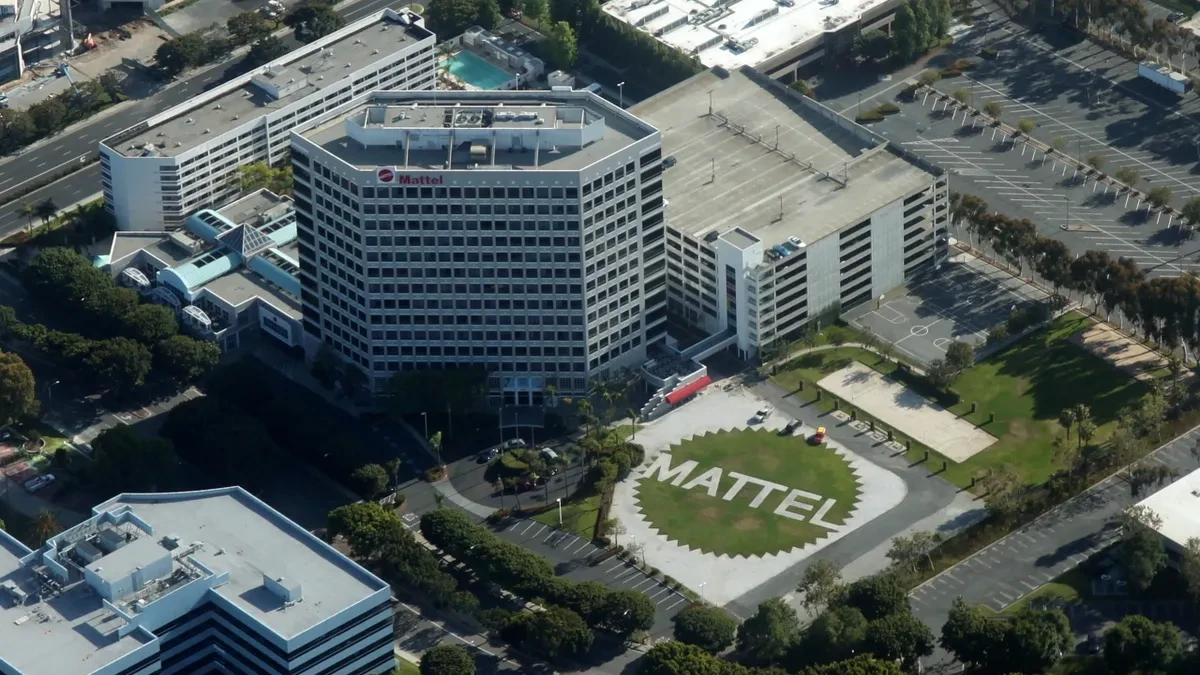
Toy and intellectual property giant Mattel has announced a major leadership transition, naming media executive and long-standing board member Roger Lynch as its new chief executive officer. Lynch, who most recently served as the chief executive of Condé Nast, is set to take the reins at the helm of the iconic toy manufacturer on or before November 2. He succeeds outgoing CEO Ynon Kreiz, marking the beginning of a fresh strategic chapter for the company behind Barbie, Hot Wheels, and Monster High.
The leadership handoff follows a comprehensive succession planning process conducted by Mattel to select a visionary leader capable of driving the enterprise through its next phase of global growth and brand evolution. Lynch brings to the position a rich and diverse corporate background spanning media, entertainment, streaming, and digital operations. Prior to his tenure leading Condé Nast, Lynch served as the chief executive officer of streaming service Pandora and was the founding chief executive of Sling TV, giving him deep expertise in digital transformation, audience engagement, and content monetization across multiple platforms.
Lynch’s deep familiarity with Mattel’s corporate ecosystem makes him a natural fit for the top job, having served as a member of Mattel’s board of directors since 2018. During his years on the board, he has worked closely with company leadership to navigate shifting retail landscapes, entertainment trends, and global market dynamics. In its official announcement regarding the executive appointment, Mattel specifically highlighted Lynch’s proven track record of unifying global operations and successfully leveraging intellectual property monetization for a wide variety of high-profile consumer brands.

The transition marks the conclusion of a transformative era under Ynon Kreiz, who successfully steered Mattel through a critical period of modernization and cultural relevance. Under Kreiz’s leadership, Mattel aggressively accelerated its strategic pivot from being a traditional toy manufacturer into a modern, IP-focused enterprise that treats its vast portfolio of toy brands as valuable cinematic, digital, and consumer products properties. This strategic evolution was most visibly underscored by blockbuster entertainment ventures, including the cultural phenomenon of the live-action Barbie film, alongside ongoing pushes to extend physical play into immersive virtual worlds. Continuing this trajectory, Mattel announced the launch of Mattel Game Studios earlier this summer, further cementing its commitment to bridging physical toy lines with interactive digital gaming experiences.
Financial details regarding Lynch’s executive compensation package were disclosed in regulatory documents filed with the U.S. Securities and Exchange Commission. According to the filings, Lynch will receive an annual base salary of $2.3 million and will be eligible for annual incentive plan awards targeted at 200 percent of his base pay, with a maximum cap not to exceed 400 percent. Additionally, Lynch is set to receive a cash signing bonus of $10.6 million, a restricted stock unit award valued at $6 million, and a relocation allowance of $985,000 to facilitate his transition into the role at Mattel’s corporate headquarters in California.

To ensure a smooth and stable operational transition during the interim period between Kreiz’s departure and Lynch’s official arrival, Mattel has appointed Jonathan Anschell, the company’s current chief legal officer and secretary, to serve as interim principal executive officer. Effective Friday, Anschell will step into the interim leadership position while maintaining his ongoing responsibilities as chief legal officer and secretary, providing steady administrative and corporate oversight until Lynch formally assumes the chief executive title in November.
Alongside the executive leadership updates, Mattel also announced changes within its corporate governance structure. Current board member Diana Ferguson has been appointed to serve as the company’s new independent lead director, reinforcing Mattel’s commitment to robust independent oversight as it navigates its ongoing business strategies.
The leadership change comes at a time of continued financial and operational activity for the company. In its most recent quarterly earnings report, Mattel posted net sales of $1.1 billion, representing a 10 percent increase compared to the same period in the previous year. While the company reported a net loss of $18 million for the second quarter—contrasting with a net income of $53 million during the prior-year period—Mattel reaffirmed its full-year financial guidance. Company leadership continues to project full-year net sales growth of between 3 percent and 6 percent, driven by sustained global demand for its core toy franchises, expanding entertainment partnerships, and strategic initiatives in digital gaming and intellectual property licensing.