
Across corporate boardrooms, trading desks, and retail corridors, Canada’s economic landscape is navigating a period of profound structural change. High-profile corporate consolidation, shifting macroeconomic currents, and evolving consumer behaviors are testing the resilience of traditional sectors while simultaneously opening new frontiers for strategic investment.
From a proposed combination in the power sector that could redraw North America’s utility map to heightened scrutiny over household spending power and currency valuations, market participants are contending with both domestic realignments and international pressures. A series of in-depth discussions hosted by Financial Post Video sheds light on these pivotal trends, examining how Canadian industry leaders, market analysts, and entrepreneurs are positioning their balance sheets and strategic priorities in response to rapid economic shifts.
Arlene Dickinson on Waking Canada’s ‘Sleeping Giant’
For decades, Canada’s agricultural and agri-food sector has served as a foundational pillar of the national economy, celebrated globally for its vast land base, abundant natural resources, and strong export capabilities in primary commodities. Yet, venture capital investment and commercial innovation in the sector have often lagged behind traditional high-technology and biotechnology industries.
Prominent Canadian entrepreneur Arlene Dickinson spoke with Financial Post’s Larysa Harapyn about her focus on unlocking the latent value within Canada’s agri-food ecosystem through a dedicated venture capital fund. Dickinson highlighted agriculture as a veritable "sleeping giant"—an expansive, highly capable industry that nevertheless requires modern risk capital, institutional focus, and commercialization strategies to capture higher-value segments of the global market.
Canada produces significant quantities of grains, oilseeds, livestock, and specialized agricultural goods, yet substantial portions of the value chain have traditionally been exported in raw or semi-processed form. The introduction of targeted venture capital seeks to shift this historical dynamic. By deploying risk-tolerant capital into early-stage and growth-stage agribusiness ventures, such initiatives aim to support domestic intellectual property, sustainable farm management solutions, advanced food processing, and resilient supply chain logistics.
The modern agri-food sector faces compounding demands, ranging from climate volatility and environmental sustainability mandates to evolving consumer dietary preferences and volatile global trade routes. Dickinson’s push to bring private capital into agricultural entrepreneurship underscores a growing realization that venture-backed innovation can enhance domestic food security, boost value-added manufacturing, and create competitive export goods capable of standing out on the international stage. By mobilizing specialized funding vehicles, investors hope to provide Canadian agricultural founders with the scale, mentorship, and financial resources needed to transition innovative ideas from laboratory and field environments into commercially viable enterprises.
Emera, ATCO Create $72-Billion Power Behemoth
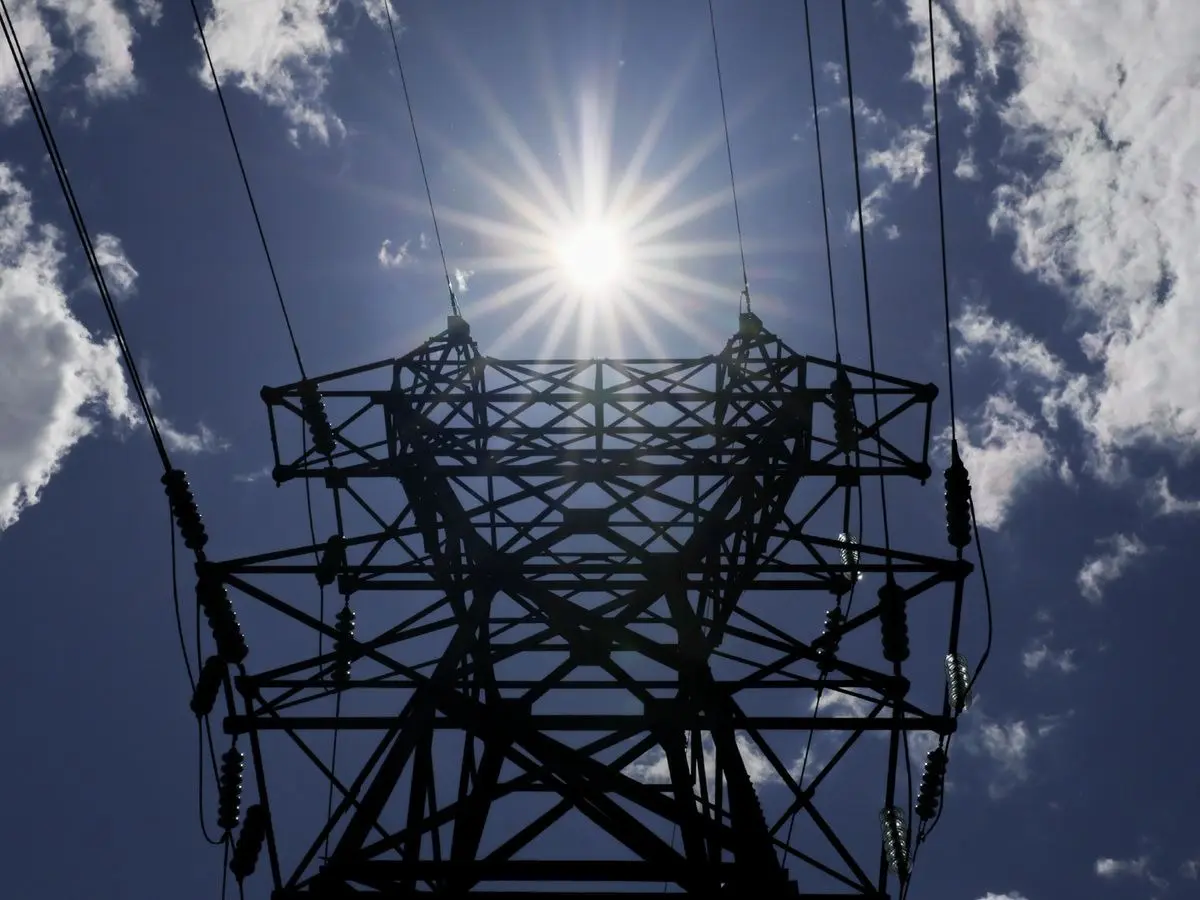
In one of the most substantial corporate transactions proposed in the Canadian regulated utilities landscape, Halifax-based Emera Inc. and Canadian Utilities Ltd., a flagship operating subsidiary of Calgary-headquartered ATCO Ltd., are pursuing a merger that would forge an integrated utility titan valued at approximately $72 billion.
The proposed transaction represents an extraordinary alignment of geographical footprint, operational reach, and balance sheet scale. Historically, Canada’s electric and gas utilities have largely operated as regional and provincial powerhouses, shaped by distinct provincial regulatory environments, separate energy generation mixes, and diverse customer bases. The union of Emera—whose regulated operations span the Canadian Atlantic provinces, parts of New England, and the southeastern United States—with the expansive Western Canadian and international infrastructure holdings of Canadian Utilities creates a unified North American platform with massive capital deployment potential.
The economic logic behind utility megadeals is increasingly driven by the immense capital required to modernize electrical grids, expand transmission lines, and transition generation fleets toward lower-emitting energy sources. Both Emera and Canadian Utilities manage vast networks of electric transmission, distribution lines, and natural gas infrastructure. Together, the combined entity would possess the financial depth required to finance long-term, multi-billion-dollar capital expenditure programs while spreading administrative costs and operational expenditures over an expanded rate base.
However, bringing together two corporate entities of this scale will inherently attract rigorous regulatory examination. Utility transactions of this magnitude must typically pass regulatory muster across multiple jurisdictions to ensure that customer rate structures remain reasonable, grid reliability is protected, and local service commitments are maintained. Observers and investors will also be watching corporate governance arrangements, capital structure allocations, and how the merged leadership integrates corporate cultures rooted in Halifax and Calgary into a single coordinated enterprise. If successfully finalized, the $72-billion power giant would stand among North America’s largest publicly traded utility systems, reshaping the competitive playing field for regulated infrastructure.
How Low Can the Canadian Dollar Go?
While major corporate transactions reflect long-term confidence in asset consolidation, the immediate health of the broader Canadian macroeconomic environment remains closely tied to the performance of its currency. In international foreign exchange markets, the Canadian dollar has encountered continuous headwinds against the resilient U.S. greenback, prompting currency strategists to evaluate how much further the loonie could slide.
Karl Schamotta, chief market strategist at Corpay, offered an incisive look at the macroeconomic forces weighing on the currency pair. Foreign exchange valuations reflect an interconnected matrix of interest rate expectations, trade flows, economic growth trajectories, and sovereign productivity differences. In recent periods, the relative strength of the U.S. economy, characterized by resilient domestic consumption and robust fiscal stimulus, has bolstered the greenback, drawing capital flows toward U.S. assets and pushing peer currencies lower.
For the Canadian dollar, domestic economic vulnerabilities have exerted sustained downward pressure. Discrepancies in monetary policy trajectories between the Bank of Canada and the U.S. Federal Reserve play a decisive role in shaping the exchange rate. When policy interest rates diverge, or when financial markets anticipate that Canada will implement deeper interest rate reductions than the United States due to comparatively weaker domestic output, the yield advantage favors U.S. dollar-denominated assets.
Additionally, broader domestic structural realities, including lower productivity growth rates, elevated household debt burdens, and fluctuations in core global commodity pricing, contribute to a cautious outlook for the currency. A weaker loonie presents a double-edged sword for the domestic economy. While a depreciated currency can offer a competitive advantage to Canadian manufacturing and commodity exporters by making their offerings more affordable for foreign buyers, it simultaneously drives up the cost of imported equipment, machinery, and everyday consumer merchandise, complicating broader efforts to normalize domestic price levels.
‘Fragile’ Consumers to Spend Less This Holiday Season
The ripple effects of broader economic strain and foreign exchange volatility are being felt most directly at the retail counter. With the critical fourth-quarter shopping period approaching, retail analyst Bruce Winder has described domestic consumer behavior as distinctly "fragile," setting the stage for what promises to be a demanding and fiercely competitive holiday shopping environment.
The holiday season represents the financial lifeblood of the Canadian retail sector, with merchants historically generating substantial portions of their annual revenues and net operating margins during the final months of the year. However, Canadian households have been subjected to an extended period of cumulative inflation alongside high borrowing costs that have significantly eroded discretionary purchasing power.
Mortgage renewals at elevated interest rates, persistent grocery inflation, and high debt-servicing ratios have collectively forced households to alter their spending priorities. Rather than shopping freely for non-essential goods, home décor, apparel, and premium electronics, consumers are adopting defensive budgeting postures. Shoppers are increasingly delaying purchases until items are deeply marked down, hunting for private-label alternatives, and restricting their holiday shopping lists to core essentials.
This cautious consumer posture presents acute challenges for retailers. Merchandisers are forced to walk a narrow tightrope between maintaining gross margins and preventing unwanted inventory from building up on warehouse shelves. Excessive promotional discounting can erode corporate profitability, yet failing to offer competitive prices risks losing price-sensitive consumers to rival retail chains and e-commerce platforms. Analysts suggest that merchants who successfully manage inventory turn rates, target high-utility promotional offerings, and maintain lean supply chains will be best equipped to weather this holiday slowdown.
Energy Executives Confident New Oil Pipeline Gets Built
In striking contrast to the cautious sentiment in consumer retail, mood in Canada’s primary resource sector has undergone a dramatic transformation. Within Canada’s oilpatch, sentiment among corporate leaders and institutional investors has improved sharply compared to the pervasive caution observed just a year ago.
According to a closely watched industry survey, oil and gas executives and energy investors now express strong confidence that a proposed oil pipeline project to the British Columbia coast will be constructed. This marks a notable pivot for a sector that has spent much of the past decade contending with regulatory hurdles, intense legal opposition, canceled transportation projects, and severe regional price discounts caused by bottlenecked takeaway capacity.
Securing pipeline infrastructure to the Pacific coast is viewed as a vital strategic imperative for Canadian crude producers. Currently, the vast majority of Canadian heavy and light oil production is transported south to refining centers in the United States, effectively leaving domestic producers beholden to single-market demand and susceptible to heavy pricing discounts. Direct tidewater access along the Pacific seaboard allows Canadian energy resources to access high-demand international markets, particularly across the Asia-Pacific region, thereby narrowing transportation-related price discounts and maximizing realized field revenues.
Encouraged by improving market egress options and stabilizing cash flow profiles, upstream producers are responding by lifting their capital expenditure programs. Rather than simply maintaining existing wells, corporate operators are actively planning to increase spending allocations for exploration, well development, and infrastructure expansion. The resurgence in confidence across Canada’s oilpatch demonstrates the cyclical nature of resource economies, where structural progress in physical takeaway infrastructure can quickly convert defensive capital discipline into productive, long-term capital deployment.