
If you are one of the estimated eight million women in the UK experiencing some form of hair loss, chances are you have found yourself scrolling through the ever-expanding world of hair-growth treatments in search of something that actually delivers results. From scalp serums and peptide-packed formulas to LED light-therapy devices and supplements promising thicker, fuller strands, the market options can feel overwhelming. Knowing which treatments are genuinely worth a significant financial investment is an entirely different matter.
While hair-growth products have surged in popularity in recent years, trichologists agree that one ingredient remains the most heavily evidence-backed option available: minoxidil. But how exactly does it work, and is it suitable for every individual? Can it help mitigate the shedding associated with hormonal fluctuations, chronic stress, or rapid weight loss? Furthermore, what happens to your hair when you stop using it?
To separate fact from fiction, leading industry experts—including Eva Proudman, resident trichologist for Absolute Collagen, and Tiffany Hall, a trichologist and the founder of Trichology—have weighed in on how minoxidil functions, whether it is safe for long-term use, and what consumers need to know before incorporating it into their daily haircare regimens.

What Is Minoxidil?
To understand why minoxidil is so frequently recommended, it helps to look at its origins. Minoxidil belongs to a class of medications known as vasodilators, meaning it works by widening blood vessels to encourage better circulation.
Historically, back in the 1950s, minoxidil was administered orally to treat high blood pressure, though it was initially found to be chemically unstable in that format. However, researchers quickly observed that patients undergoing treatment began to experience unexpected improvements in hair growth. This accidental discovery paved the way for the development of the topical minoxidil lotions and sprays seen on pharmacy shelves today.
As one of the most thoroughly researched treatments for hair loss on the market, numerous clinical studies have long demonstrated minoxidil’s efficacy in promoting hair growth and improving overall hair density. In the UK, topical formulations can be purchased over-the-counter from pharmacies without a prescription, though oral variants require a formal prescription from a medical professional or specialised telehealth services.

Why Is Minoxidil Good for Hair Growth?
At its core, minoxidil acts as a vasodilator. By widening the blood vessels in the scalp, it successfully delivers an increased supply of blood, oxygen, and vital nutrients directly to the hair follicles—the microscopic pockets in the skin from which each strand of hair grows.
Beyond improving micro-circulation, trichologists point out that the compound aids the hair growth cycle in two additional ways. First, it actively lengthens the growth phase. Every human hair naturally cycles through distinct stages of growing, resting, and shedding. Minoxidil helps individual strands remain in the active growth stage for a longer duration.
Second, the treatment works to thicken fine, miniaturised hairs. In pattern hair loss, follicles gradually shrink over time, eventually producing thinner and much weaker hairs. Minoxidil assists these struggling follicles in producing thicker, stronger strands once again. Experts note that it works most effectively for androgenetic alopecia, which is the medical term for male and female pattern hair loss.
What Are Practical Drawbacks of Minoxidil?
Despite its proven clinical track record, minoxidil does not yield identical results for everyone. In order for the medication to work on the hair follicles, it must first be activated by a specific enzyme—a natural substance within the body that triggers the necessary chemical transformation. Some individuals naturally possess higher concentrations of this enzyme in their scalps than others, which explains why one person might experience remarkable restoration while another sees very little change.
To remove the guesswork and prevent consumers from wasting money on ineffective treatments, specialists often recommend diagnostic assessments such as the TrichoTest. This is a simple genetic test, typically administered via a quick mouth swab, that examines genes linked to hair loss and evaluates how an individual’s body is likely to respond to various treatments, including minoxidil. The resulting data helps trichologists recommend the precise type, strength, and formula suited to the patient’s genetic profile.
Regarding potential side effects, topical minoxidil is generally well-tolerated by the vast majority of users. However, it can occasionally trigger minor scalp irritation, dryness, and itching for sensitive individuals. Experts note that these localized issues can typically be managed effectively by adjusting washing frequency and using a gentle, nourishing shampoo and conditioner.
In recent years, broader conversations about side effects have circulated widely online. An unwanted reaction notably went viral on TikTok, where users shared unexpected experiences with facial hair growth after applying topical treatments to their scalps. While specialists acknowledge that systemic absorption or migration can occasionally lead to unwanted facial hair growth or an initial increase in shedding when treatment first begins, they emphasize that these occurrences are relatively minimal in clinical practice. Oral minoxidil carries a higher profile of potential side effects and is generally restricted to low therapeutic doses, which is why many practitioners prefer working with topical solutions.
The Application Process
Proper application is vital for achieving the best results with topical minoxidil. Specialists generally advise parting the hair cleanly down the centre and applying the treatment directly to the exposed scalp along the parting, gently massaging it toward the crown and forward to the hairline. Afterward, users typically create parallel partings a short distance to the left and right, applying the formula to ensure even coverage across the temples and surrounding hairline.
A variety of formats are available on the market, ranging from traditional liquid drops to lightweight foams and metered sprays, each designed to make application quick while minimizing residue on the hair strands themselves.
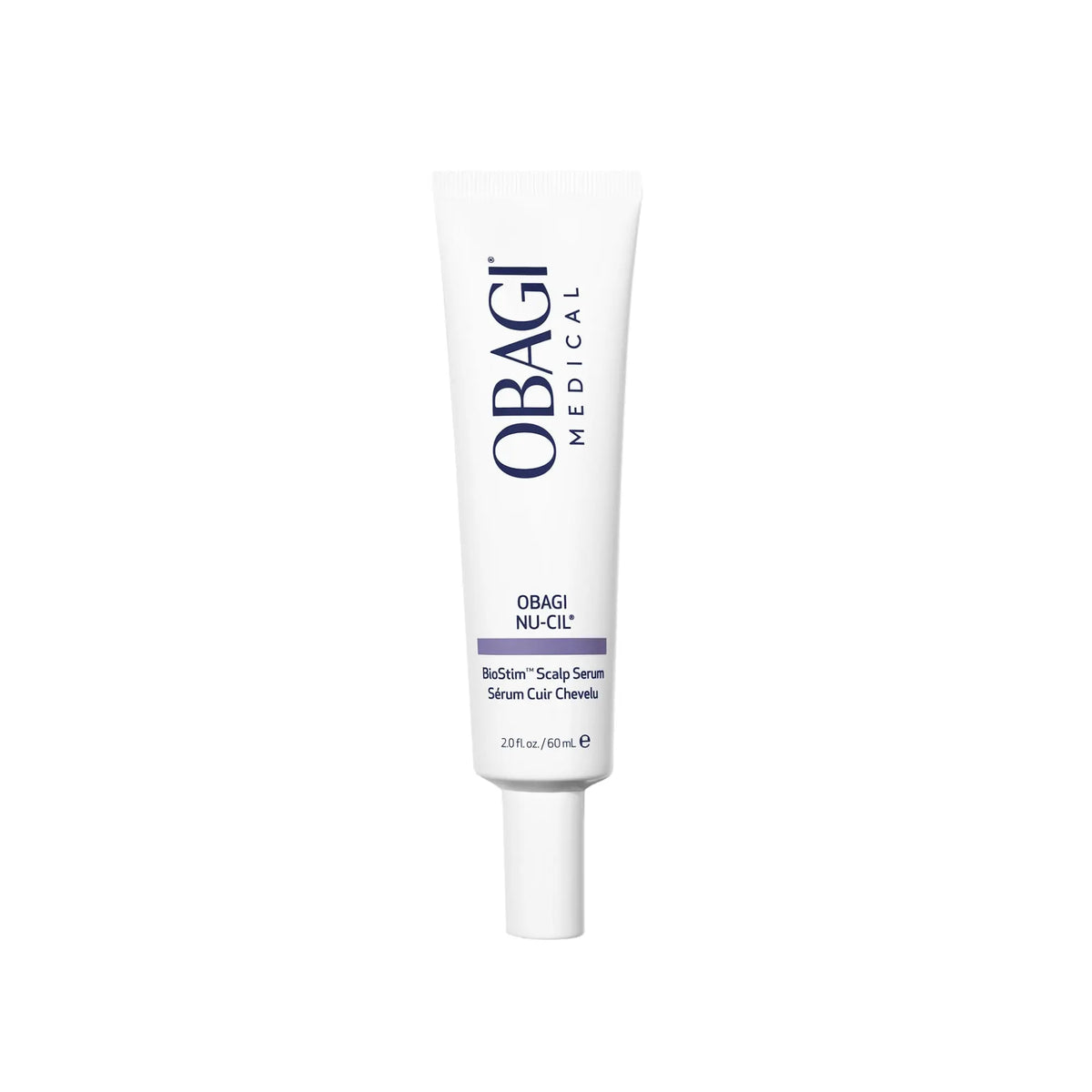
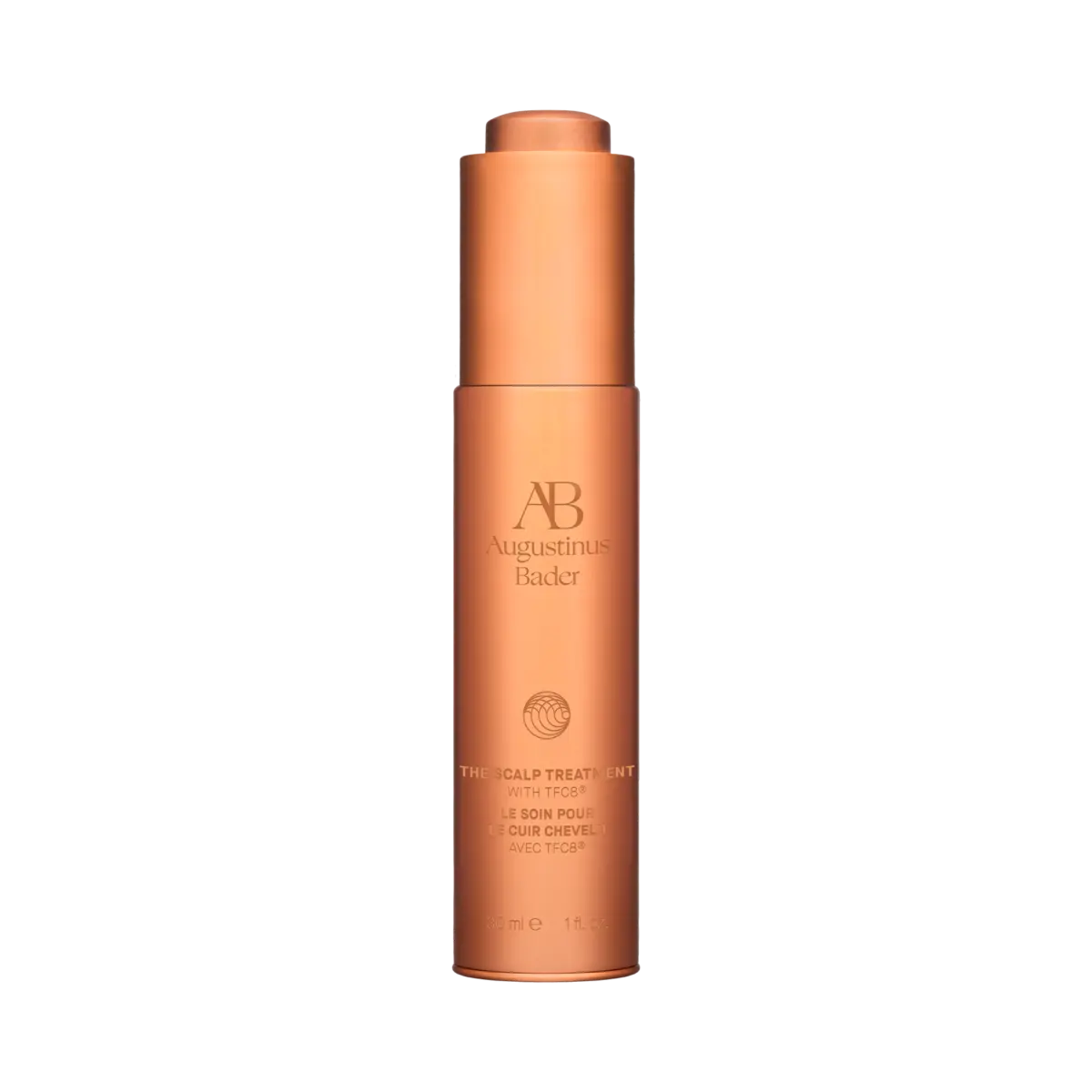
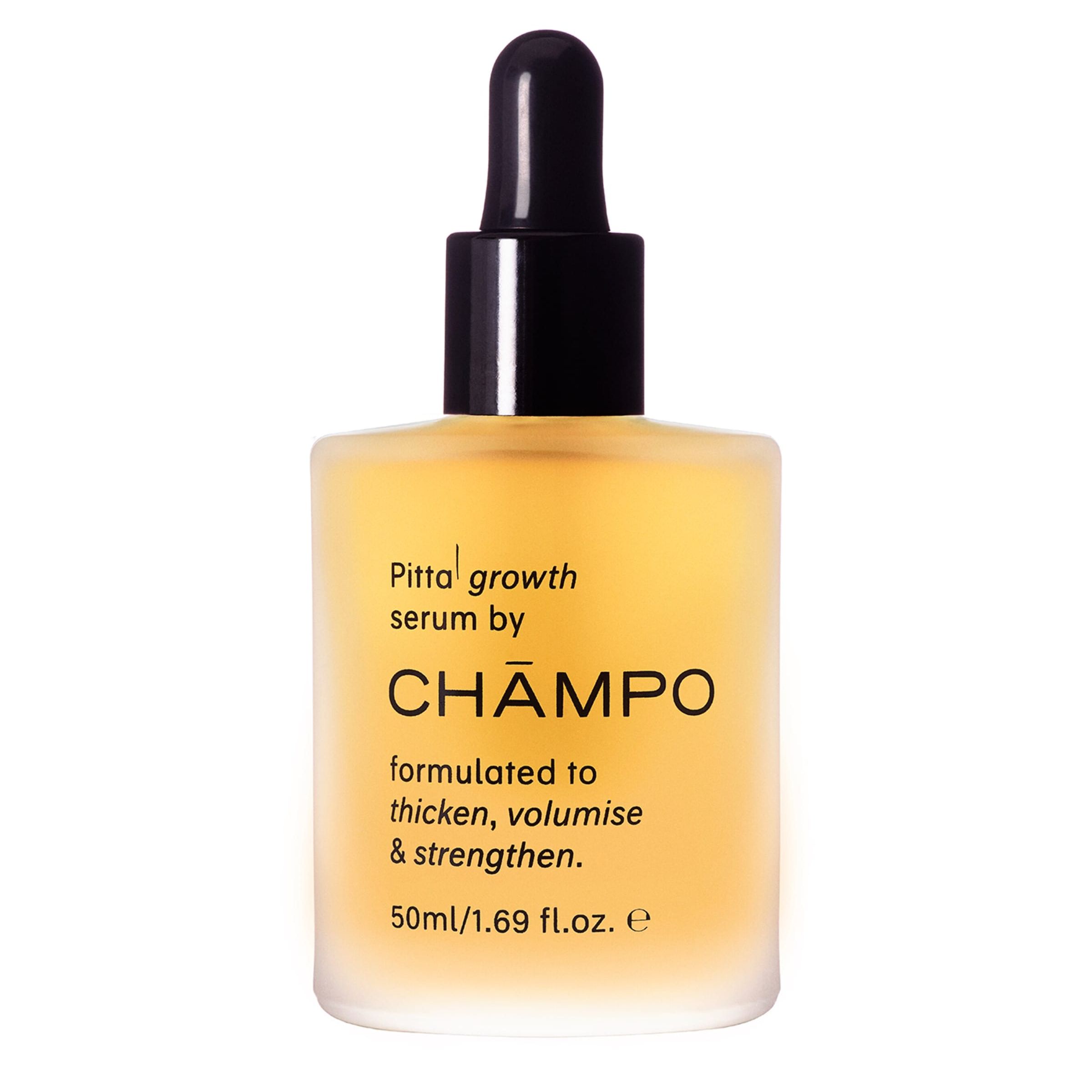
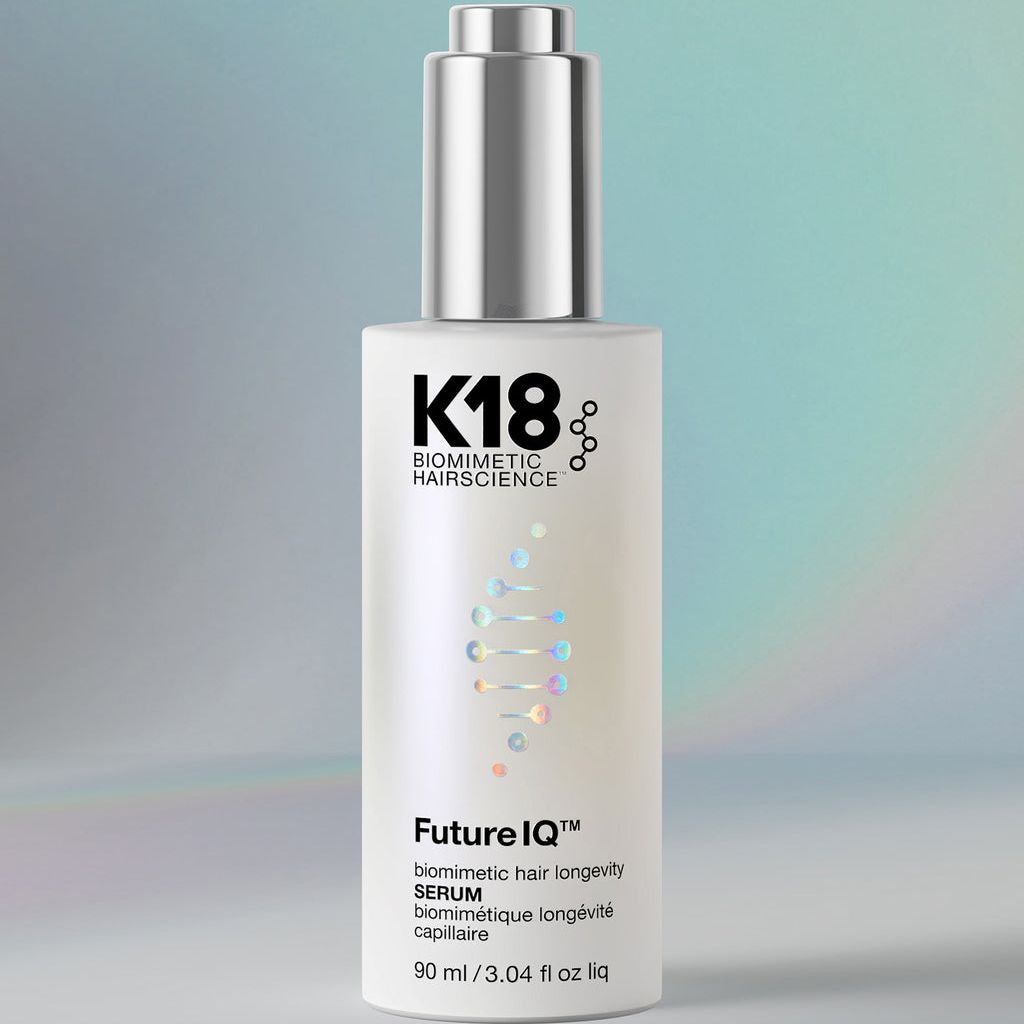
For those who are hesitant to commit to minoxidil, the broader market offers numerous alternative hair-growth and scalp-care serums. Formulations featuring ingredients like caffeine, red clover extract, and advanced biomimetic peptides have become increasingly popular among beauty editors and consumers alike. Products such as the Champo Pitta Growth Serum, K18 FutureIQ Biomimetic Hair Longevity Serum, Obagi Nu-Cil BioStim Scalp Serum, Augustinus Bader The Scalp Treatment, UKLash Hair Growth Serum, and The Ordinary Multi-Peptide Serum for Hair Density all focus on supporting scalp health, reducing shedding, and encouraging a resilient environment for hair to thrive. While not all of these alternatives share minoxidil’s pharmaceutical backing for regrowth, they represent a booming category of supportive treatments designed to improve overall hair density and root health.
Ultimately, addressing hair loss requires patience, an understanding of individual biological factors, and guidance from qualified professionals to ensure that time and financial investments are directed toward the most suitable solutions.