
The stock market continues to defy expectations, leaving investors to grapple with a familiar cycle of surging valuations and lingering dread. As major indices climb to unprecedented heights—driven largely by the current frenzy surrounding artificial intelligence—a pervasive anxiety echoes across retirement portfolios. When markets crash, retirement savings shrink, but even when stocks soar to record levels, investors worry that an inevitable, catastrophic downturn is looming. This boom-bubble dynamic, built on the back of rapid technological advancements, has reignited fears of a market correction reminiscent of the early 2000s dot-com crash.

For financial commentators who witnessed firsthand the dot-com boom and the subsequent fallout, the current cycle feels both familiar and deeply studied. The early 2000s tech surge launched many early careers and paved the way for early retirement, even as the ensuing crash threatened jobs and economic stability. Today, financial analysts and early retirement advocates are fielding constant questions about the sustainability of the current investment climate, addressing these concerns through public speaking engagements at financial literacy events like Camp FI Midwest and upcoming national conferences.

Will the AI Bubble Ruin Retirement?
Achieving long-term financial independence often brings comfort and stability, yet the psychological weight of global events frequently challenges that peace of mind. Financial veterans frequently encounter questions from cautious observers asking how anyone can remain retired and sleep soundly given the state of the world. The list of modern anxieties is extensive: political instability, surging inflation, towering national debts, geopolitical conflicts in the Middle East and Eastern Europe, and the looming threat of an artificial intelligence bubble.

Yet, a historical perspective reveals that such anxieties are cyclical rather than novel. Looking back two decades to 2006, investors were wrestling with an entirely different set of catastrophic predictions. At that time, headlines were dominated by geopolitical conflicts, concerns over national debt and inflation, and anxieties surrounding the housing bubble rather than an AI bubble. Instead of artificial intelligence taking white-collar jobs, the prevailing fear was the mass outsourcing of labor to overseas markets like India and China. Energy markets were gripped by the panic of "Peak Oil," with dire warnings that fossil fuel consumption would inevitably outstrip dwindling supplies, leading to global economic collapse.

Despite those widespread fears, the subsequent two decades saw remarkable economic and societal resilience. Even the Great Financial Crisis of 2008—fueled by irrational exuberance in housing prices and excessive financial leverage—pales in long-term perspective. A broad market investment made during the height of the 2006 anxiety would have still grown substantially over the ensuing twenty years, weathering both the housing crash and the subsequent market shocks of the 2020 global pandemic.

Simultaneously, global standards of living improved dramatically on metrics far beyond the stock market. Over a twenty-year span, the proportion of the global population living in extreme poverty dropped significantly, while infant mortality rates were cut in half. Clean energy adoption surged as the cost of solar technology plummeted, making solar generation a dominant force in new energy infrastructure alongside a rapid rise in electric vehicle adoption. History suggests that focusing energy on optimism and underlying economic fundamentals yields better outcomes than succumbing to an uncertain future’s perceived doom.

The Core of Prosperity Lies in Productivity
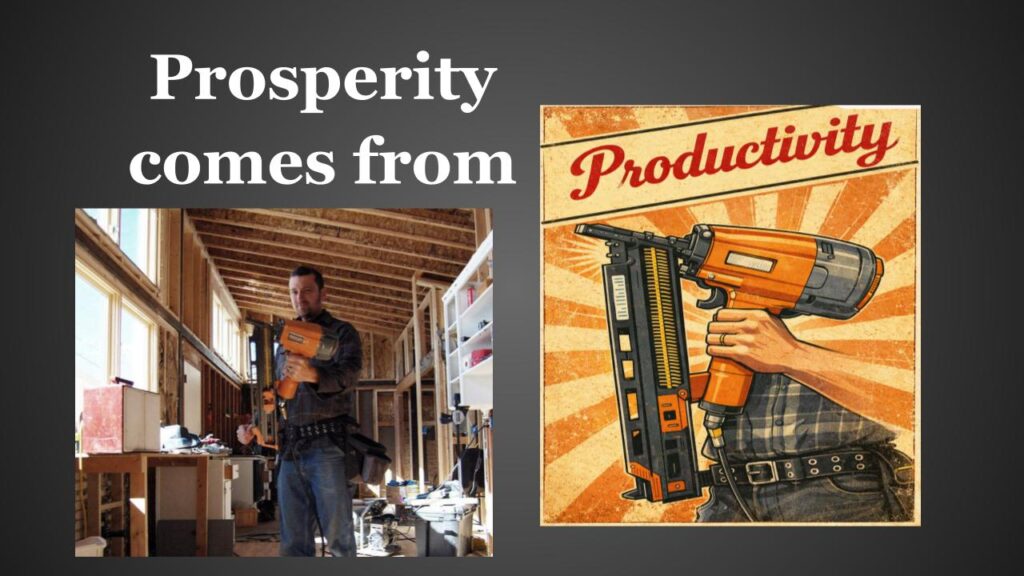
Financial media thrives on sensationalizing market volatility, often missing a fundamental economic truth: true prosperity is not derived from abstract figures flickering across computer screens within the financial system. Rather, prosperity stems directly from productivity.

The mechanics of capitalism are inherently choppy, prone to wild market swings and speculative manias. However, beneath these surface waves, human labor, ingenuity, and real-world inventions drive genuine economic progress. The concept of an economy or a financial system is itself a human construct. If a financial system experiences a severe correction due to speculative overvaluation, society has historically adapted by recalibrating and returning to foundational work.
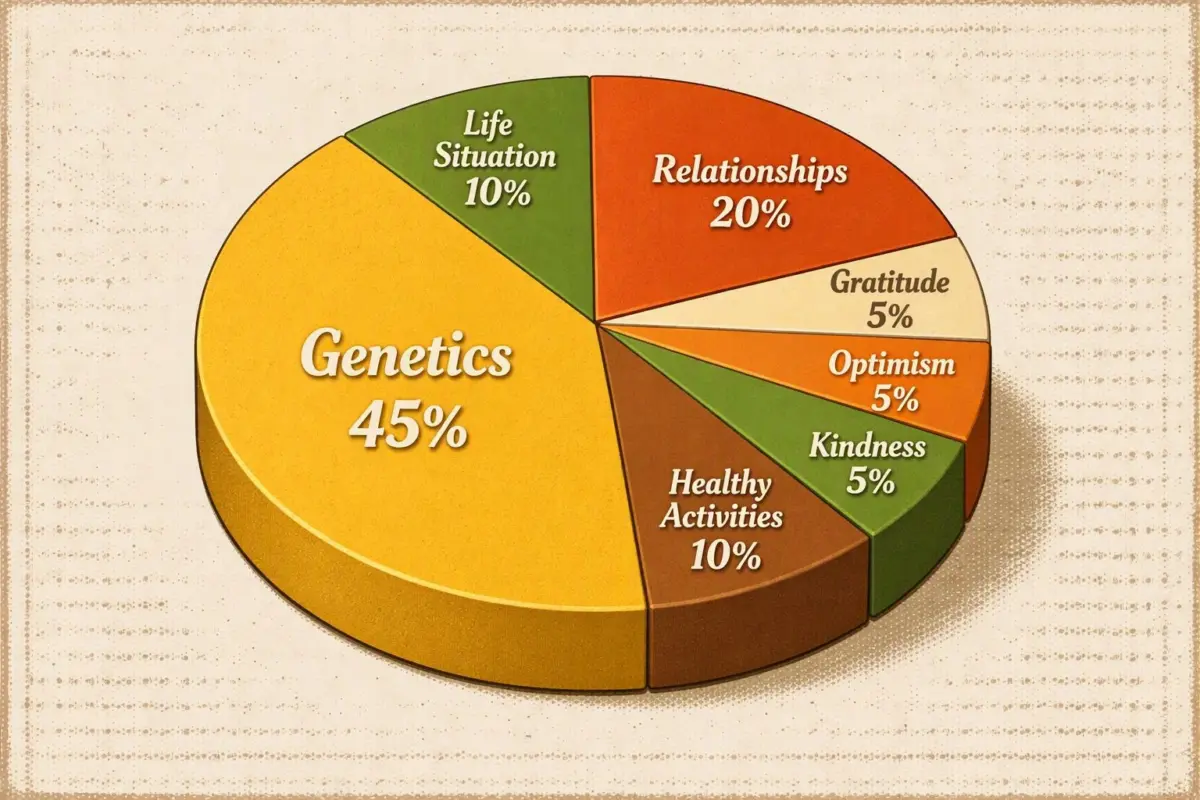
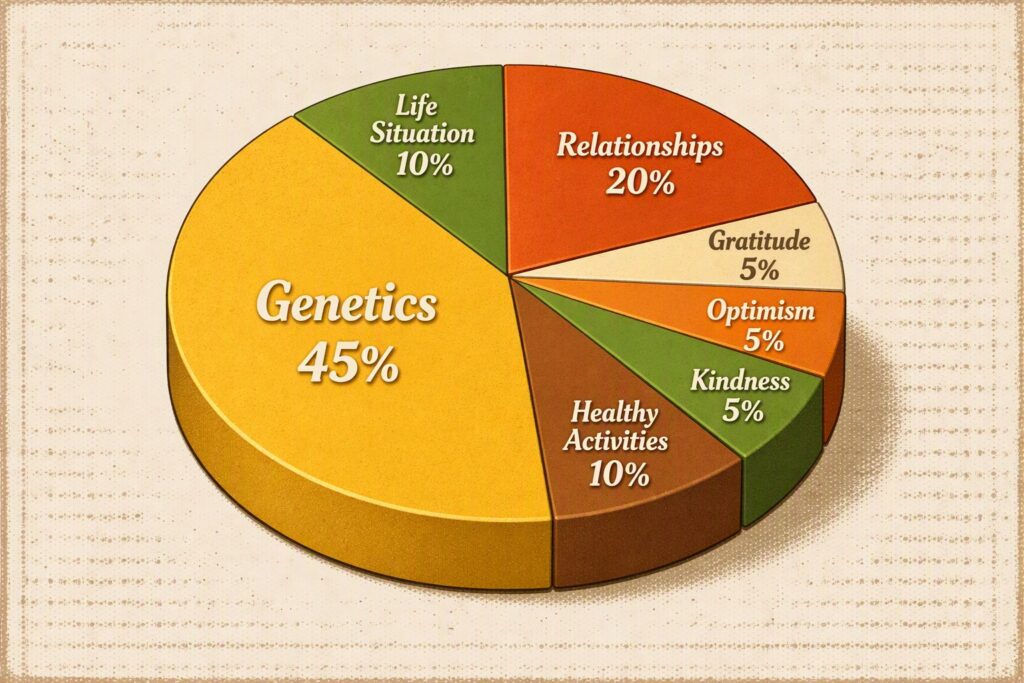
Economic growth, rising standards of living, and the feasibility of early retirement are all anchored in high productivity. Furthermore, once societies achieve a certain baseline standard of living, human happiness tends to plateau regarding material wealth. In developed nations, basic survival requirements were surpassed decades ago, shifting the focus of human satisfaction toward non-material factors such as strong interpersonal relationships, community engagement, gratitude, and physical health.
Understanding and Combating Financial Fear
Despite historical evidence demonstrating long-term economic recovery and growth, many individuals remain paralyzed by fear regarding their financial future. Psychologically, human beings are essentially danger-detection machines. This pervasive background anxiety is an evolutionary trait designed to protect against environmental threats. However, a major flaw in this detection machinery is that when immediate physical dangers are resolved, the human mind continuously seeks new sources of worry, effectively moving the goalposts of anxiety.
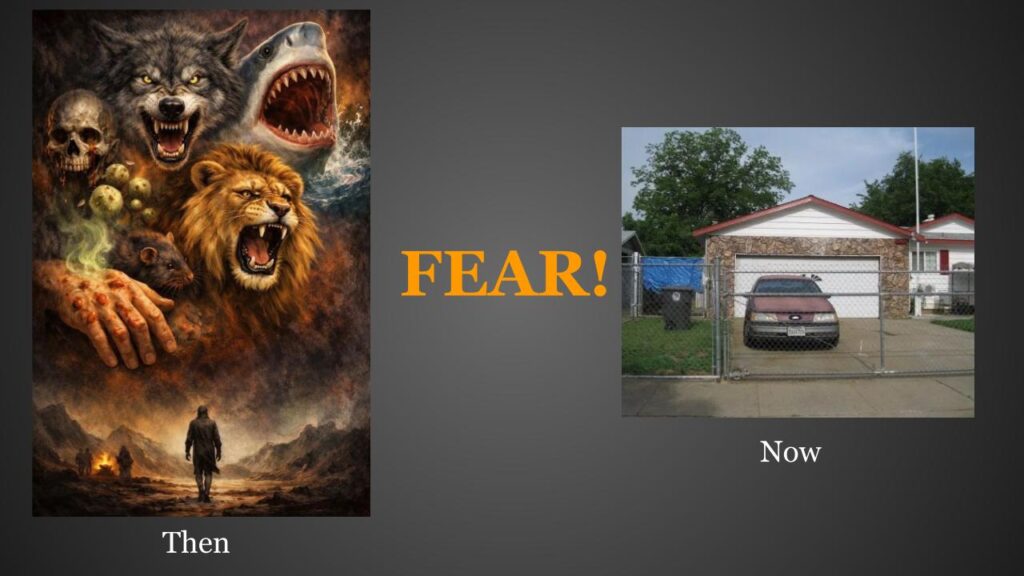
Once basic survival needs and financial security are met, anxiety often shifts toward social standing, tax strategies, portfolio management, or complex wealth preservation rules. Fortunately, individuals can actively combat this psychological trap through self-awareness and rational thought. Recognizing the historical roots of personal anxiety—whether stemming from childhood upbringing, family scarcity mentalities, or past trauma—allows people to separate emotional responses from objective present realities.
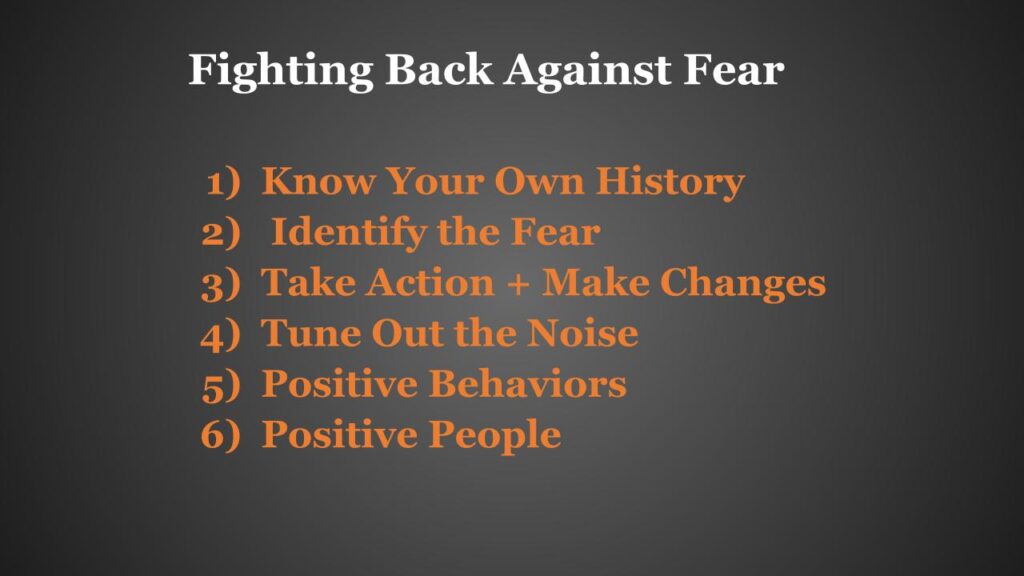
Confronting fear head-on through direct action helps demystify the unknown. Taking deliberate steps builds confidence and resilience, the vital capacity to adapt to any new situation. By tuning out the daily barrage of sensationalized news media—which disproportionately highlights alarming stories—individuals can redirect their mental energy toward positive behaviors, physical movement, lifelong learning, and constructive community engagement. Surrounding oneself with optimistic, forward-thinking peers further reinforces a healthy mental framework, replacing a scarcity mindset with one focused on problem-solving and personal agency.

Viewing Technological Shifts as Experiments
This proactive, experimental mindset applies directly to modern technological disruptions, most notably the rapid advancement of artificial intelligence. Rather than viewing emerging technologies through a lens of doom-scrolling and apprehension, framing technological shifts as grand experiments transforms fear into fascination.

AI represents a significant change, which naturally causes uncertainty. However, examining the technological and economic foundations of AI reveals a powerful tool for efficiency and growth. Artificial intelligence functions essentially as a cognitive productivity booster, capable of enhancing output across various sectors. While historical productivity technologies inevitably displace certain jobs—impacting entry-level office roles, administrative tasks, and eventually transportation fields—they simultaneously lower service costs and catalyze entirely new industries, mirroring the transformative economic expansion unleashed by the internet and mobile computing.
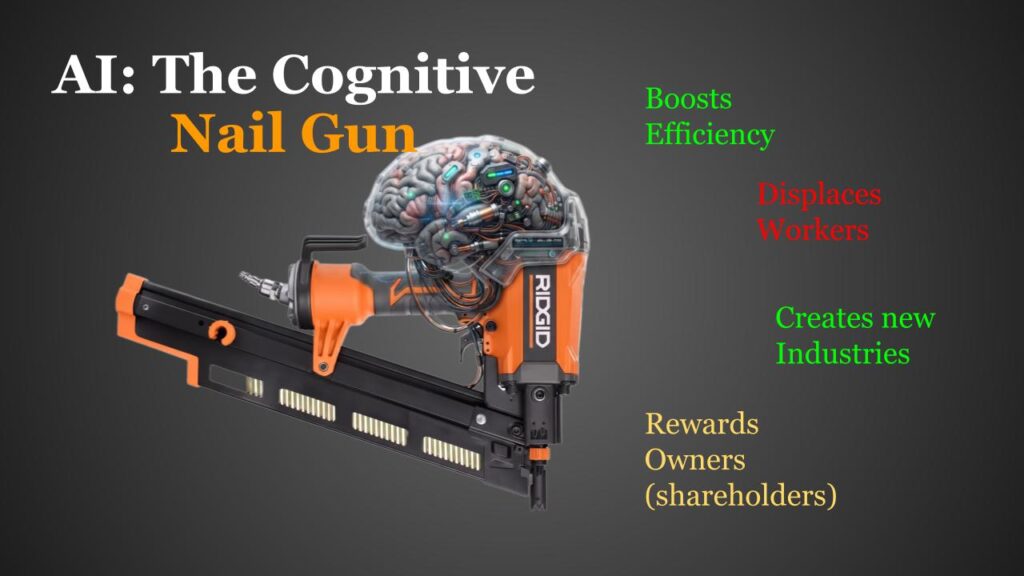
The historical pattern of technological innovation shows that rewards often concentrate among those who own and implement the tools effectively, benefiting corporate stakeholders and broader market participants alike. Ultimately, artificial intelligence is simply another catalyst demanding human choice. Whether individuals view it as a threat to be feared or an opportunity for learning and adaptation depends entirely on perspective. By acknowledging that lasting personal fulfillment and security lie just beyond the horizon of fear, society continues to navigate each new economic frontier through resilience, action, and enduring optimism.