

The stock market has once again proved its knack for surprising observers, prompting familiar anxieties about overvalued assets and impending crashes. As major indices reach historic heights, fueled largely by a market-wide frenzy over artificial intelligence, investors are increasingly drawing parallels to historical downturns like the dot-com bubble of the early 2000s.

For many long-term investors, the current economic climate evokes memories of past anxieties. Financial commentators and retirement veterans who navigated the turbulence of the early 2000s and the 2008 Great Financial Crisis are frequently fielding questions regarding whether the artificial intelligence boom will undermine retirement security. Addressing these concerns through recent speaking engagements at events such as Camp FI Midwest and upcoming appearances at the Bogleheads conference, seasoned financial commentators are urging a shift in perspective, arguing that systemic market fears often obscure underlying economic realities.

Will the AI Bubble Ruin Our Retirement?
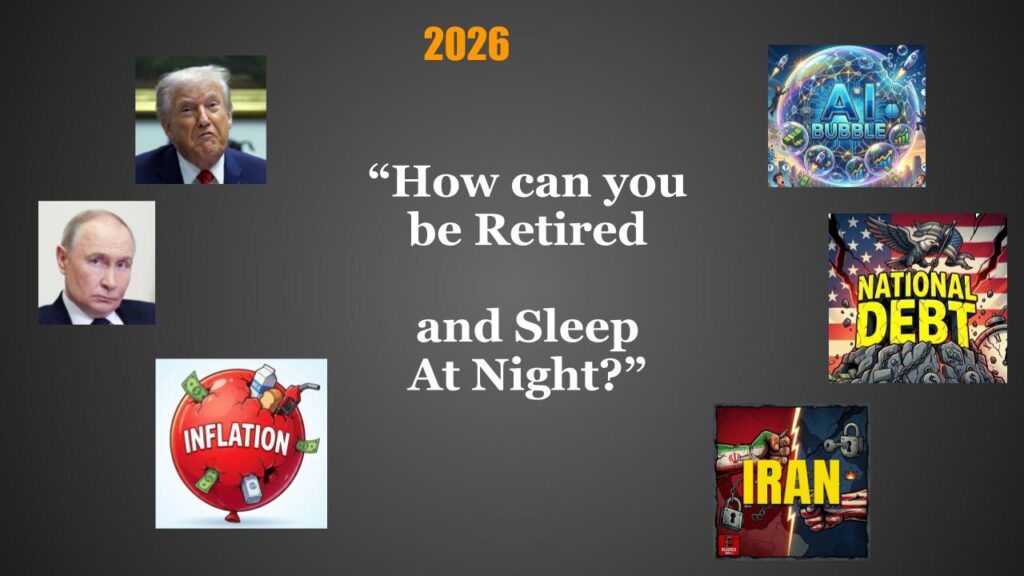
Reflecting on decades of retirement and shifting economic landscapes, long-term financial observers note that public anxiety is a perennial feature of the modern financial system. Conversations surrounding market stability often mirror those from twenty years prior. In 2006, public discourse was dominated by fears over geopolitical instability, rising national debt, inflation, a precarious housing market, outsourcing, and peak oil concerns.

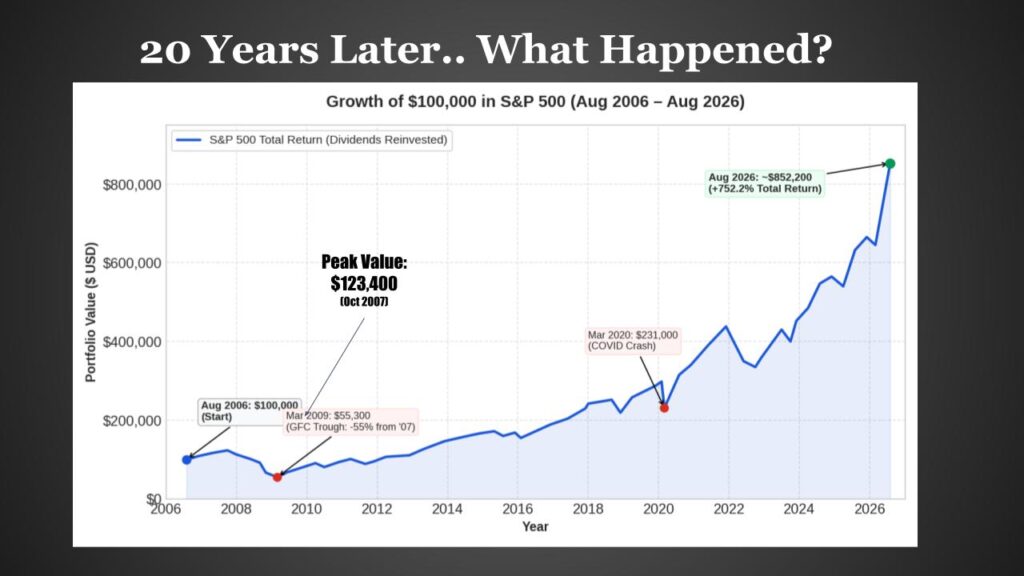
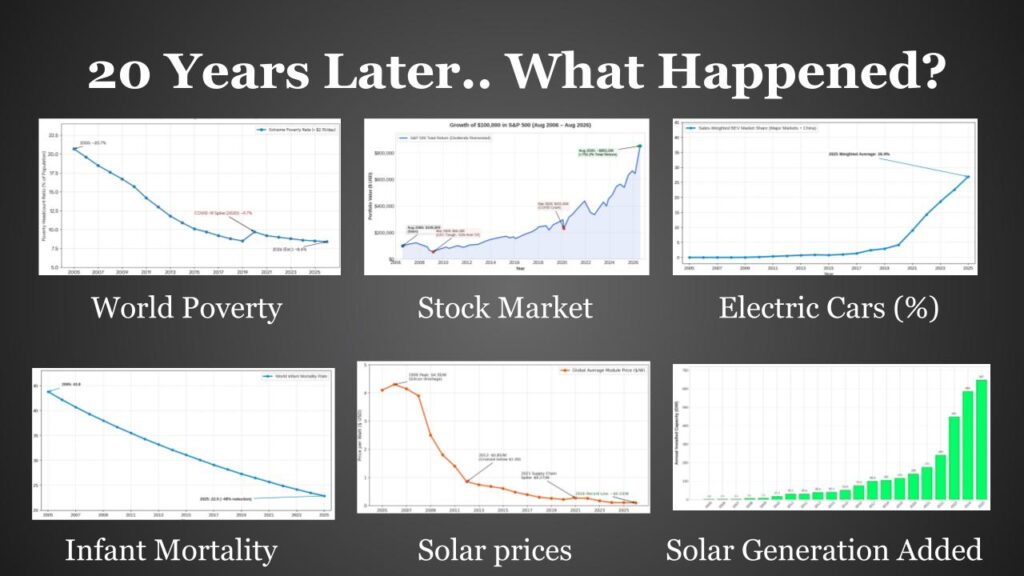
Despite those widespread worries, the subsequent two decades witnessed substantial long-term growth in global equity markets. Historical market data illustrates that broad-based investments weathered major disruptions—including the 2008 financial crisis and the 2020 pandemic-related volatility—to deliver significant long-term gains. Beyond financial markets, global living standards saw measurable improvements over the same twenty-year period. Extreme poverty rates declined globally, infant mortality rates dropped significantly, and clean energy adoption accelerated as solar technology costs fell, alongside the rapid expansion of electric vehicle manufacturing.
Market analysts argue that these historical comparisons highlight a fundamental misunderstanding among perpetual worriers: true societal prosperity originates from productivity rather than financial speculation or stock market valuations. Financial systems and market indices are human-constructed numerical frameworks. When systems face correction, historical precedent shows that productivity and human innovation continue to drive economic output and standard of living improvements.

Understanding the Roots of Financial Fear
The persistence of financial anxiety, despite favorable long-term economic data, points to deeper psychological mechanisms. Human beings have evolved as danger detection machines, a trait designed to protect against physical threats and scarcity. However, once immediate survival needs and financial stability are secured, this cognitive machinery often shifts toward abstract worries, ranging from macroeconomic debt figures to neighborhood property aesthetics and tax strategies.
Psychological factors, including childhood experiences with scarcity, historical trauma, and the constant exposure to sensationalized media coverage, frequently amplify these anxieties. Commentators emphasize that daily news consumption tends to curate the most alarming stories, cultivating a pervasive background fear that rarely aligns with objective reality. Combatting this cycle requires self-awareness, identifying the historical roots of personal anxieties, and focusing energy on constructive behaviors rather than passive worry.
Rather than viewing technological shifts through a lens of existential dread, financial education advocates suggest adopting an experimental mindset toward change. This approach applies equally to personal life choices and macroeconomic developments like the rise of artificial intelligence.

Artificial Intelligence as a Productivity Driver
The current anxiety surrounding artificial intelligence mirrors historical skepticism directed toward previous technological revolutions. While AI undeniably introduces disruption—particularly for entry-level administrative, financial, and software roles—technological history suggests it also serves as a powerful productivity multiplier.

Market experts categorize artificial intelligence as a form of cognitive tool that enhances operational efficiency across numerous sectors. Just as industrial machinery and computing innovations automated manual and routine tasks, AI amplifies human capability, ultimately lowering costs and laying the groundwork for entirely new industries. While these transitions inevitably concentrate rewards among corporate stakeholders and asset owners, they simultaneously expand overall economic capacity.

Ultimately, financial experts suggest that addressing market fears requires confronting the root psychological causes of anxiety rather than attempting to predict or avoid every short-term market fluctuation. By focusing on continuous learning, personal resilience, and long-term productivity, investors can navigate market bubbles with perspective. As observers of the financial independence movement frequently note, achieving lasting peace of mind often requires moving past the apprehension that stands between current uncertainty and future fulfillment.