
The stock market has once again proved its capacity to surprise. As valuations reach historic highs driven by the explosive growth of artificial intelligence, investors find themselves caught in a familiar emotional tug-of-war. While a crashing market causes immediate panic as retirement portfolios shrink, a surging market often triggers an entirely different brand of anxiety: the creeping dread that an even bigger crash is just around the corner. This cycle of boom and bust is a perennial feature of modern finance, but the current frenzy surrounding artificial intelligence has amplified investor nerves to a fever pitch, drawing inevitable comparisons to the dot-com mania of the early 2000s.

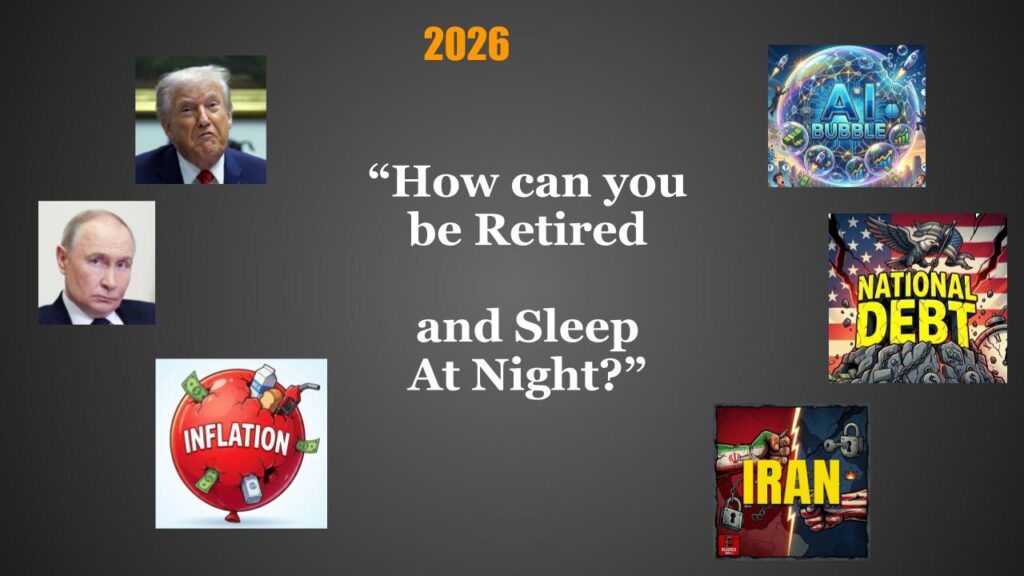
For long-term investors and those enjoying early retirement, the narrative of impending doom is difficult to escape. Financial media outlets frequently spin alarming tales about overvalued tech stocks, towering national debt, persistent inflation, and geopolitical instability. Yet, seasoned financial commentators and early retirement advocates argue that this widespread anxiety stems less from objective economic realities and more from the deep-seated psychological wiring of the human brain. Examining past market cycles reveals a profound disconnect between the daily stream of apocalyptic news and the actual trajectory of human progress and wealth creation over the long term.

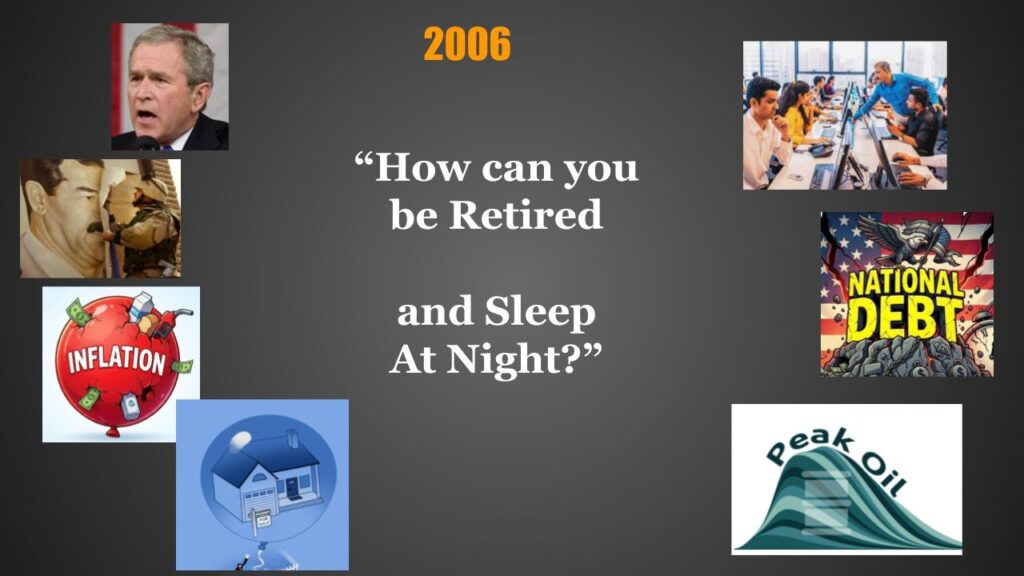
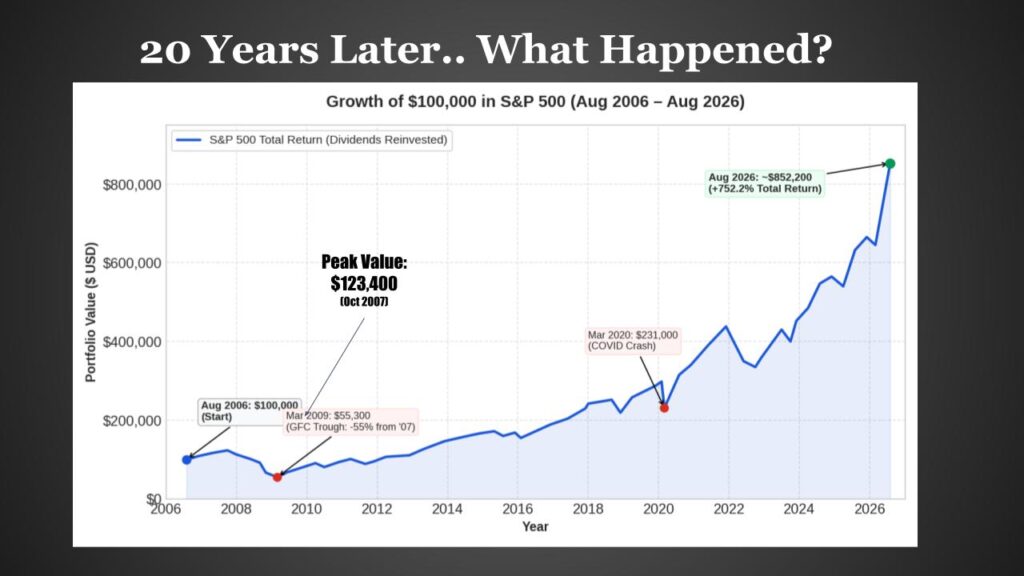
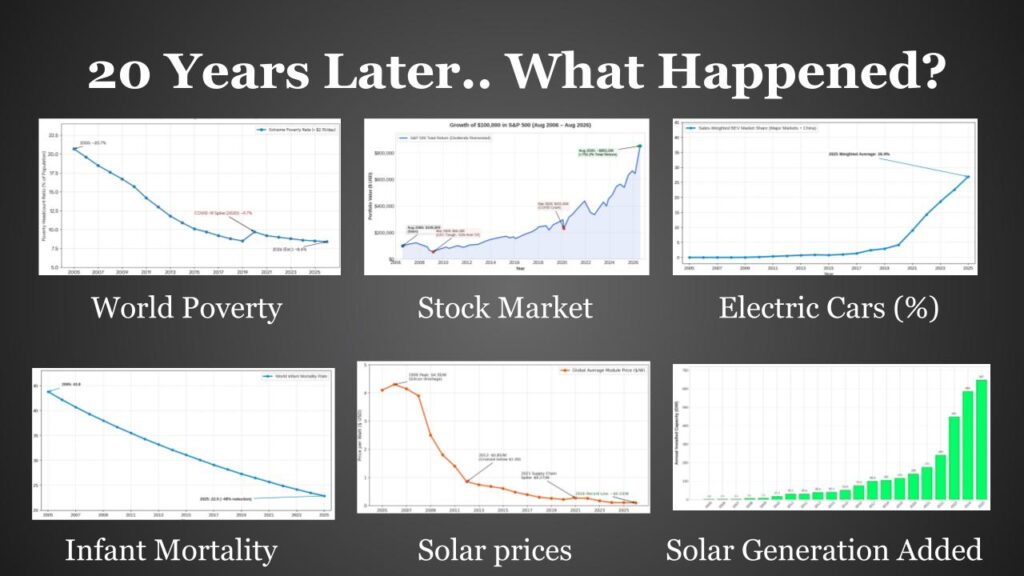
To understand why current anxieties about the AI bubble may be overblown, it helps to look back two decades. In 2006, investors faced a similarly daunting list of worries. The world was grappling with the wars in Iraq and Afghanistan, rising national debt, inflation fears, and a booming housing market that many recognized as an unsustainable bubble. There were widespread concerns about peak oil and the outsourcing of American jobs to developing economies like India and China. Yet, despite the subsequent arrival of the Great Financial Crisis in 2008—the most severe economic downturn since the Great Depression—the broader stock market continued its upward march over the following twenty years. A substantial investment made during those turbulent years would have grown significantly by modern standards, weathering not only the housing crash but also subsequent shocks like the COVID-19 pandemic.
Beyond the financial charts, the real world made remarkable strides during that same twenty-year window. Global extreme poverty rates dropped dramatically, infant mortality rates were cut in half, and clean energy technologies advanced at an exponential rate. Solar power generation surged as manufacturing costs plummeted, and electric vehicle adoption transitioned from a distant novelty into a major segment of the global automotive market. These tangible improvements in human well-being underscore a fundamental economic truth that financial fear-mongers consistently overlook: true prosperity does not originate from abstract numbers on a computer screen within the stock market or banking system; it stems from productivity.
The core lesson of capitalist economies is that while financial systems are inherently volatile and prone to irrational exuberance, the underlying engine of growth relies on real people performing real work and developing genuine innovations. Financial systems are human inventions, and when a system breaks or a bubble bursts, societies have repeatedly demonstrated the capacity to reset, restructure, and return to productive labor. Standard of living, economic growth, and the viability of early retirement are ultimately anchored to productivity gains rather than short-term market sentiment.
Despite these historical reassurances, financial anxiety remains a powerful force, often preventing people from fully enjoying the financial security they have worked decades to build. This persistent worry can be traced back to human evolutionary biology. Humans evolved as danger-detection machines, relying on background fear to protect themselves from predators, disease, and scarcity. However, once those immediate physical survival needs are met in modern society, the brain’s detection machinery does not simply turn off. Instead, it continually moves the goalposts, finding new subjects to worry about, ranging from macroeconomic trends and neighborhood homeowner associations to complex tax strategies and required minimum distributions.
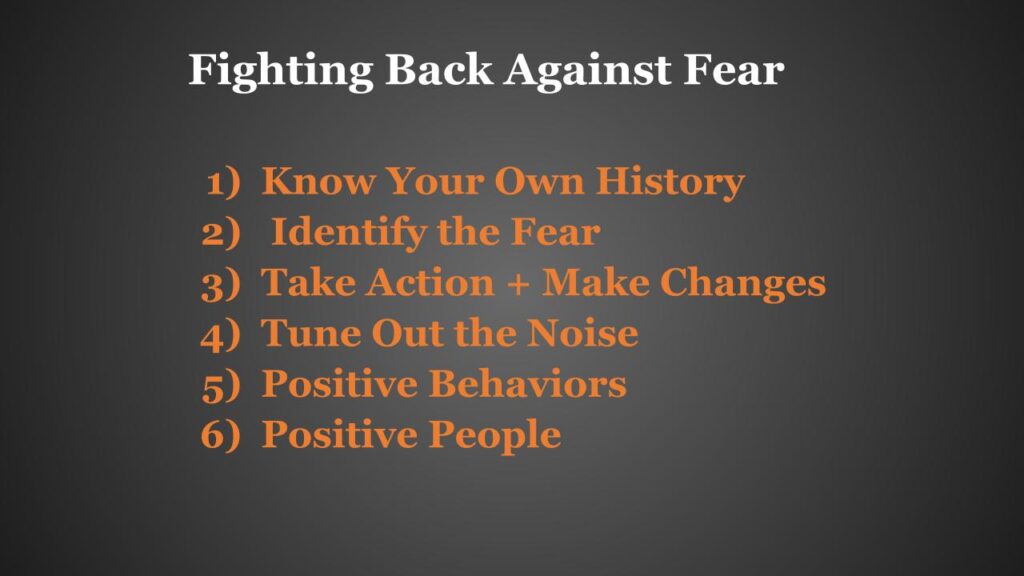
Overcoming this pervasive background fear requires self-awareness and an understanding of personal and familial history. Many individuals who harbor an intense fear of running out of money or facing sudden economic ruin carry psychological echoes from their upbringing, such as growing up during periods of economic hardship or experiencing financial scarcity. Recognizing that these fears are often rooted in the past rather than an objective assessment of the present is a crucial step toward emotional resilience. Taking decisive action helps dismantle unfamiliarity and builds the confidence needed to adapt to changing circumstances.

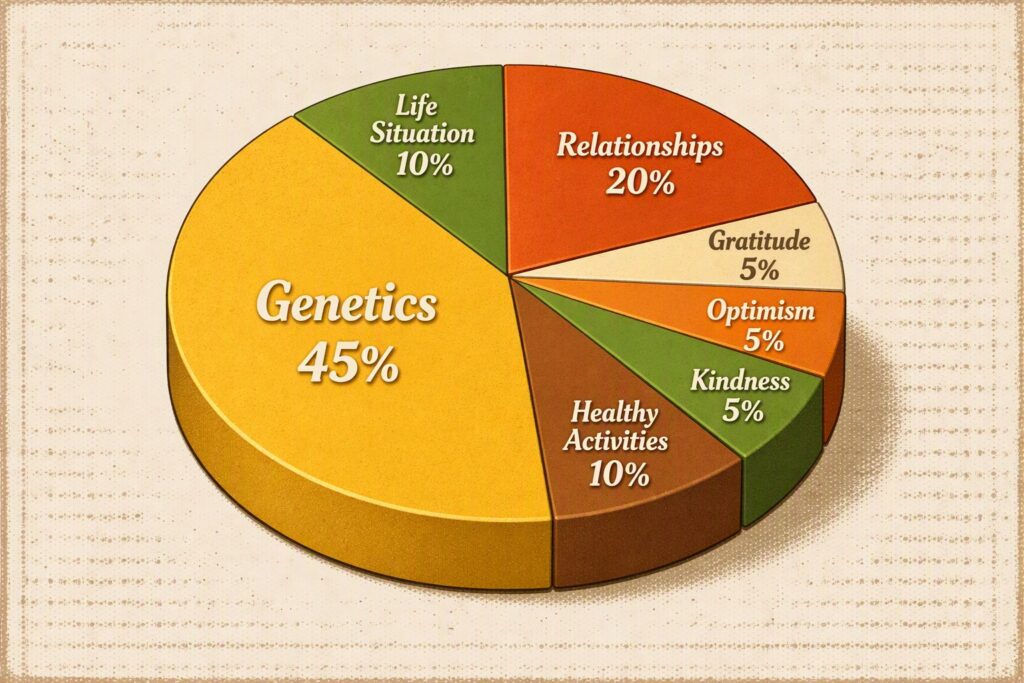
Furthermore, managing exposure to sensationalized daily news is essential for maintaining mental well-being. Modern news media thrives on highlighting the most alarming stories of the day, which can poison an individual’s mental diet and distort their perception of risk. Fostering positive behaviors, engaging in physical activity, and surrounding oneself with optimistic, productive peers in supportive communities can drastically alter one’s outlook on the future.
Applying an experimental mindset to major life transitions—whether changing careers, adjusting living arrangements, or stepping away from traditional employment into early retirement—can also reframe uncertainty from a threat into an opportunity. Viewing the modern artificial intelligence era through this lens transforms it from a source of existential dread into a fascinating technological evolution.

Rather than viewing AI as an unprecedented catastrophe, industry observers note that it functions essentially as a cognitive tool designed to boost efficiency and productivity. Much like the introduction of the internet or smartphones, artificial intelligence will inevitably displace certain traditional job roles while simultaneously lowering service costs and catalyzing entirely new industries. While these technological shifts often concentrate financial rewards among business owners and shareholders, they also provide broader societal productivity gains that ultimately drive long-term economic prosperity.
Ultimately, artificial intelligence represents another chapter in the ongoing evolution of human capability. Rather than yielding to abstract fears about an uncertain future, addressing the root causes of financial anxiety allows individuals to navigate market fluctuations with clarity. As many long-term planners and community advocates suggest, embracing change, pursuing continuous learning, and focusing on actionable personal goals remain the most effective strategies for building a secure and satisfying life, regardless of how the stock market performs.