
Neighborhood Intelligence, the corporate entity formerly known as Bed Bath & Beyond Inc., is pivoting its strategic approach once again, exploring a heavily revised agreement with real estate platform Fathom Holdings. The latest move marks a significant shift from an initial merger agreement struck in June, moving away from a traditional all-stock acquisition toward a transaction that places heavy emphasis on digital assets, blockchain infrastructure, and alternative financial systems.
According to a joint press release issued by the companies, the newly proposed deal would leverage substantially all of Neighborhood Intelligence’s digital assets. This includes contributing nearly 40% in direct and indirect ownership interest in tZERO Group, its Medici-related fund assets, and its direct investment in GrainChain to Fathom Holdings.
The reworked structure replaces the merger agreement originally announced three months ago and assigns a baseline valuation of at least $130 million exclusively to those contributed digital assets. Under the terms being discussed, the transaction entails newly issued Fathom shares granted to Neighborhood Intelligence. While the exact final share count will be determined as both parties finalize the definitive terms of the agreement, Neighborhood Intelligence anticipates maintaining a controlling interest in Fathom once the transaction concludes.
Marcus Lemonis, Executive Chairman and CEO of Neighborhood Intelligence, noted that the overall valuation of the deal is not tied to Fathom’s current market capitalization. He pointed out that Fathom’s share price has experienced a decline since the initial agreement was publicized back in June. Despite that downward market movement, Lemonis emphasized that the underlying operations of Fathom have demonstrated resilience and growth.
"We believe its brokerage and title businesses have made meaningful progress during that same period," Lemonis said in a statement. "The proposed structure is intended to recognize both that progress and the value we believe exists in the digital asset portfolio Neighborhood would contribute."
In addition to integrating the digital asset portfolio, the newly proposed framework grants Fathom the operational flexibility to pursue relevant market acquisitions that would further strengthen its core operating business within the real estate sector.
Both companies expressed a shared vision regarding the intersection of traditional real estate and emerging financial technologies. Leadership from both organizations highlighted that real estate represents a natural, highly scalable application for tZERO’s digital securities infrastructure. Potential use cases cited by the companies include the tokenization of commercial real estate portfolios and single-family rental properties, the creation of more flexible capital structures, and the establishment of innovative pathways to liquidity. Over time, the partners also intend to explore broader applications involving title services and individual homeownership mechanics.

As of press time, representatives for neither Neighborhood Intelligence nor Fathom Holdings had responded to requests for additional comment regarding the finer points of the newly proposed deal or an expected closing timeline.
The original agreement, unveiled in June, was structured as an all-stock transaction valued at approximately $53 million, with both management teams anticipating that the acquisition would wrap up during the second half of the year. The latest shift introduces a radically different valuation model and asset mix, reflecting a strategic recalculation by Neighborhood Intelligence’s leadership.
This strategic re-evaluation arrives just weeks after Neighborhood Intelligence walked away from another major corporate transaction. In recent weeks, the company officially canceled its proposed $150 million deal to acquire F9 Brands, the parent company overseeing Cabinets to Go and Lumber Liquidators. At the time of that cancellation, Neighborhood Intelligence stated that F9 was simply unable to satisfy all required closing conditions within the mutually contemplated timeframe.
The scuttled F9 acquisition and the newly restructured Fathom deal are both components of Neighborhood Intelligence’s broader corporate evolution. Following its high-profile exit from traditional brick-and-mortar home goods retail under its old banner, the company embarked on an ambitious turnaround strategy designed to transcend traditional retail boundaries. That expansion roadmap has targeted adjacent industries, including home services, real estate, and consumer homeownership ecosystems.

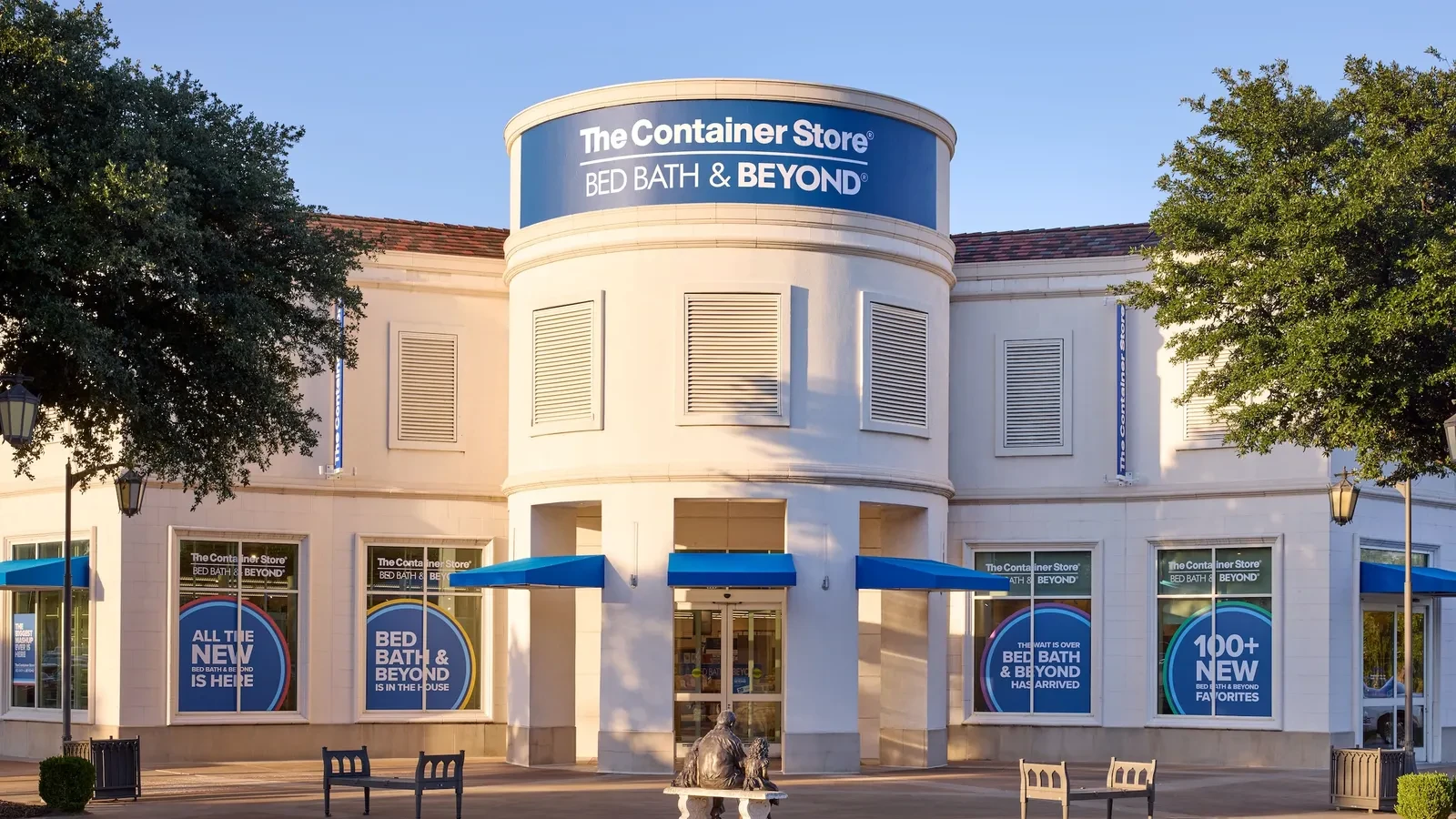
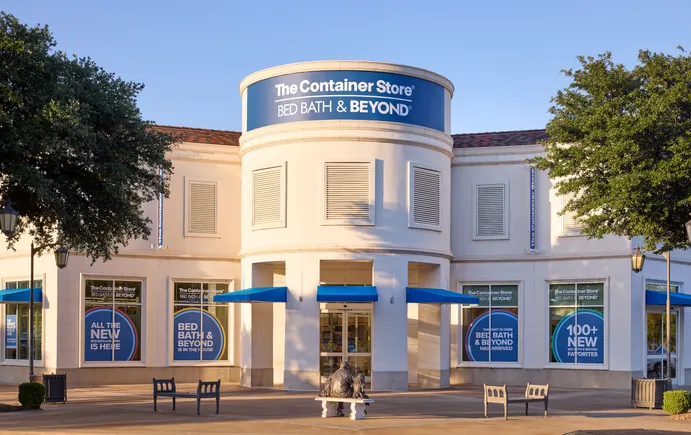
As part of this expansive transformation, the company has executed a series of high-profile transactions and partnerships. These include strategic moves involving well-known retail names such as The Container Store—highlighted by the opening of the first co-branded store concept in Fort Worth, Texas—and The Brand House Collective, formerly known as Kirkland’s Inc.
By restructuring its agreement with Fathom Holdings to center heavily on tZERO, Medici-related assets, and GrainChain, Neighborhood Intelligence is signaling a deeper commitment to integrating financial technology and digital assets into its evolving portfolio. As negotiations proceed toward a final definitive agreement, market watchers will be closely monitoring how the combined entity executes its vision for tokenized real estate and digital asset liquidity.