
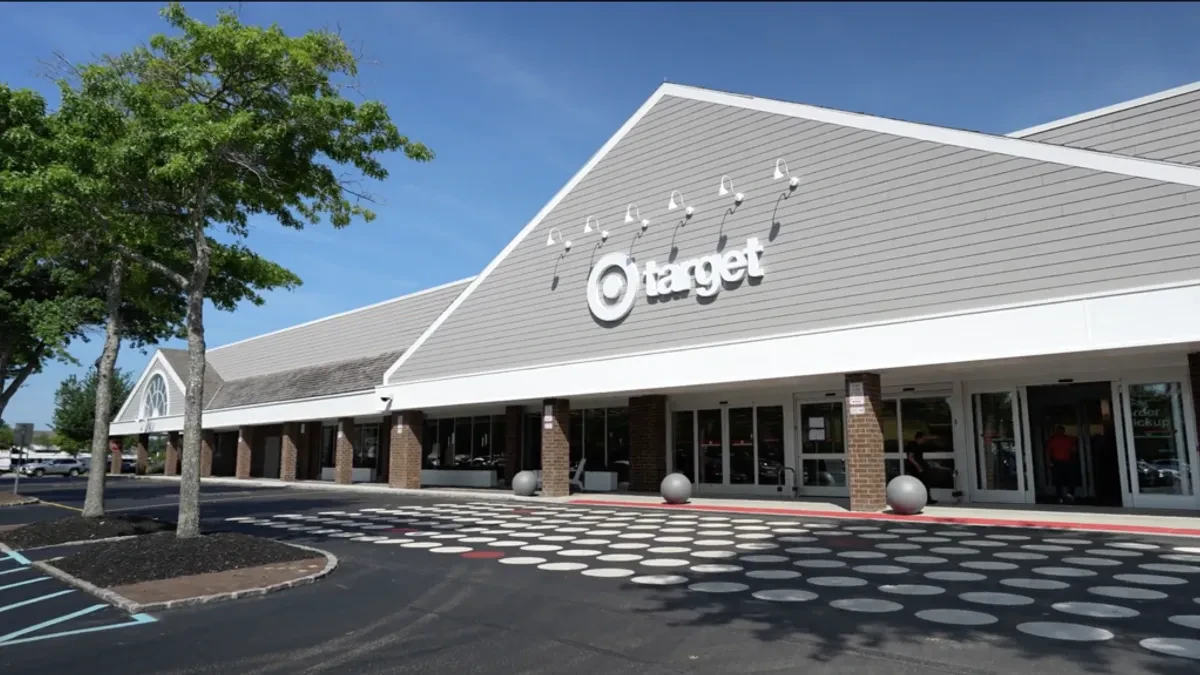
Target is known worldwide for its unmistakable corporate branding, anchored by a vibrant, eye-catching red color scheme that defines everything from its shopping carts and employee uniforms to its towering exterior signs and bollards. However, as the retail giant continues its aggressive nationwide store expansion and modernizes its physical footprint, it is occasionally willing to bend its own strict design rules to fit the unique character of local communities. The company’s latest slate of store openings highlights this adaptive strategy, most notably with a new location in the affluent Hamptons community of Bridgehampton, New York, where the retailer has deliberately chosen to mute its signature palette to blend into the local aesthetic.
Set to open its doors on October 11, the approximately 90,000-square-foot store represents a significant milestone for the company as its 109th location in the state of New York. Yet, visitors approaching the building will immediately notice a stark departure from the traditional Target look. In strict compliance with local town guidelines and zoning requirements designed to reflect the coastal vibes of the area, the exterior of the building features a sophisticated gray finish rather than the expected blocks of bright red.
The aesthetic adjustments go far beyond the color of the walls. The exterior features gray bollards—the protective posts placed around sidewalks and storefronts—instead of the company’s customary red guards. Furthermore, the signage on the building deviates from standard corporate practice. The exterior Target sign and classic bullseye logo are rendered in a clean white wordmark, and the sign itself is not internally illuminated. Instead, in keeping with the strict exterior lighting requirements enforced within the Bridgehampton Commons shopping center, the signage is lit delicately from above, creating a much softer nighttime appearance that respects the community’s architectural atmosphere.
A Target spokesperson emphasized the collaborative effort behind the unusual design choices in an email statement provided to retail industry publication Retail Dive, noting that the corporation worked closely with local officials throughout the planning and development process. According to the company, these adjustments were intentionally made to ensure that the store’s exterior facade and overall signage fit naturally and respectfully within the surrounding neighborhood and the broader Bridgehampton Commons commercial space.
While the coastal color palette makes the Bridgehampton branch stand out among Target’s vast fleet of stores, the location is fully equipped with the modern amenities and convenience services that contemporary shoppers have come to expect from the brand. The massive retail space will house both a CVS Pharmacy and a Starbucks Cafe, providing localized convenience directly inside the store. Additionally, the location will support Target’s suite of digital-first fulfillment services, including Drive Up, Order Pickup, and same-day delivery options, catering to both local residents and seasonal visitors looking for efficient shopping experiences.

The arrival of Target in Bridgehampton also marks the final chapter for a historic piece of American retail real estate. According to the EW Howell Construction Group, the massive 90,000-square-foot space was once home to a Kmart, holding the distinction of being the last remaining stand-alone Kmart store operating in the continental United States. Transforming the historic big-box footprint into a modern Target required extensive renovations. The construction group noted that the newly adapted location will feature prefabricated fitting rooms, entirely upgraded and modernized restrooms, a thoughtfully redesigned stock room optimized for digital fulfillment operations, and an improved parking lot layout to handle the anticipated customer volume.
Although the Bridgehampton store’s subdued color scheme and specialized exterior styling are tailored to the distinct character of the Hamptons, it is not an entirely isolated design experiment for the Minneapolis-based retailer. Target has previously demonstrated a willingness to adapt its standard architectural templates when establishing a presence in environmentally or visually sensitive regions. The company’s Silverthorne store located in the mountains of Colorado, as well as its South Lake Tahoe location nestled in California, both feature specific exterior design elements and color palettes that take into consideration their respective geographic locations and local zoning expectations.
The impending debut of the Bridgehampton store is a key piece of Target’s broader real estate strategy for the autumn season. The location stands as one of eight retail stores that the company is opening across the country in October, marking the final wave of 30 physical brick-and-mortar store openings that the retailer originally planned to launch throughout the year. This steady expansion aligns with the company’s long-term growth targets, which include building more than 300 new stores by the year 2035 as part of its overarching corporate real estate and market penetration strategy.

This physical expansion is heavily backed by significant financial commitments aimed at modernizing the shopping experience across the entire fleet. Earlier strategic announcements revealed that Target is pushing forward with a massive $1 billion operational investment dedicated entirely to enhancing the guest experience. Corporate leadership has emphasized that this multi-faceted investment will drive more noticeable changes and improvements within existing stores than the company has undertaken in any single year over the past decade.
This operational capital is separate from, but complementary to, a broader $5 billion capital expenditure investment that the retailer announced the previous fall, which focuses heavily on store remodels, supply chain technology enhancements, and artificial intelligence integration. By balancing large-scale investments in its core digital and physical infrastructure with community-conscious architectural choices like the one executed in Bridgehampton, Target aims to scale its nationwide footprint while maintaining a positive relationship with the diverse local communities it serves.