
Published Sept. 25, 2026
In the fast-paced world of modern retail, the supply chain is often the silent engine driving a company’s bottom line. While traditional department stores and specialty shops frequently rely on rapid, direct-to-store shipping to keep shelves packed, major off-price giants operate under a vastly different operational playbook. By strategically holding back inventory in distribution centers rather than pushing merchandise straight to storefronts, off-price retailers have unlocked a high level of operational flexibility that shields them from unexpected market disruptions, shifting consumer habits, and unpredictable weather events.
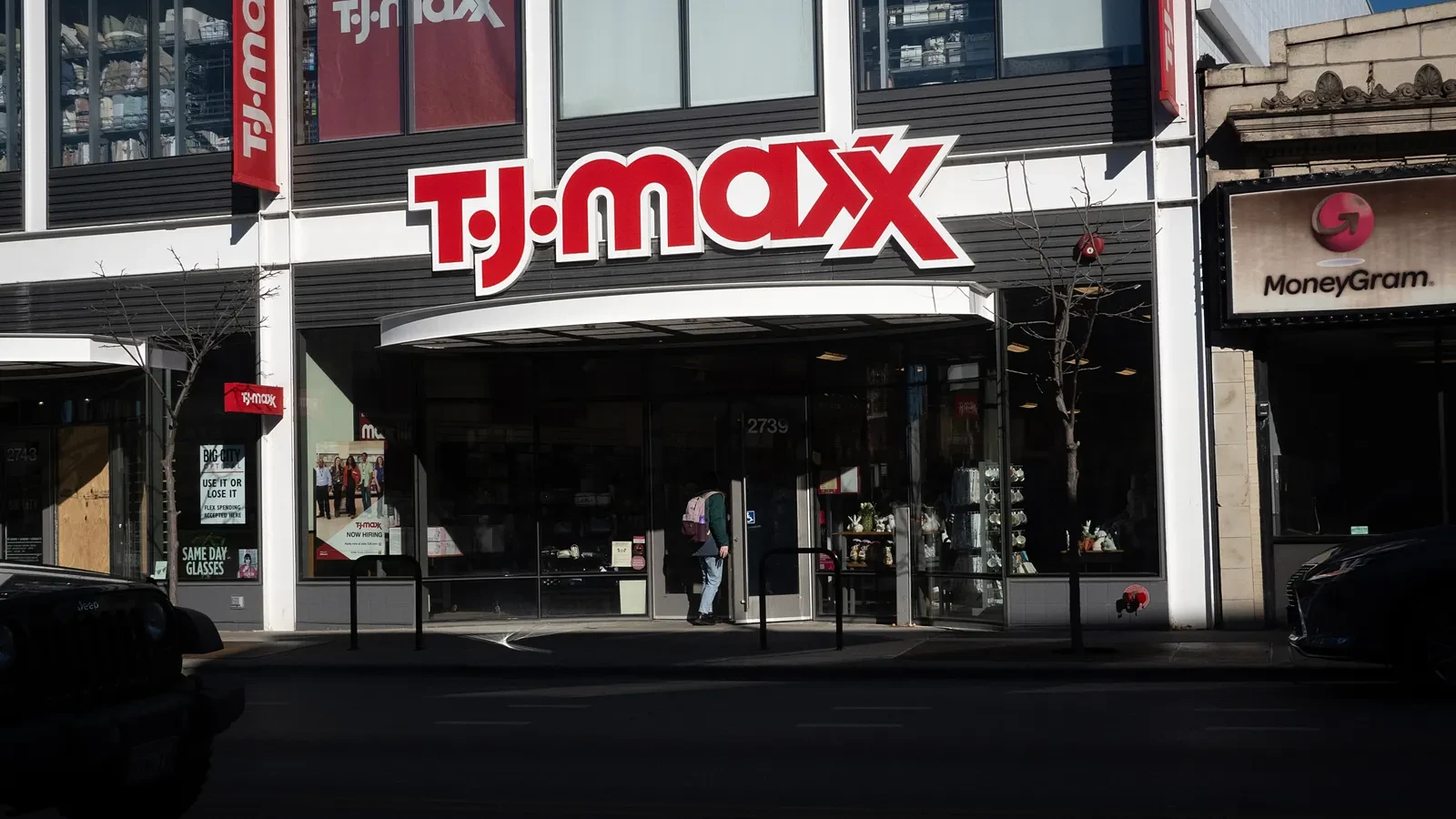
This nuanced supply chain approach gained renewed attention following recent comments by TJX Companies CEO Ernie Herrman. During a financial earnings call with analysts and investors, Herrman detailed how the parent company behind T.J. Maxx, Marshalls, and HomeGoods utilizes its sophisticated warehouse distribution model to expertly handle large-scale weather phenomena, specifically pointing to potential disruptions like El Niño. Rather than rushing seasonal goods into regional stores where unseasonable warmth or sudden storms might stall consumer demand, the off-price powerhouse exercises patience, leveraging its network of distribution hubs to keep stock close at hand but out of harm’s way until the timing is right.
To better understand the mechanics behind this strategy, industry experts point to a fundamental divide in modern retail logistics. Off-price retailers and classic brick-and-mortar merchants often employ distinctly different supply chain models when managing their merchandise, though the industry as a whole is far from monolithic, according to Dheera Anand, a partner at Bain and Co. The specific supply chain strategy that Herrman highlighted during the TJX earnings discussion is formally known within the logistics sector as the "hold and flow" model, or alternatively, the staged model.
Under the hold and flow framework, incoming merchandise from manufacturers and liquidators does not immediately follow a linear path from the loading dock to a retail shelf. Instead, items sit strategically at a centralized or regional distribution center. This creates a buffer that allows retail planners and buyers to react dynamically to real-time data, including localized sell-through rates, unexpected weather patterns, regional foot traffic trends, and shifting macroeconomic indicators. As consumer demand crystallizes in specific markets, inventory can slowly and deliberately trickle into the exact stores where items are moving fastest, maximizing full-price sell-through and minimizing the need for heavy markdowns down the line.

A portion of the inventory, based on predetermined data, stops and sits in the distribution center and sits on the racks, Anand explained when discussing the mechanics of the staged model. Because of this intentional delay, merchants do not send everything right in that moment to the stores, retaining a crucial degree of optionality that traditional retailers often forfeit in the name of speed and reduced warehousing costs.
This philosophy stands in direct opposition to the traditional supply chain methodology known as the flow-through, or cross-dock, model. Under a standard cross-docking system, items arrive at a retailer’s distribution hubs directly from suppliers, but the inventory is processed, sorted, and dispatched almost immediately. In many cases under a flow-through system, merchandise leaves the warehouse within a day or two rather than being held for an extended period, moving with maximum velocity to retail locations where floor space is already dedicated to specific product categories.
While flow-through systems are prized for their efficiency and low holding costs, they leave little room for error if consumer demand suddenly shifts or if regional weather patterns disrupt expected shopping behavior. If a retailer commits all of its winter coats or summer swimwear to storefronts weeks in advance, an unseasonably warm winter or a delayed spring can leave shops overstocked with the wrong merchandise, forcing painful margin-crushing clearances.

Recognizing the distinct advantages and limitations of both approaches, some modern retailers have opted to employ a hybrid supply chain model, integrating elements of both hold and flow and cross-dock strategies depending on the nature of the product.
When analyzing a retailer’s overall assortment, executives typically look at product characteristics such as seasonality, trend sensitivity, and demand volatility to determine the best logistical path forward. What retail analysts typically see is that when looking at assortments, seasonal goods, high-fashion items, and merchandise that tends to have higher demand variability are far more suitable for a hold and flow strategy, Anand noted. Conversely, everyday staples, basic apparel, and goods characterized by low complexity, high predictability, and low variety are far more suitable for a traditional flow-through approach.
For off-price giants like TJX Companies, the ability to anchor their logistics in the hold and flow model provides an unmatched competitive edge. By maintaining tight control over inventory movement at the distribution center level, these retailers can navigate climate anomalies, economic shifts, and sudden swings in consumer sentiment with a agility that keeps their business model resilient and profitable year after year.