
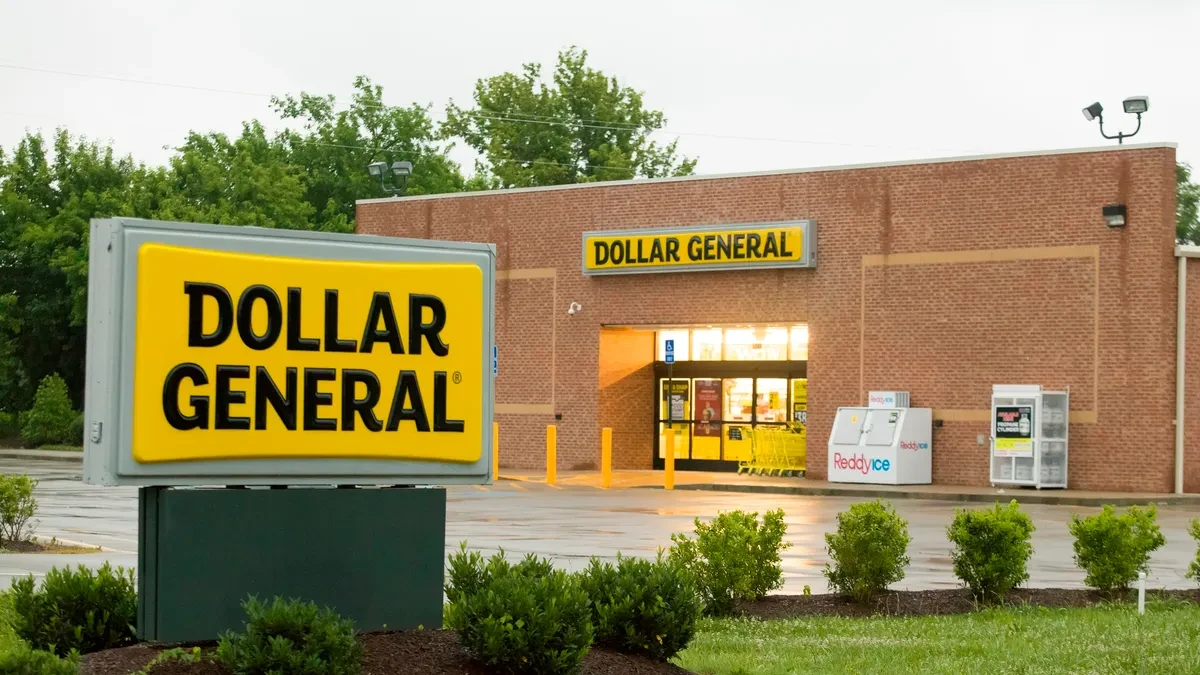
The Federal Trade Commission, alongside a coalition of 20 U.S. states, has filed a major lawsuit against discount retail giant Dollar General, alleging that the company has engaged in widespread deceptive pricing practices that routinely force shoppers to pay more at the register than the prices displayed on store shelves, promotional tags, and advertisements.
The legal action, announced on Monday, targets a practice that consumer advocates and regulatory authorities argue unfairly penalizes everyday shoppers, particularly those living on tight budgets. According to the complaint, Dollar General has systematically overcharged customers across its vast nationwide footprint, betraying the trust of millions of Americans who rely on the discount chain to stretch their hard-earned dollars during economically challenging times.
"Dollar General has betrayed the trust of millions of American consumers and imposed significant financial harm on communities and consumers who are already struggling to make their paychecks last," said Christopher Mufarrige, director of the FTC’s Bureau of Consumer Protection, in a strong statement released by the agency.
Representatives for Dollar General did not immediately respond to requests for comment regarding the explosive allegations made in the federal and state lawsuit.

The comprehensive FTC complaint, which includes partially redacted internal company communications and emails alongside mounting consumer grievances, details how the discrepancies between advertised prices and final register totals occur. The filing outlines numerous consumer complaints regarding inconsistent pricing and details the findings of an intensive undercover investigation conducted by federal investigators over several months.
According to the regulatory findings, Dollar General stores have frequently charged higher prices at checkout than the figures listed in weekly circulars, digital marketing channels, and physical in-store displays. The scale of the issue appears massive; the discount retailer has received more than 29,000 formal complaints regarding price honoring from January 2023 through the end of March of this year alone.
To test the validity of these mounting consumer grievances, FTC investigators launched a series of undercover purchases between January and April at various Dollar General locations across Ohio, Pennsylvania, Missouri, and Maryland. The results of these covert operations were striking: every single undercover purchase resulted in the store charging more at the register than the prices advertised to the public on shelves or promotional materials.
As one specific example highlighted in the FTC’s complaint, an undercover shopping trip on January 16 at a Dollar General store in Ohio revealed that 13 out of 58 items purchased scanned at the register for a higher price than what was clearly marked on the corresponding product label or shelf tag.
Compounding the problem for everyday shoppers is the rapid pace of modern point-of-sale systems. The FTC complaint points out that the company’s fast-moving register screens and quick-scrolling displays make it exceptionally difficult for consumers to catch these pricing inconsistencies in real time before paying for their items.

Regulatory authorities argue that Dollar General cannot plead ignorance regarding these systemic failures. Despite being made fully aware of the persistent pricing discrepancies through tens of thousands of direct consumer complaints, as well as failed pricing inspections conducted by various local and state weights and measures authorities, the company has consistently fallen short. The FTC asserts that Dollar General "has failed to implement policies and practices to adequately address the problem," allowing the deceptive pricing to continue unchecked across its network.
In their joint legal filing, the FTC and the participating state attorneys general allege that the retailer’s actions are in direct violation of the Federal Trade Commission Act, the Gramm-Leach-Bliley Act, and various state consumer protection laws.
"Dollar General has for years engaged in deceptive conduct that harms the very consumers it claims to serve," the FTC’s complaint states, emphasizing the contrast between the company’s marketing and its operational reality. "Although Dollar General promises convenience, low prices, and value, the company has routinely charged customers more at the register than the price displayed on shelves, price tags, and advertisements."
The lawsuit comes at a time when discount retailers are experiencing significant financial growth driven by changing consumer shopping habits. Dollar General recently reported robust financial results, with its second-quarter net sales jumping 5.2% year over year to reach $11.3 billion. This growth has been buoyed in part by higher-income shoppers increasingly turning to dollar stores in search of better value amid broader economic pressures.
At the same time, the company’s traditional stronghold remains rooted in smaller communities and rural areas across the United States. During an earnings call with analysts in August, Dollar General CEO Todd Vasos emphasized that the retailer’s expansive store footprint is a foundational pillar of its long-term business model and competitive edge.

"Our mature store base is a unique competitive advantage that enables us to serve customers in smaller, rural communities across the country," Vasos told analysts during the conference call, highlighting the deep integration of the brand into the daily lives of millions of rural Americans who often have limited alternative grocery and retail options nearby.
As the lawsuit moves forward, federal and state regulators are seeking remedies to address the alleged financial harm inflicted on consumers, while shining a harsh spotlight on the operational practices behind the discount chain’s register screens.